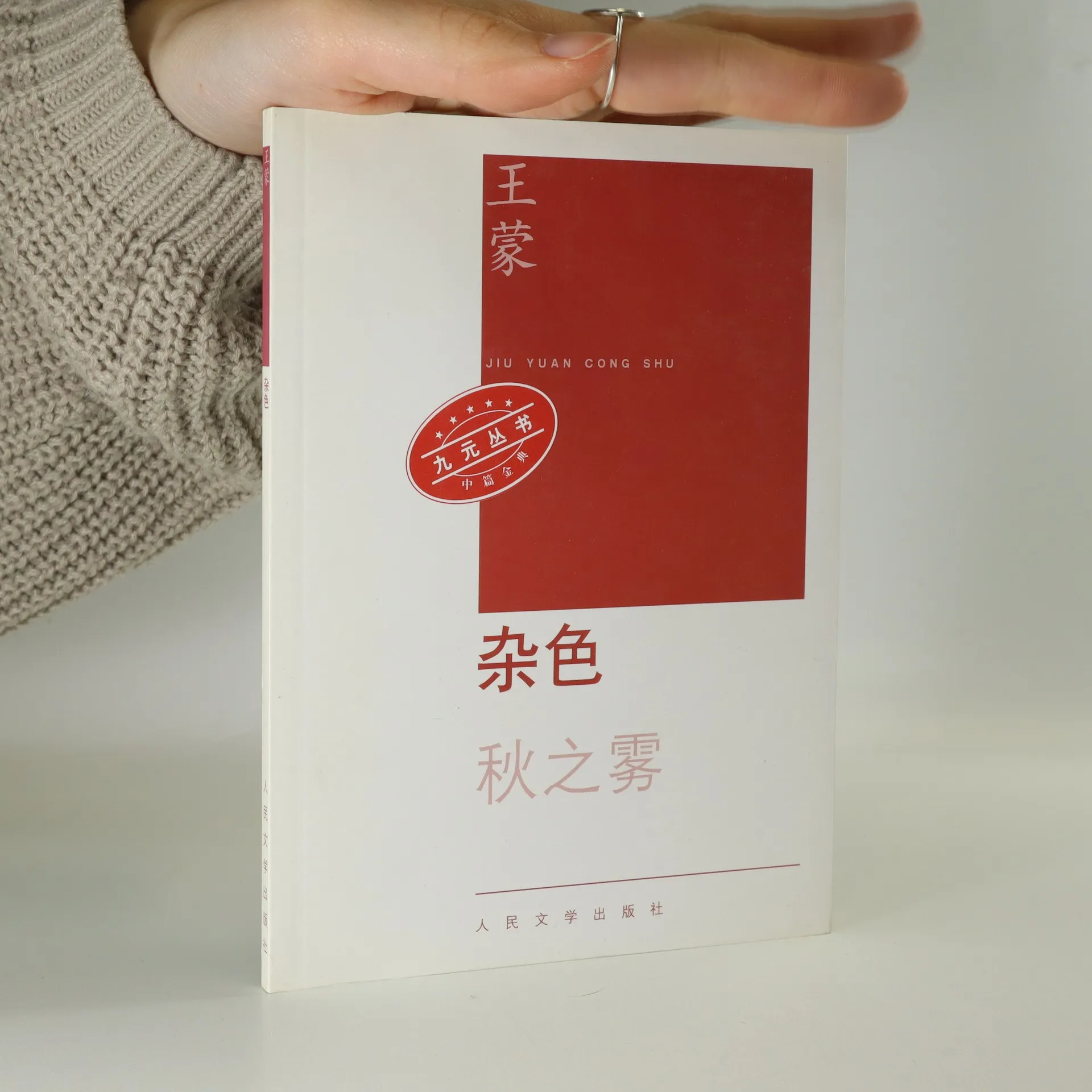
Die gemusterte Jacke aus violetter Seide in den Tiefen der Holztruhe
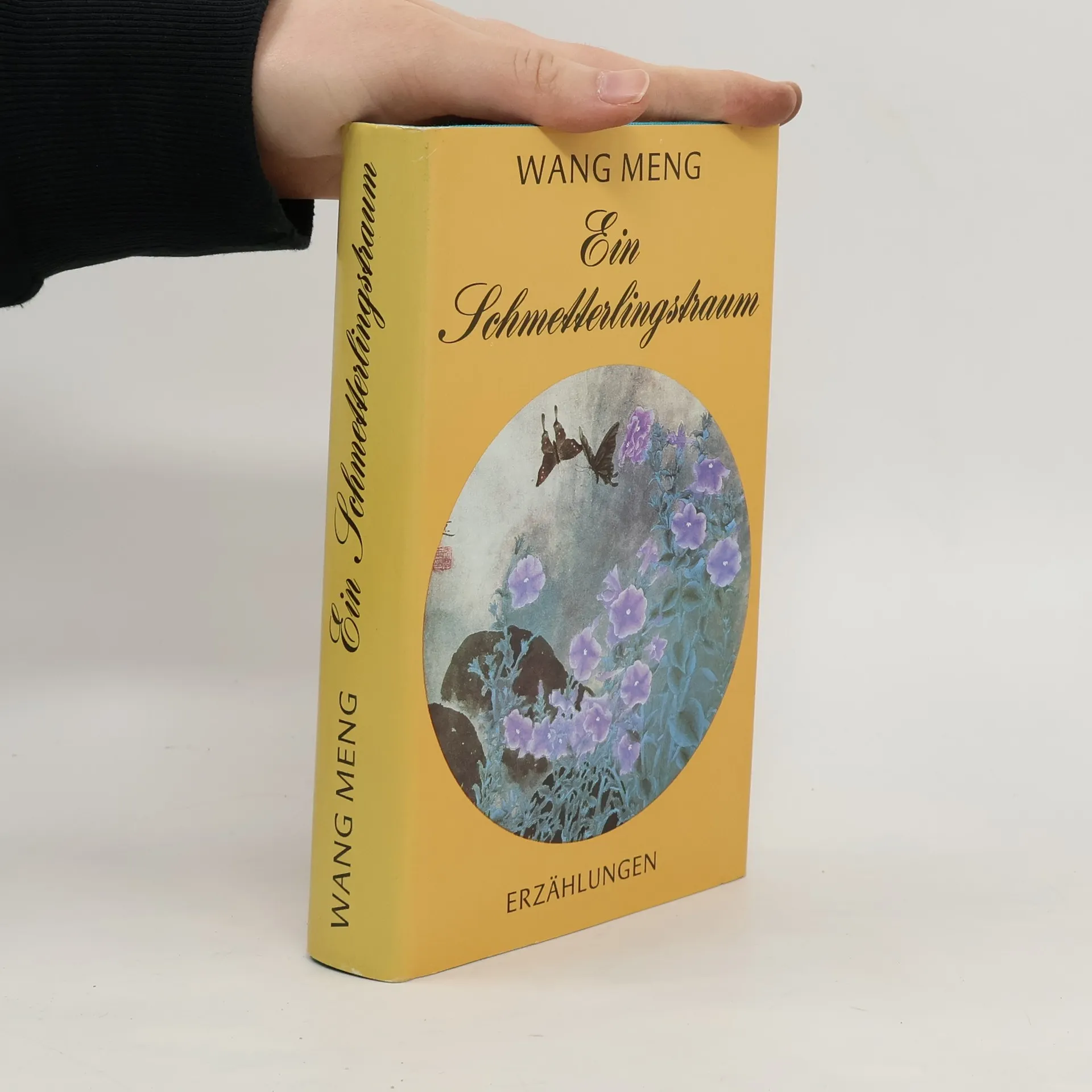
Erzählungen
- 328 Seiten
- 12 Lesestunden


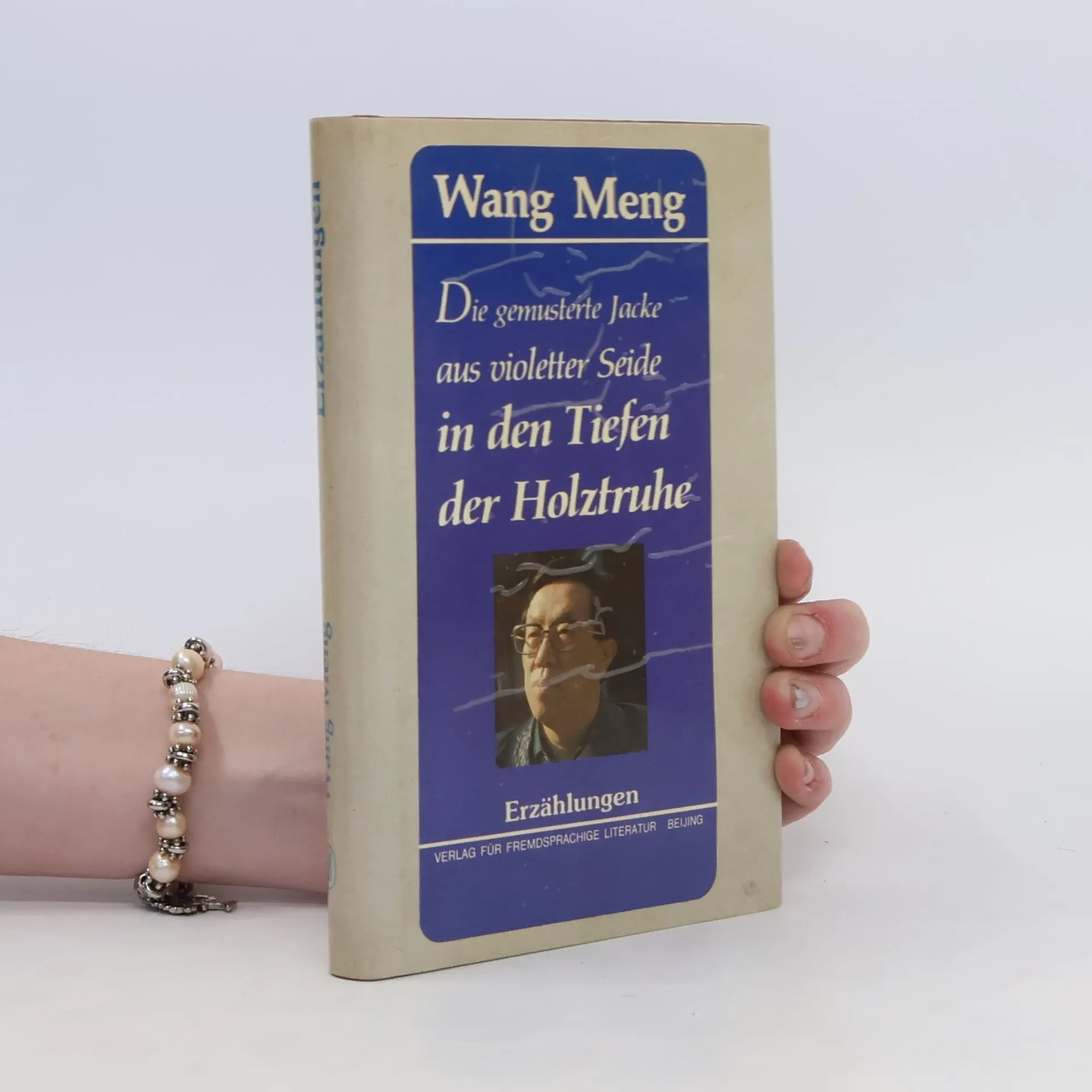
Erzählungen
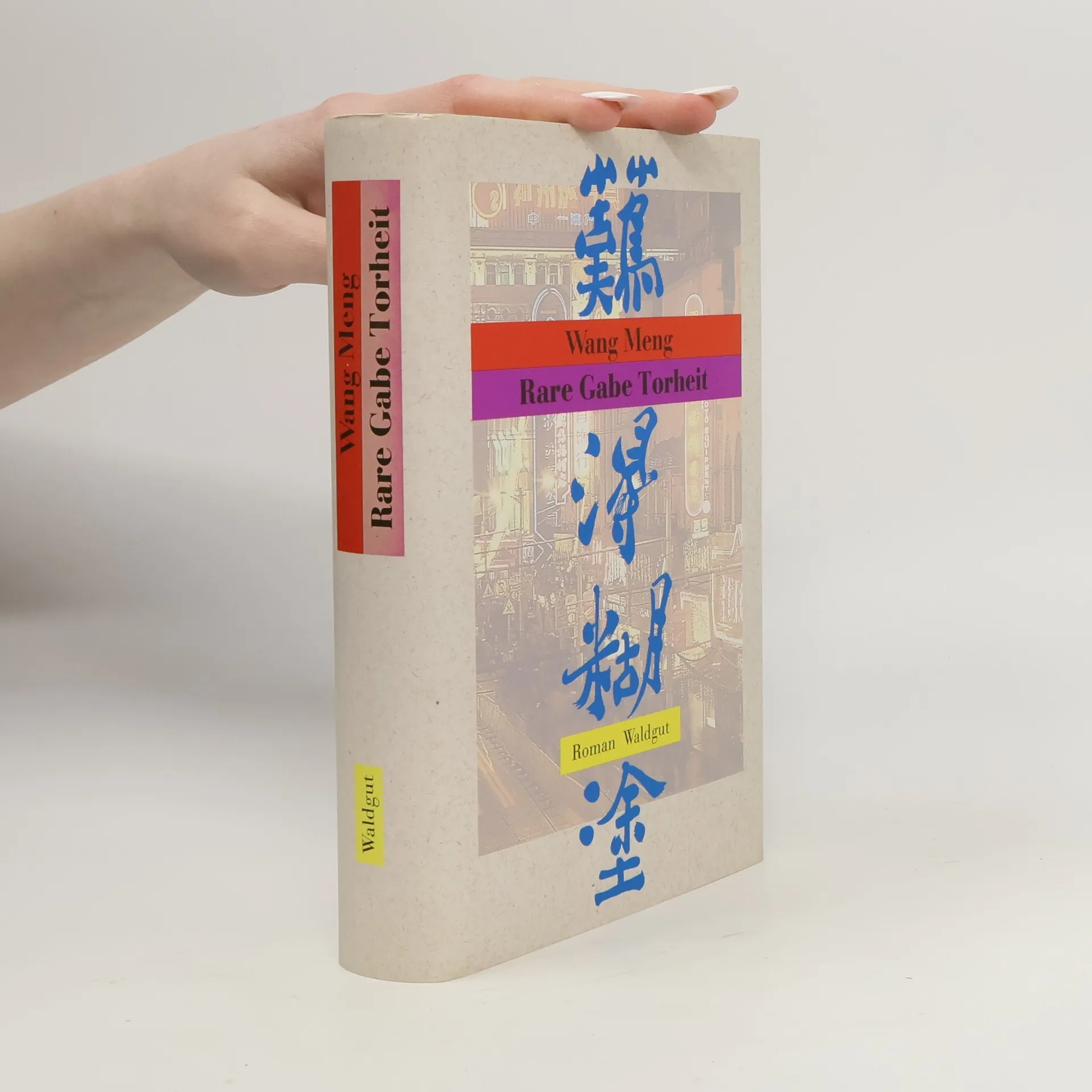
'Rare Gabe Torheit' ist eine große Familiengeschichte, ein Drama mit vielen Enden, eine greifbare, oft schmerzhafte Darstellung von zwei Kulturkreisen, welche uns heute entscheidend prägen.
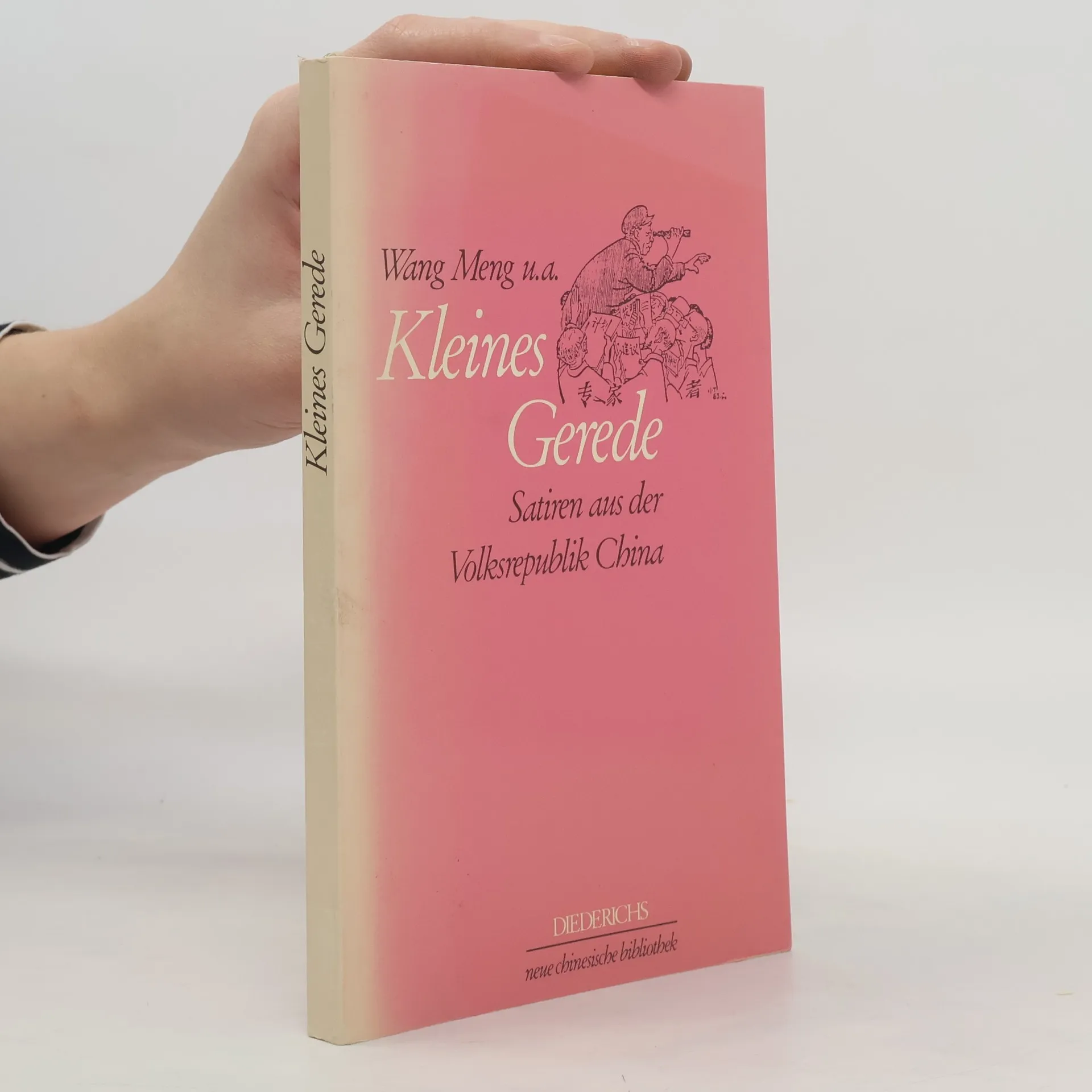
Belletristik : China ; Satiren.
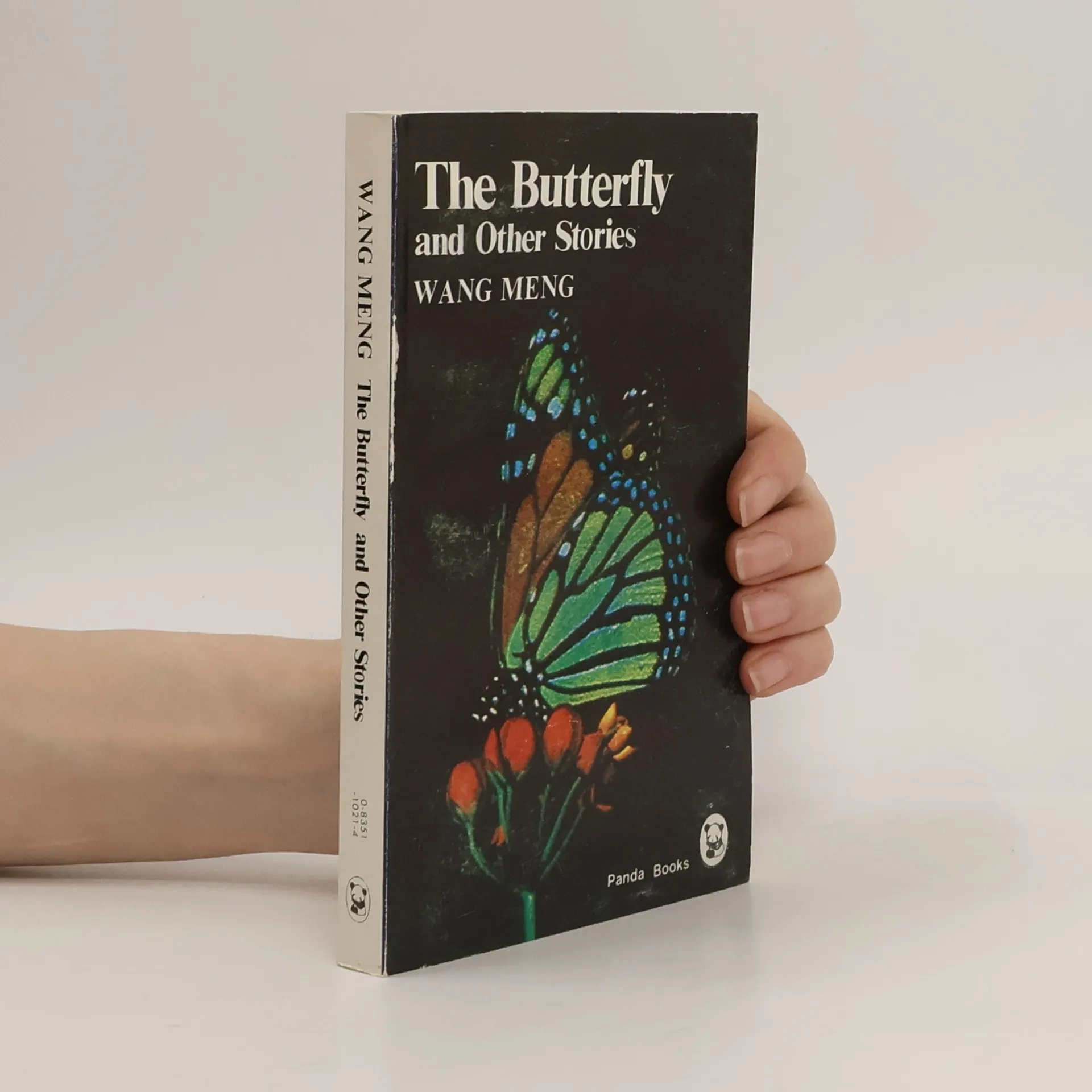
The collection of short stories "The Butterfly" features renowned works by Chinese author Wang Meng. It includes "The Young Man Returns to the Organization," "The Butterfly," and "The Maple Leaf." The stories revolve around the fate of intellectuals in Chinese social history. Most of the short stories focus on characters with conscience and passion who are crushed by historical tragedies, individuals who must bury their beautiful souls to adapt to harsh circumstances. Other works by the author are also included in the collection, addressing modern life issues and the transformations of individuals in material existence.
Transmitting the Dharma in Exile
Focusing on the life of the sixteenth Karmapa, this book explores his significant role in preserving and transmitting Tibetan Buddhism in exile. It delves into the Karmapa's activities while highlighting the cross-cultural interactions between Buddhism and Western influences, emphasizing the importance of Asian agency in this dialogue. The author provides a nuanced analysis of the Karmapa's contributions to the global understanding of Tibetan Buddhism.
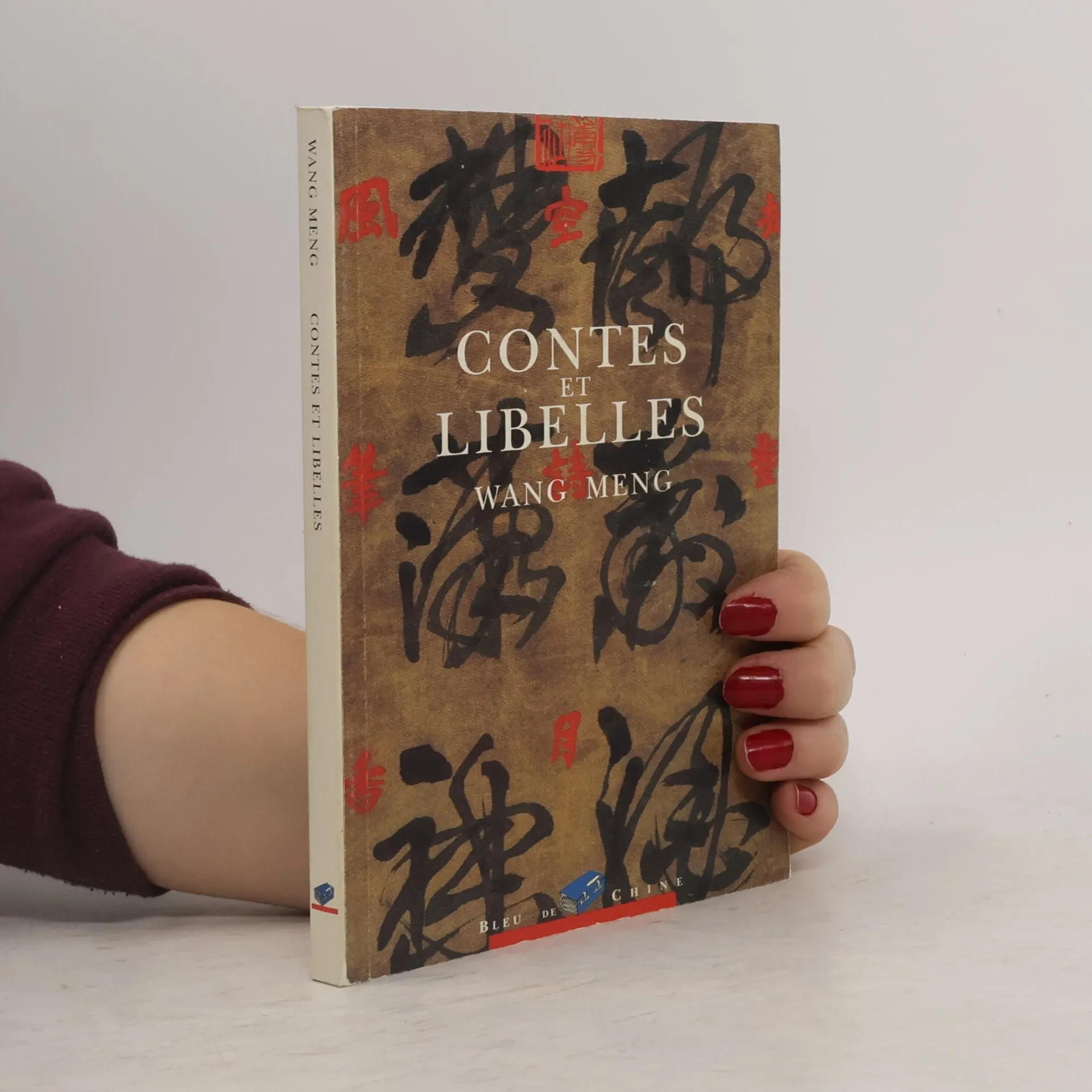
Rayon : Roman Editeur : Bleu de Chine Date de parution : 1994 Description : In-8, 140 pages, broché, occasion, bon état. Envois quotidiens du mardi au samedi. Les commandes sont adressées sous enveloppes bulles. Photos supplémentaires de l'ouvrage sur simple demande. Réponses aux questions dans les 12h00. Librairie Le Piano-Livre. Merci. Référence catalogue 22467. Please let us know if you have any questions. Thanks
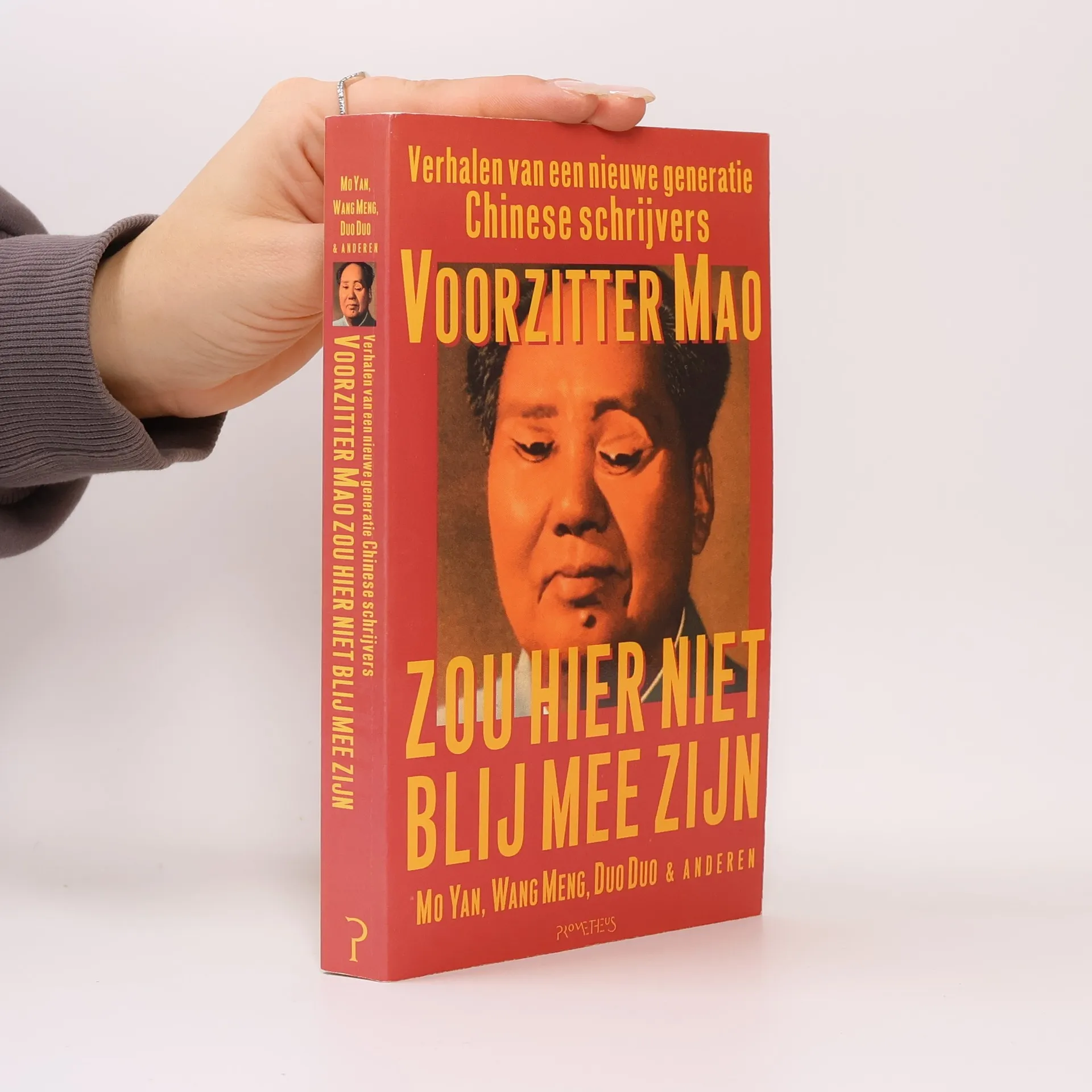
Verhalen van een nieuwe generatie Chinese schrijvers
Verhalen uit de Chinese Volksrepubliek in de periode 1985-1993.