
Gratis Versand ab € 16,99. Mehr Infos.
Bookbot

Robert P. Crease

    Professor Robert P. Crease leitet den Fachbereich Philosophie an der Stony Brook University in New York. Seine Arbeit befasst sich mit der Wissenschaftstheorie und untersucht, wie Wissenschaftler denken und welche ethischen Fragen ihre Bestrebungen aufwerfen. Crease erforscht die tieferen Denkprozesse und moralischen Dilemmata, die der wissenschaftlichen Forschung innewohnen. Sein Ansatz bietet den Lesern Einblicke in das Wesen wissenschaftlichen Denkens.

    Robert P. Crease
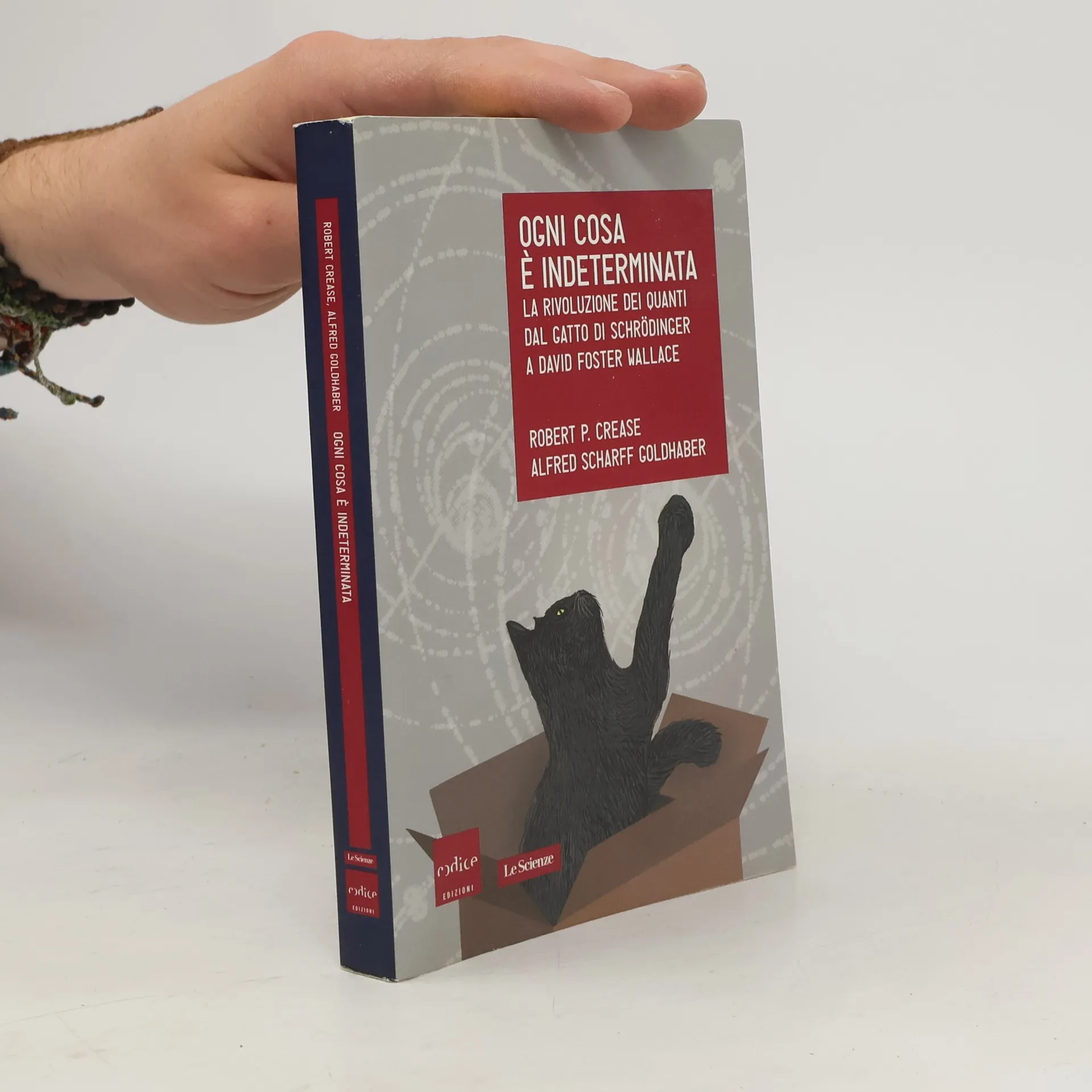
    Le Scienze: Ogni cosa è indeterminata. La rivoluzione dei quanti dal gatto di Schrödinger a David Foster Wallace
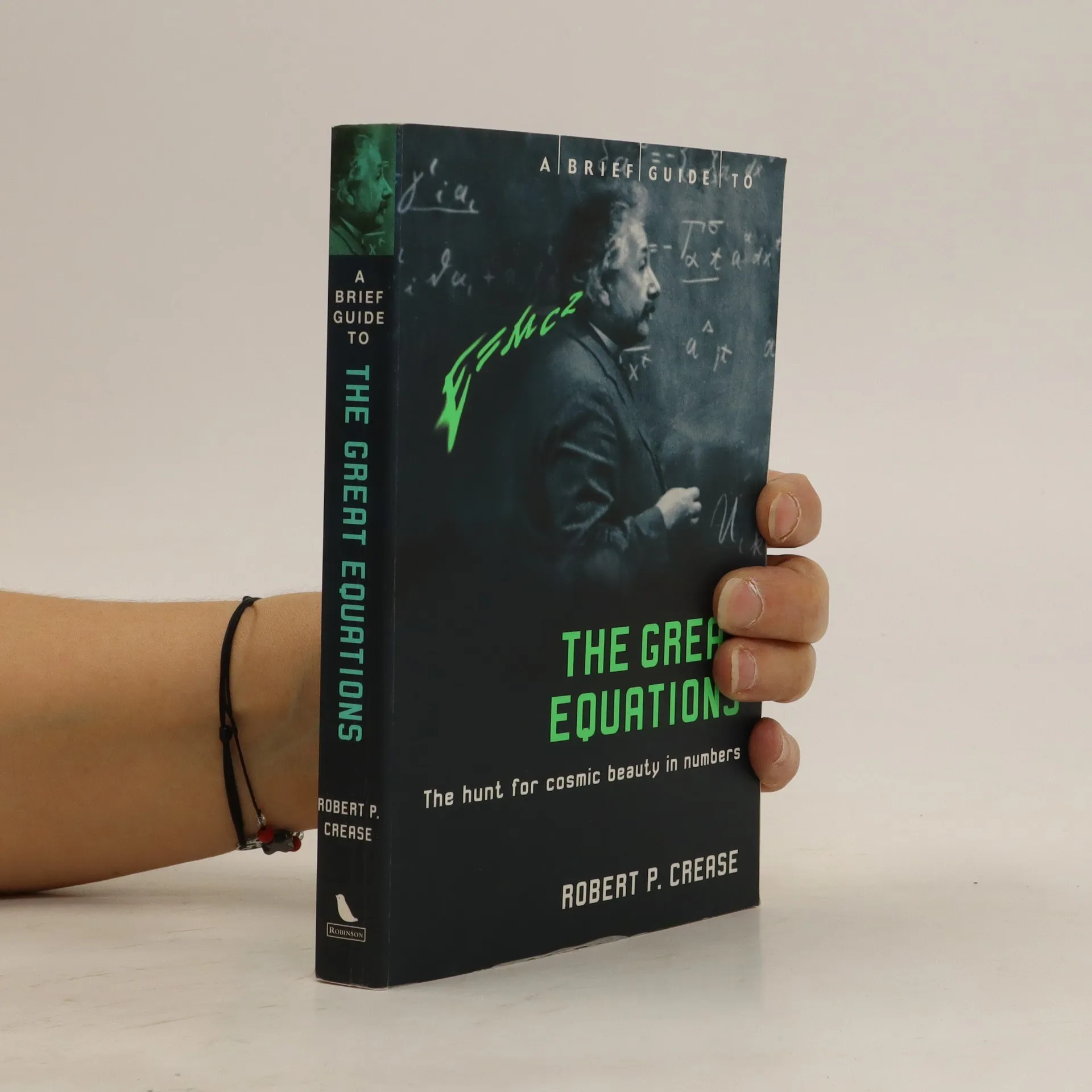
    Ten Great Equations
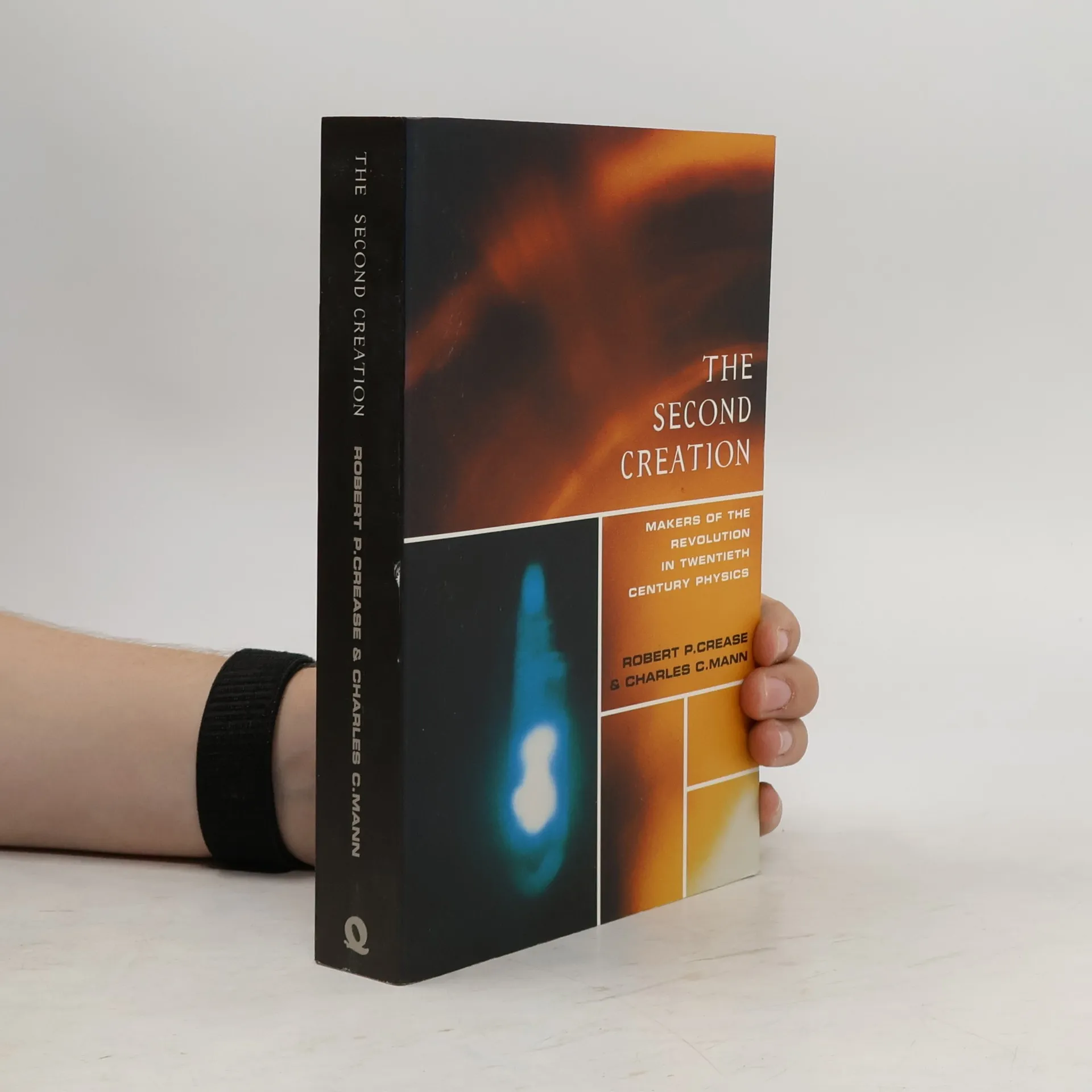
    The Second Creation
    • The Second Creation

      • 496 Seiten
      • 18 Lesestunden

      The Second Creation is a dramatic--and human--chronicle of scientific investigators at the last frontier of knowledge. Robert Crease and Charles Mann take the reader on a fascinating journey in search of "unification" (a description of how matter behaves that can apply equally to everything) with brilliant scientists such as Niels Bohr, Max Planck, Albert Einstein, Erwin Schrödinger, Richard Feynman, Murray Gell-Mann, Sheldon Glashow, Steven Weinberg, and many others. They provide the definitive and highly entertaining story of the development of modern physics, and the human story of the physicists who set out to find the "theory of everything."The Second Creation tells the story of some of the most talented and idiosyncratic people in the world--many times in their own words. Crease and Mann conducted hundreds of interviews to capture the thinking and the personalities as well as the science. The authors make this complex subject matter clear and absorbing.

      The Second Creation
      4,0
    • Join the hunt for the cosmic beauty in numbers with stories of the discovery of the ten most admired equations of all time.

      Ten Great Equations
      3,7
    • Il principio di indeterminazione, il paradosso del gatto di Schrödinger, l'ipotesi degli universi paralleli: fin dai suoi esordi all'alba del novecento la meccanica quantistica ha mostrato il suo fascino ambiguo e sottile. Una disciplina apparentemente adatta solo alle aule universitarie e al laboratori di fisica ha invece saputo conquistare l'immaginario popolare, ritagliandosi uno spazio in ambiti culturali insospettabili. Riferimenti alla fisica dei quanti si trovano nelle opere di Miller e Updike, nelle riflessioni di Heidegger, ma anche nei Simpson e in "Futurama", in "Ritorno al futuro" e in "Sliding doors", nel linguaggio politico e addirittura in discussioni su birra e jazz e sulle etichette dei vini. Crease e Goldhaber regalano uno sguardo fresco e diverso alla storia della scienza, e ai modi (non sempre ortodossi) in cui la rivoluzione dei quanti è diventata popolare.

      Le Scienze: Ogni cosa è indeterminata. La rivoluzione dei quanti dal gatto di Schrödinger a David Foster Wallace
      3,4