

Gleichen sich die Corona-Pandemie und das Schicksalsjahr 1918? Laura Spinney in ihrem Bestseller über die Spanische Grippe als weltumspannendes gesellschaftliches Phänomen Der Erste Weltkrieg geht zu Ende, und eine weitere Katastrophe fordert viele Millionen Tote: die Spanische Grippe. Binnen weniger Wochen erkrankt ein Drittel der Weltbevölkerung. Trotzdem sind die Auswirkungen auf Gesellschaft, Politik und Kultur weitgehend unbekannt. Ob in Europa, Asien oder Afrika, an vielen Orten brachte die Grippe die Machtverhältnisse ins Wanken, womöglich beeinflusste sie die Verhandlung des Versailler Vertrags und verursachte Modernisierungsbewegungen. Anhand von Schicksalen auf der ganzen Welt öffnet Laura Spinney das Panorama dieser Epoche. Sie füllt eine klaffende Lücke in der Geschichtsschreibung und erlaubt einen völlig neuen Blick auf das Schicksalsjahr 1918.
Laura Spinney Bücher

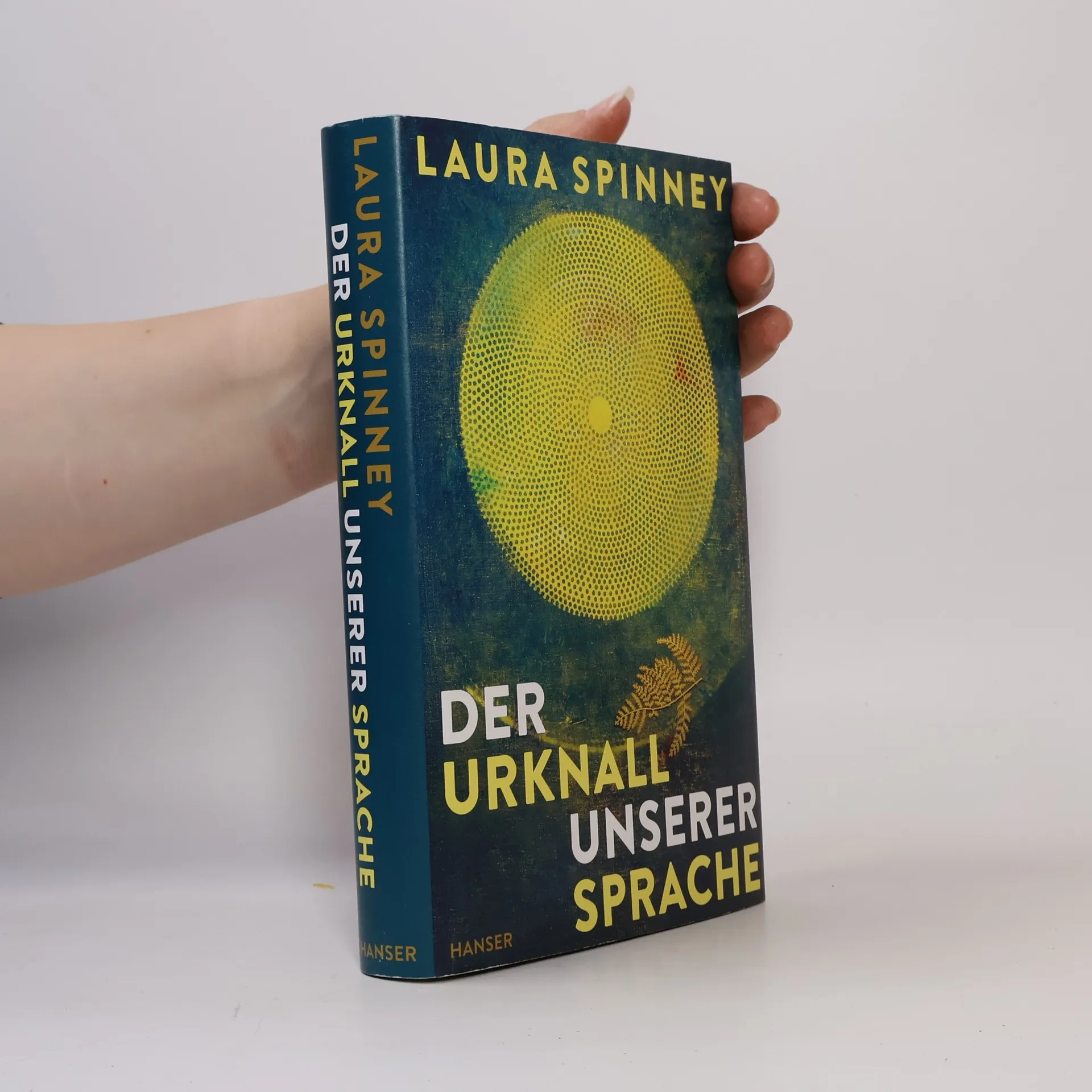

Der Urknall unserer Sprache
- 336 Seiten
- 12 Lesestunden
Bestsellerautorin Laura Spinney erzählt die Frühgeschichte unserer Sprache. Eine spektakuläre Reise in die Lebenswelt und Kultur unserer Vorfahren Griechische Tragödien, indische Veden, römische Mythologie, „Beowulf“ und „Der Herr der Ringe“ – all diese Erzählungen sind durch eine gemeinsame Sprache und deren Sprecher verbunden, den Indoeuropäern. Wer waren diese Menschen, wie lebten unsere Vorfahren? Dank bahnbrechender Erkenntnisse aus Linguistik, Archäologie und Genetik erzählt Bestsellerautorin Laura Spinney die unvergleichliche Entstehung unserer Ursprache. Vor 5.000 Jahren trafen am Schwarzen Meer Nomaden aus der Steppe auf Bauern aus der gemäßigten Zone. Laura Spinney erweckt den Alltag und die Sprache dieser Menschen zum Leben und zeigt, wie eng Ost und West miteinander verbunden sind. Eine faszinierende Reise zu den Ursprüngen unserer Kultur.
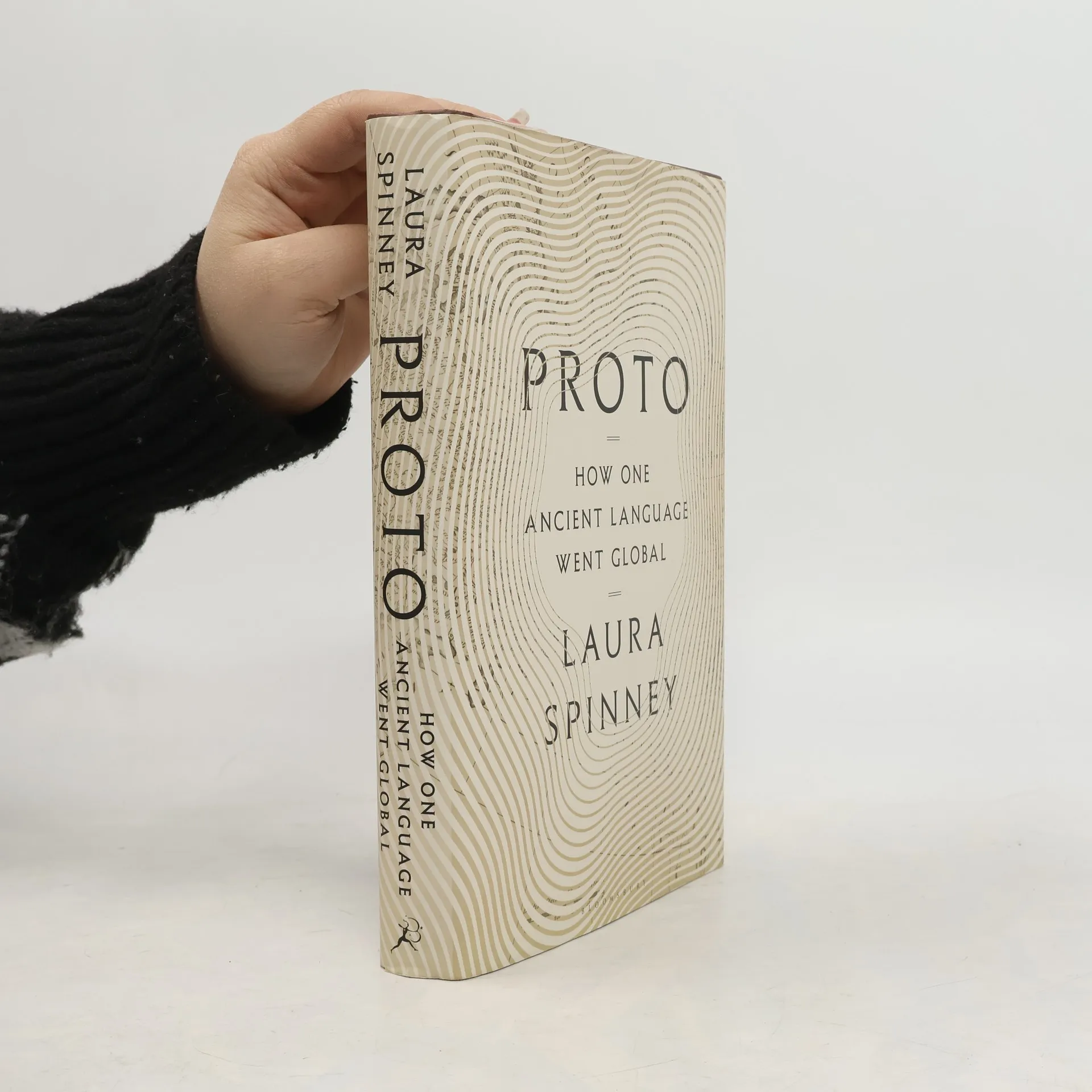
The epic tale of how one ancient language went global, and the scientific quest to trace it back to its roots, from the celebrated author of Pale RiderAs the planet emerged from the last ice age, a language was born between Europe and Asia, by the Black Sea. This ancient tongue, which we call Proto-Indo-European, soon exploded out of its cradle, changing and fragmenting as it went, until its offspring were spoken from Scotland to China. Today those descendants constitute the world’s largest language family, the thread that connects disparate Dante’s Inferno to the Rig Veda, The Lord of the Rings to the love poetry of Rumi. Indo-European languages are spoken by nearly half of humanity. How did this happen?Laura Spinney set out to answer that question, retracing the Indo-European odyssey across continents and millennia. With her we travel the length of the steppe, navigating the Caucasus, the silk roads and the Hindu Kush. We follow in the footsteps of nomads and monks, Amazon warriors and lion kings – the ancient peoples who spread these languages far and wide. In the present, Spinney meets the scientists on a thrilling mission to retrieve those lost the linguists, archaeologists and geneticists who have reconstructed this ancient diaspora. What they have learned has vital implications for our modern world, as people and their languages are on the move again. Proto is a revelatory portrait of world history in its own words.