

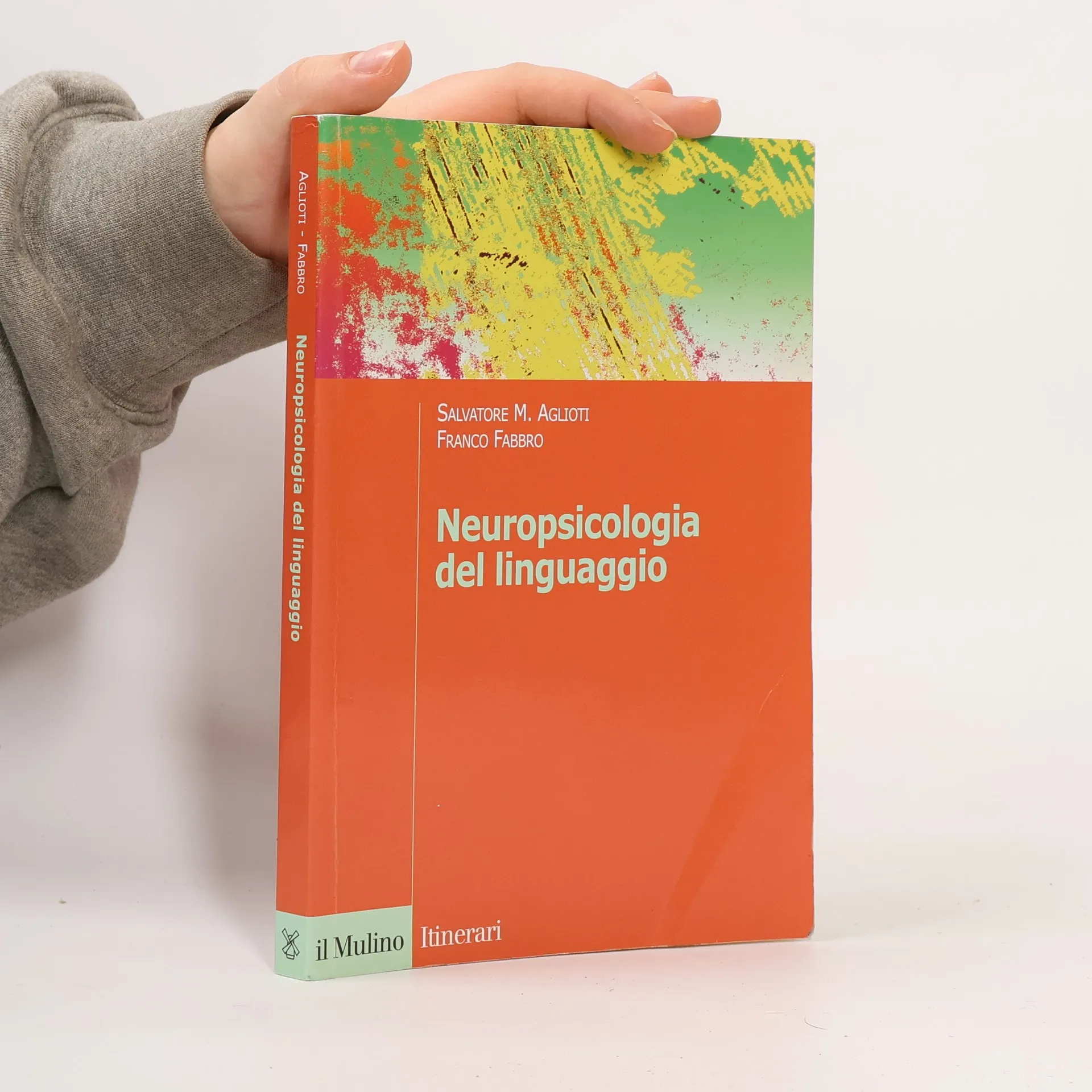
This text introduces neurolinguistics and the neuropsychological aspects of bilingualism, emphasizing language processing and acquisition. It explores cerebral representation and includes various chapters covering essential topics. Chapter 1 discusses the nature of language, including linguistics, phonetics, syntax, morphology, and semantics. Chapter 2 focuses on the production and perception of language sounds, detailing the physiology of speech production and the acoustic analysis of vowels and consonants. Chapter 3 examines how the brain controls vocalizations, introducing basic brain anatomy and the neural centers involved, drawing analogies between human languages and bird song. Chapter 4 delves into language areas in the brain, highlighting pioneering studies, cerebral lateralization, and clinical cases related to sensory aphasia. Chapter 5 addresses aphasia, its terminology, types, and the right hemisphere's role in verbal communication. Chapter 6 discusses the assessment of aphasia, including criteria and tests for both monolinguals and bilinguals. Chapter 7 presents methods for studying language organization in the brain, covering various experimental techniques. Chapter 8 focuses on the representation of language in the brain, including neurophysiological fundamentals and models of language processing. Finally, Chapter 9 explores the role of subcortical structures in language, proposing a neuropsychological model of
Franco Fabbro Bücher

Neuropsicologia del linguaggio
- 237 Seiten
- 9 Lesestunden
Integrando concetti classici della neurolinguistica con le più recenti nozioni derivanti dalle moderne tecniche per lo studio del cervello, il manuale fornisce un quadro completo dei processi e delle basi nervose sottostanti il farsi, disfarsi e rifarsi del linguaggio, sia in età adulta sia in età evolutiva, e tratta non solo i temi fondamentali della disciplina, ma anche gli aspetti relativi alla riabilitazione del linguaggio.
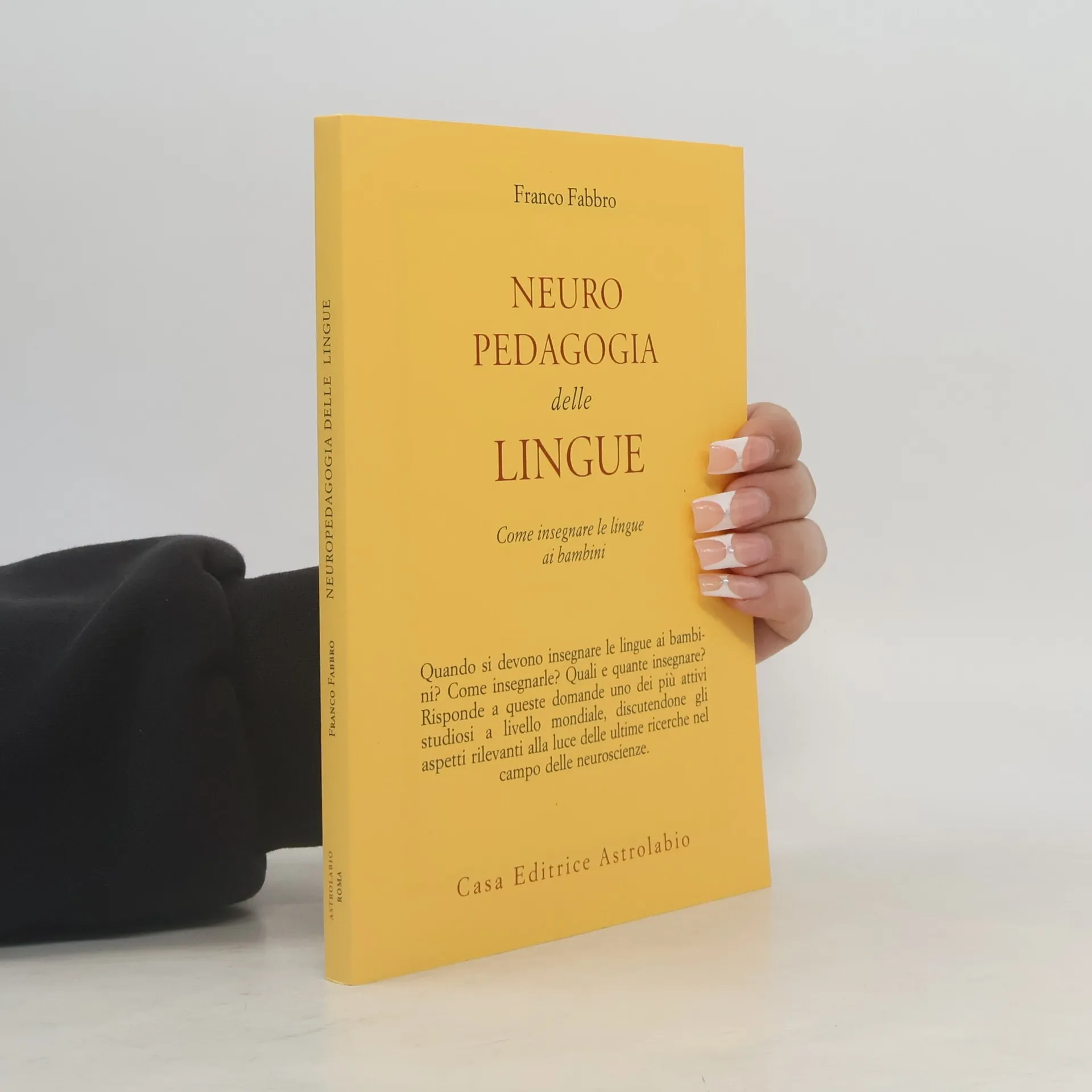
È noto a tutti che l'apprendimento delle lingue da adulti è molto faticoso e spesso dà risultati deludenti, mentre i bambini possono acquisire con facilità le lingue a patto che vengano osservate alcune semplici "regole". Questo libro illustra tali regole e ne discute gli aspetti più rilevanti alla luce delle ricerche più avanzate nell'ambito delle neuroscienze.