Wir können die extreme Armut in der Welt abschaffen, nicht erst in der fernen Zukunft, sondern in unserer Gegenwart. Das ist die Botschaft von Jeffrey Sachs, den die »New York Times« als den »wichtigsten Ökonomen der Welt« bezeichnet hat. Sein Buch zeigt Wege auf, wie auch die Menschen der ärmsten Länder am wirtschaftlichen Wohlstand beteiligt werden können.
Jeffrey Sachs Bücher
5. November 1954
Dieser anerkannte Ökonom und Politikanalyst ist eine weltweit führende Autorität in der Wirtschaftsentwicklung und im Kampf gegen Armut. Seine Arbeit konzentriert sich auf Nachhaltigkeit und die Bewältigung globaler Herausforderungen wie extremer Armut und Hunger. Seine Erkenntnisse bieten wertvolle Perspektiven auf komplexe wirtschaftliche und soziale Probleme und treiben die Bemühungen um nachhaltige Entwicklungsziele voran. Seine Analysen bieten eine entscheidende Perspektive, um weltweite Ungleichheiten zu verstehen und anzugehen.





Wohlstand für viele
- 475 Seiten
- 17 Lesestunden
Wie wir Wachstum und Wohlstand in Einklang bringen Armut, Überbevölkerung, Klimawandel und Umweltzerstörung - trotz wachsenden Wohlstands befinden wir uns in einer weltweiten ökologischen und sozialen Krise. Jeffrey Sachs, 'der einflussreichste Volkswirt auf dem Planeten' (Die Zeit), analysiert in seinem Buch die drängendsten Probleme unserer Zeit und beschreibt zugleich, welchen Weg wir einschlagen müssen, um Frieden und Wohlstand zu wahren und möglichst viele Menschen daran teilhaben zu lassen. Denn Wohlstand für viele muss nicht zwangsläufig zu Lasten der Umwelt gehen, wenn es uns gelingt, nachhaltig zu wirtschaften, das Bevölkerungswachstum zu verlangsamen und die internationale Zusammenarbeit wiederzubeleben. Angesehener Experte und in den Medien bekannter Autor Günstige Studienausgabe des Standardwerks zur Globalisierung
Diplomatie oder Desaster
Zeitenwende in den USA - ist Frieden möglich? Mit einem Gespräch zur politischen Lage mit Oskar Lafontaine
- 160 Seiten
- 6 Lesestunden
Jeffrey Sachs analysiert die geopolitische Krise und die Rolle der NATO-Osterweiterung sowie gebrochene Versprechen der USA, die zu aktuellen Konflikten geführt haben. Er warnt vor der Gefahr einer atomaren Eskalation, sieht jedoch auch Ansätze für eine diplomatische Lösung. Sachs betont, dass die Lehren aus der Ära des Kalten Krieges nach wie vor relevant sind, um das Schlimmste zu verhindern. Das Buch wird durch ein aktuelles Gespräch mit Oskar Lafontaine ergänzt, in dem die Möglichkeiten eines Dialogs zwischen den Supermächten nach den US-Wahlen erörtert werden.
Makroökonomik in globaler Sicht
- 972 Seiten
- 35 Lesestunden
Die globale Ausrichtung der Makroökonomik ist der besondere Vorzug dieses Lehrwerks zweier weltberühmter Volkswirte. Für Grund- und Hauptstudium gleichermaßen zu empfehlen. Aus dem Inhalt: Grundlegende Konzepte der Makroökonomik. Bestimmung des Outputs. Konsum und Sparen. Investition. Ersparnis. Investition und Leistungsbilanz. Der staatliche Sektor. Geldnachfrage. Der Geldangebotsprozeß. Geld, Wechselkurse und Preise. Inflation. Makropolitik und Outputbestimmung in einer geschlossenen Volkswirtschaft. Makropolitik in der offenen Volkswirtschaft: feste Wechselkurse. Makropolitik in der offenen Volkswirtschaft: flexibel Wechselkurse. Inflation und Arbeitslosigkeit. Institutionelle Bestimmungsgründe von Löhnen und Arbeitlsosigkeit. Zur Erklärung von Konjunkturzyklen. Langfristiges Wachstum. Theorie und Praxis der Wirtschaftspolitik. Finanzmärkte. Handelbare und nicht-handelbare Güter. Beendigung hoher Inflationen.
Europas strategischer Irrtum
Warum die anti-russische Haltung selbstzerstörerisch ist
- 192 Seiten
- 7 Lesestunden
Warum hat Europa wiederholt Verhandlungslösungen abgelehnt, die die Sicherheitsbedenken Russlands anerkannt hätten, ohne die Souveränität oder Werte Europas aufzugeben? Warum wurde ein Kompromiss mit Russland wiederholt als moralisch fragwürdig oder strategisch naiv behandelt, selbst wenn die Alternative ein katastrophaler Krieg gewesen wäre? Jeffrey Sachs argumentiert, dass die Russophobie Europas nicht in erster Linie eine Emotion, ein Vorurteil oder eine Reaktion auf bestimmte russische Führer ist. Sondern vielmehr eine strukturelle Verzerrung, die in der europäischen Sicherheitspolitik verankert ist. Während anderen Großmächten legitime Sicherheitsinteressen zugestanden werden, die ausgeglichen und berücksichtigt werden müssen, werden die Interessen Russlands von europäischen Politikern und Medien als illegitim angesehen. Sachs warnt: Diplomatie oder Desaster!
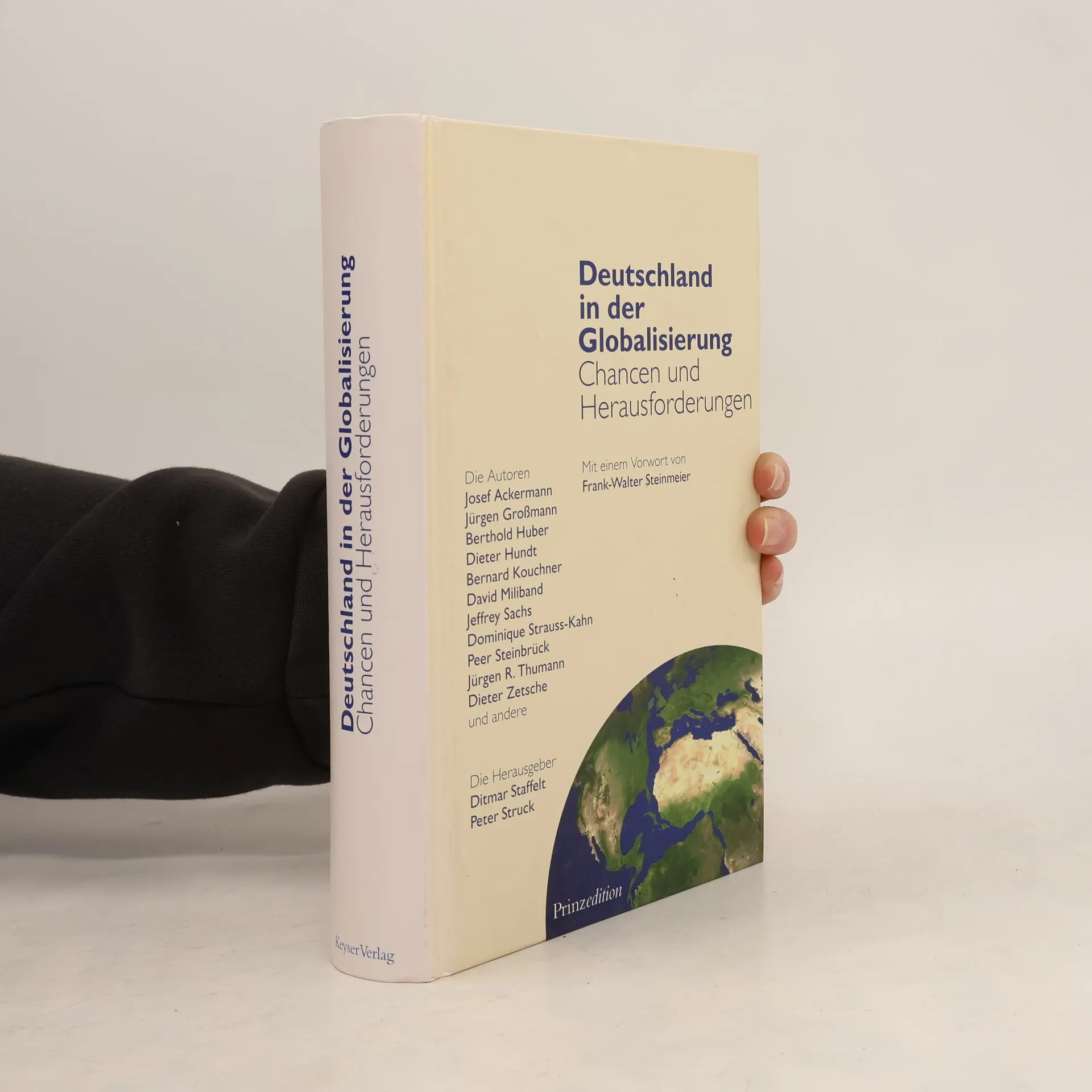
Die Globalisierung verändert Deutschland durch internationale Finanzkrisen, Klimawandel, Welthandel, Terrorismus, Rohstoffkonflikte und den wirtschaftlichen Aufstieg von China und Indien. Diese externen Einflüsse prägen das Leben der Menschen in Deutschland. Die Finanzmarktkrise 2008 verdeutlichte, dass Deutschland eng mit der globalen Gemeinschaft verknüpft ist und nationale Regelungen oft nicht ausreichen. Um die globalen Herausforderungen zu bewältigen, sind internationale Lösungen erforderlich. Deutschland sollte eine führende Rolle einnehmen und die Stärkung internationaler Organisationen vorantreiben. Ziel muss es sein, globale Regeln zu etablieren und einen starken Multilateralismus zu fördern. Dies bietet Deutschland die Chance, im multilateralen Kontext zukunftsweisende Entscheidungen zu treffen. Das Buch behandelt die aktuellen Fragen der globalen Vernetzung und bietet verschiedene Perspektiven auf mögliche Antworten. Dabei wird stets die gestaltende Rolle Deutschlands in der Globalisierung hervorgehoben. Es versammelt bedeutende deutsche und internationale Autoren aus Politik, Wissenschaft, Wirtschaft und Zivilgesellschaft, die ihre Einsichten und Analysen zu den Herausforderungen und Chancen der Globalisierung teilen.
Understanding Shock Therapy
- 44 Seiten
- 2 Lesestunden
The Transition in Eastern Europe, Volume 1
- 280 Seiten
- 10 Lesestunden
This volume provides a country-by-country analysis of various reform experiences, including historical backgrounds and discussions of policies and results to date. The countries analyzed are: Poland; Czechoslovakia; Hungary; Eastern Germany; Slovenia; and Russia.
To Move The World
- 349 Seiten
- 13 Lesestunden
The New York Times bestselling author of The Price of Civilization, Common Wealth and The End of Poverty offers up an inspiring look at an underappreciated and still-relevant piece of JFK's legacy--his campaign in his final months in office for world peace.
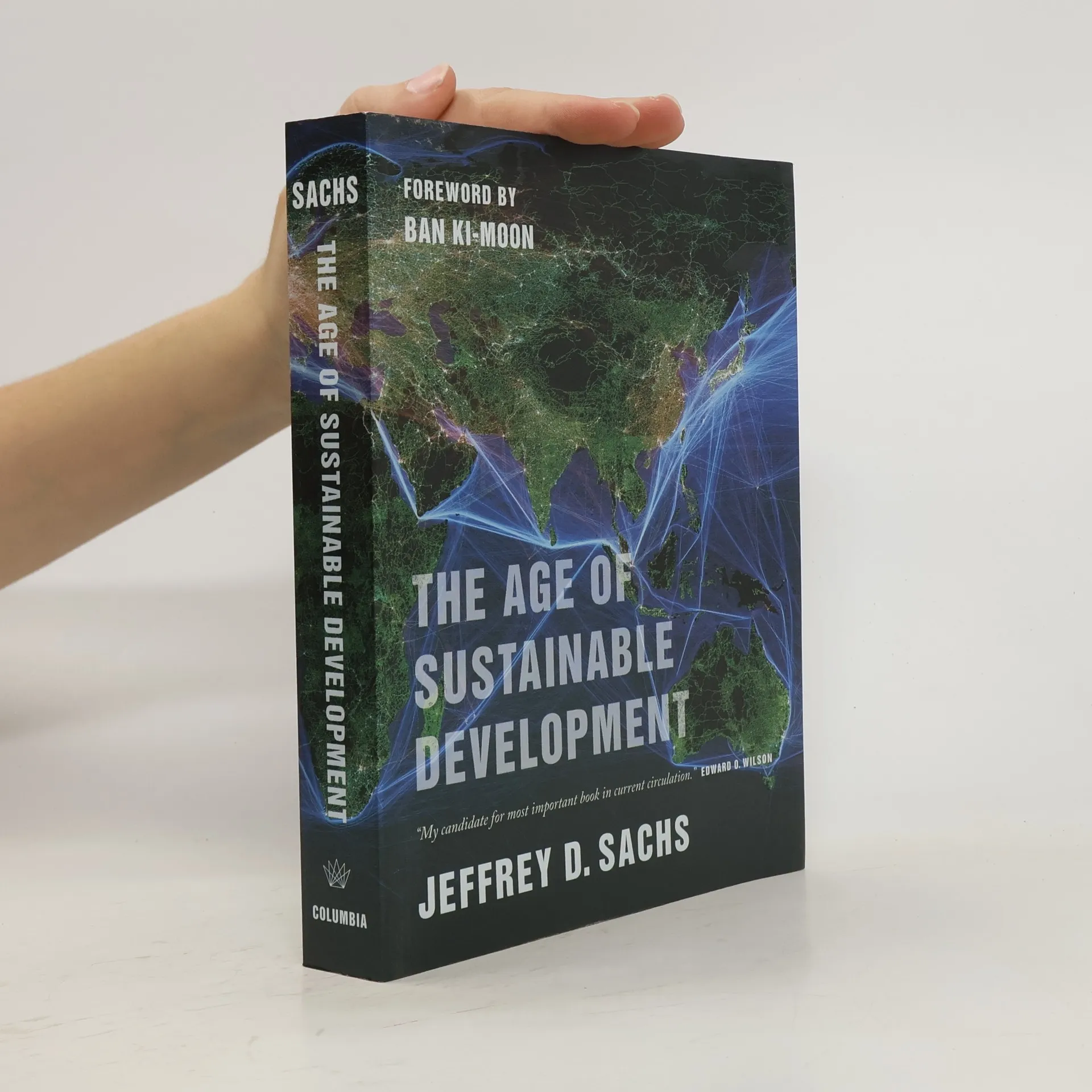
Jeffrey D. Sachs has shown himself to be one of the worldÕs most perceptive and original analysts of global development in his groundbreaking books, including The End of Poverty and Common Wealth: Economics for a Crowded Planet. Now, in this major new work he presents a compelling and practical framework for how global citizens can address the seemingly intractable worldwide problems of persistent extreme poverty, environmental degradation, and political-economic injustice. Sachs outlines the holistic way forward: sustainable development. This provocative work offers readers, students, activists, environmentalists, and policy makers the tools, metrics, and practical pathways they need to achieve Sustainable Development Goals. Far more than a rhetorical exercise, this book is designed to inform, inspire, and spur action. Based on SachsÕs twelve years as director of the Earth Institute at Columbia University, his thirteen years advising the United Nations secretary-general on the Millennium Development Goals, and his recent presentation of these ideas in a popular online course, The Age of Sustainable Development is a landmark publication and a clarion call for all who care about our planet and global justice.
Jimmy Stewart Is Dead
Ending the World's Ongoing Financial Plague with Limited Purpose Banking
- 272 Seiten
- 10 Lesestunden
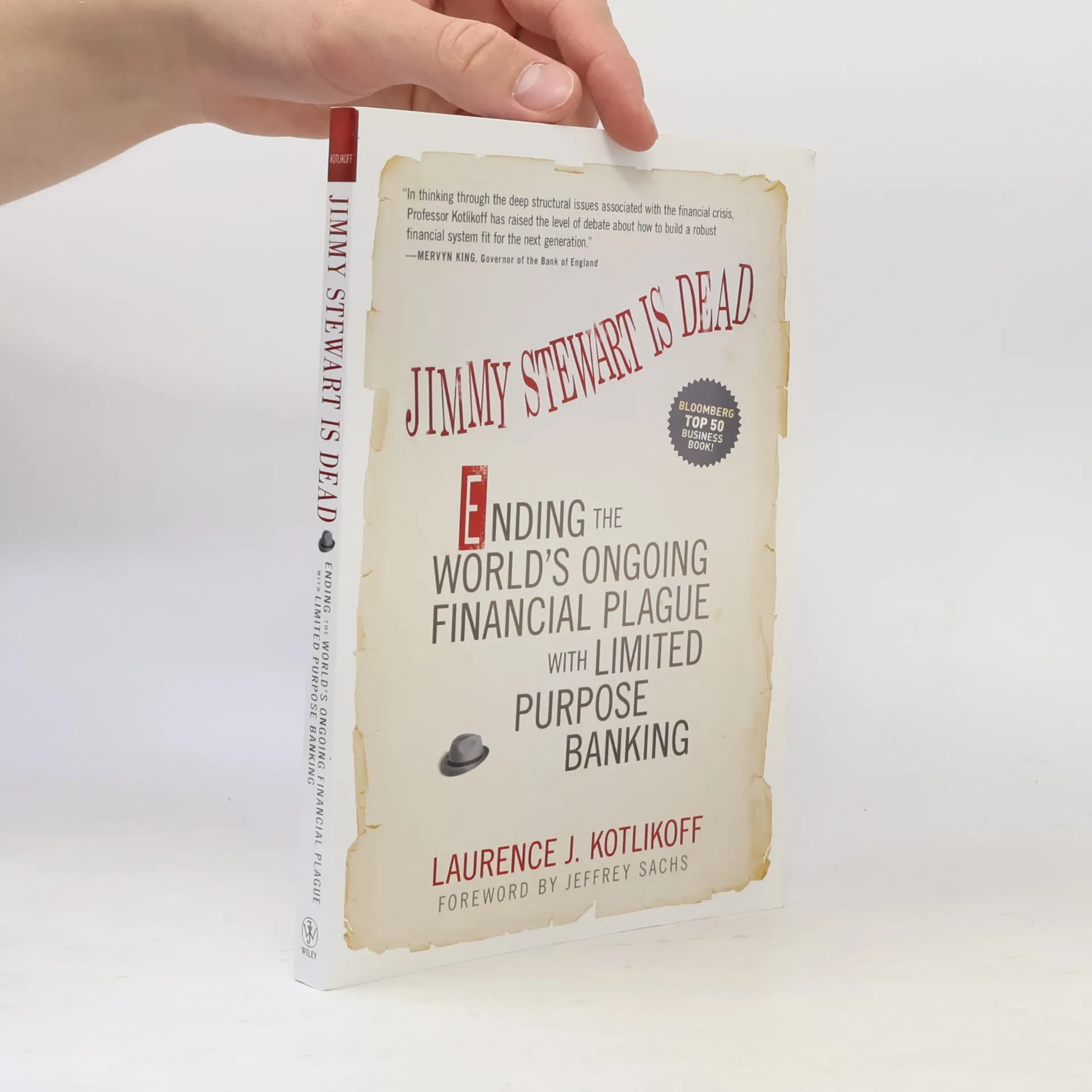
Discover how the global financial plague is poised to return, and what can be done to stop it This is not your father's financial system. Jimmy Stewart, the trustworthy, honest banker in the movie, It's a Wonderful Life, is dead. And so is his small-town bank, Bailey Savings & Loan. Instead, we're watching It's a Horrible Mess with Wall Street (aka the Vegas Strip) playing ever larger craps with our economy and our tax dollars. This book, written by one of the world's most respected economist, describes in lively, humorous, simple, but also deadly serious terms the big con underlying the big game?the web of interconnected financial, political, and regulatory malfeasance that culminated in financial meltdown and brought us to our economic knees. But it also proposes an amazingly simply solution?Limited Purpose Banking to make Wall Street safe for Main Street. This book, as well as the financial fix described within it, have received rave reviews from a veritable who's who of policymakers and economics, plus five economics Nobel Laureates Written by a leading economist whose insights on this topic are unparalleled Outlines the first and only proposal to fundamentally fix our financial disaster for good Jimmy Stewart Is Dead will fundamentally change the way you think about the economy, financial markets, and the government.
Building the New American Economy
- 152 Seiten
- 6 Lesestunden
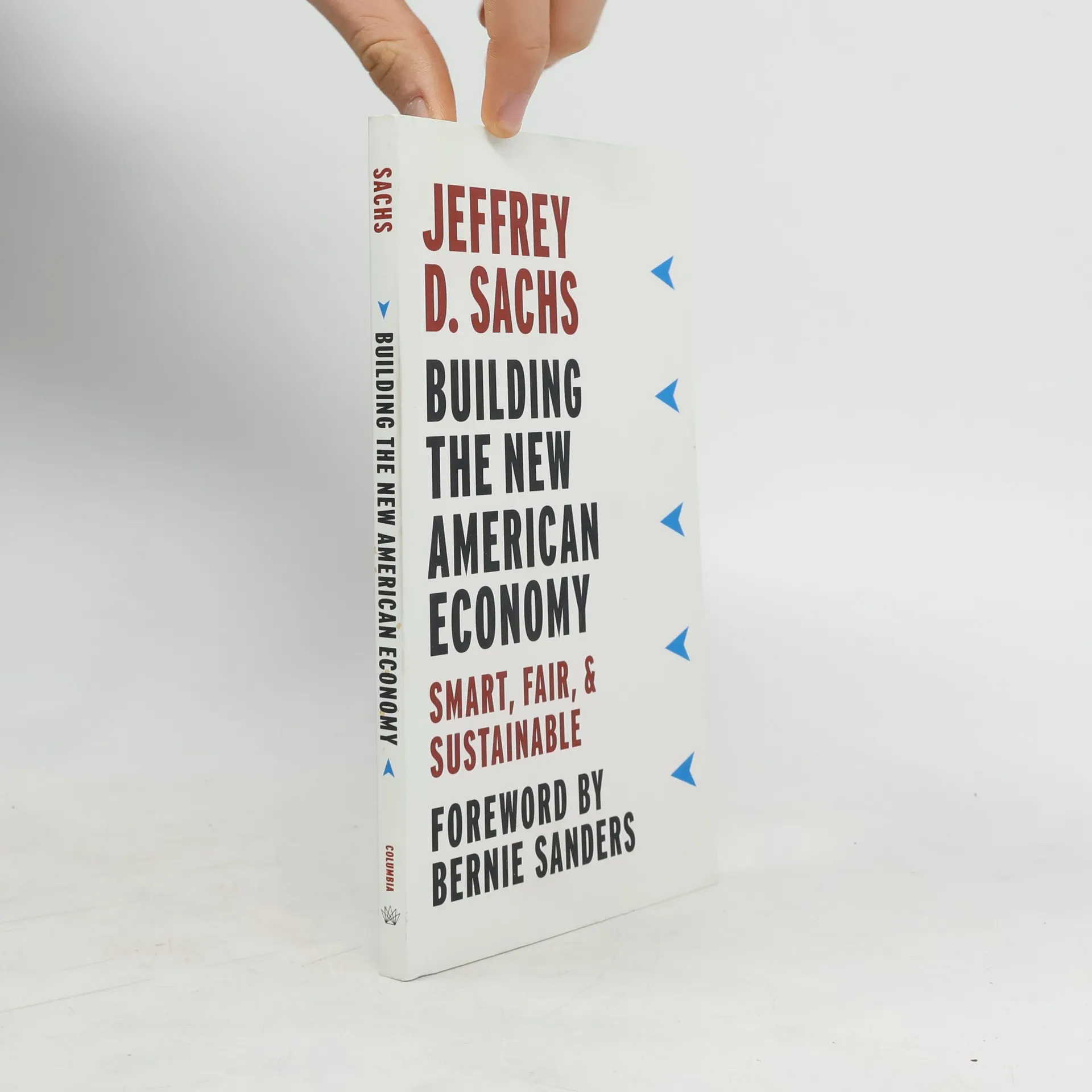
My father famously declared that GDP measures neither our wit nor our courage, neither our wisdom nor our learning, neither our compassion nor our devotion to our country; it measures everything in short, except that which makes life worthwhile. Jeffrey Sachs presents an economic vision beyond GDP, one that is based on compassion and sustainability, and that aligns with the globally agreed Sustainable Development Goals. This is a roadmap for America's future economic strategy. Kerry Kennedy, president of the Robert F. Kennedy Center for Justice and Human Rights
The Price of Civilization (Turtleback School & Library Binding Edition)
- 352 Seiten
- 13 Lesestunden
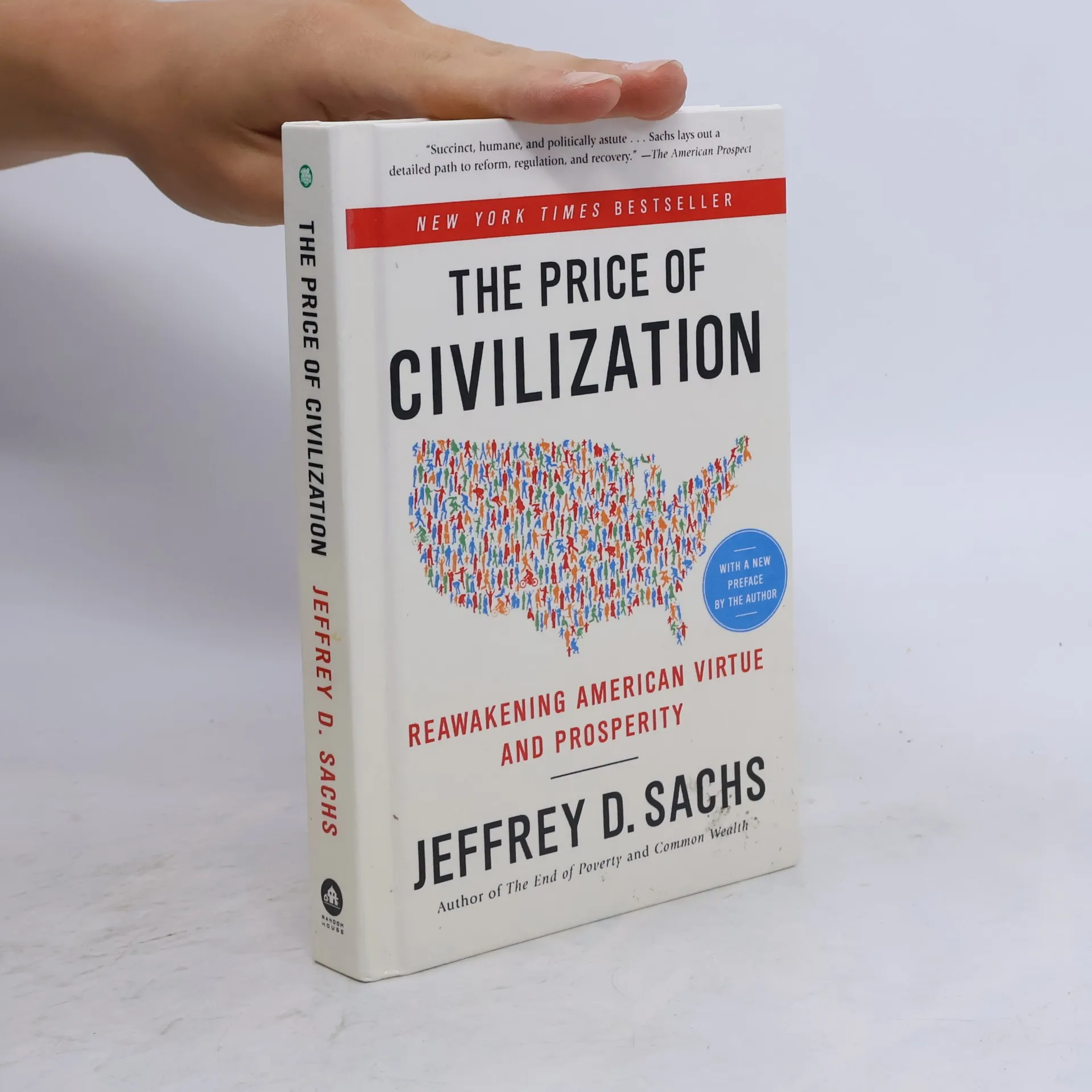
For use in schools and libraries only. Offers a diagnosis of the country's economic ills and argues that Americans can restore the virtues of fairness, honesty, and foresight as the foundations of national prosperity.
The American Century, spanning from 1941 to January 20, 2017, saw the United States as a military and economic powerhouse. However, it no longer holds the same dominance in the world economy or geopolitics. The current trend toward nationalism and “America first” foreign policy does not promise greatness; rather, it signifies a retreat from our responsibilities amid pressing global challenges such as environmental crises, political instability, and mass migration. In this incisive work, Jeffrey D. Sachs outlines a new foreign policy that prioritizes global cooperation, international law, and the pursuit of worldwide prosperity over nationalism and nostalgic aspirations. He advocates for a shift from relying on military power and engaging in unwinnable wars to focusing on shared goals of sustainable development. The book critiques the “America first” mentality while presenting a vision for a new path forward. Sachs proposes actionable strategies to enhance global economic growth, reform the United Nations for contemporary needs, and cultivate a multipolar world that is equitable, peaceful, and resilient. This compelling argument emphasizes the need for America to embrace international collaboration to address global challenges effectively.
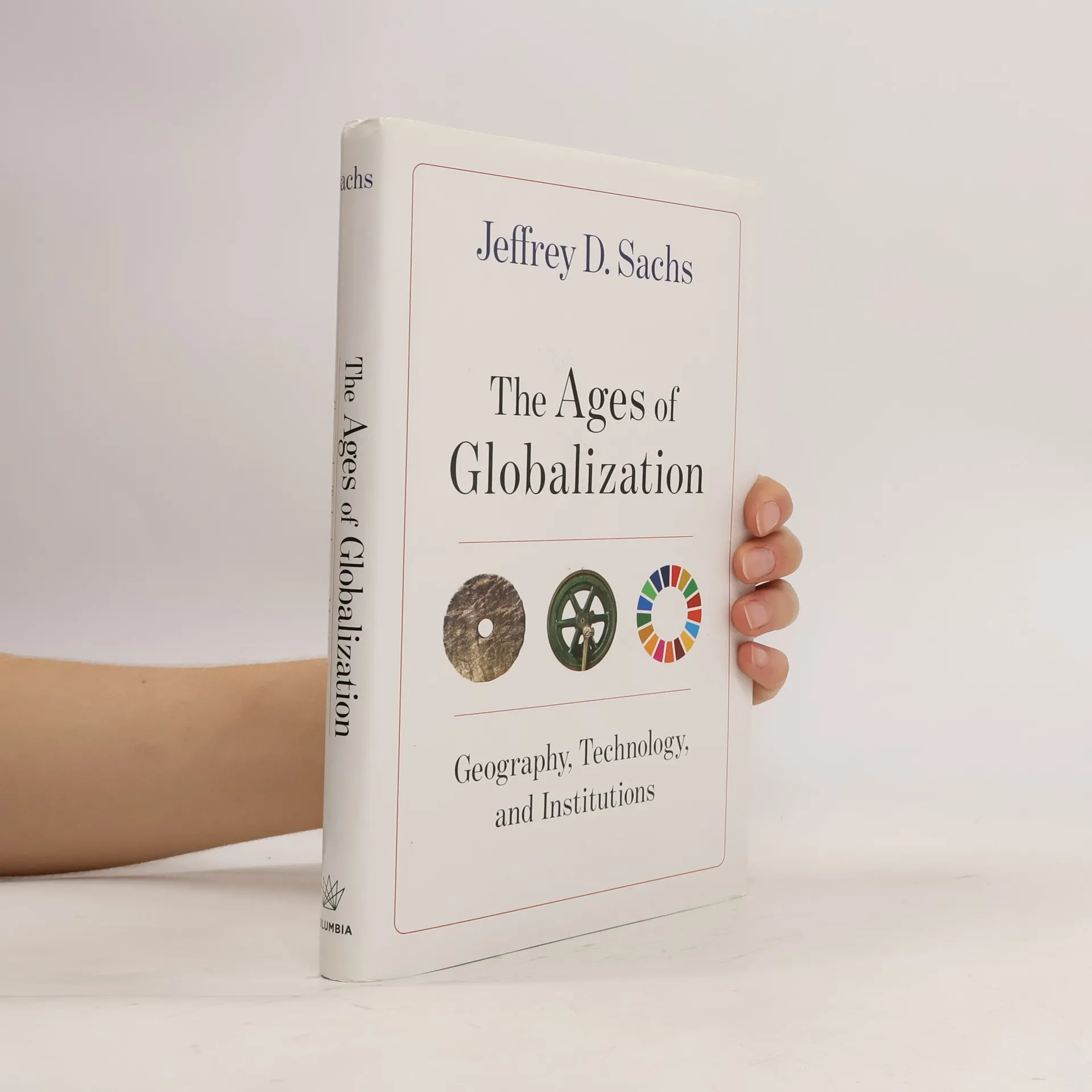
The Ages of Globalization
- 280 Seiten
- 10 Lesestunden
Jeffrey D. Sachs turns to world history to shed light on how we can meet the challenges and opportunities of the twenty-first century. He takes readers through a series of six distinct waves of technological and ideological change, starting with the very beginnings of our species and ending with reflections on present-day globalization.
The Sustainable Development Report 2021 features the SDG Index and Dashboards, the first and widely used tool to assess country performance on the UN Agenda 2030 and the Sustainable Development Goals. It contains insights on sustainable development and the impact of COVID-19 on the SDGs. This title is available as Open Access on Cambridge Core.
Globalization and patterns of economic development
- 22 Seiten
- 1 Lesestunde
Discusses the restructuring of state enterprises and the development of private businesses, and examines the progress made by Poland
The Global Information Technology Report 2001-2002
Readiness for the Networked World
- 385 Seiten
- 14 Lesestunden
Very little has been published on the global experience with information technology, particularly in a context that encompasses both developed and developing countries. While there has been much discussion about IT's potential to transform economic development, rigorous analysis documenting the global situation is lacking. This report aims to explore IT usage in the developing world, identify barriers to IT adoption, and derive lessons that can inform policies to bridge the international digital divide. The report offers a comprehensive analysis of IT diffusion and use across 70 countries, featuring three main components: a series of country rankings based on various IT readiness criteria, essays by experts addressing key IT issues relevant to the developing world, and country profiles that detail the IT landscape and trends in each nation. The methodology is ambitious, relying on data collected through surveys of global business leaders. The depth and breadth of the issues covered make this report a unique and valuable resource for understanding how to extend the benefits of IT to developing countries.
빈곤의 종말. Bingon-ui jongmal
- 575 Seiten
- 21 Lesestunden