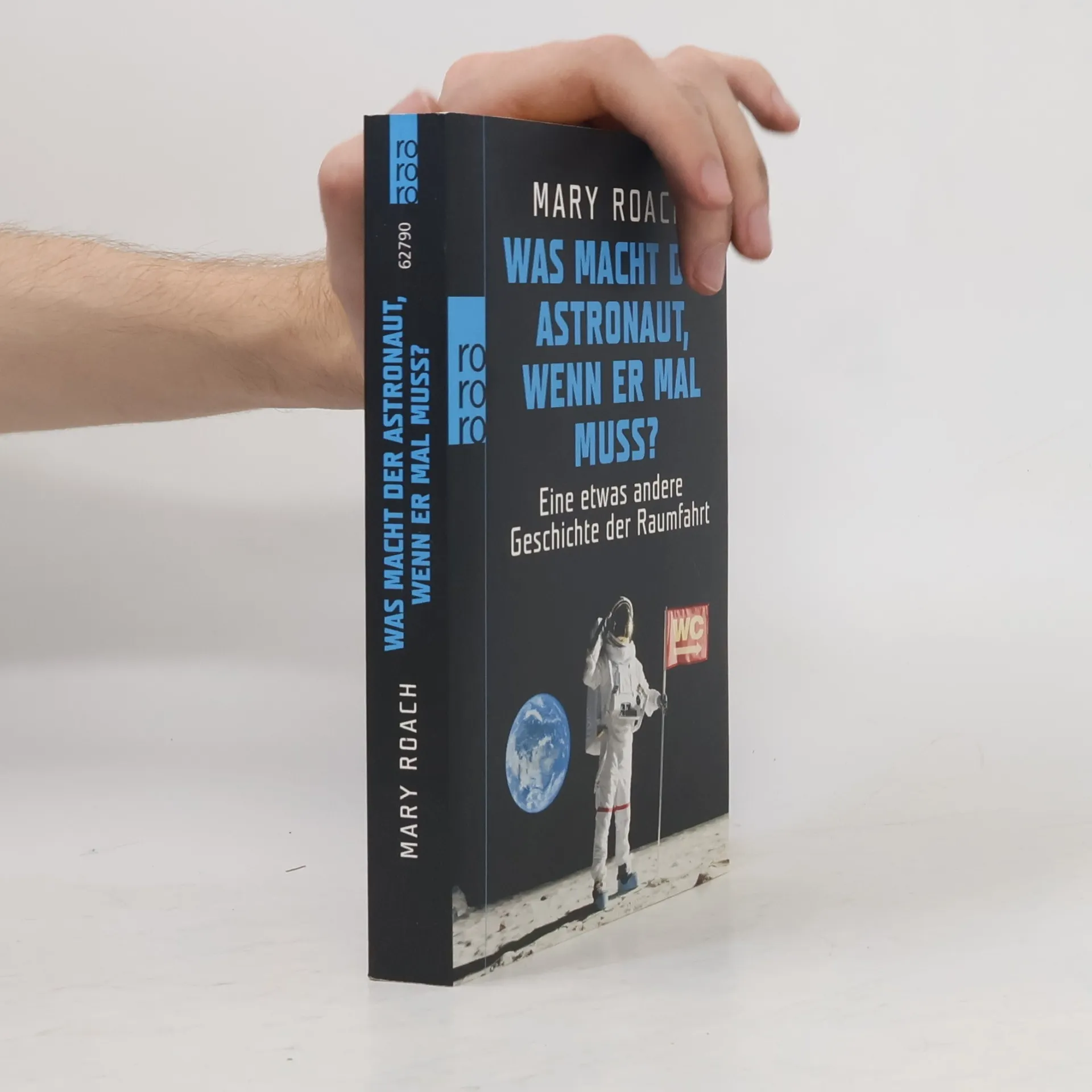
Mary Roach beleuchtet in „Houston, wir haben einen Pilz!“ das Leben von Astronauten in der Schwerelosigkeit. Sie behandelt Themen wie Enge, Ernährung, Hygiene und Privatsphäre im All und wirft einen humorvollen Blick auf die menschlichen Erfahrungen in der Raumfahrt. Ein faszinierendes und menschliches Porträt.
Mary Roach Bücher
20. März 1959
Mary Roach ist eine Autorin, die mit faszinierendem Einblick in weniger erforschte Bereiche der Wissenschaft eintaucht. Mit einem einzigartigen Gespür für Humor und Zugänglichkeit erweckt sie komplexe Themen zum Leben, von der Anatomie bis zur Raumfahrt. Ihr Schreiben zeichnet sich durch Neugier und die Fähigkeit aus, überraschende und fesselnde Geschichten in Bereichen zu finden, die andere vielleicht als tabu betrachten würden. Leser können unerwartete Verbindungen entdecken und ein tieferes Verständnis der Welt um sie herum gewinnen.


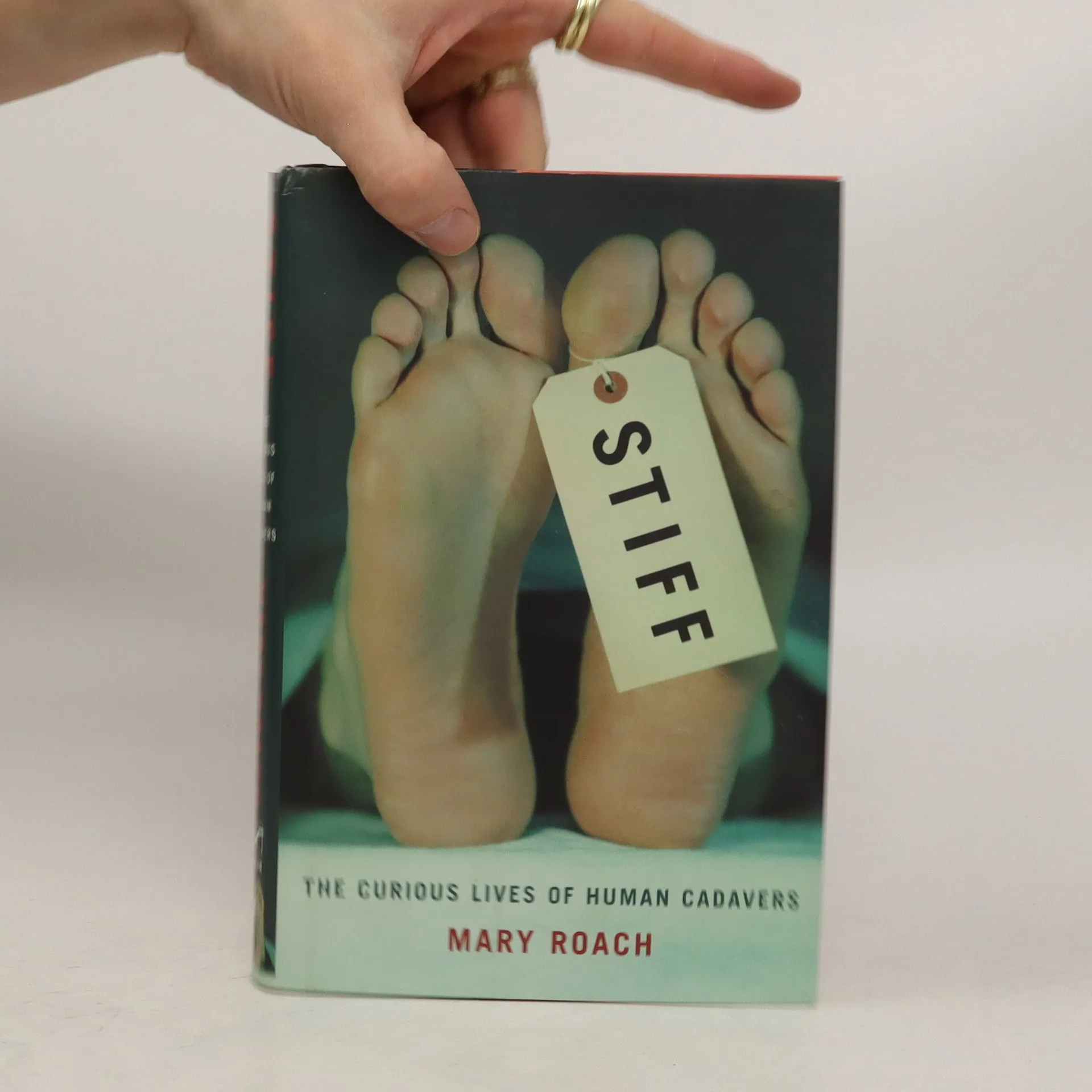
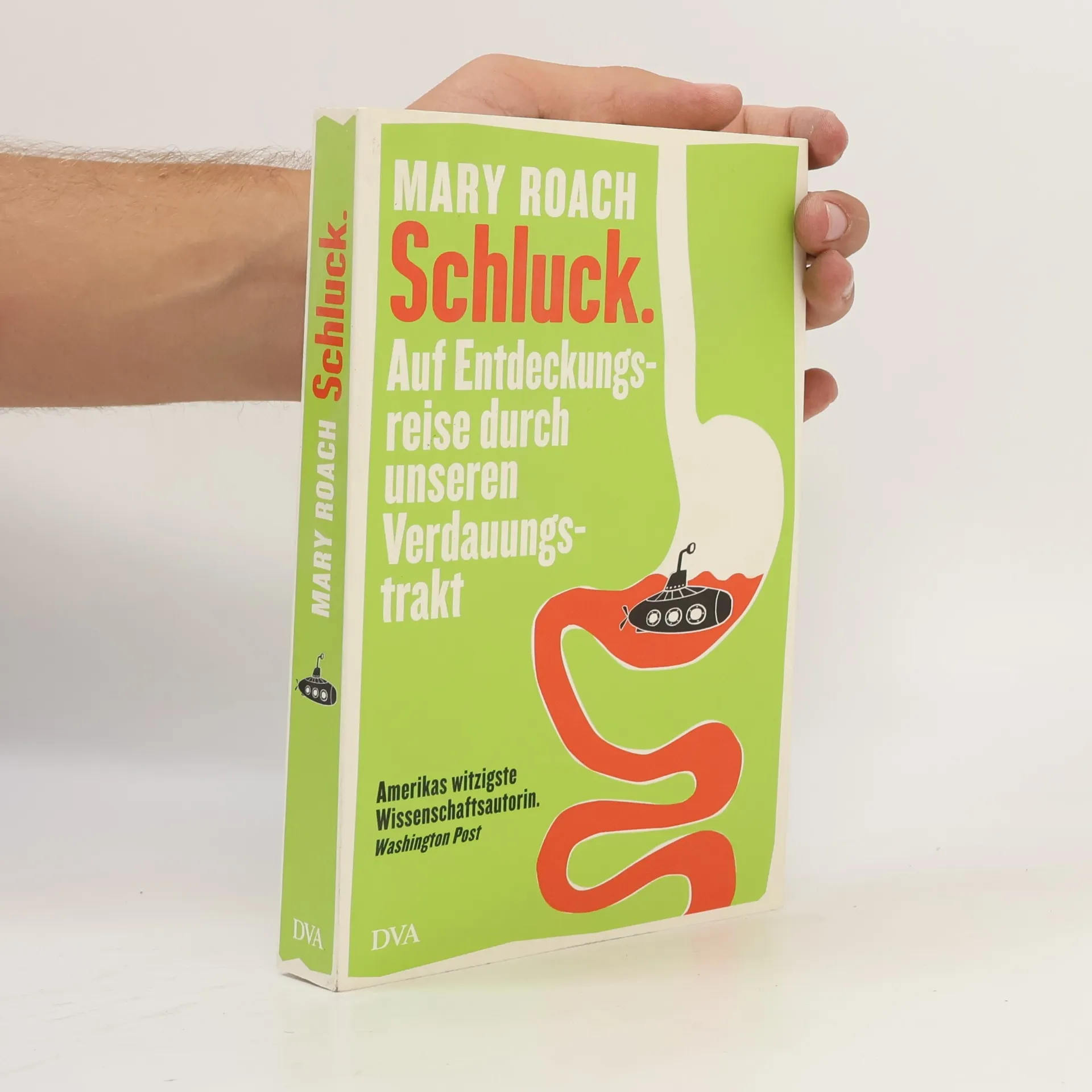

Die fabelhafte Welt der Leichen
- 349 Seiten
- 13 Lesestunden
Auf die ihnen eigene diskrete Weise leisten Leichen seit Jahrhunderten einen wichtigen Beitrag zu Forschung und Wissenschaft. Sie helfen dabei. Autos sicherer zu machen und stellen sich als Anschauungsobjekte für angehende Ärzte zur Verfügung. Sie geben Gerichtsmedizinern und Kriminalbeamten wichtige Hinweise. Ohne sie wären zahllose Morde und Verbrechen nie aufgeklärt worden. Die Wissenschaftsjournalisten Mary Roach recherchierte in der wunderbaren Welt der Leichen: hier berichtet sie aus Anatomiesälen, Laboratorien und Krematorien über das abwechslungsreiche Leben nach dem Tod.
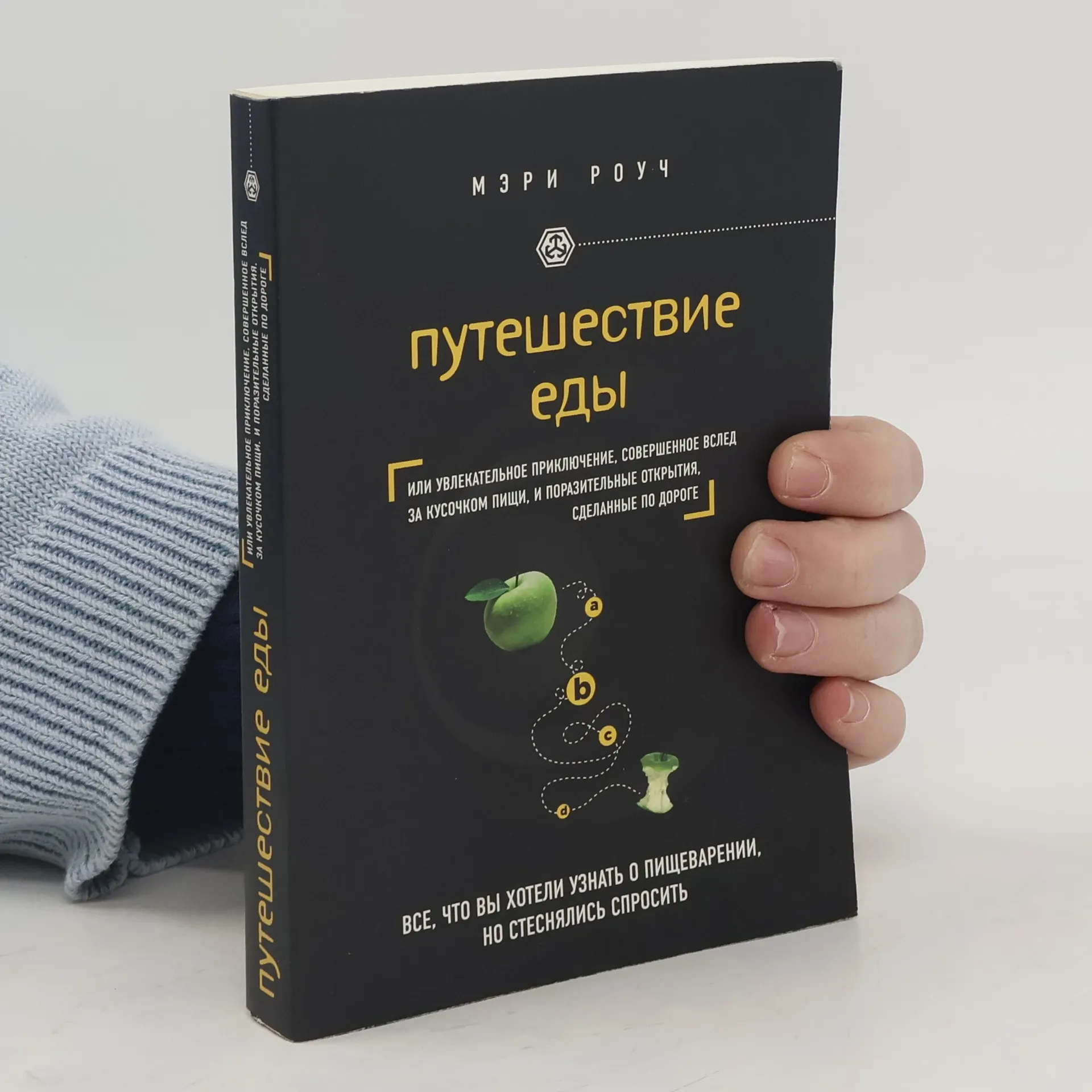
Neues von der Meisterin der komischen NaturwissenschaftenWir riechen und schlürfen, schmecken, kauen, schlucken. Und dann? Was passiert mit Müsli, Steak, Salat und Cola, wenn sie im Schlund verschwunden sind? Mary Roach, die Spezialistin für das ungewöhnliche in den Naturwissenschaften, nimmt uns mit auf eine höchst unterhaltsame Reise durch den Verdauungsapparat – vom Mund bis zum After –, die keine Frage auslässt: Warum mögen wir so gern Knuspriges? Warum verdaut der Magen sich nicht selbst? Wie viel kann man essen, bevor der Magen platzt? Kann uns eine Verstopfung umbringen? (Und ist Elvis Presley vielleicht daran gestorben?) Mary Roach trifft Wissenschaftler, die sich furchtlos mit eher anrüchigen Themen befassen, besucht ein Tierfuttertestlabor, schaut dem Magen bei der Arbeit zu und untersucht den Darm als potentielles Versteck. Urkomisch und informativ.
An oddly compelling, often hilarious forensic exploration of the strange lives of our bodies postmortem.
Packing for Mars
- 293 Seiten
- 11 Lesestunden
Space is devoid of the stuff humans need to live: air, gravity, hot showers, fresh veg, privacy, beer. How much can a person give up? What happens when you can't walk for a year? Is sex any fun in zero gravity? As Mary Roach discovers, it's possible to explore space without ever leaving Earth. From the space shuttle training toilet to a 17,000-mile-per-hour crash test of NASA's space capsule, she takes us on a surreally entertaining trip into the science of living in space.
Grunt
- 288 Seiten
- 11 Lesestunden
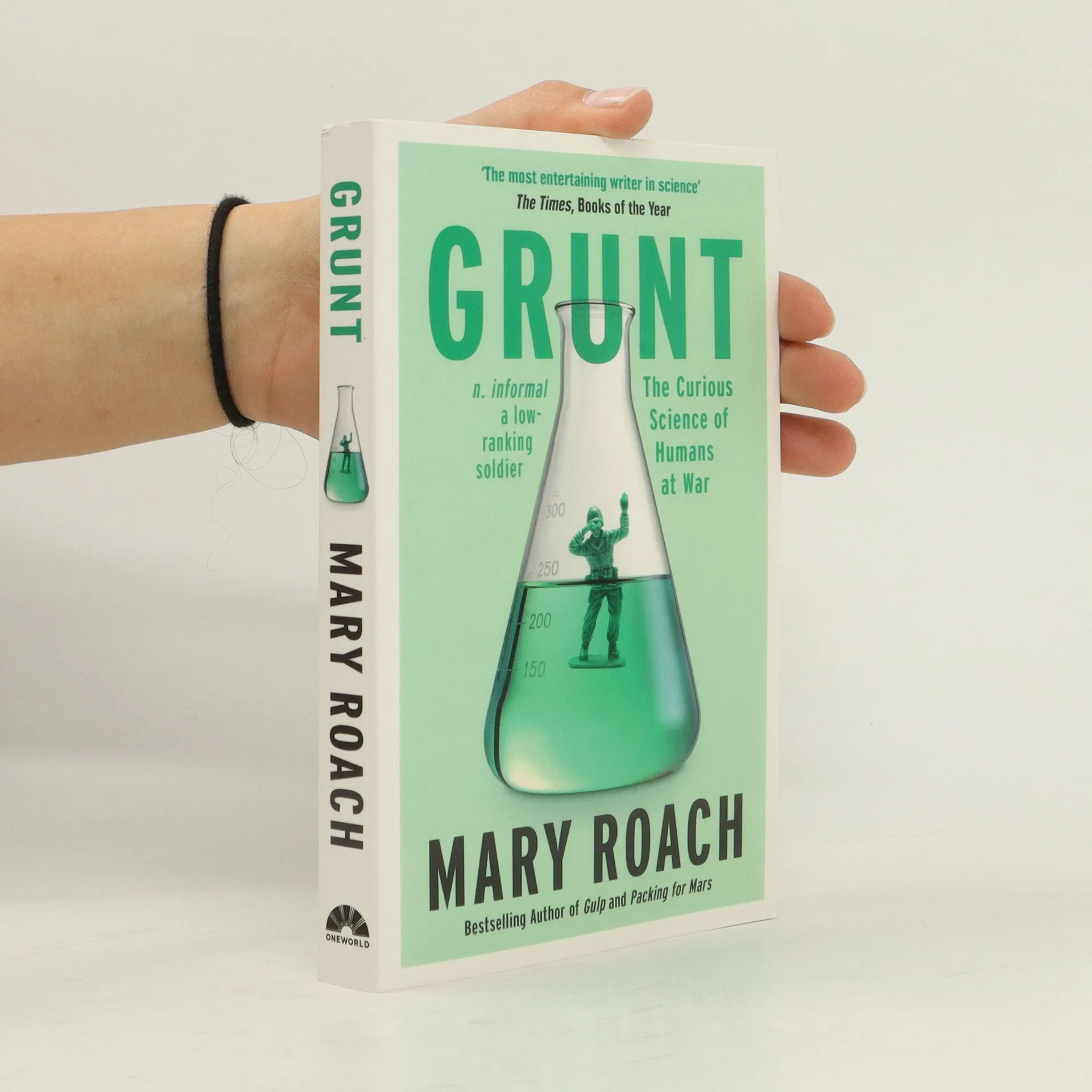
Mention it and most of us think of history, of conflicts on foreign soil, of heroism and compromise, of strategy and weapons. But there's a whole other side to the gruesome business of the battlefield. In Grunt, the inimitable Mary Roach explores the science of keeping human beings intact, awake, sane, uninfected and uninfested in the bizarre and extreme circumstances of war.Setting about her task with infectious enthusiasm, she sniffs World War II stink bombs, tests earplugs in a simulated war zone and burns the midnight oil with the crew of a nuclear submarine. Speaking to the scientists and the soldiers, she learns about everything from life-changing medical procedures to innovations as esoteric as firing dead chickens at fighter jets. Engrossing, insightful and laugh-out-loud funny, this is an irresistible ride to the wilder shores of modern military life.
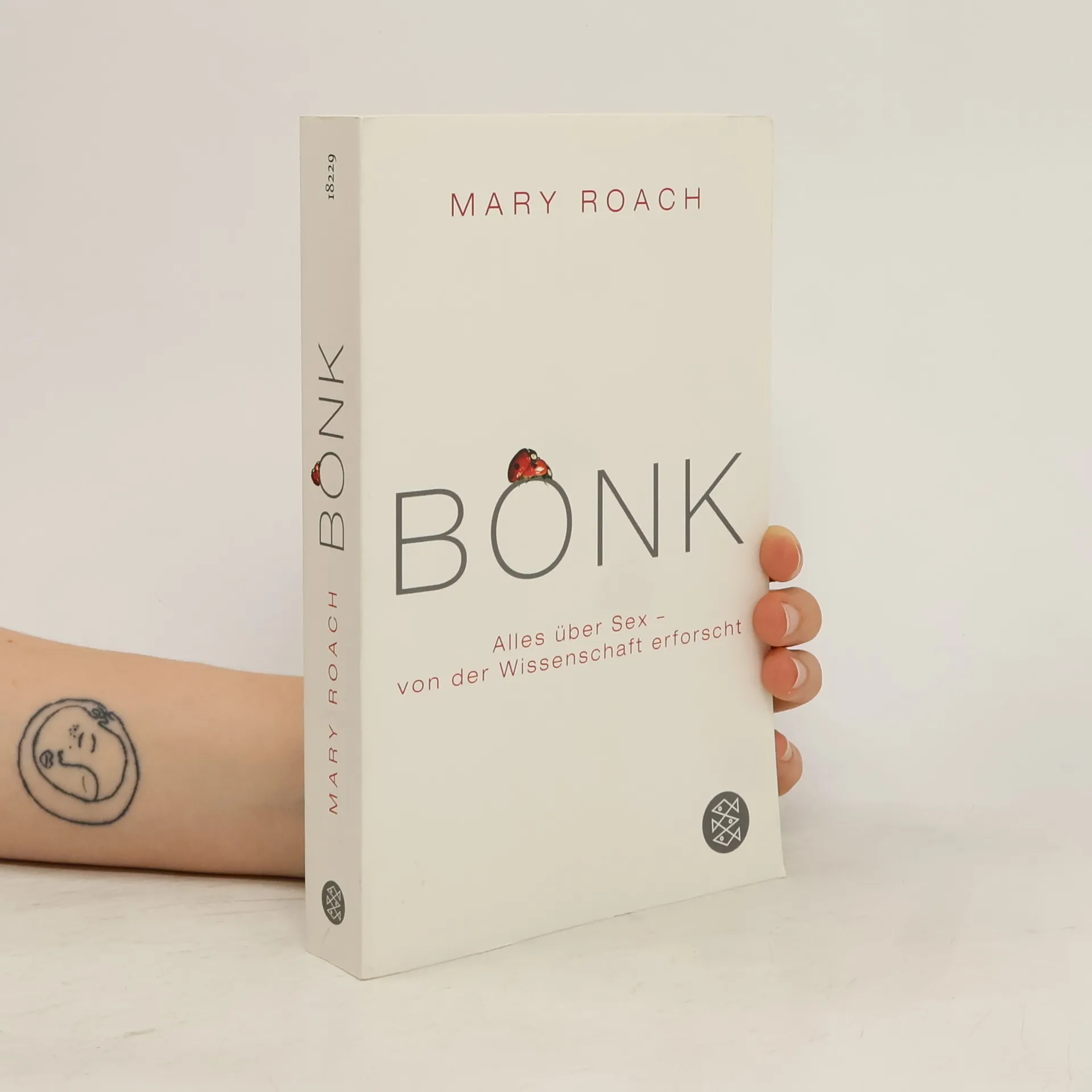
Orgasmusmaschinen, Audio-Stimulation, Vaginalkameras oder Gruppenonanie – vor keiner noch so erstaunlichen Versuchsreihe hat die Forschung halt gemacht, um unsere Sexualität zu erforschen. 'Bonk' erklärt, was Sexualforschung überhaupt ist, wie sie ihren Anfang genommen hat und zu welch bemerkenswerten Erkenntnissen sie geführt hat.
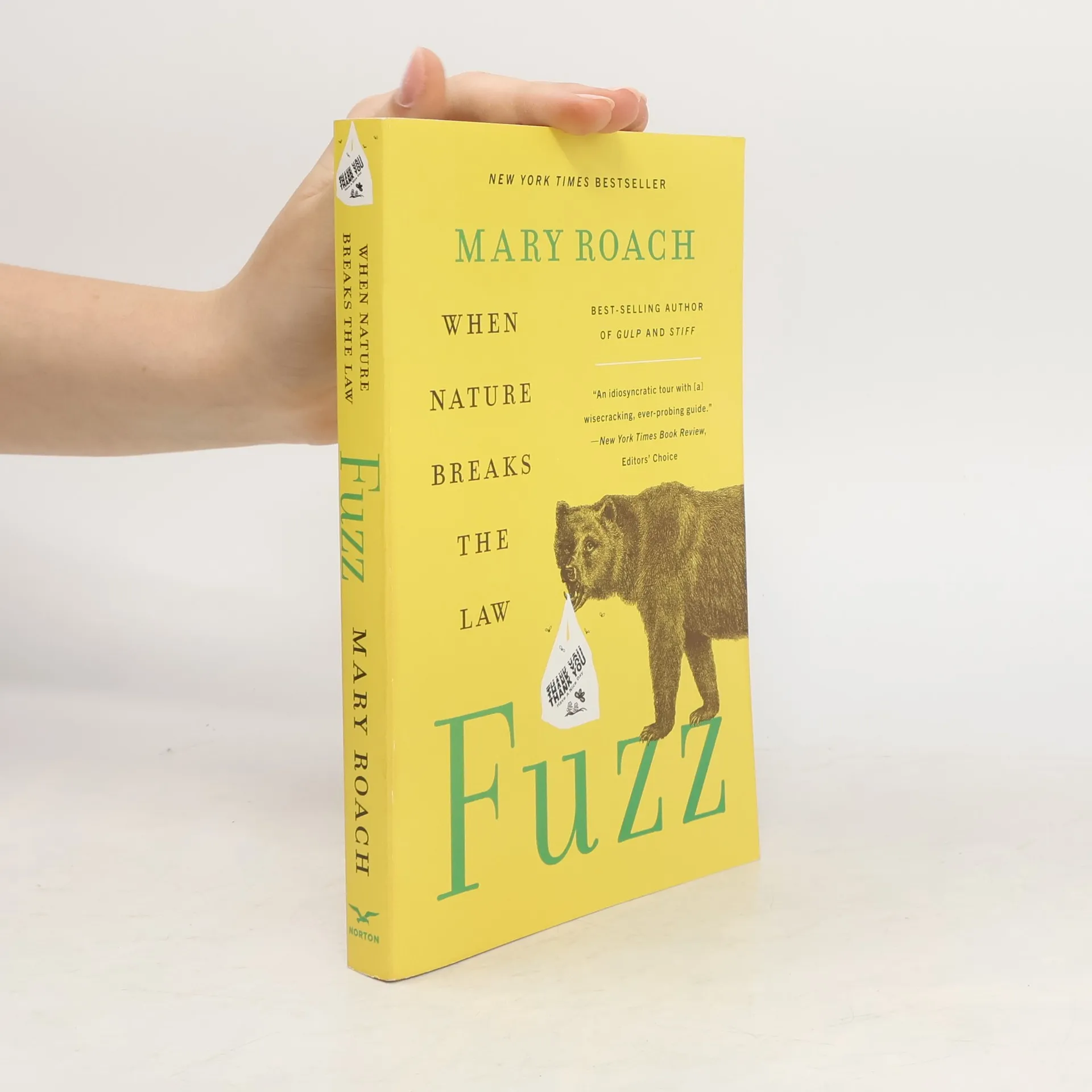
Fuzz. When Nature Breaks the Law
- 320 Seiten
- 12 Lesestunden
What’s to be done about a jaywalking moose? A bear caught breaking and entering? A murderous tree? Three hundred years ago, animals that broke the law would be assigned legal representation and put on trial. These days, as New York Times best-selling author Mary Roach discovers, the answers are best found not in jurisprudence but in science: the curious science of human-wildlife conflict, a discipline at the crossroads of human behavior and wildlife biology. Roach tags along with animal-attack forensics investigators, human-elephant conflict specialists, bear managers, and "danger tree" faller blasters. Intrepid as ever, she travels from leopard-terrorized hamlets in the Indian Himalaya to St. Peter’s Square in the early hours before the pope arrives for Easter Mass, when vandal gulls swoop in to destroy the elaborate floral display. She taste-tests rat bait, learns how to install a vulture effigy, and gets mugged by a macaque. Combining little-known forensic science and conservation genetics with a motley cast of laser scarecrows, langur impersonators, and trespassing squirrels, Roach reveals as much about humanity as about nature’s lawbreakers. When it comes to "problem" wildlife, she finds, humans are more often the problem—and the solution. Fascinating, witty, and humane, Fuzz offers hope for compassionate coexistence in our ever-expanding human habitat.
Roach takes a magnifying glass to everyday life, exposing moments of hilarity in the mundane and revealing amusing musings about marriage, automated customer service, and mazelike bargain stories
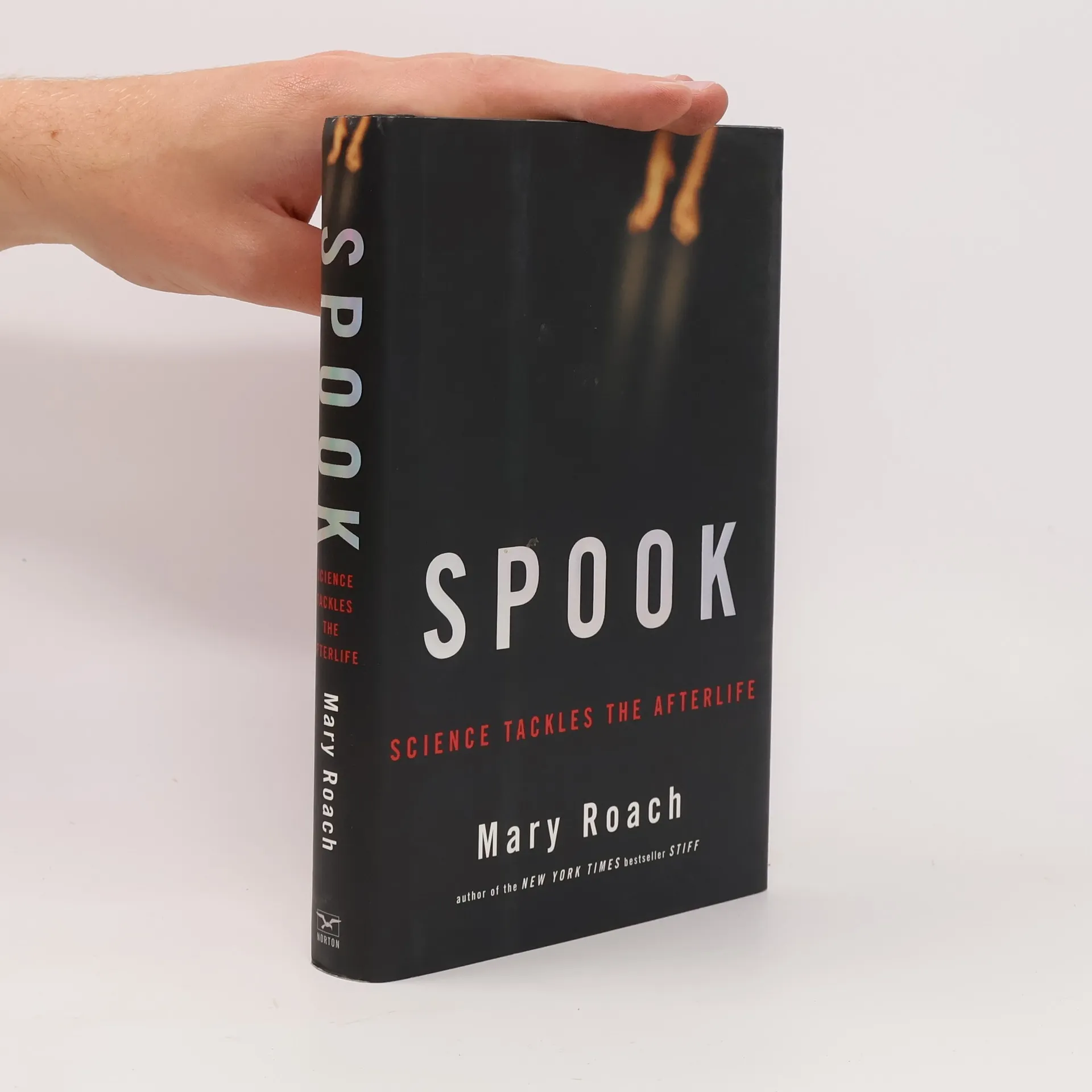
Spook : science tackles the afterlife
- 288 Seiten
- 11 Lesestunden
Draws on the achievements of scientists, engineers, and mediums to consider the feasibility of life after death, from a reincarnation researcher's experimentation with out-of-body experiences to laboratory investigations into ghosts.
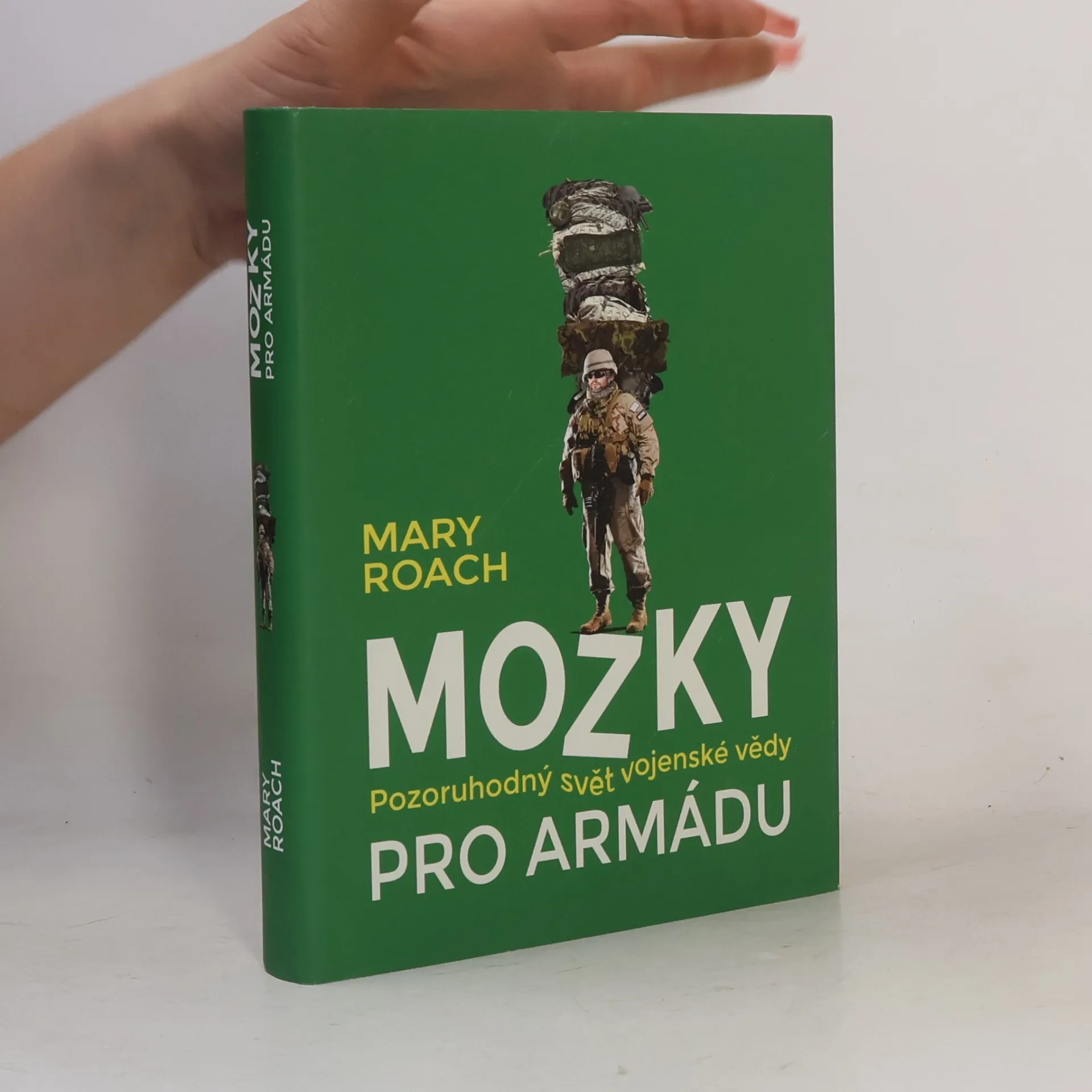
Jak to udělat, aby lidské bytosti i v extrémních podmínkách války zůstaly živé, bdělé, příčetné, zdravé a neprolezlé parazity? Tato pozoruhodná kniha seznamuje čtenáře se světem vojenské vědy a s vědci, kteří bojují proti jedněm z nejúkladnějších nepřátel dnešních vojáků – panice, vyčerpání, vedru nebo třeba hluku. V rámci zkoumání poškození sluchu a jeho vlivu na bojové schopnosti uskakuje autorka nepřátelské palbě po boku paintballového týmu amerických mariňáků. Vypravuje se do módního návrhářského studia armádní výzkumné základny v Naticku, aby se dozvěděla, proč zipy představují pro odstřelovače problém. Navštíví někdejší filmové studio, kde si budoucí medici cvičí ošetřování bojových ranění na hercích s amputovanými končetinami. Odpovídá na otázky, které v žádné jiné knize věnované vojenství nenajdete: Proč se výzkumná agentura DARPA zajímá o kachny? V čem svatební šaty připomínají pyrotechnický oblek? Proč jsou pro námořníky nebezpečnější krevety než žraloci?
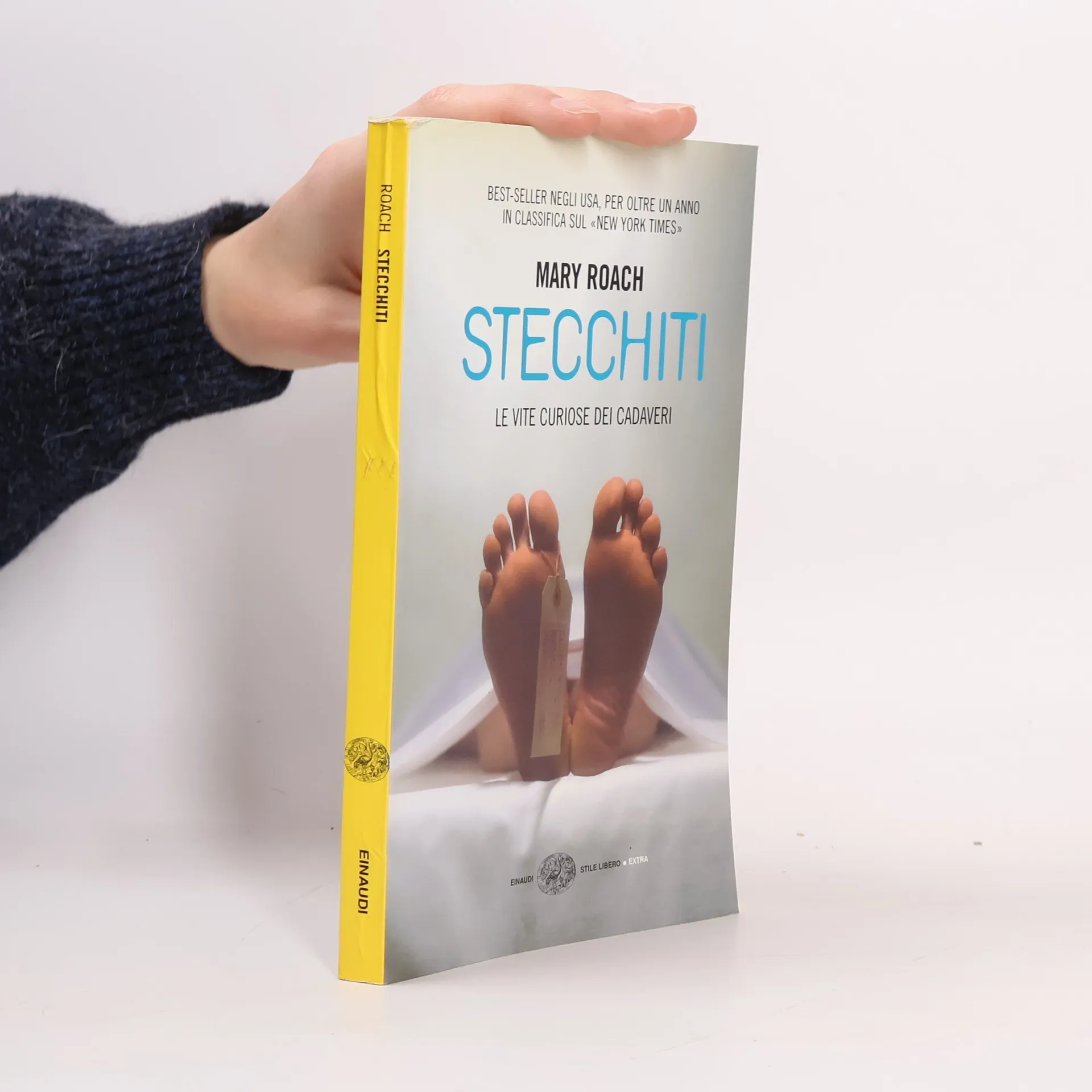
Mai una materia in apparenza così macabra aveva dato origine a un libro così rigoroso, e al tempo stesso divertito, irriverente, perfino comico. Un libro che trasforma uno dei tabù della nostra epoca in un'occasione di riflessione storica e di grande attualità.