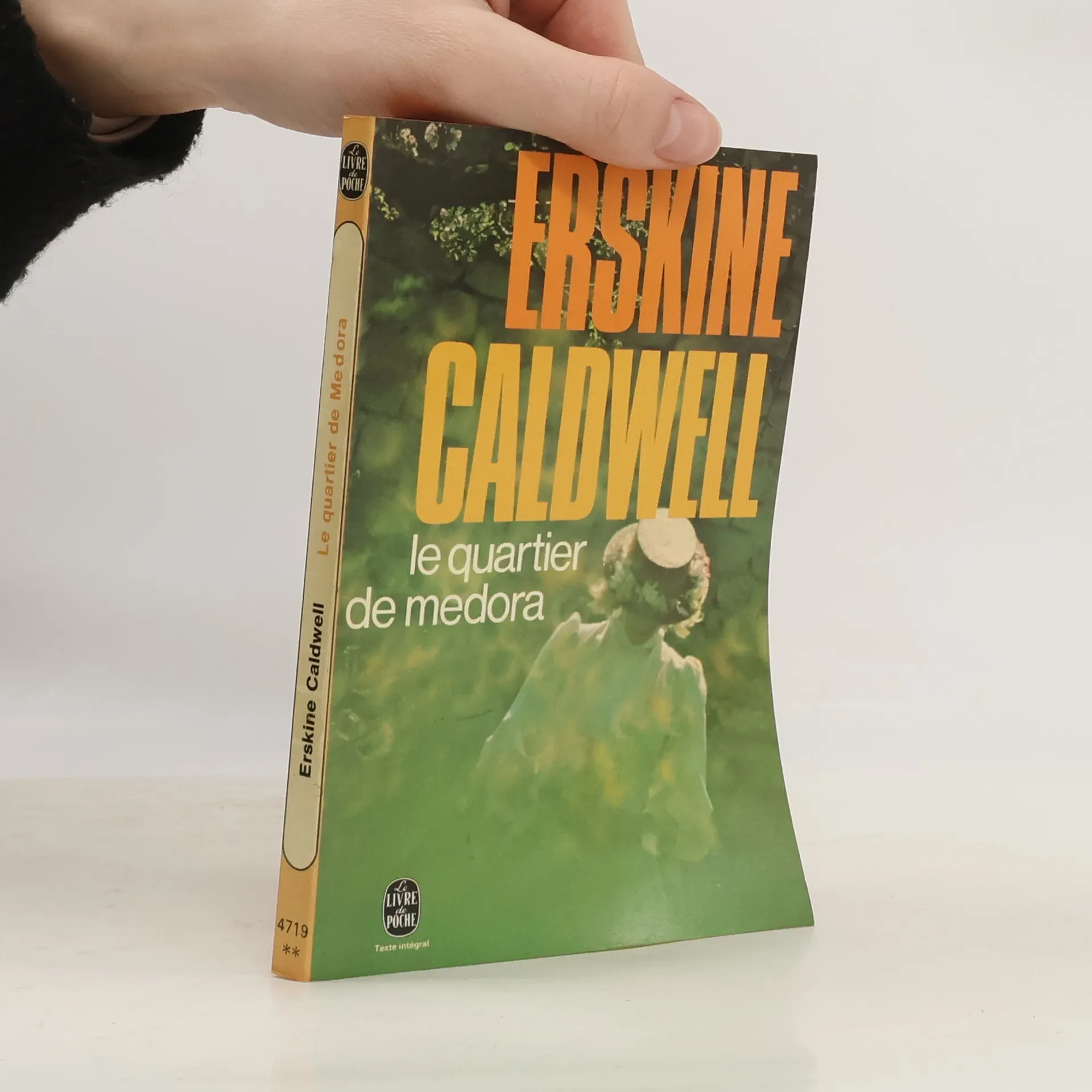
Wo die Mädchen anders waren
- 168 Seiten
- 6 Lesestunden


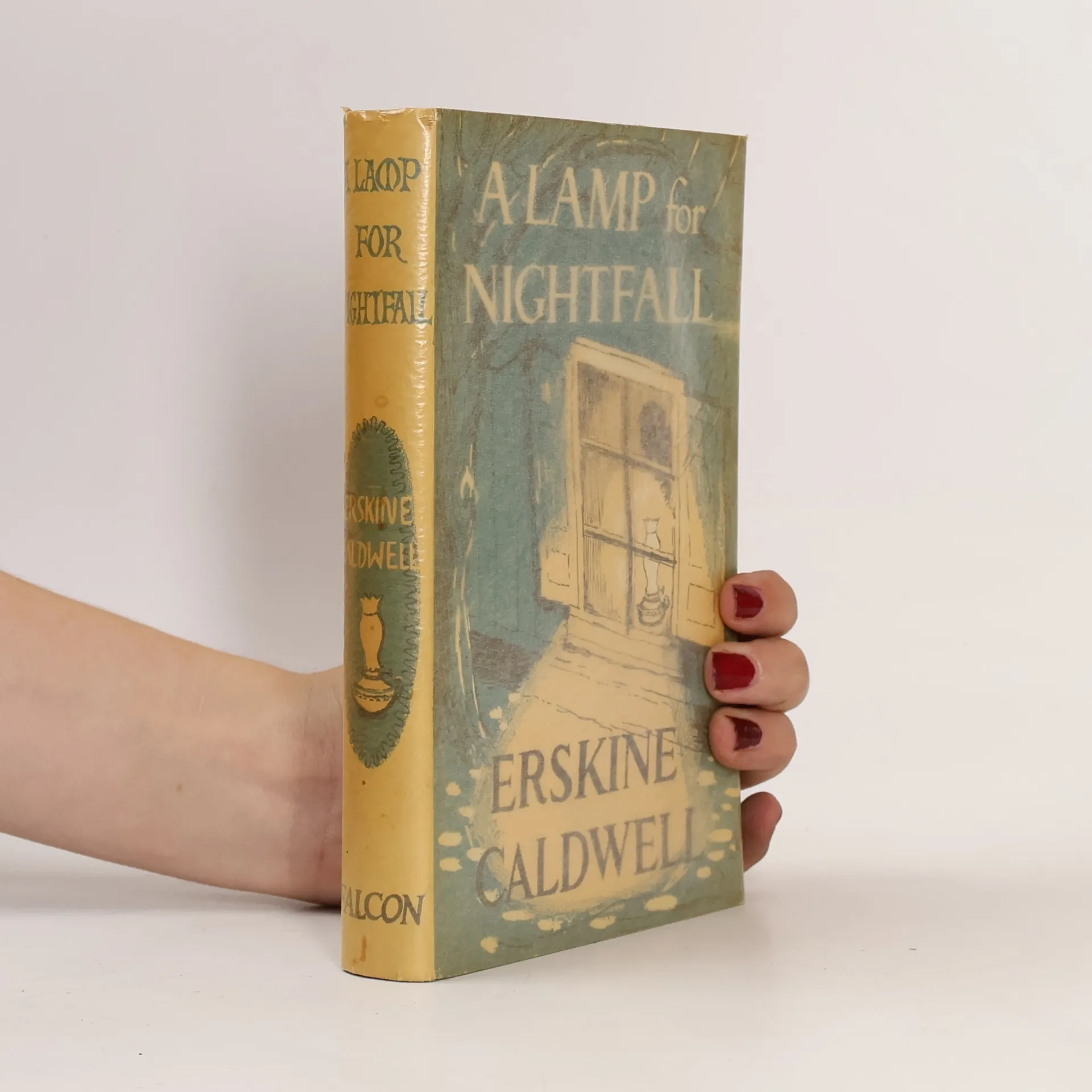
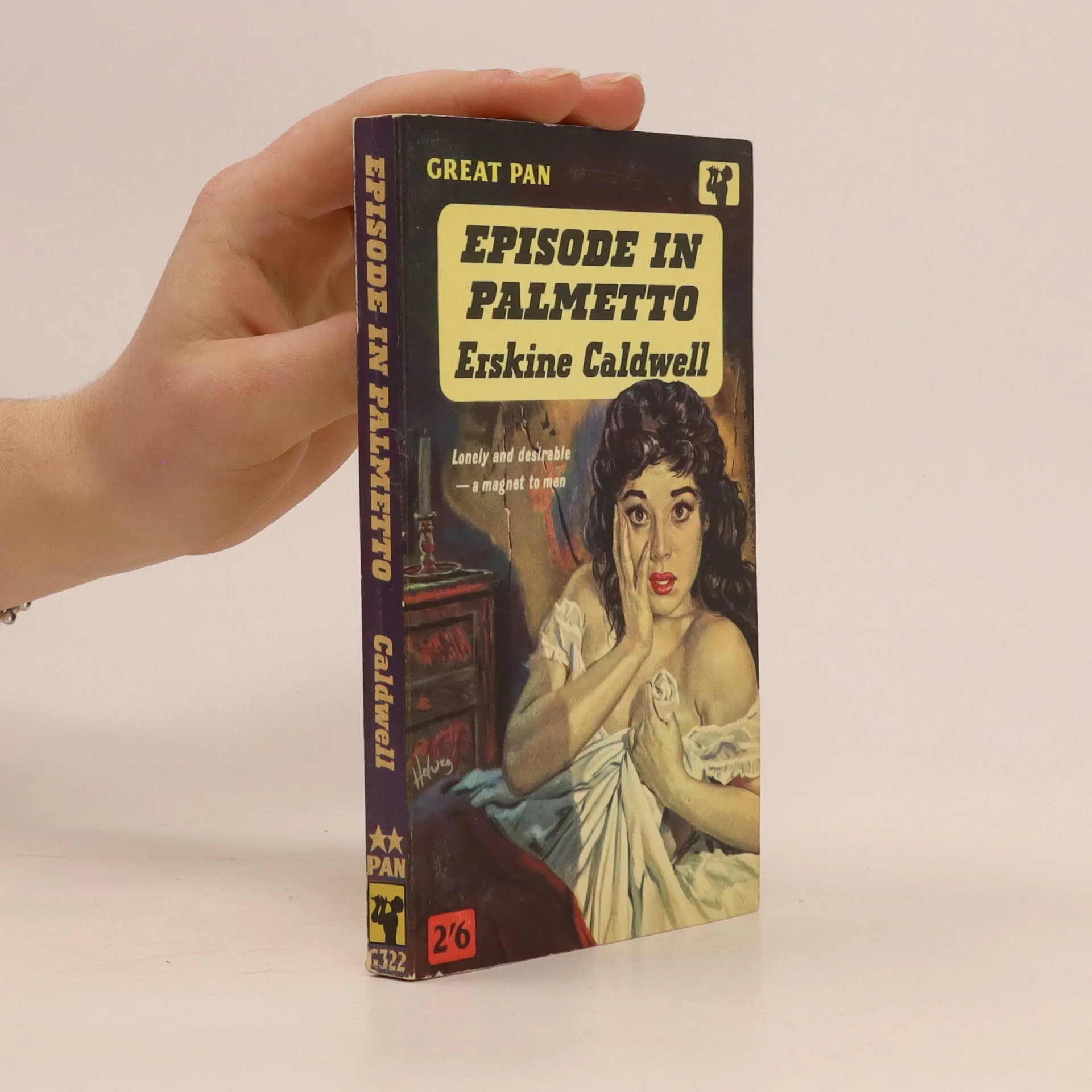
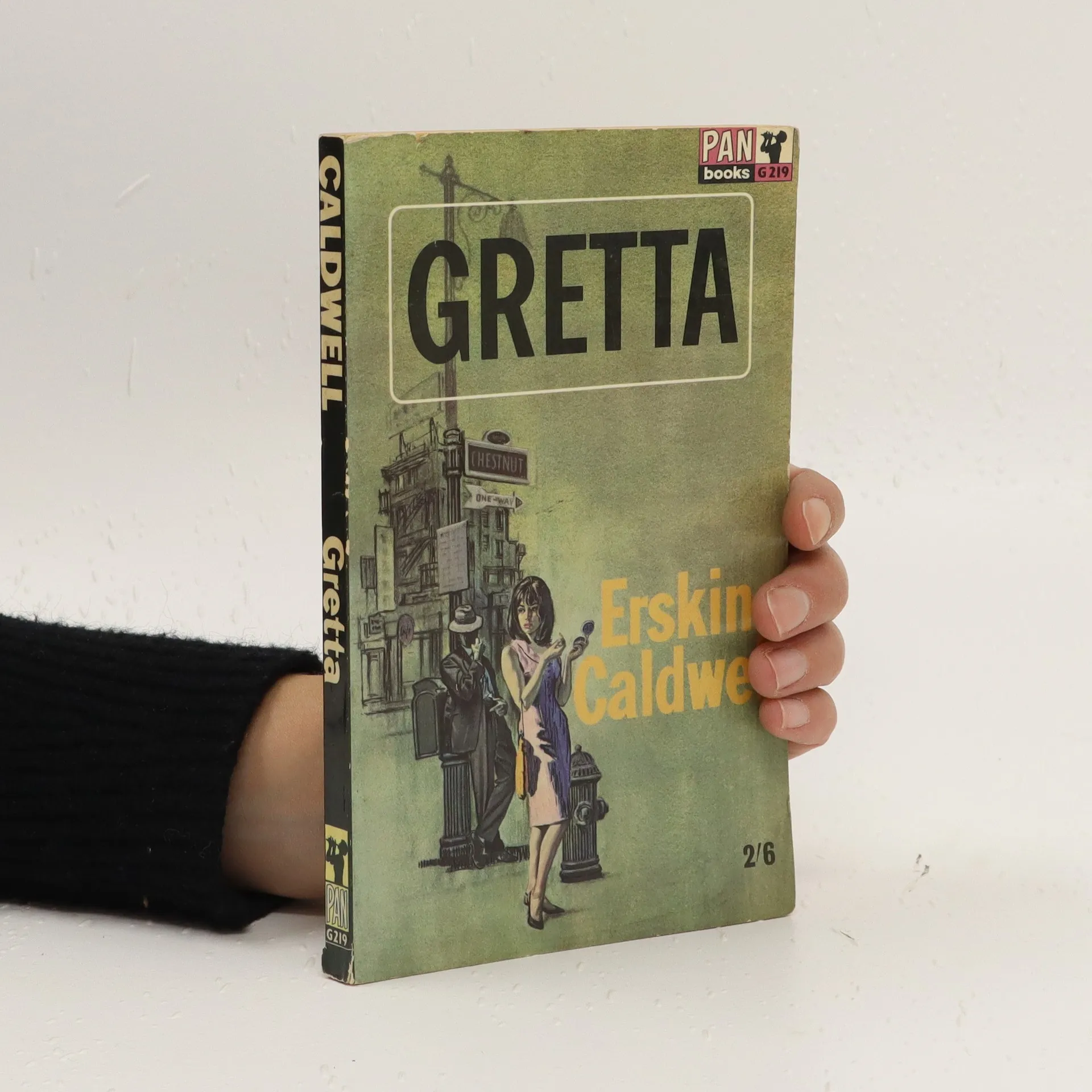
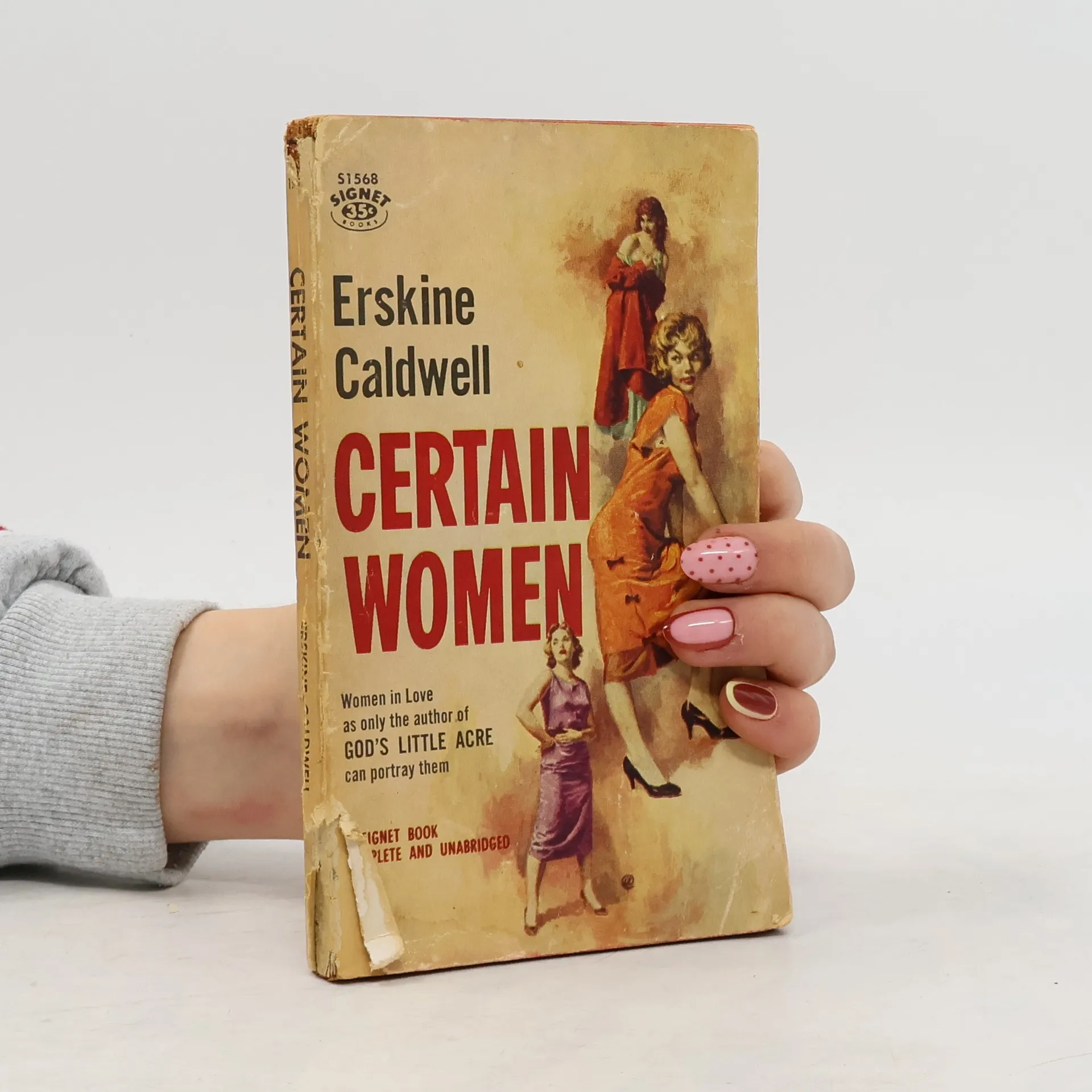
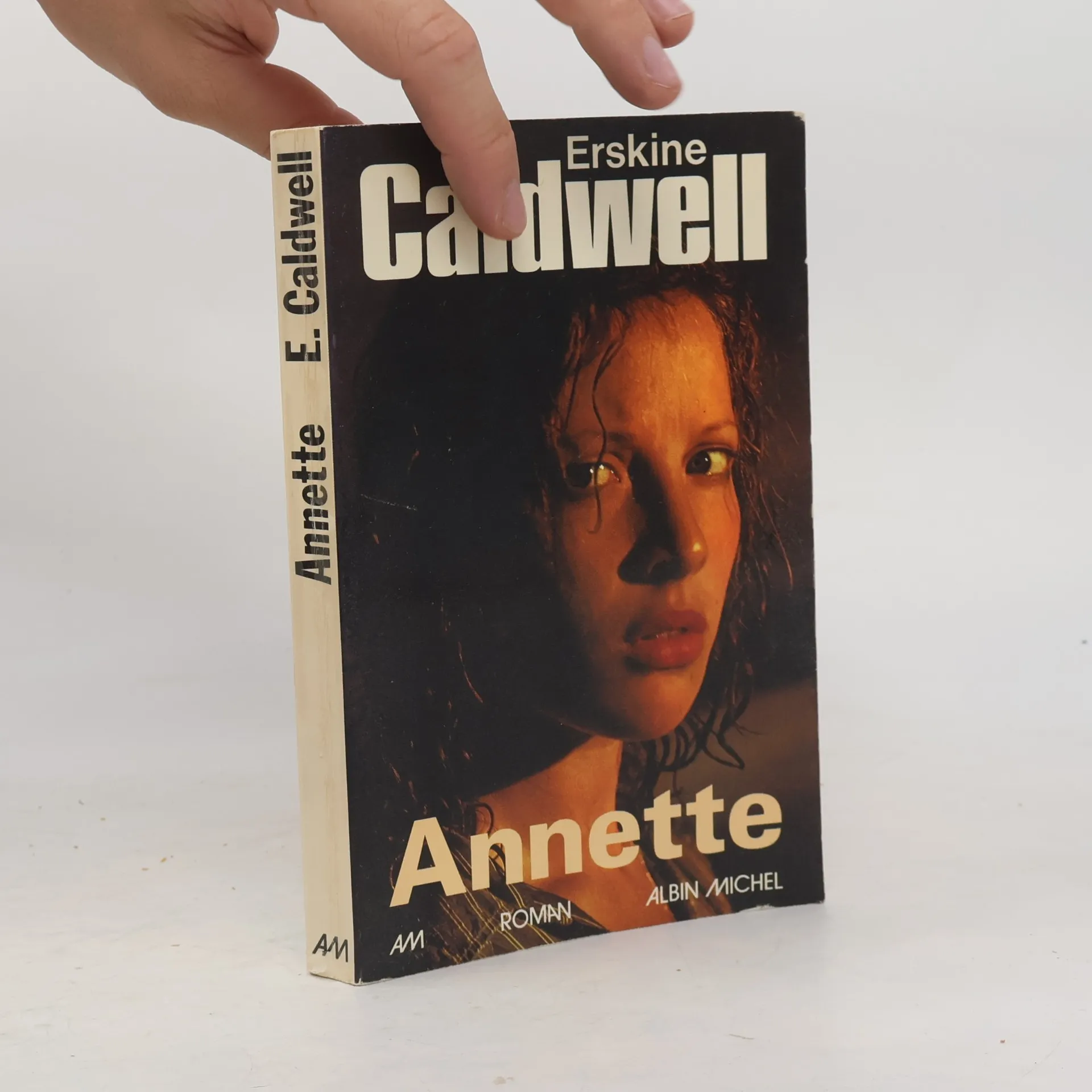
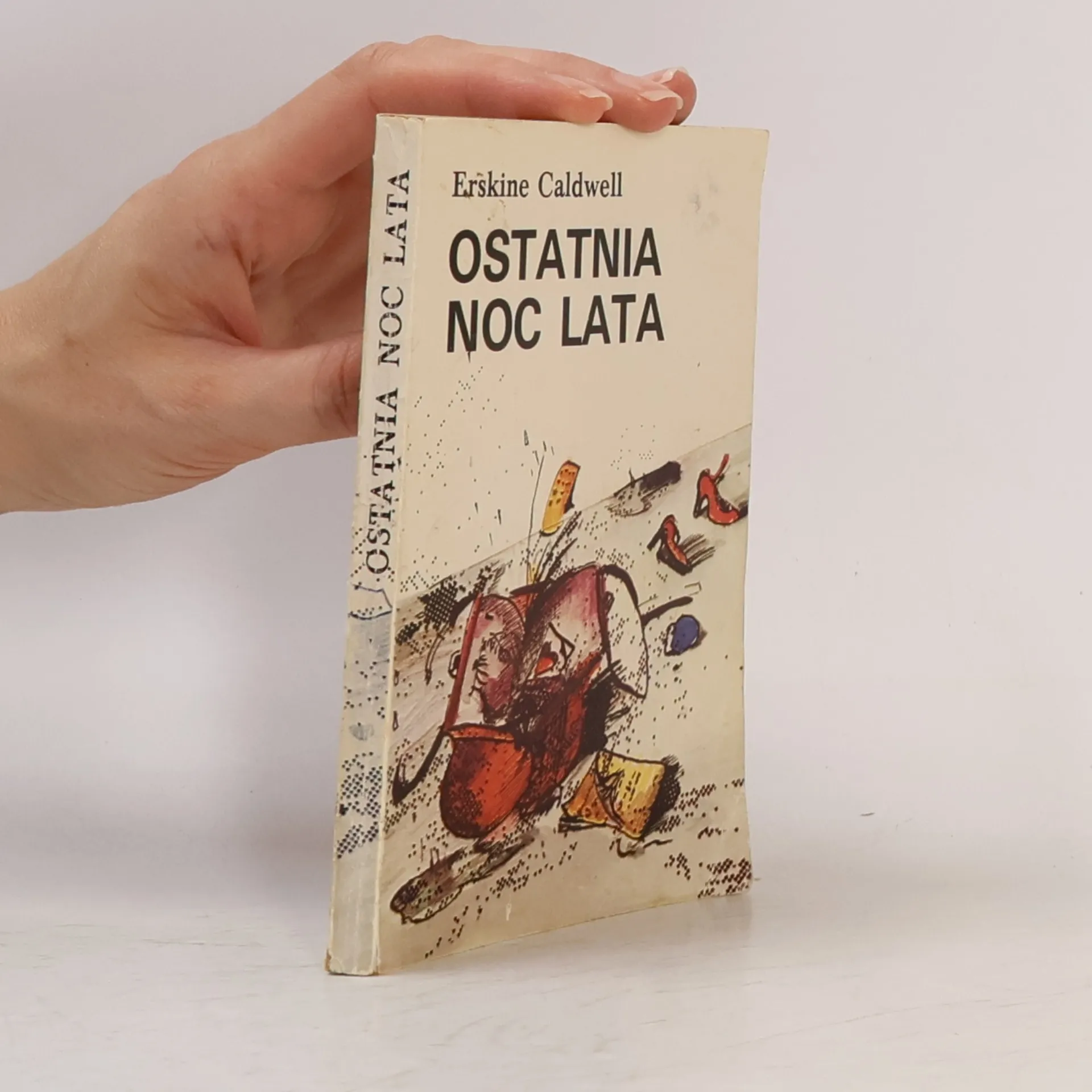
Erskine Caldwell war ein amerikanischer Autor, dessen Werke sich mit Armut, Rassismus und sozialen Problemen im Süden seiner Heimat befassten. Seine ungeschminkten Darstellungen des Lebens in dieser Region brachten ihm Kritikerlob ein, machten sein Werk aber auch unter südstaatlichen Landsleuten umstritten, die ihm vorwarfen, die Region der Lächerlichkeit preiszugeben. Caldwells Stil zeichnet sich durch seine rohe Ehrlichkeit und seine Fähigkeit aus, die unterschwelligen Spannungen innerhalb der amerikanischen Gesellschaft aufzudecken. Sein Schreiben bleibt für seine Untersuchung anhaltender sozialer Herausforderungen relevant.

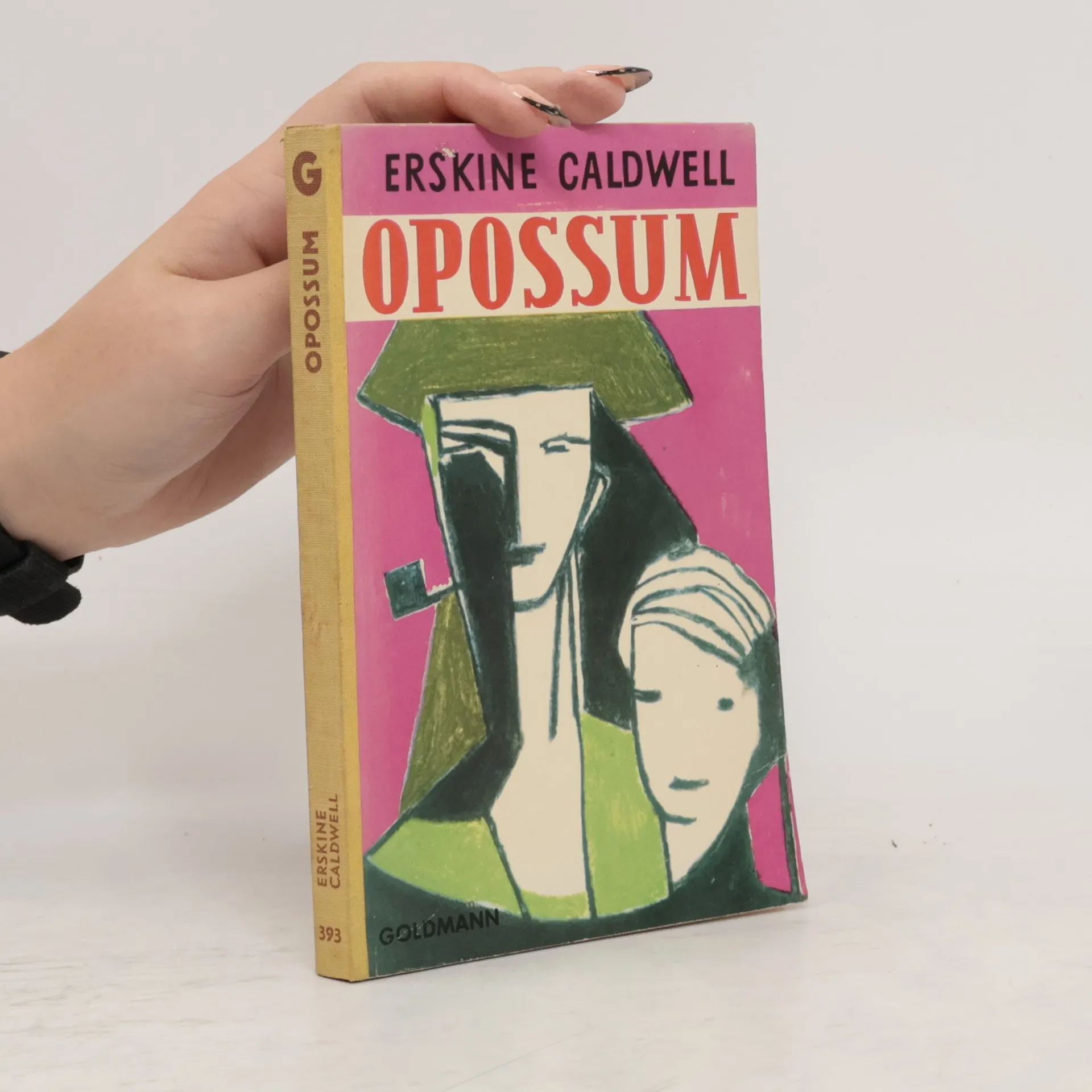
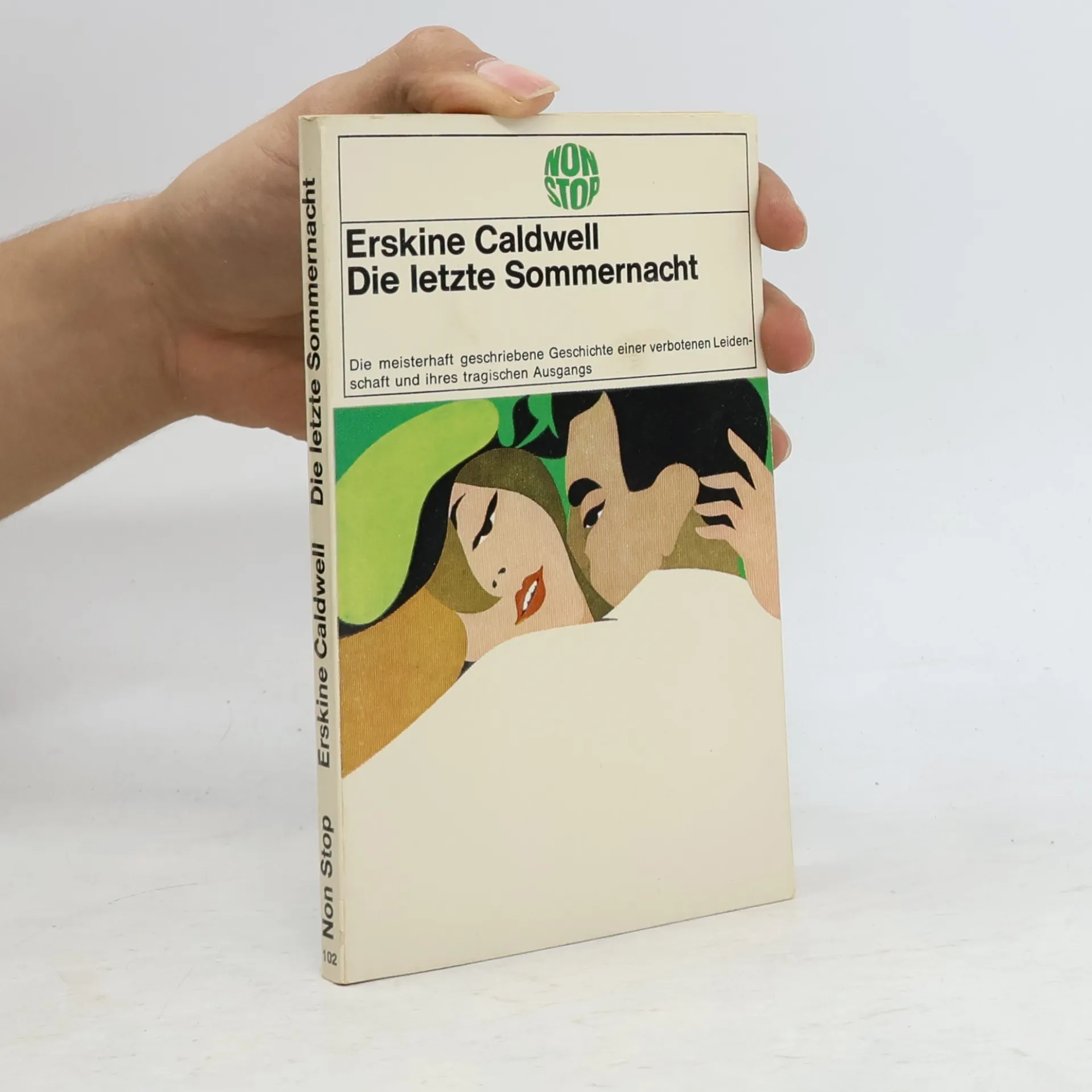
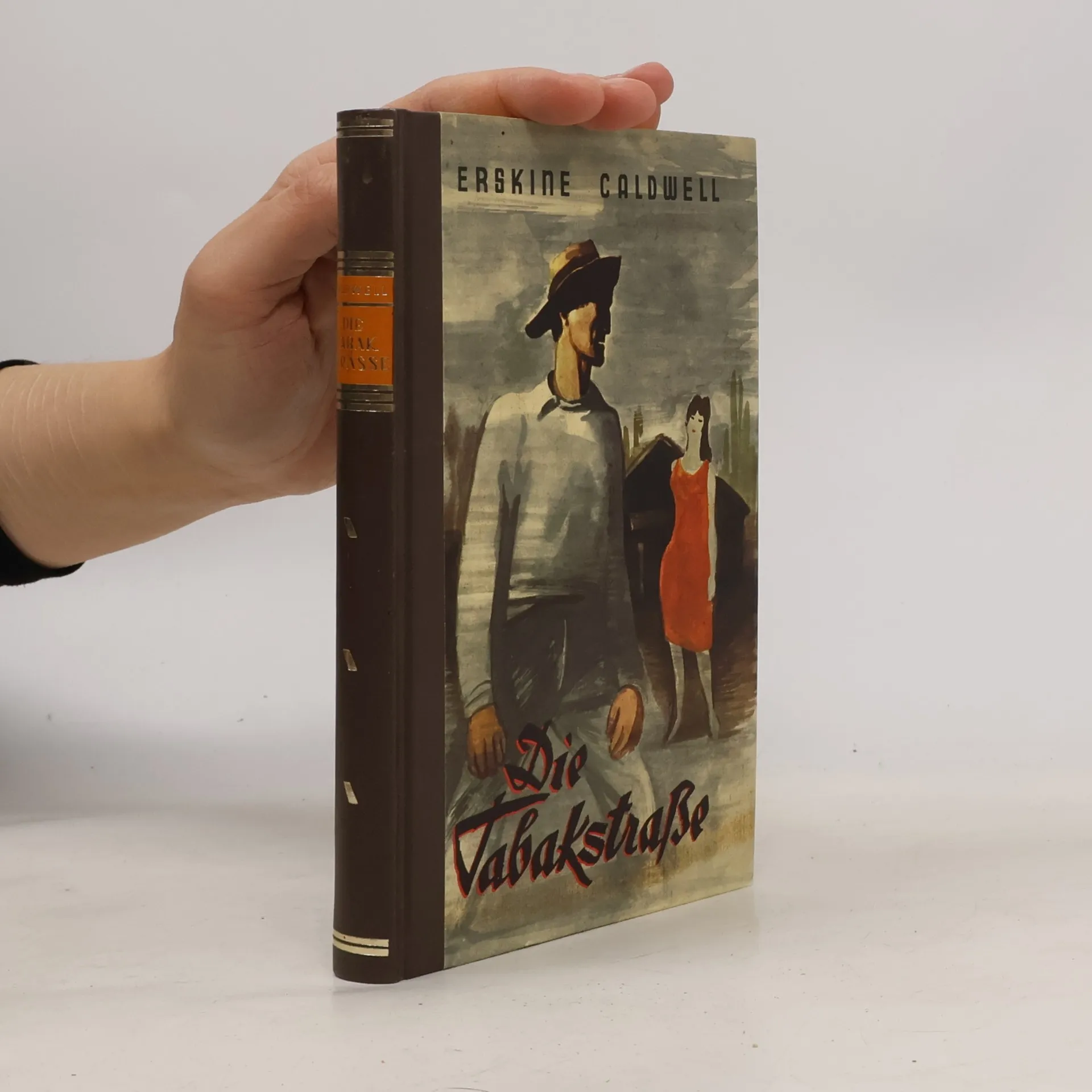
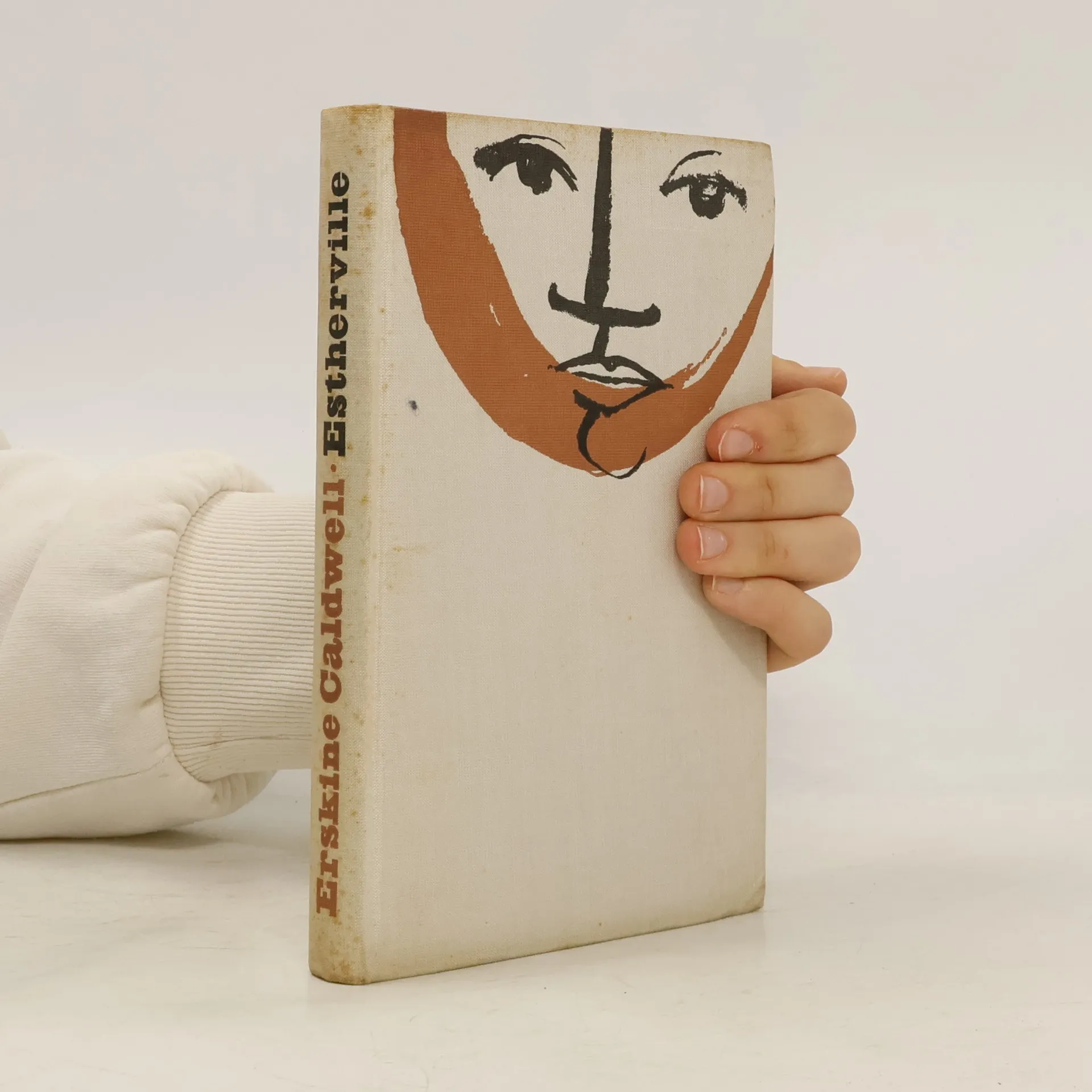
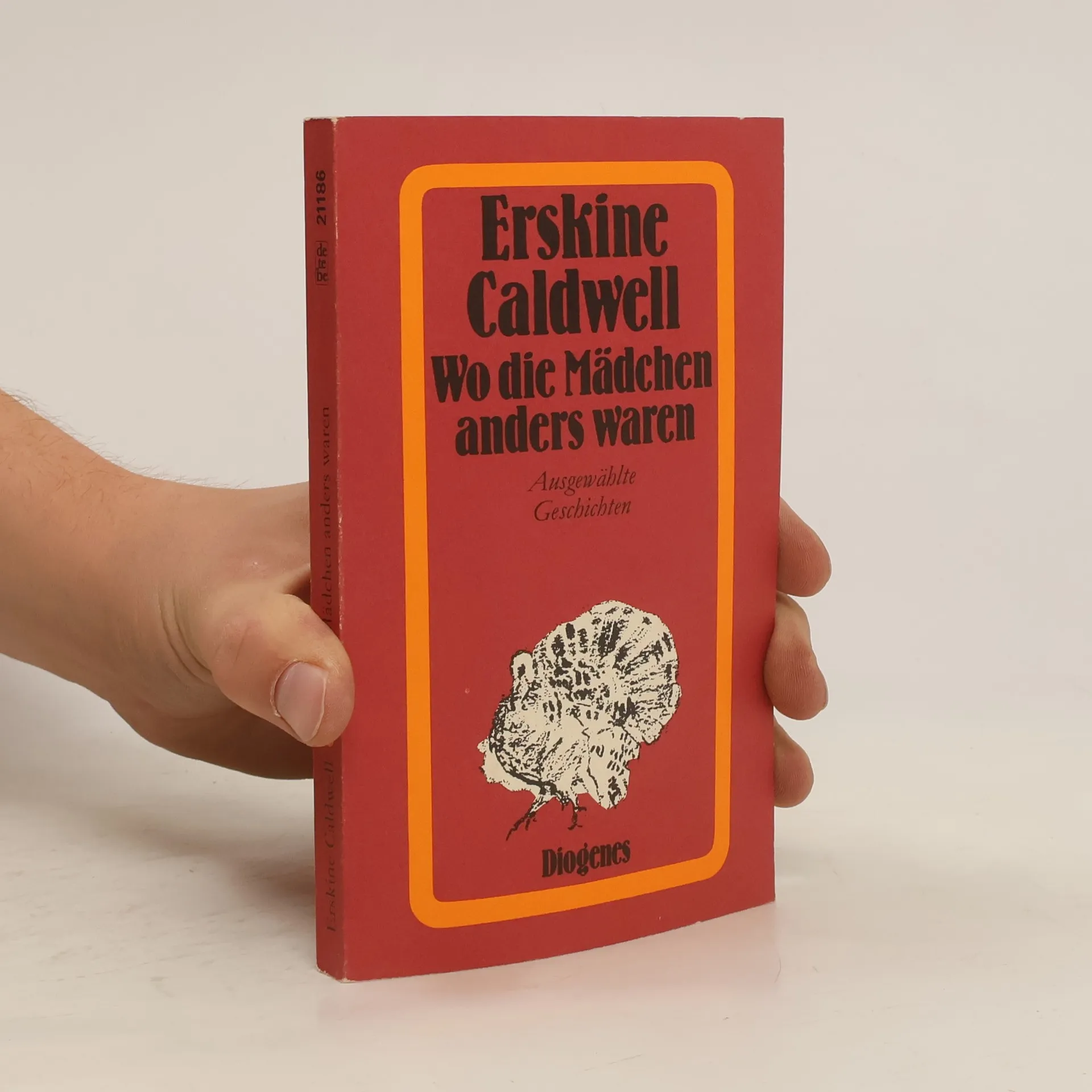
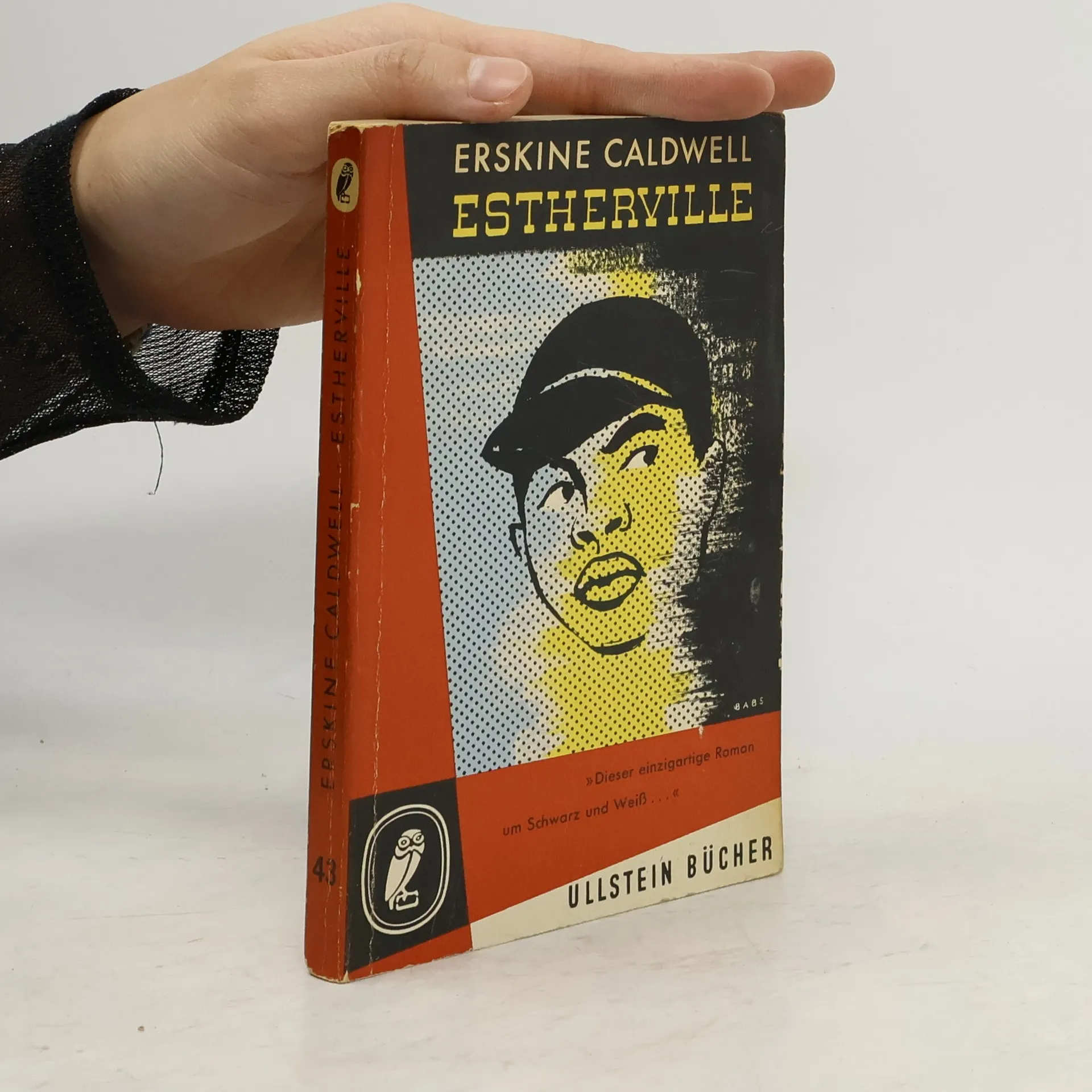
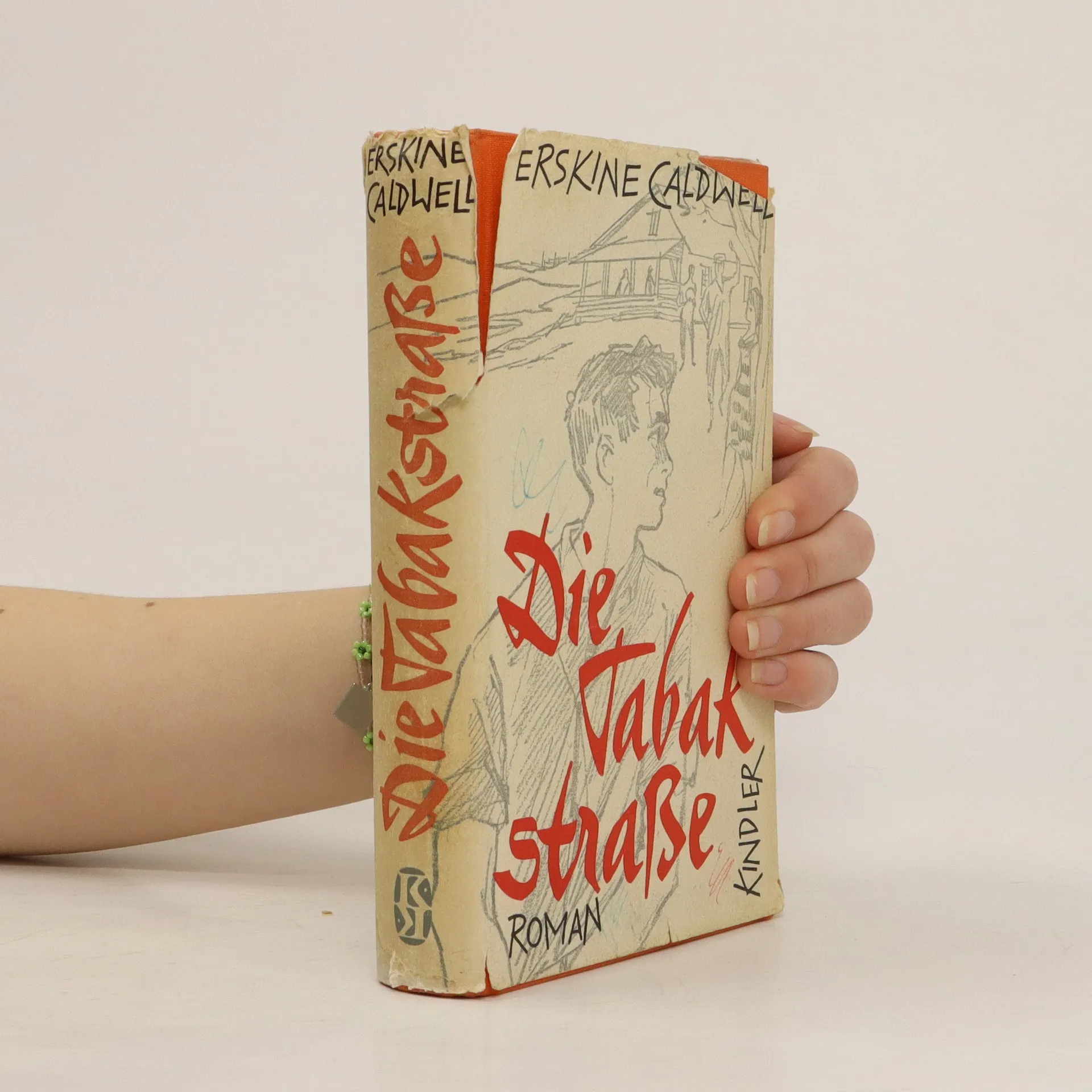
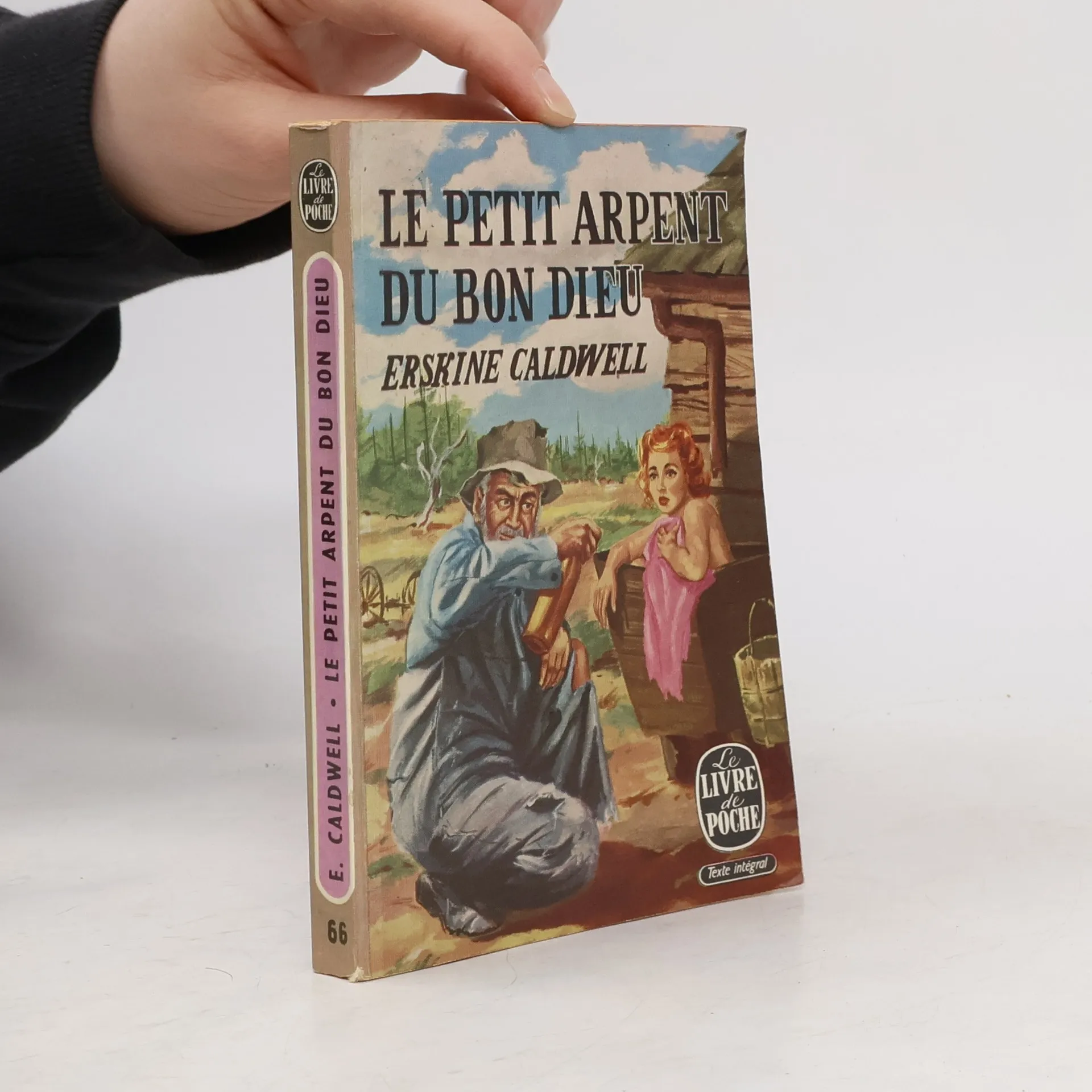
Ursprünglich 1932 veröffentlicht, erzählt Caldweells Roman die Geschichte der Familie Lester, armer Pachtbauern in Georgia, die nicht mehr von der Landwirtschaft lebten, sondern von den Mitteln, die ihnen zur Verfügung standen. Caldweells Bild des ländlichen Südens stellt die Vorstellungen vom würdevollen und höflichen Antebellum-Süden in Frage und zeigt ein groteskes, gewalttätiges und moralisch bankrottes Bild. Südstaatenleser empfanden Caldweells Roman sofort als unnötig übertrieben und beleidigend, während nordische Kritiker seine Geschichte als Anklage gegen ein gescheitertes südliches Wirtschaftssystem lasen, das dringend reformbedürftig war.
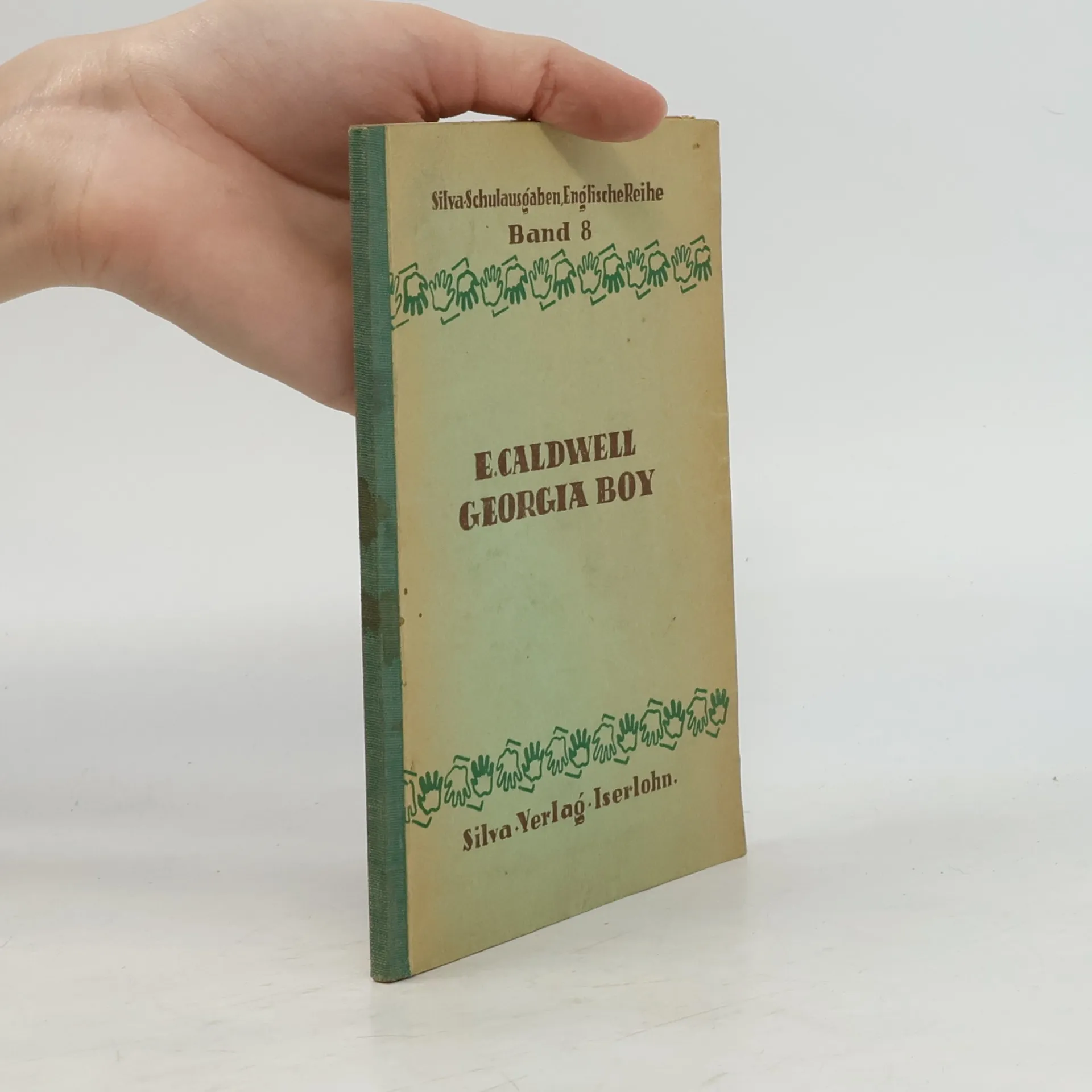
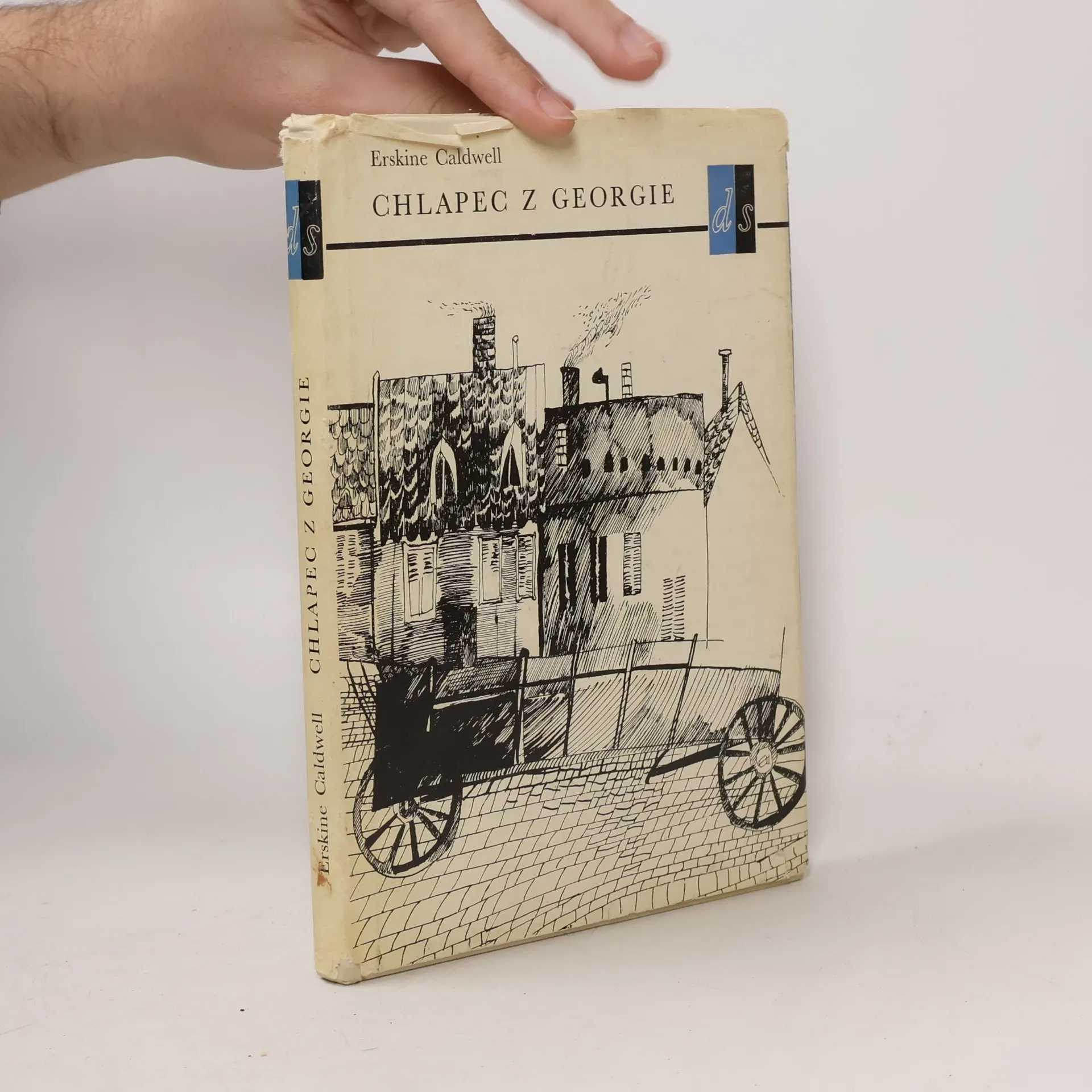
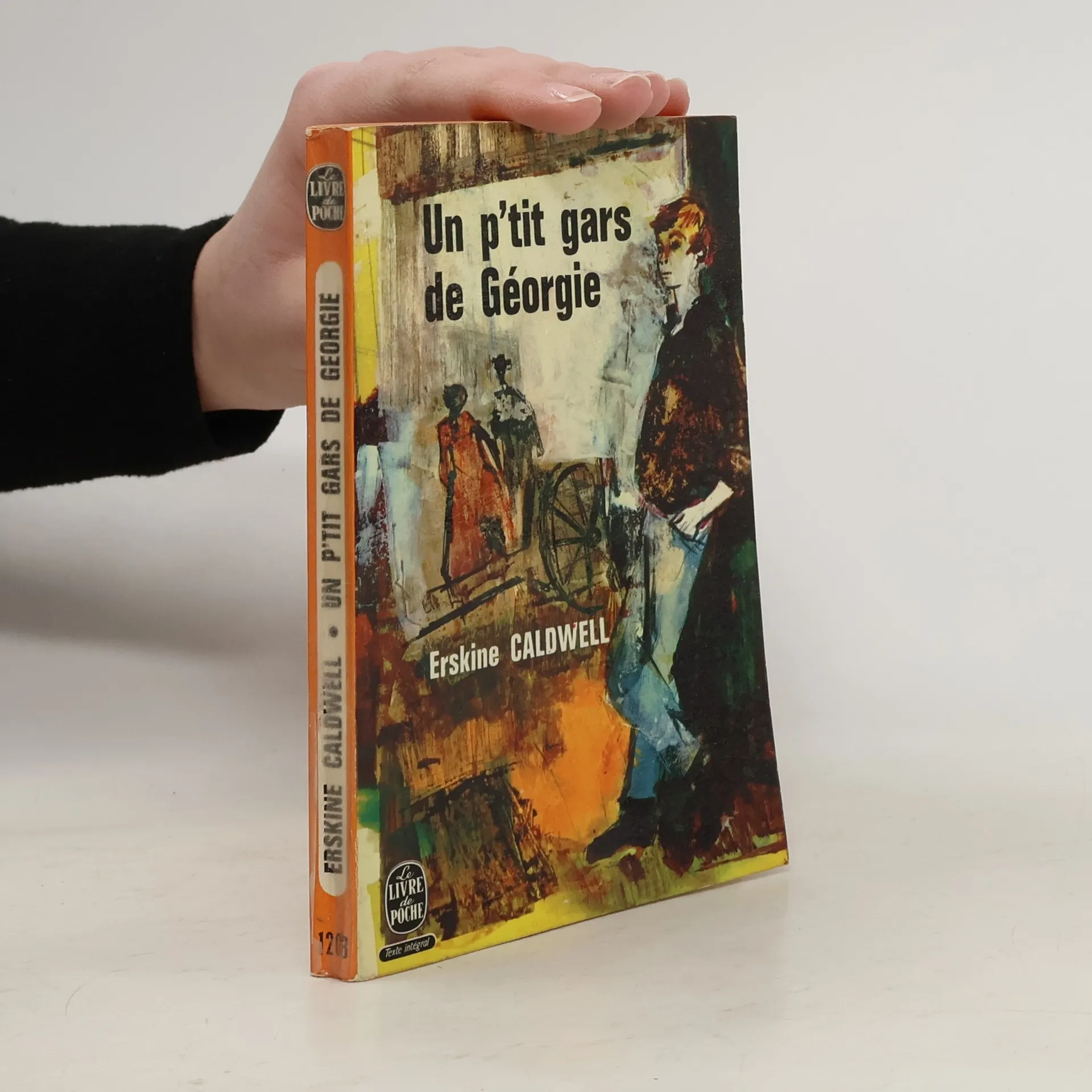
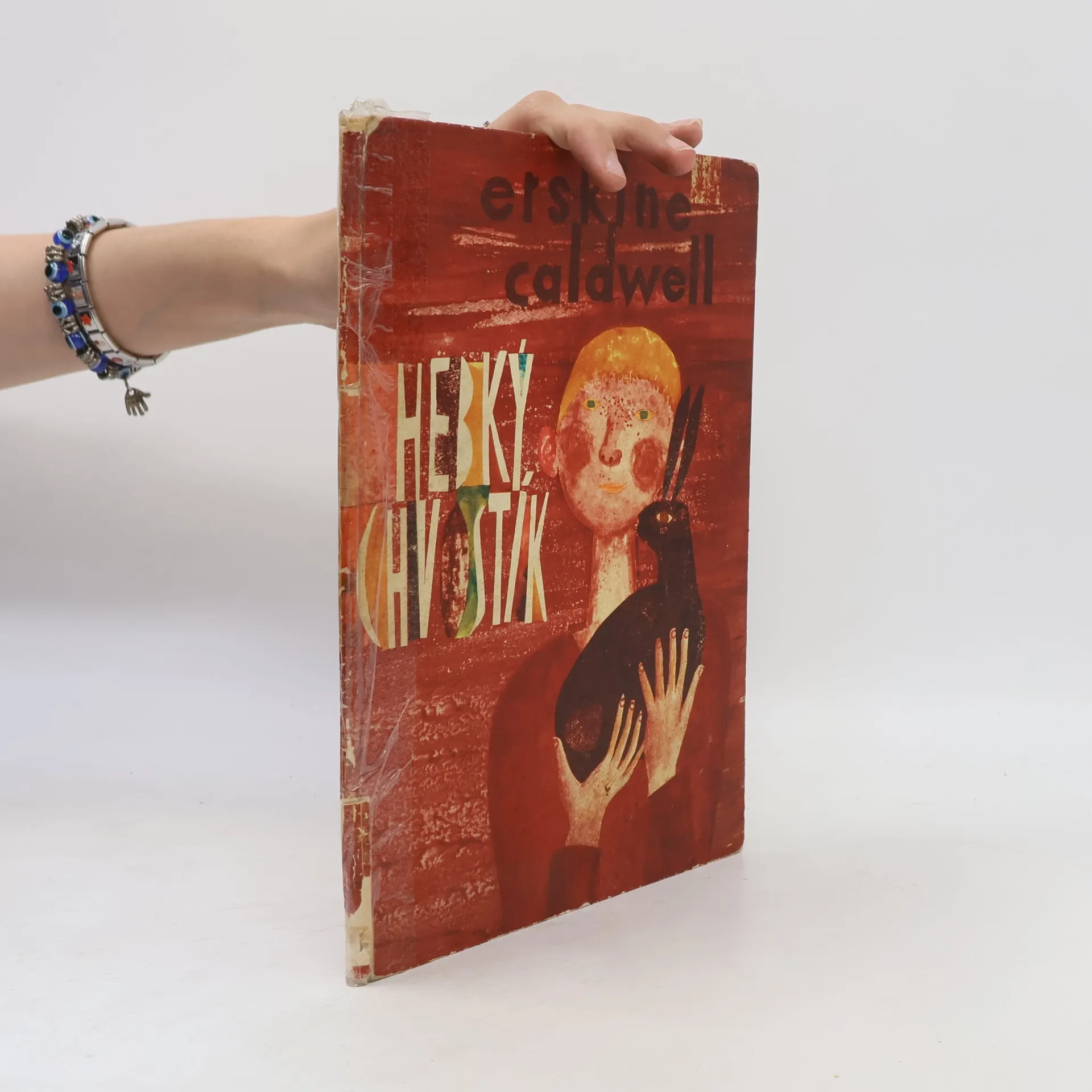
In this appealing collection of fourteen interrelated stories, twelve-year-old William Stroup recounts the ludicrous predicaments and often self-imposed hardships his family endures. Playing on the tension between Martha, his hardworking, sensible mother, and Morris, his disarmingly likable but shiftless and philandering father, William tells of Pa's flirtation with a widow, his swapping match with a band of gypsies, his battle of wits with a traveling silk-tie saleswoman, and his get-rich-quick schemes based on selling Ma's old love letters and collecting scrap iron.Often caught in the middle of the Stroups' bungles is Handsome Brown, their yard hand, as well as a number of animals with all-too-human Ida, the mule; Pretty Sooky, the runaway calf; College Boy, the fighting cock; a small flock of woodpeckers that favor Handsome's head over a tree; and goats who commandeer the roof of the Stroups' house.Georgia Boy was a special book to Caldwell, and its humor is less in the service of social criticism than in other works in which he dealt with poor white southerners. Beneath Georgia Boy's folksy lightheartedness, however, lie the problems of indigence, racism, and apathy that Caldwell confronted again and again in his fiction.
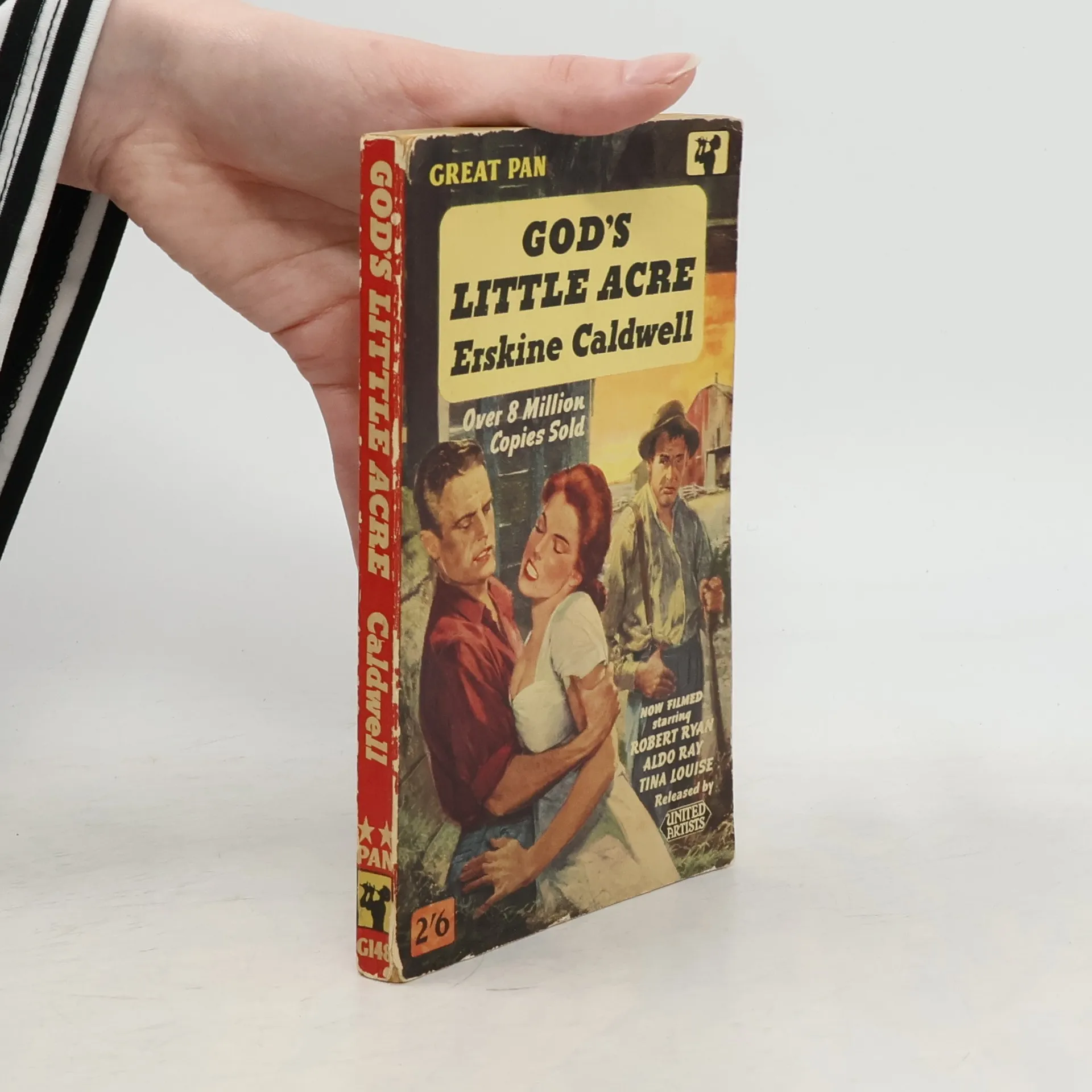
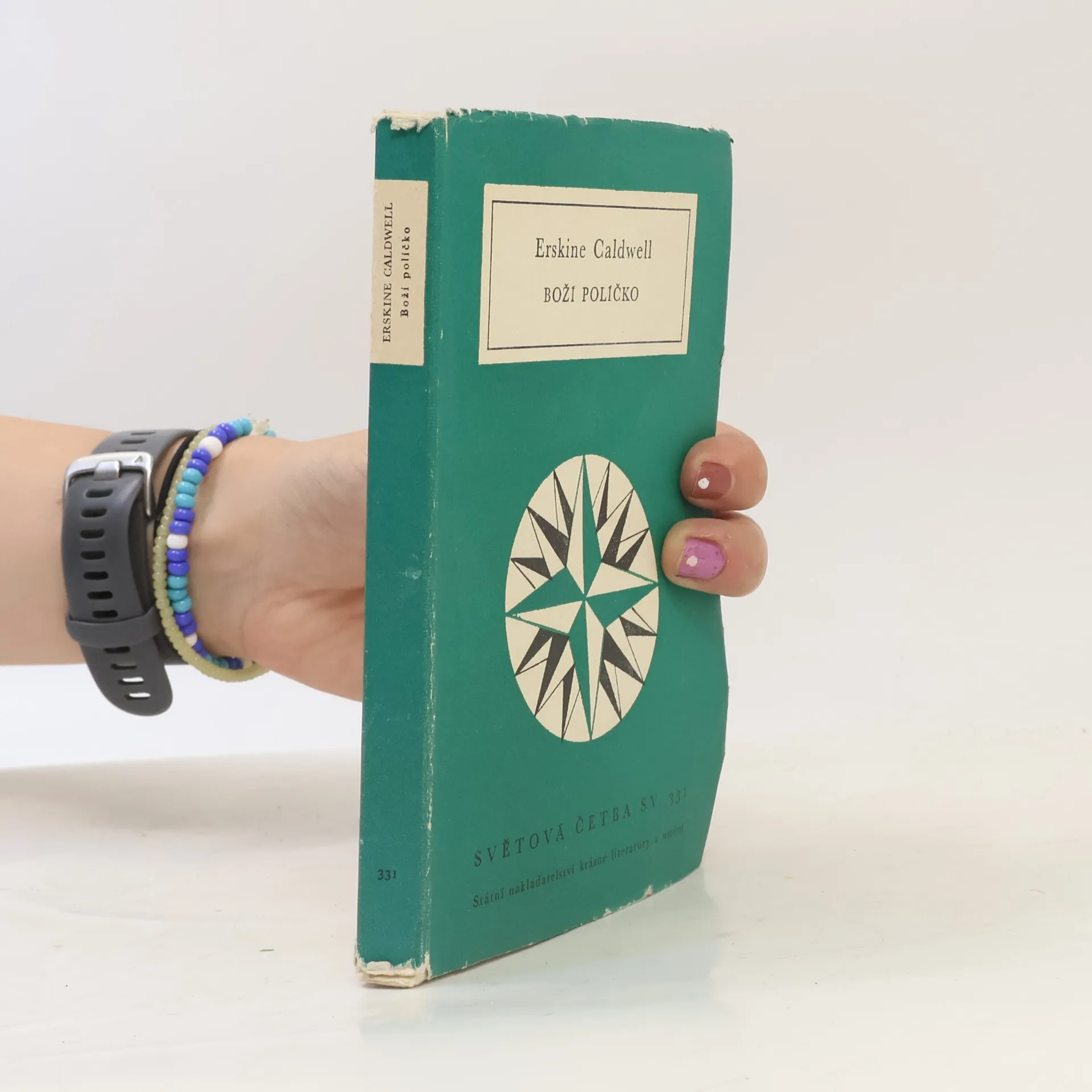
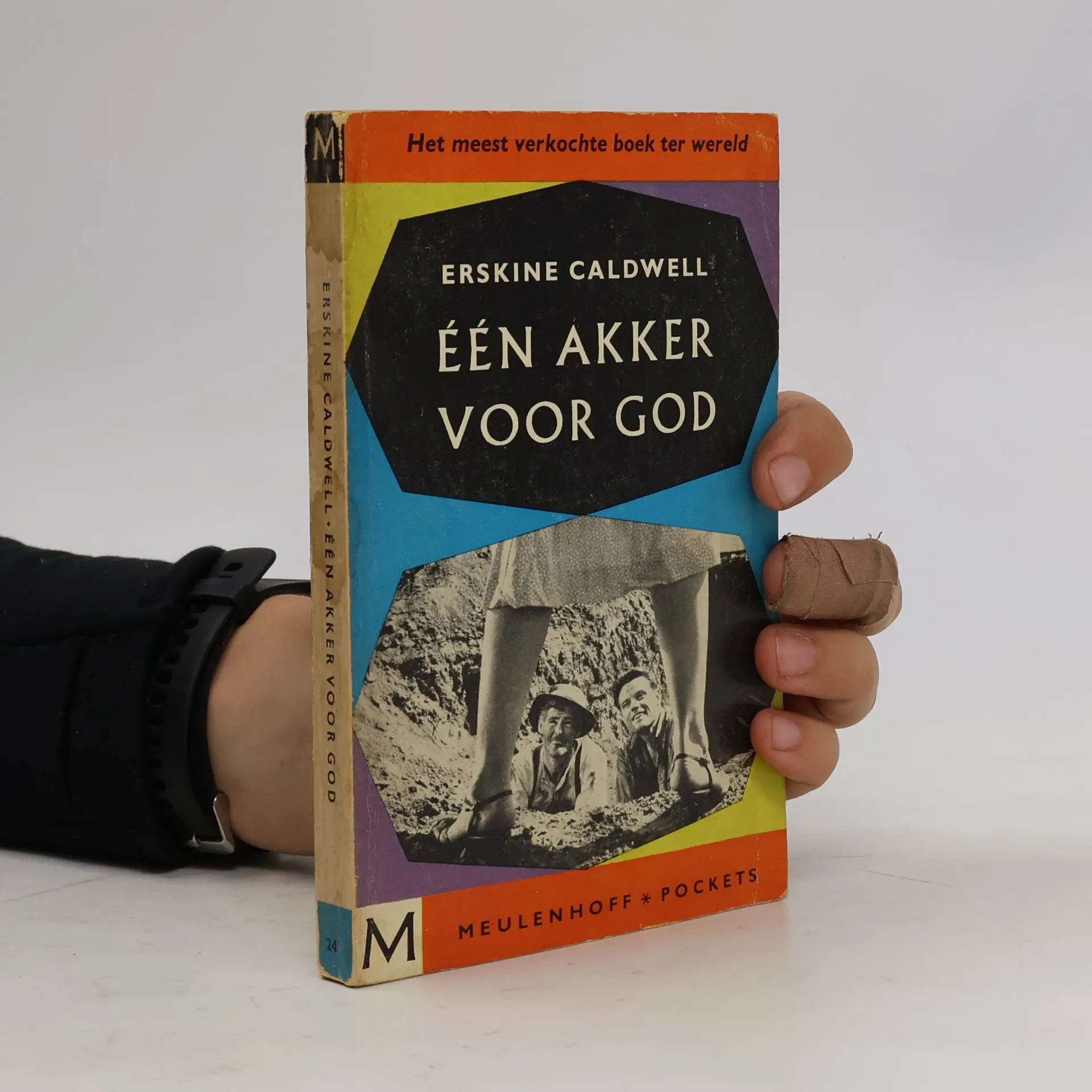
Světově proslulý Caldwellův román, který vyvolal nejživější zájem už při svém prvním vydání v roce 1933. Udržuje si jej podnes pravdivě drsnou kresbou jak hrdinů děje, rozvíjejícího se kolem podivínského farmáře, posedlého vírou v objevení zlata na svých pozemcích, tak proletarizaci propadajícího prostředí venkova amerického Jihu a lidských vztahů, ve kterých je mocnou hnací silou sexus, neuznávající a nedbající mravních ani jiných zábran. Předmluvu napsali Jaroslav Hornát a Eva Masnerová.
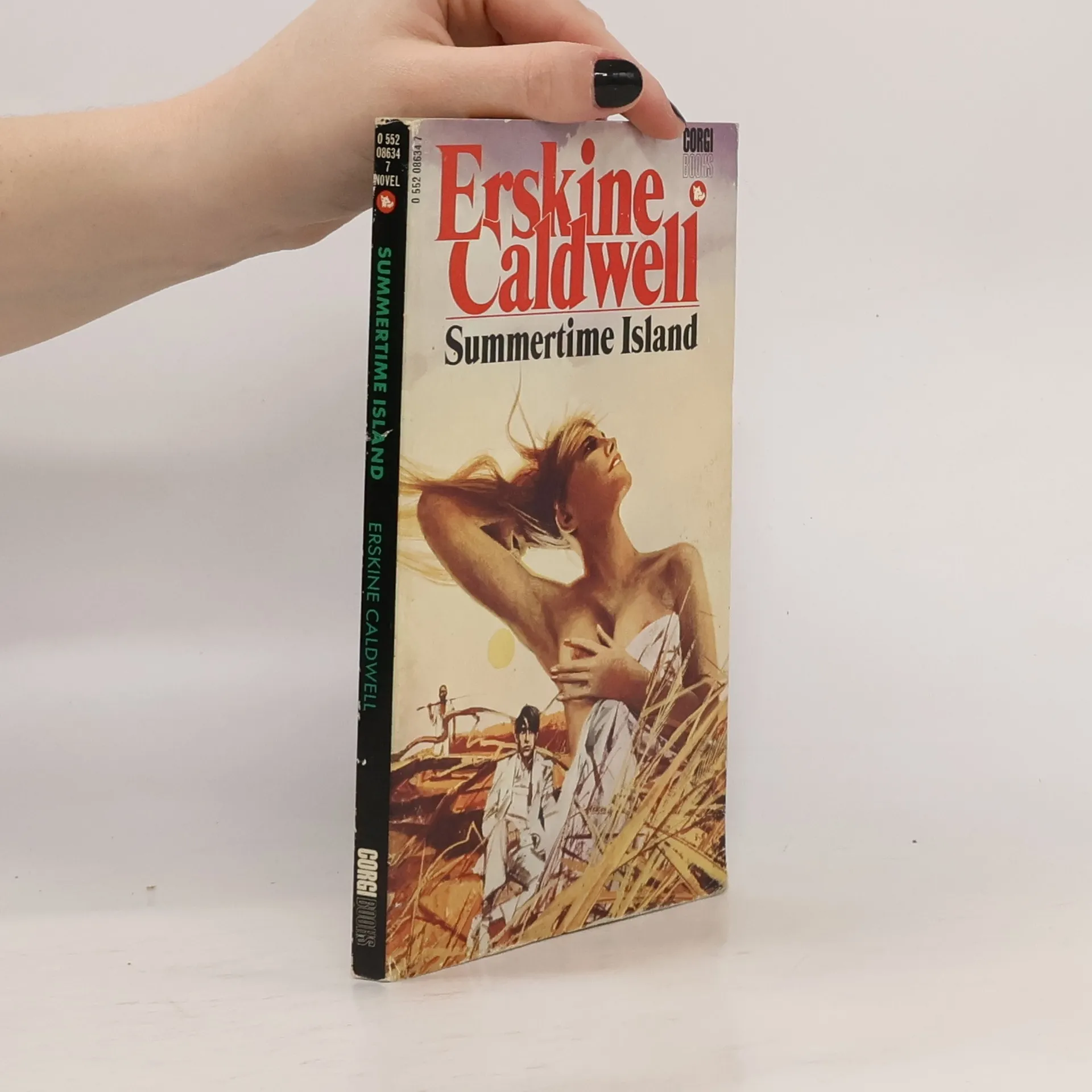
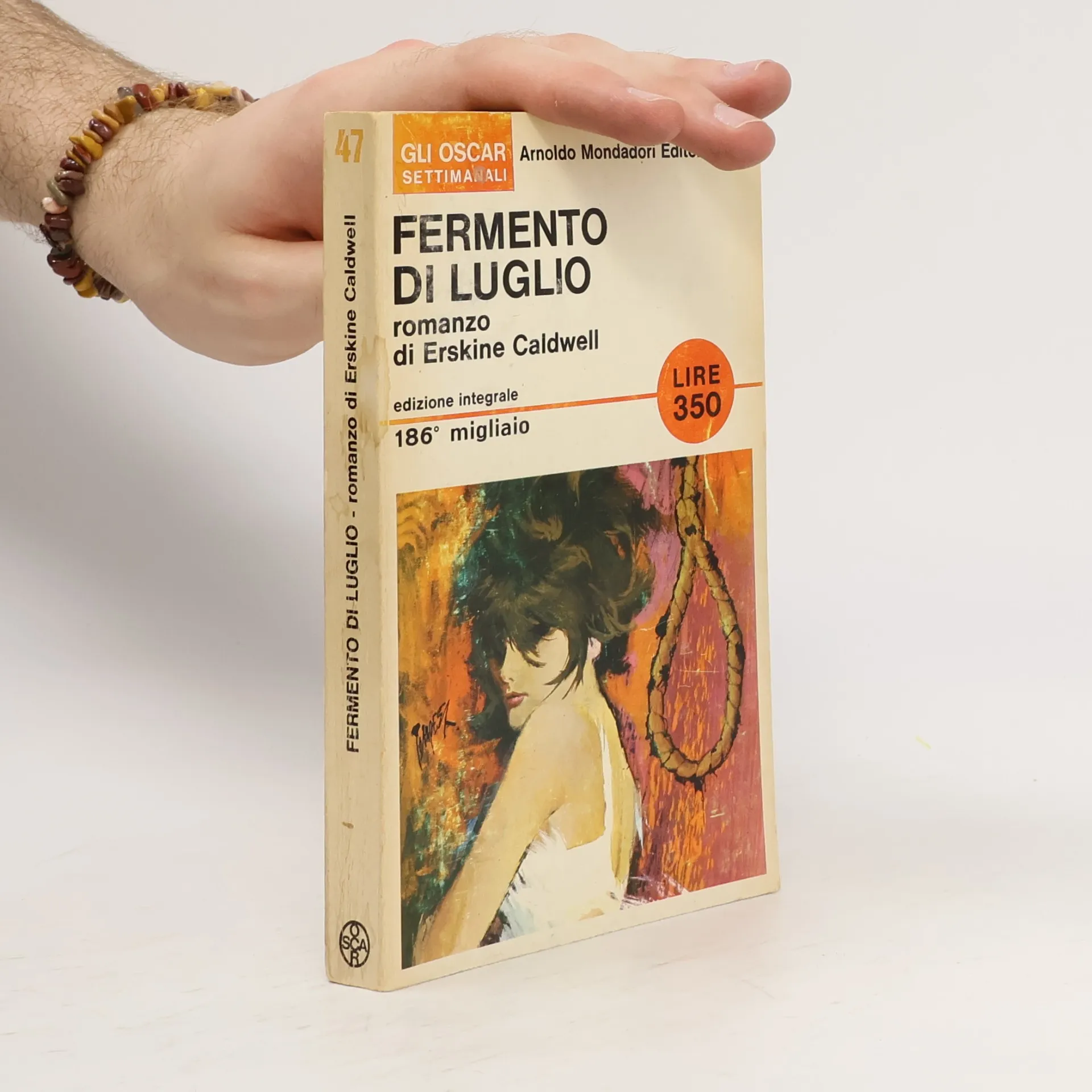
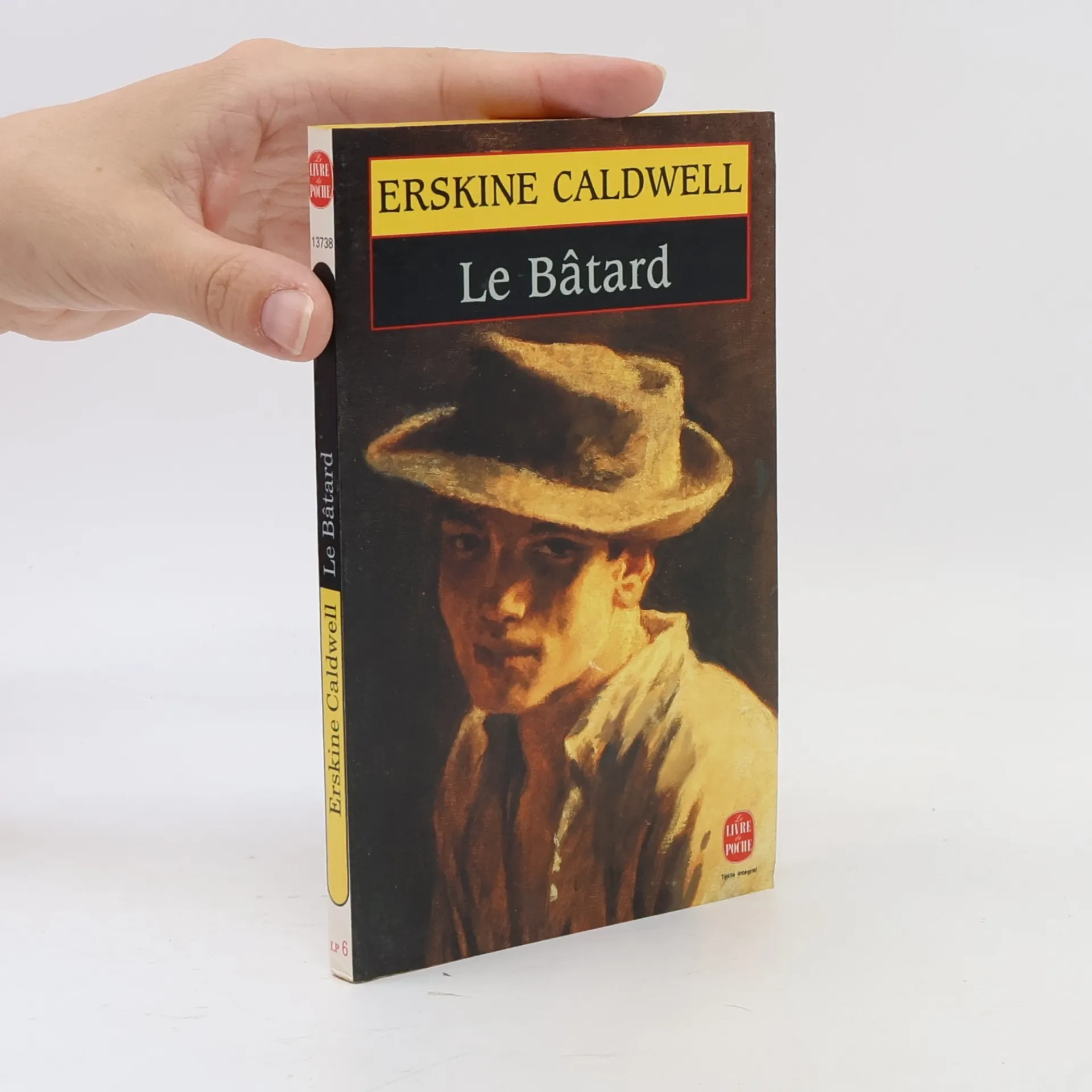
A Sizzling Classic of Lust and Tragedy A REAL BASTARD! His mother gave birth to him on a hot August day in her carny tent. She cursed through her labor and would have killed the baby if the roustabouts hadn't tied her down. Until he ran away, Gene lived in a shanty with an old black woman. He knew his mother was a harlot, but he didn't know or care who his father was. No one knew...there had been too many men. He took love where he found it - at the carnival, the jail, the mill - and he killed when he felt like it.
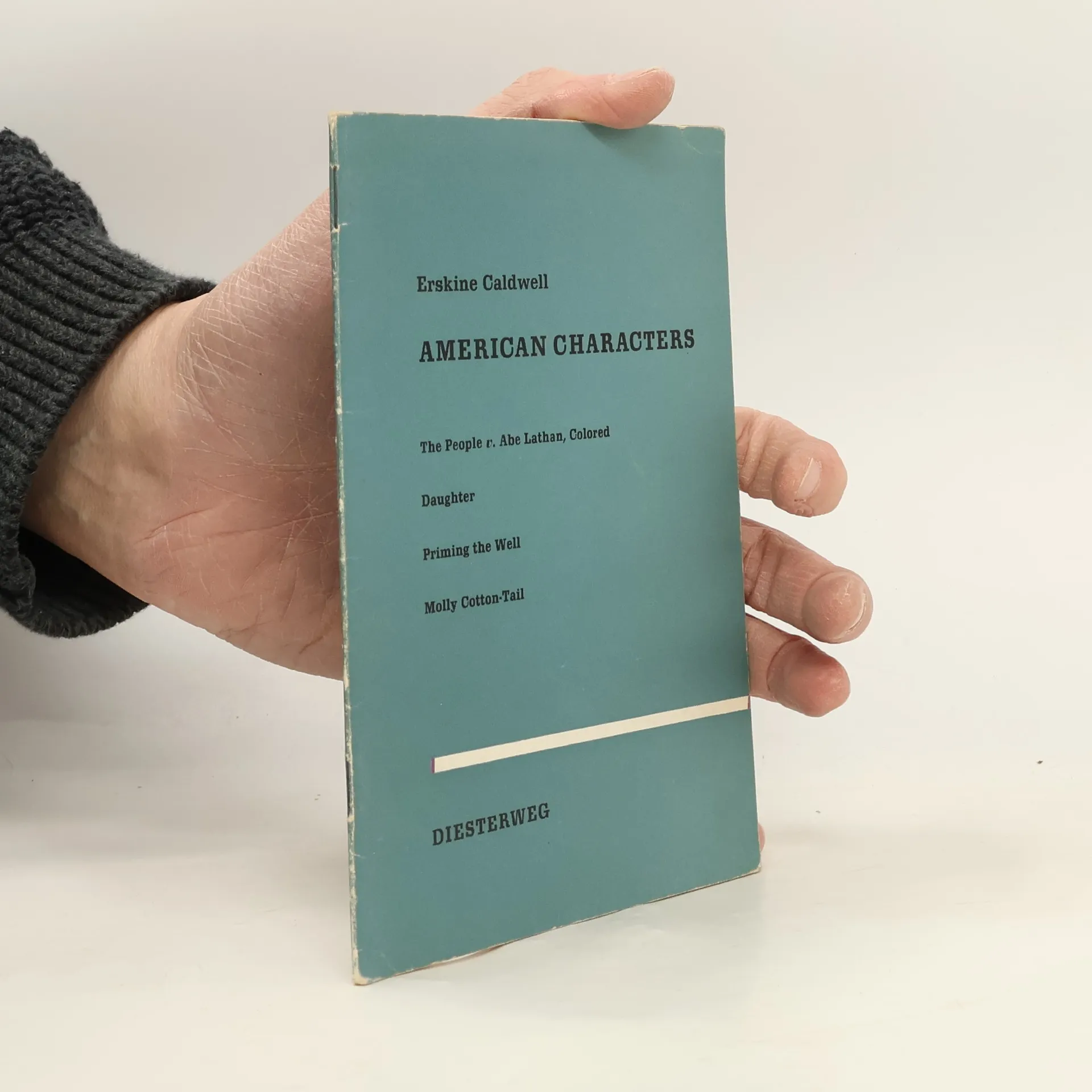
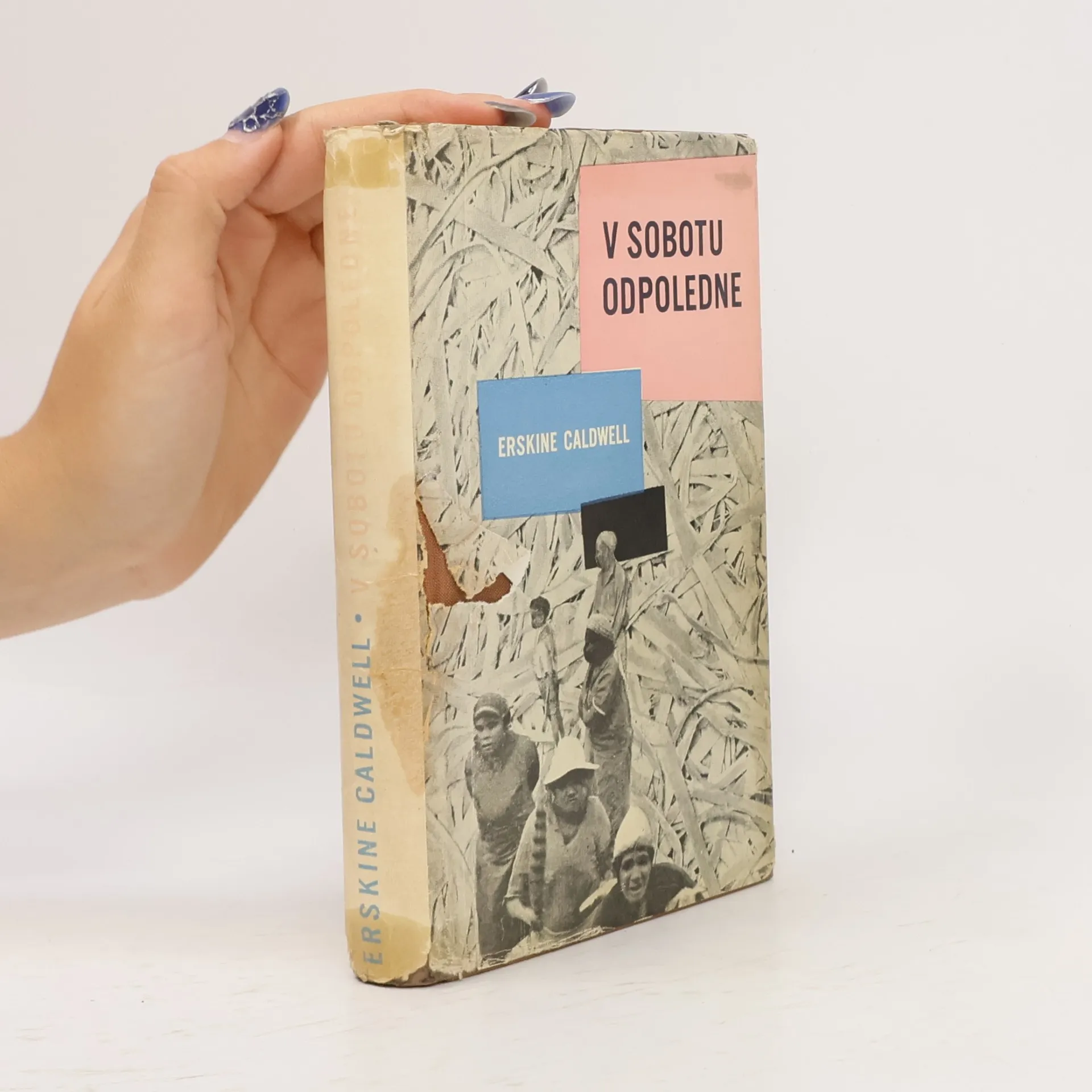
Výbor z povídkové tvorby jednoho z nejosobitějších vypravěčů amerického Jihu nazvaný podle úvodní povídky. Sociálně laděné povídky o hmotné a mravní bídě černých „svobodných“ otroků a bílé chudiny střídají se s povídkami o drobných osobních radostech a smutcích všedního života obyvatel Jihu. Doslov „Povídkář dusného Jihu“ napsal Vítězslav Kocourek.
Sociální román, sugestivní obraz hospodářsky zaostalého Jihu na přelomu dvacátých a třicátých let 20. století, kdy i tak těžkých životních podmínkách si našli lidi čas na lásku a nenávist, navazuje na autorův nejznámější román Taková cesta (1932).
Povídky známého autora vyprávějící o americkém Jihu a jeho obyvatelích.
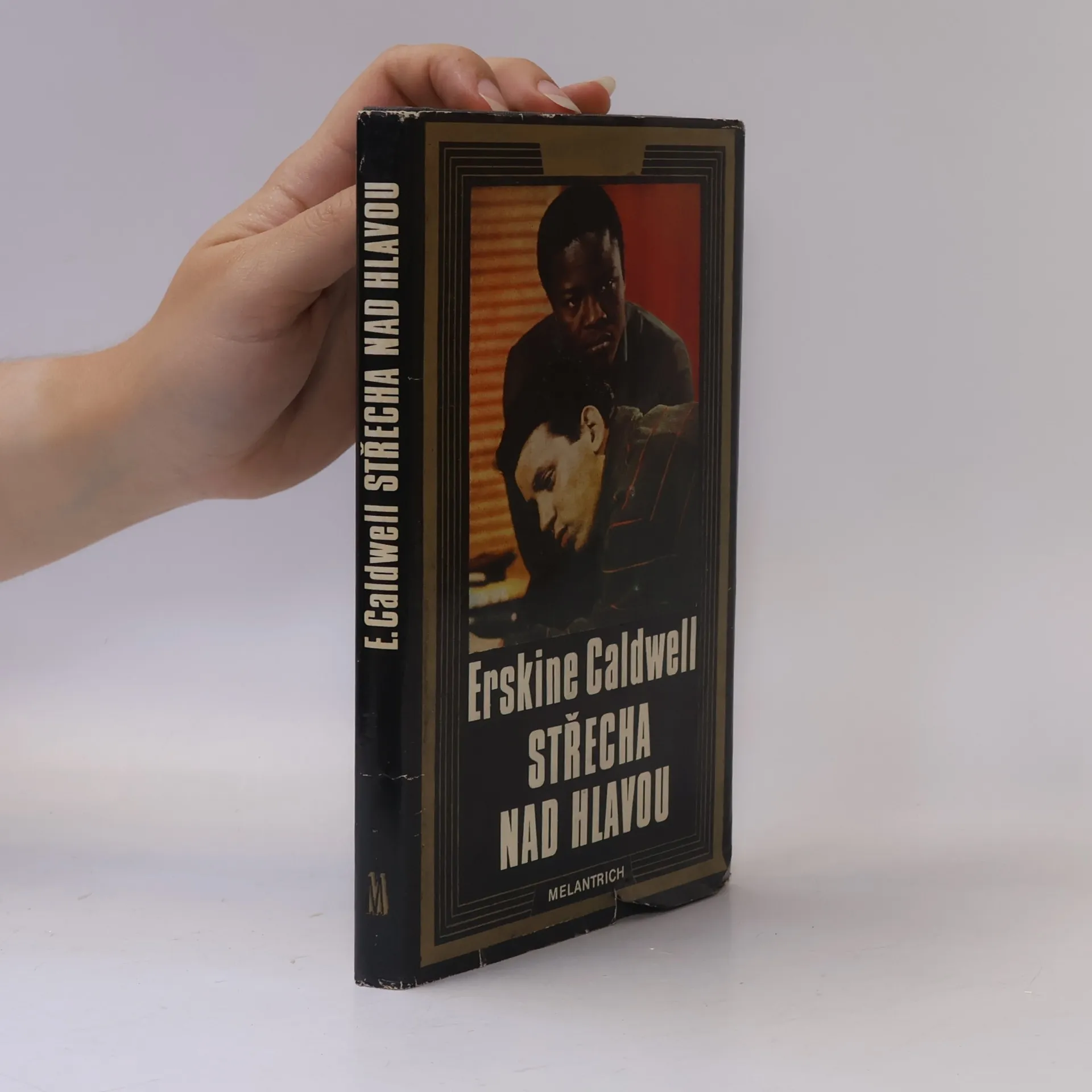
Román z prostředí amerického Jihu ztvárňuje společenskou problematiku soužití bělochů s černochy a zpodobuje zápas o sociální spravedlnost a lidskou důstojnost.
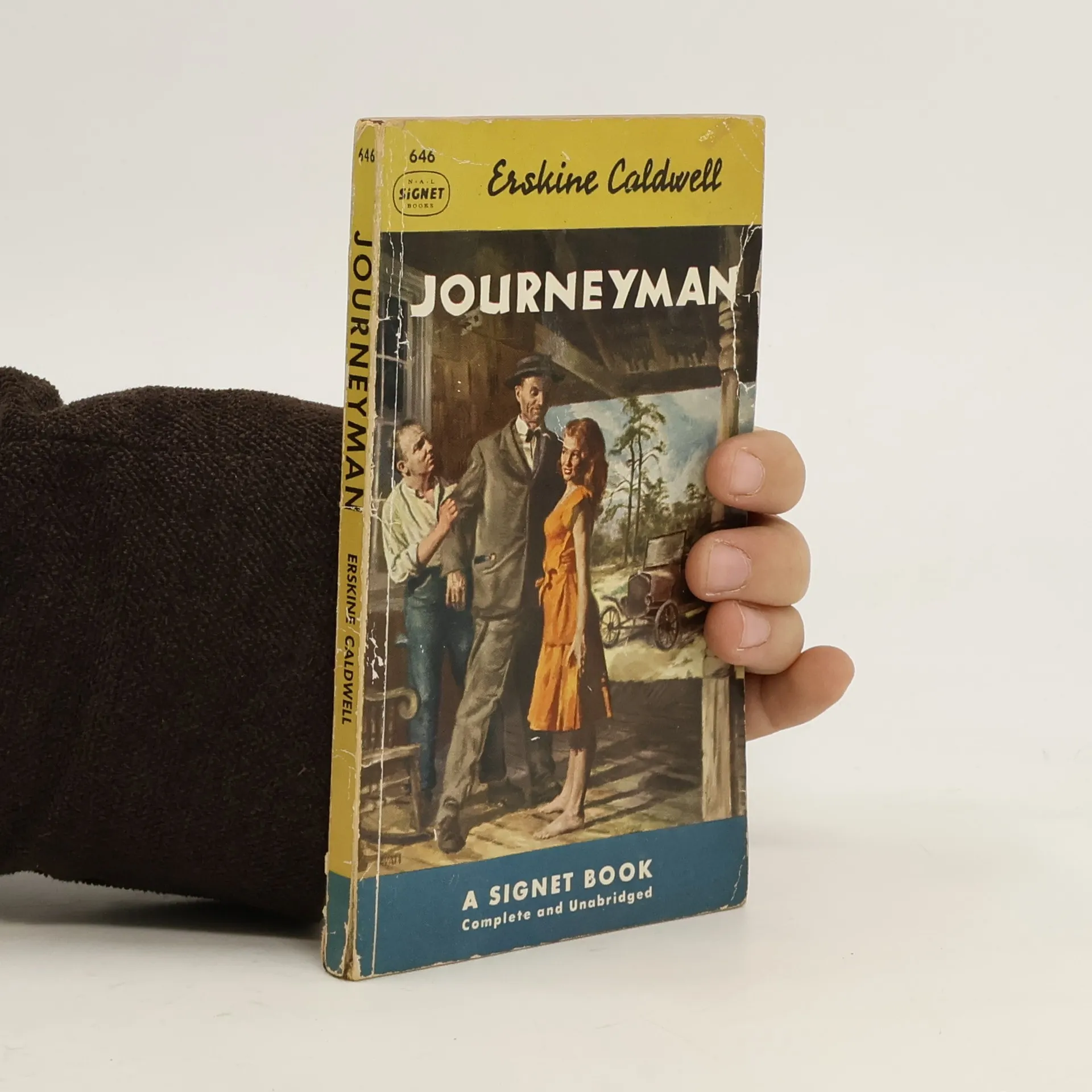
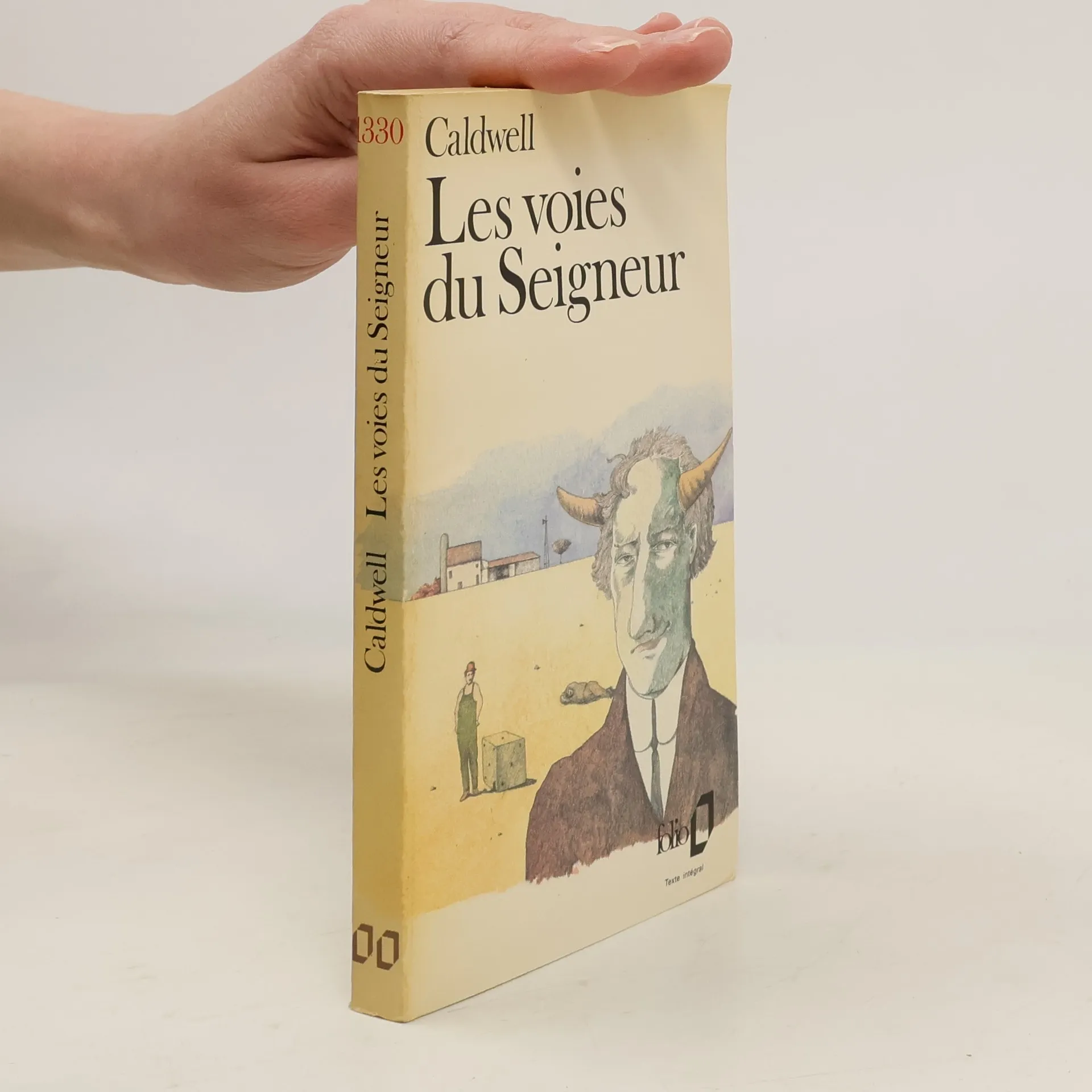
Semon Dye, prédicateur ambulant, parcourt la Géorgie " sur l'ordre du Seigneur " pour sauver les gens du péché. Il arrive un jour, au volant de sa vieille guimbarde, à Rocky Comfort, village perdu dans les terres, et descend chez Clay Horey, un paysan qui, comme tous ses voisins, se dessèche d'ennui. Clay pense que le prédicateur ambulant va le distraire. Mais Semon Dye se montre un hôte plutôt encombrant : il exige les faveurs de Sugar, la petite servante métisse, tire au revolver sur le mari de cette dernière, dépouille Clay d'une montre en or, de son auto et de sa femme en le roulant avec des dés pipés, s'enivre, se fait même le souteneur d'une prostituée, Lorene. Et pourtant, cet aventurier cynique n'en croit pas moins à sa mission évangélique.