Bookbot

Heike Schröder Reihenfolge der Bücher (Chronologisch)

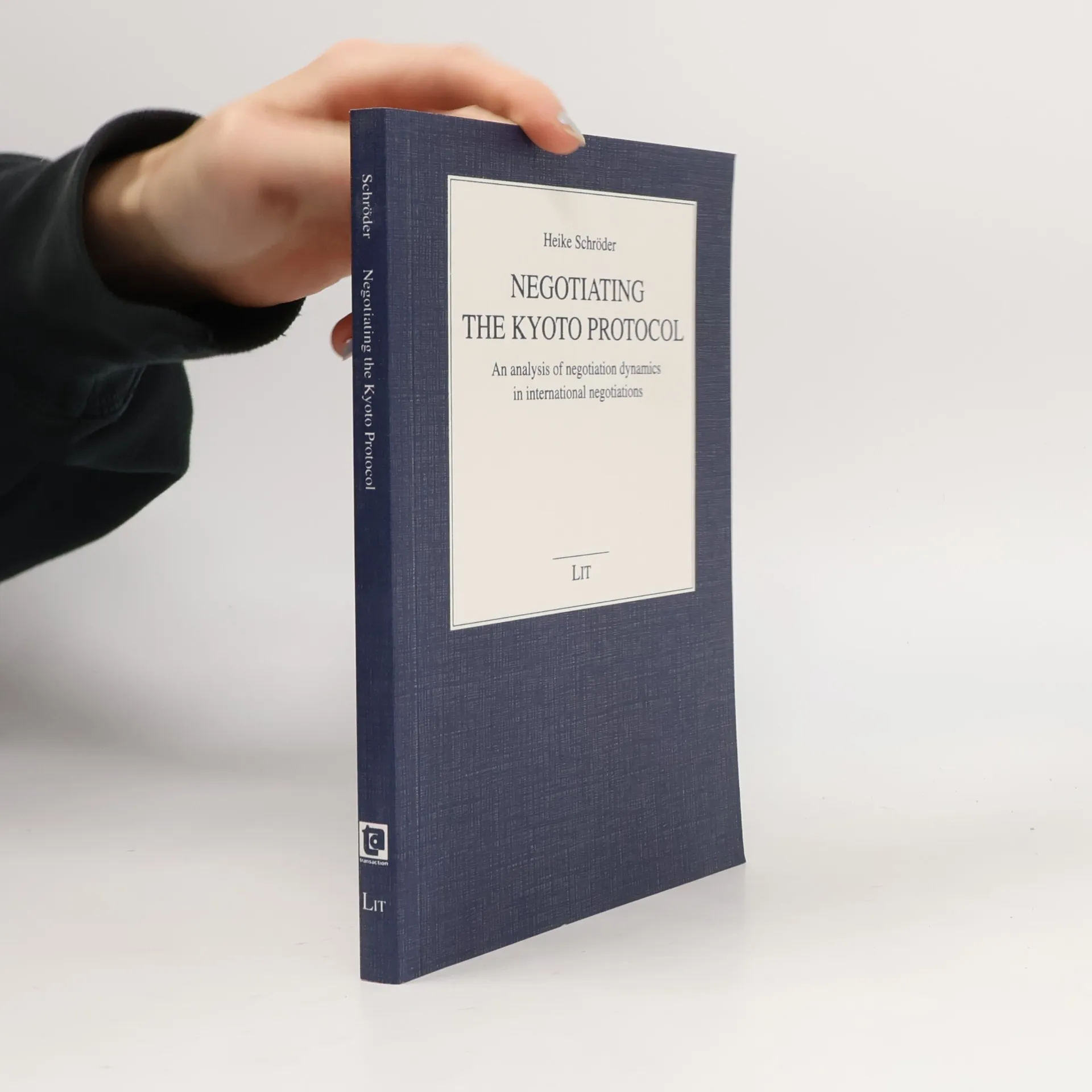
    Negotiating the Kyoto Protocol
    Kunst im Alten Schloß
    Zweistimmig
    Bewegte Abenteuer mit Willy Stark
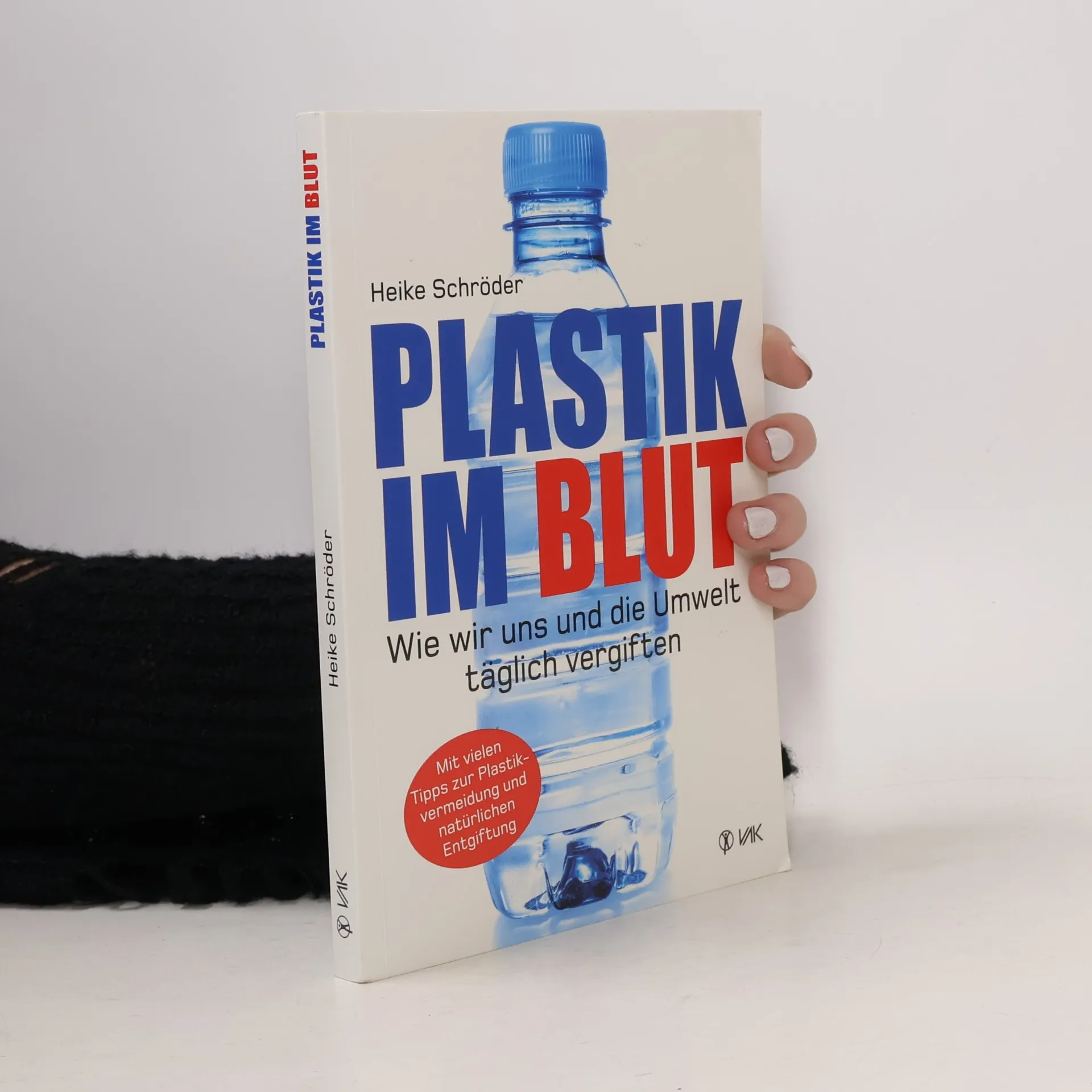
    Plastik im Blut
    • Plastik im Blut

      Wie wir uns und die Umwelt täglich vergiften

      Wir leben in einem Plastikzeitalter mit gravierenden Folgen für Umwelt und Mensch. Plastik ist biologisch nicht abbaubar und zerfällt erst nach mehreren hundert Jahren in kleinere Teile. Dabei setzt es gebundene Chemikalien frei und zieht weitere Chemikalien aus der Umgebung an, wodurch Mikroplastik im Meer schwimmt und in die Nahrungskette gelangt. Auch aus dem Plastik, das uns umgibt und mit dem unsere Nahrung in Kontakt kommt, können giftige Chemikalien austreten, die wir einatmen oder essen. Fatalerweise haben wir alle bereits Chemikalien aus Plastik im Blut. Mit dem signifikanten Anstieg der Plastikproduktion in den letzten 50 Jahren stiegen auch die sogenannten Zivilisationskrankheiten wie Allergien, Asthma, Rheuma, Diabetes und viele andere. Diese Erkrankungen weisen eine Entzündungskomponente auf, was darauf hinweist, dass das Immunsystem keine zusätzlichen Reize mehr toleriert. Hormonbedingte Erkrankungen nehmen ebenfalls zu, wobei viele Wissenschaftler Umwelthormone, wie Chemikalien aus Plastik, dafür verantwortlich machen. Dieses Buch richtet sich an alle, die die Umwelt und sich selbst schützen wollen, und an diejenigen, die „natürlich“ gesund leben möchten, um in Zukunft kein Plastik mehr im Körper zu haben.
      Plastik im Blut2017
      3,6
    • Negotiating the Kyoto Protocol

      An Analysis of Negotiation Dynamics in International Negotiations

      • 336 Seiten
      • 12 Lesestunden

      Climate change has become an important policy area, one which has been gaining momentum since the adoption of the Kyoto Protocol in December 1997. The Kyoto Protocol was adopted by 159 nations after a tenacious final marathon of negotiations, during which all unresolved issues were hammered out one by one. The commitments that were finally agreed upon exceeded the original expectations. Despite its shortcomings, the Kyoto Protocol is a constructive compromise worthy of commendation, and is therefore a remarkable diplomatic achievement. The aim of this book is not only to present an introduction to the historical, legal and political foundations of the Kyoto Protocol, but also to offer a thorough analysis of the negotiation process at the Kyoto Conference. It investigates the positions, interests and strategies of three crucial players, the EU, US and Japan, on the issue of climate change and examines how these influenced the outcome of the negotiations. Furthermore, it examines the imp

      Negotiating the Kyoto Protocol2001