Cait FlandersReihenfolge der Bücher (Chronologisch)
Cait Flanders befasst sich mit dem bewussten Leben und ermutigt die Leser, gesellschaftliche Erwartungen abzulegen und ihren eigenen Weg zu gehen. Ihre Schriften bieten einen Rahmen für die Bewältigung von Lebensübergängen und ein Leben mit größerem Sinn. Durch persönliche Experimente und aufschlussreiche Anleitungen befähigt sie den Einzelnen, seinen täglichen Lebensstil neu zu gestalten und bedeutungsvollere Entscheidungen zu treffen. Flanders' Werk bietet sowohl Inspiration als auch praktische Werkzeuge für alle, die ein bewussteres und wirkungsvolleres Leben führen möchten.
The author offers a trail map to letting go of stories that are no longer serving you, and creating an intentional life that emphasizes the beauty of the natural world, the importance of gaining new perspectives, the joys of real human connection, and the peace that comes from living in harmony with your own values.
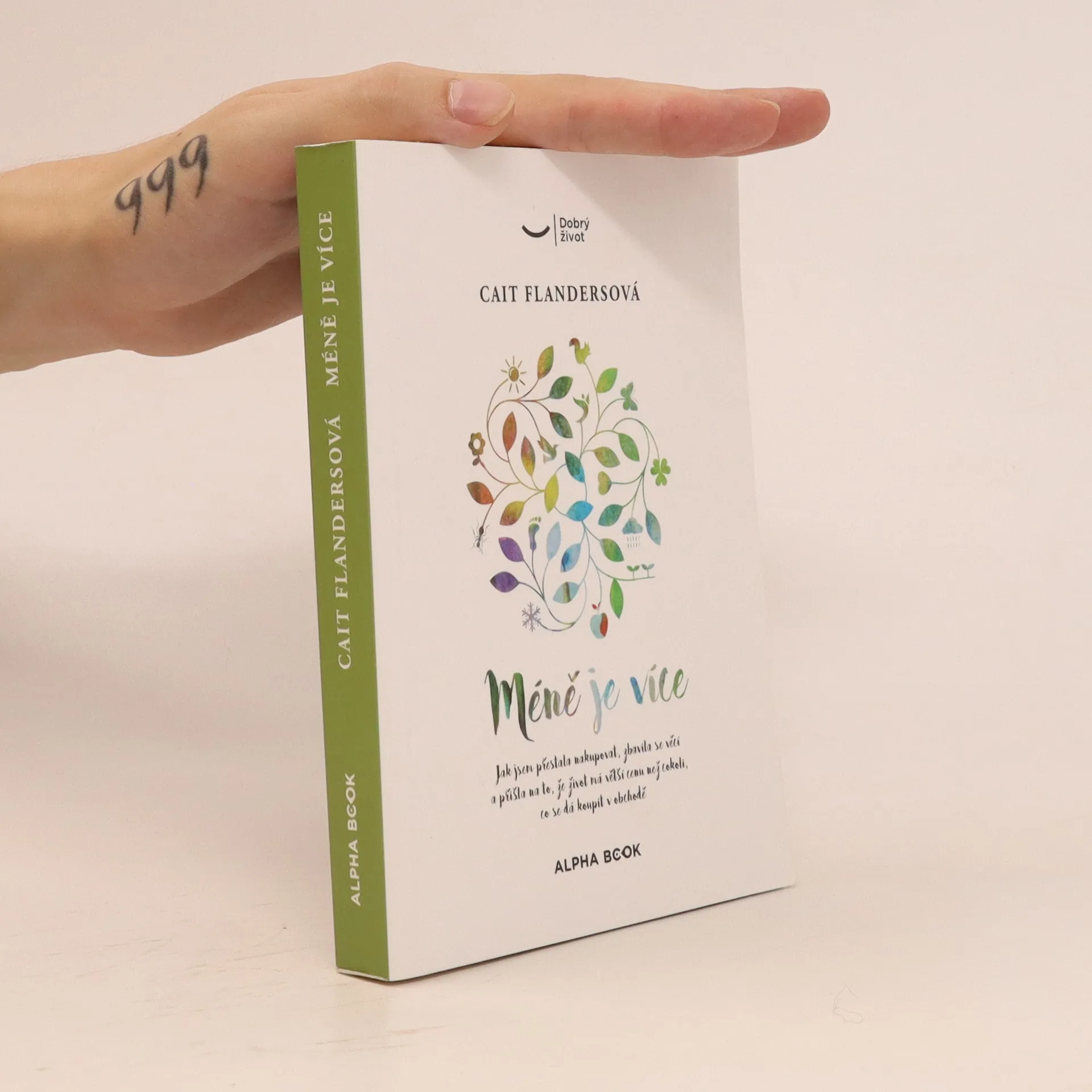
Před třicítkou se Cait Flandersová ocitla v začarovaném kruhu konzumu, který postihuje mnoho z nás: touha stále více vydělávat, více nakupovat, více chtít. Dokonce i potom, co se jí povedlo zbavit se dluhu 30 000 dolarů na kreditních kartách, ovládly staré zlozvyky Cait znovu. Když si uvědomila, že nic z toho, co dělá, a nakupuje, jí nepřináší pocit štěstí – naopak jí pouze brání v dosahování osobních cílů – rozhodla se pro těžkou zkoušku: po celý jeden rok nic nenakupovat.
Méně je více dokumentuje život Cait během 12 měsíců, kdy si kupovala pouze potraviny, toaletní potřeby a benzín do auta. Během tohoto období si dala předsevzetí omezit se i v mnoha jiných oblastech, než je jen nakupování. Uspořádala si byt, přičemž se zbavila 70 procent všech věcí, které vlastnila; naučila se věci opravovat, místo aby je vyhazovala; začala se zajímat o hnutí „Bez odpadu“; a dodržovala zákaz televize. V každé fázi si uvědomovala, že čím méně konzumuje, tím se cítí naplněnější.
Když se Cait během toho roku ocitla v situacích, které jí převrátily život naruby, stala se pro ni tato výzva záchranným lanem. Tváří v tvář strádání si uvědomila, proč vždy utíkala k nakupování, alkoholu a jídlu – a co za to musela zaplatit. Bez možnosti sáhnout ke svým obvyklým neřestem změnila své zvyky, a zjistila, na čem jí doopravdy záleží.
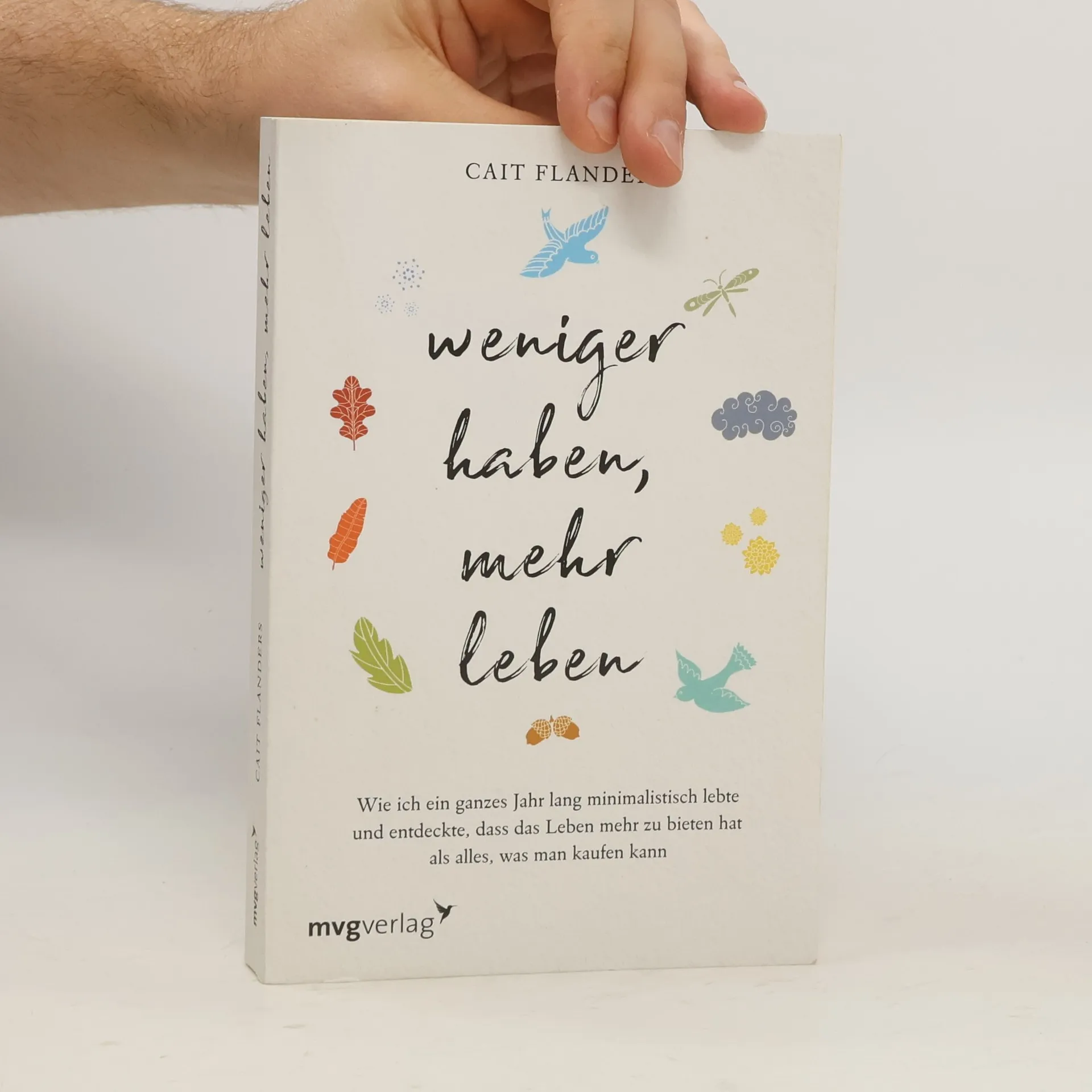
Wie ich ein ganzes Jahr lang minimalistisch lebte und entdeckte, dass das Leben mehr zu bieten hat als alles, was man kaufen kann
Mit Ende zwanzig ist Cait Flanders nur noch unglücklich. Sie steht vor einem Schuldenberg, trinkt und shoppt zu viel. Und auch wenn sie es schließlich schafft, ihre Finanzen in den Griff zu bekommen, fällt sie immer wieder in alte Gewohnheiten zurück, die sie von ihren eigentlichen Zielen abhalten. Also beschließt sie, für ein Jahr nur noch das Nötigste zu kaufen: Benzin, Essen, Hygieneartikel. Sie entrümpelt ihre Wohnung, gibt einen großen Teil ihres Besitzes weg. Da sie nicht mehr auf ihre vorherigen Verhaltensweisen zurückgreifen kann, änderte sie ihre Gewohnheiten. Mit jedem Teil, das sie weggibt, befreit sie sich ein Stück weit selbst. Um nach einem Jahr ein komplett neues, besseres Leben zu führen.