

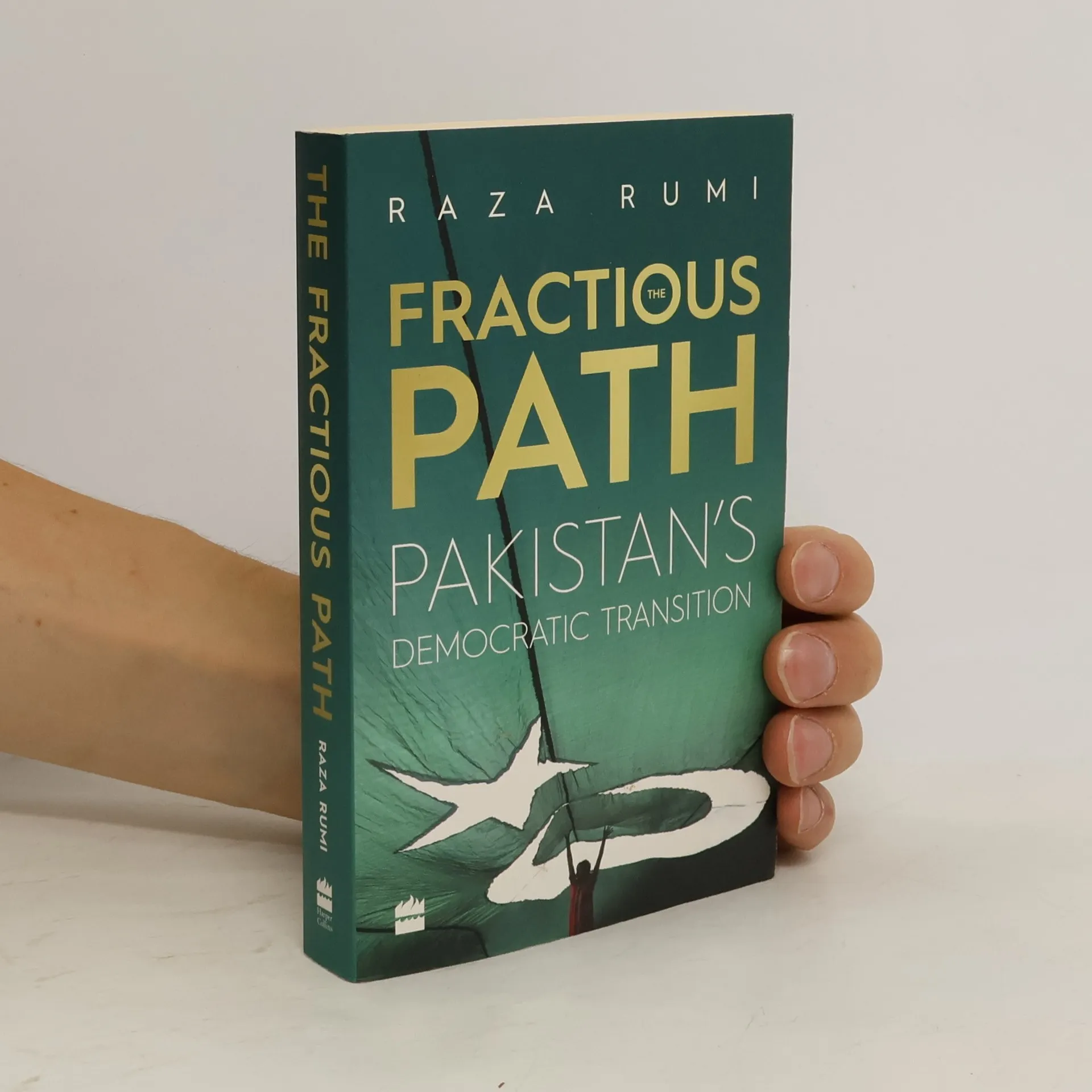
Since its creation in 1947, Pakistan has oscillated between weak democratic governments and brutal military dictatorships, the latter ruling for about half its existence. In 2013, for the first time, there was a peaceful transfer of power from a democratic government that had completed its tenure to another. The question is: will it last? To understand this, Raza Rumi examines the crucial years between 2008 and 2013, which marked the transition from General Pervez Musharraf's authoritarian regime to a democratic order. Pakistan underwent a series of turbulent events in 2007, including the assassination of Benazir Bhutto in December of that year. Two months later, the elections returned her party to power, putting in place a hybrid military-democratic government. Grappling with the spillover of conflict in Afghanistan, jihadist insurgency and a fragile economy, Pakistan's democracy had to contend with the imbalances inherent to the country's power structure. Reporting from the ground as these political developments were unravelling, Rumi provides a unique window on contemporary Pakistan - its democratic transition, internal security, extremism, governance, foreign policy and the future of democracy in the country.
Raza Rumi Bücher
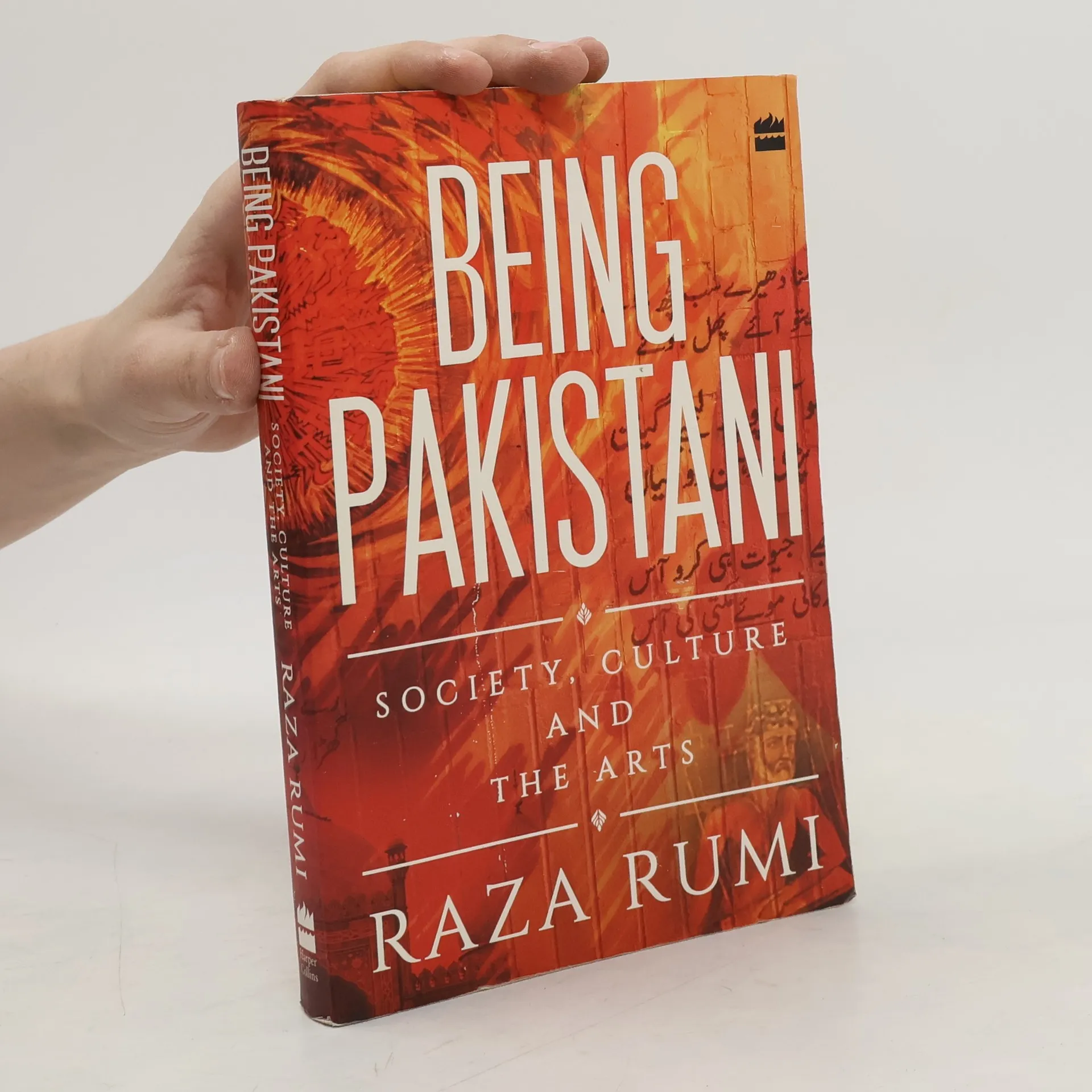
How different is Pakistan’s culture from that of India? Exploring various aspects of the arts, literature and heritage of Pakistan, Raza Rumi argues that culture in Pakistan is not particularly unique to the nation, but rather a part of the cultural identities shared by South Asians. From the songs of Kabir and the ballads of Bulleh Shah to the cult of the feminine in the Sindh region, Rumi takes a kaleidoscopic view of the deep-set cultural mores that tie India and Pakistan together. Going further, he examines aspects of the visual arts, poetry, music and literature of Pakistan that impact global cultural narratives. Finally, he introduces readers to contemporary Pakistani writers and artists and the milieu in which they express their creativity, giving us a fascinating glimpse into cultural productions in Pakistan today. Being Pakistani is a riveting account of artistic traditions and their significance in present-day Pakistan, presenting an alternative view of the country, beyond the usual headlines that focus on political instability and terrorism.