

The narrative unfolds the dramatic clash between a minuscule organism and a powerful empire, exploring themes of survival, resilience, and the far-reaching impacts of nature on human history. Through vivid storytelling, the author delves into the intricate relationship between humanity and the natural world, highlighting how a seemingly insignificant entity can challenge and reshape the course of an empire. Rich in historical detail, this epic tale captures the tension and consequences of this extraordinary encounter.
William Rosen Bücher
William Rosen war ein Historiker und Autor, der komplexe Themen durch fesselnde Erzählungen zum Leben erweckte. Sein Stil, der Anekdoten nutzte, um Fäden von Entdeckungen und Innovationen zu verknüpfen, zog die Leser in die Geschichten von Wissenschaft und Technologie. Rosen argumentierte, dass die Fähigkeit, schrittweise Fortschritte zu messen, der Schlüssel zu nachhaltigen Innovationen ist, was sein tiefes Interesse daran widerspiegelt, wie Fortschritt die Welt gestaltet. Seine Arbeit zeigt die Vernetzung historischer Ereignisse und wissenschaftlicher Durchbrüche und deren Einfluss auf die menschliche Zivilisation.
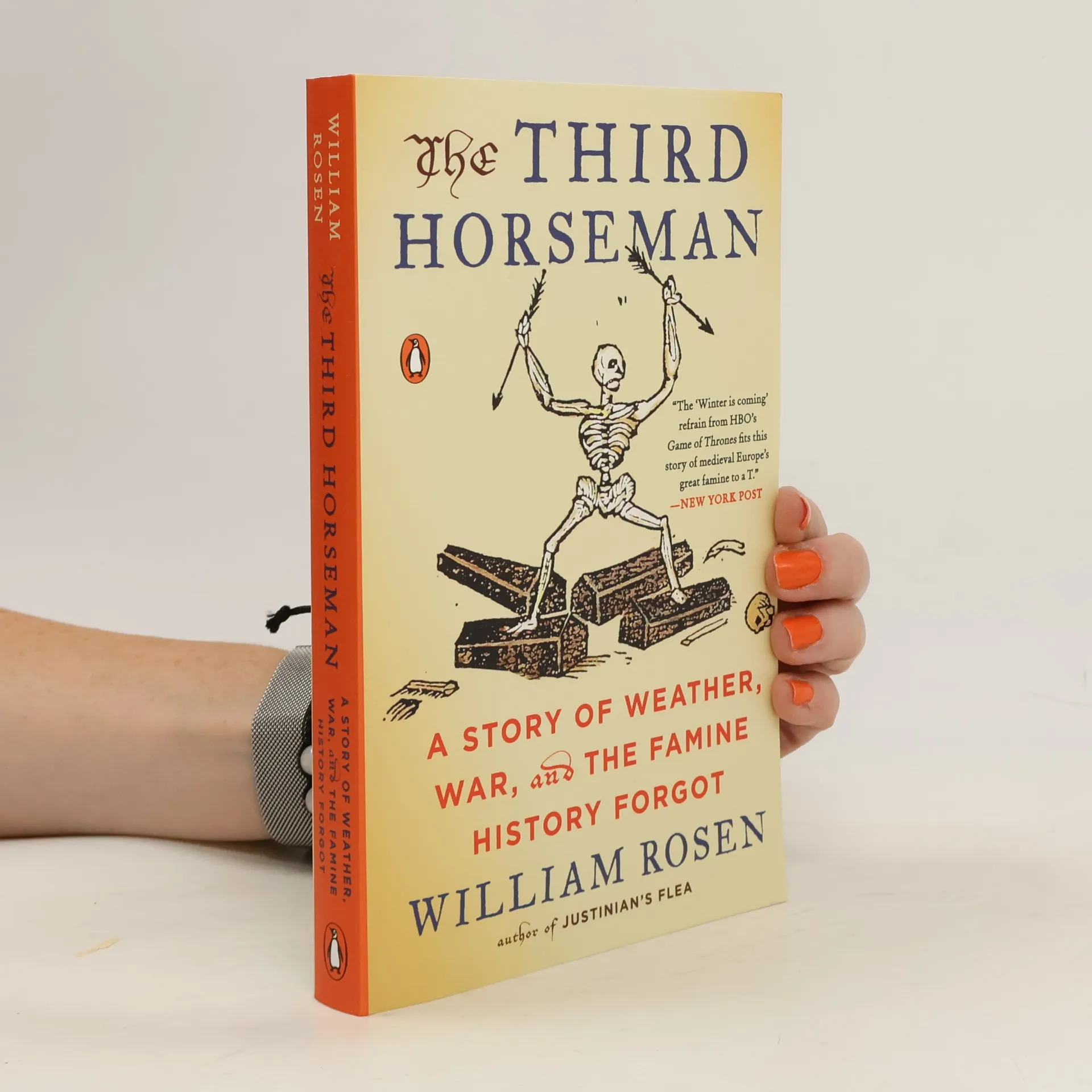

The incredible true story of how a cycle of rain, cold, disease, and warfare created the worst famine in European history—years before the Black Death, from the author of Justinian's Flea and the forthcoming Miracle Cure In May 1315, it started to rain. For the seven disastrous years that followed, Europeans would be visited by a series of curses unseen since the third book of Exodus: floods, ice, failures of crops and cattle, and epidemics not just of disease, but of pike, sword, and spear. All told, six million lives—one-eighth of Europe’s total population—would be lost. With a category-defying knowledge of science and history, William Rosen tells the stunning story of the oft-overlooked Great Famine with wit and drama and demonstrates what it all means for today’s discussions of climate change.