Verlyn Flieger ist Autorin, Herausgeberin und Professorin für Anglistik an der University of Maryland in College Park. Sie lehrt Vergleichende Mythologie, mittelalterliche Literatur und die Werke von J. R. R. Tolkien. Ihre Forschung befasst sich mit tiefgreifenden Archetypen und erzählerischen Strukturen, die über Kulturen und Jahrhunderte hinweg Anklang finden. Durch ihre Expertise bietet sie den Lesern eine fesselnde Erkundung der Mythen und Legenden.
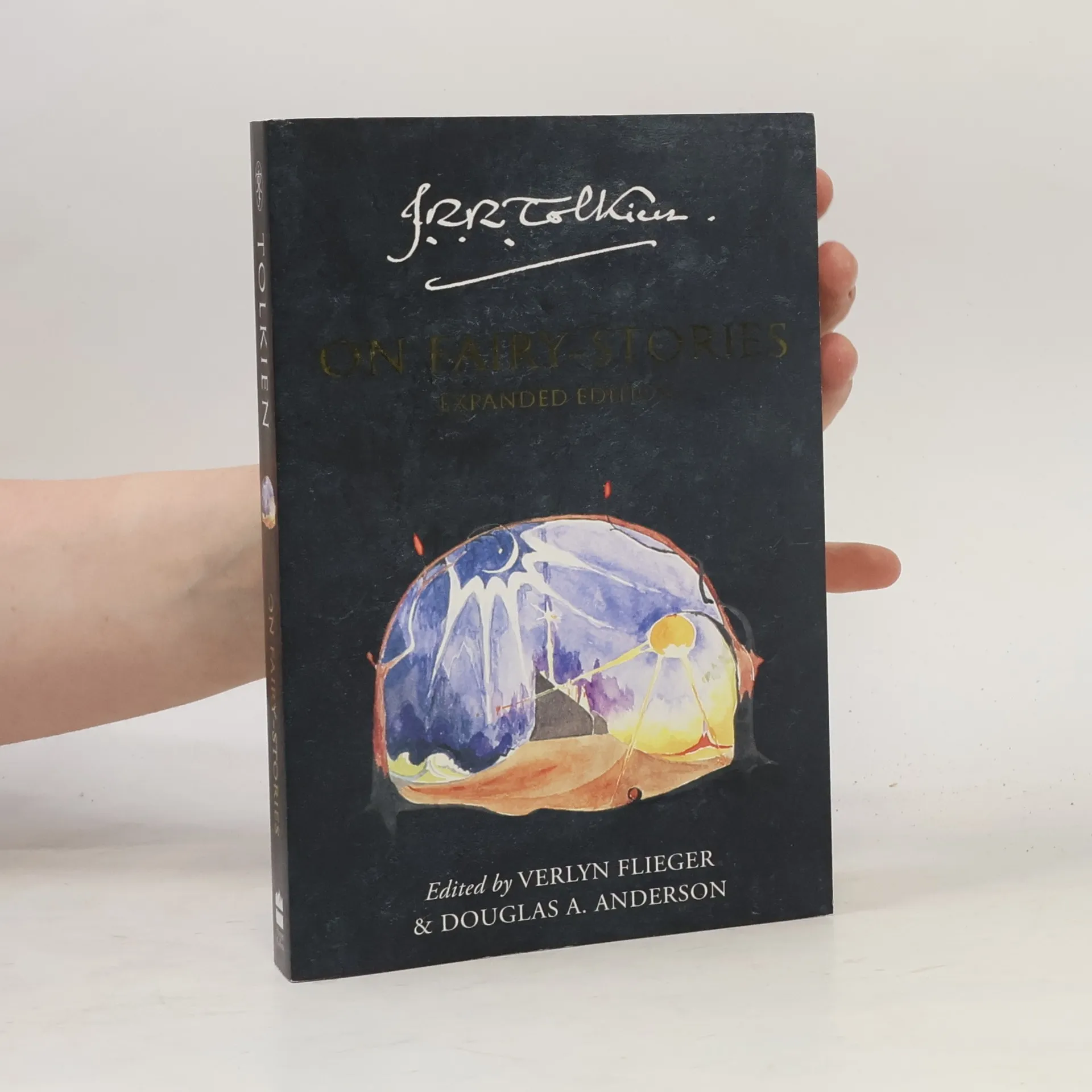
A new expanded edition of Tolkien's most famous, and most important essay, which defined his conception of fantasy as a literary form, and which led to the writing of The Lord of the Rings. Accompanied by a critical study of the history and writing of the text.
Flieger attempts to illuminate the structure of The Silmarillion, allowing the
reader to appreciate its broad, overarching design and its careful,
painstaking construction.
Set in the expansive territories of Britain's colonies, the narrative explores the lives of characters navigating the complexities of colonialism and identity. It delves into themes of adventure, conflict, and the cultural exchanges that occur in this diverse landscape. The story highlights the struggles and triumphs of individuals as they confront the challenges of their environment and their relationships with one another, providing a rich tapestry of experiences that reflect the historical context of the time.
J. R. R. Tolkien is perhaps best known for The Hobbit and The Lord of the Rings, but it is in The Silmarillion that the true depth of Tolkien's Middle-earth can be understood. The Silmarillion was written before, during, and after Tolkien wrote The Hobbit and The Lord of the Rings. A collection of stories, it provides information alluded to in Tolkien's better known works and, in doing so, turns The Lord of the Rings into much more than a sequel to The Hobbit, making it instead a continuation of the mythology of Middle-earth. Verlyn Flieger's expanded and updated edition of Splintered Light, a classic study of Tolkien's fiction first published in 1983, examines The Silmarillion and The Lord of the Rings in light of Owen Barfield's linguistic theory of the fragmentation of meaning. Flieger demonstrates Tolkien's use of Barfield's concept throughout the fiction, showing how his central image of primary light splintered and refracted acts as a metaphor for the languages, peoples, and history of Middle-earth.
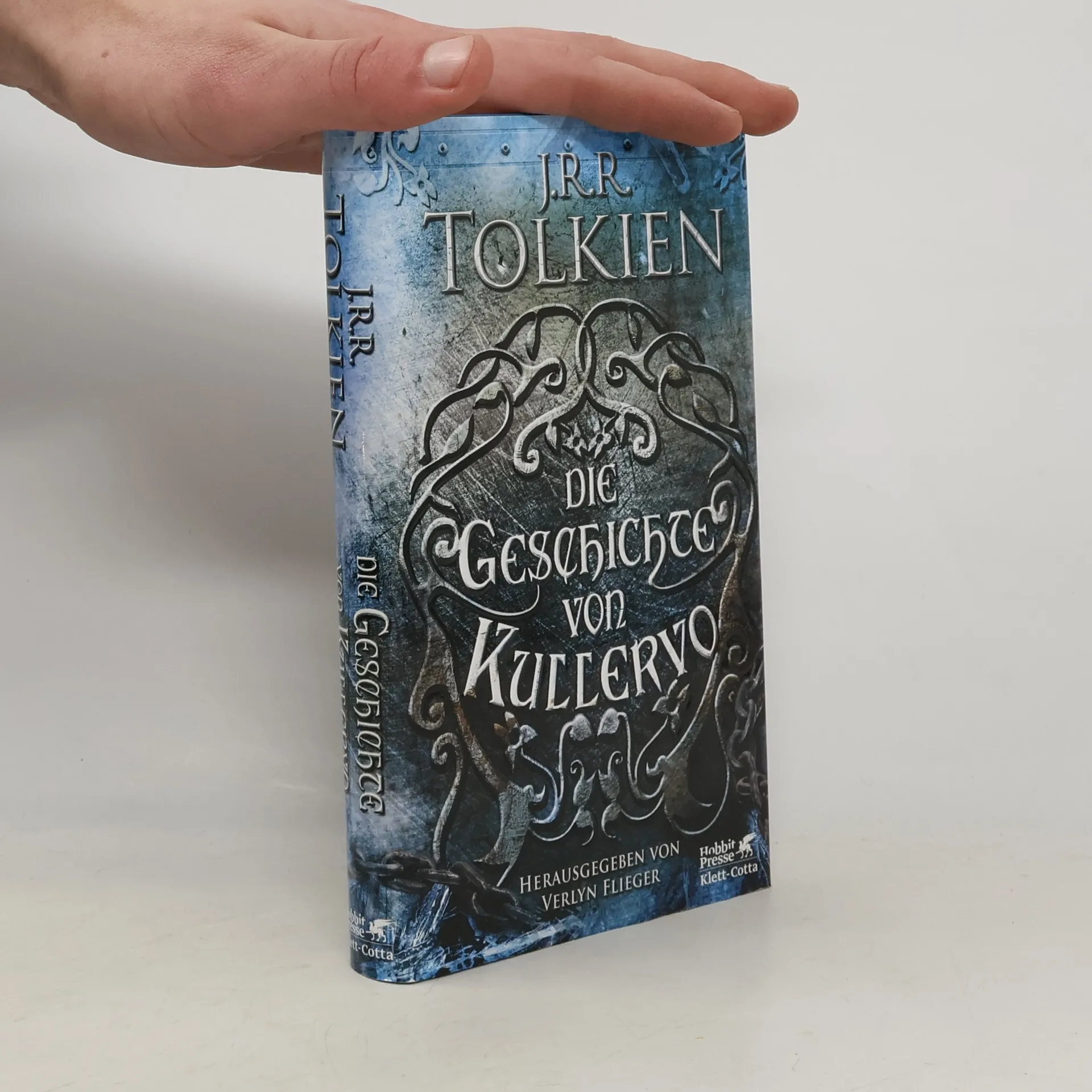
Kullervo ist ein Waisenknabe mit übernatürlichen Kräften und einem tragischen Schicksal. Er wächst bei seinem Onkel, dem dunklen Magier Untamo, auf. Jener hatte seinen Vater umgebracht, seine Mutter entführt und Kullervo selbst, als er noch ein Junge war, dreimal zu töten versucht. Diese Geschichte wurde noch nie in anderen Tolkien-Ausgaben veröffentlicht. Kullervo hat niemanden mehr außer seiner Zwillingsschwester Wanona, die ihn liebt, und dem schwarzen Hund Musti, der ihn mit seinen magischen Fähigkeiten beschützt. Als er in die Sklaverei verkauft wird, schwört er, dass er sich an seinem Onkel rächen wird. Doch muss er lernen, dass es vor dem grausamsten aller Schicksale kein Entkommen gibt. Die auf der finnischen Kalevala-Sage basierende Geschichte ist nicht nur das erste Dokument von Tolkiens außergewöhnlicher Erzählkunst, sondern ein wichtiger Bestandteil der Legenden des Ersten Zeitalters von Mittelerde. Sie erscheint in der hervorragenden Übersetzung von Joachim Kalka.