

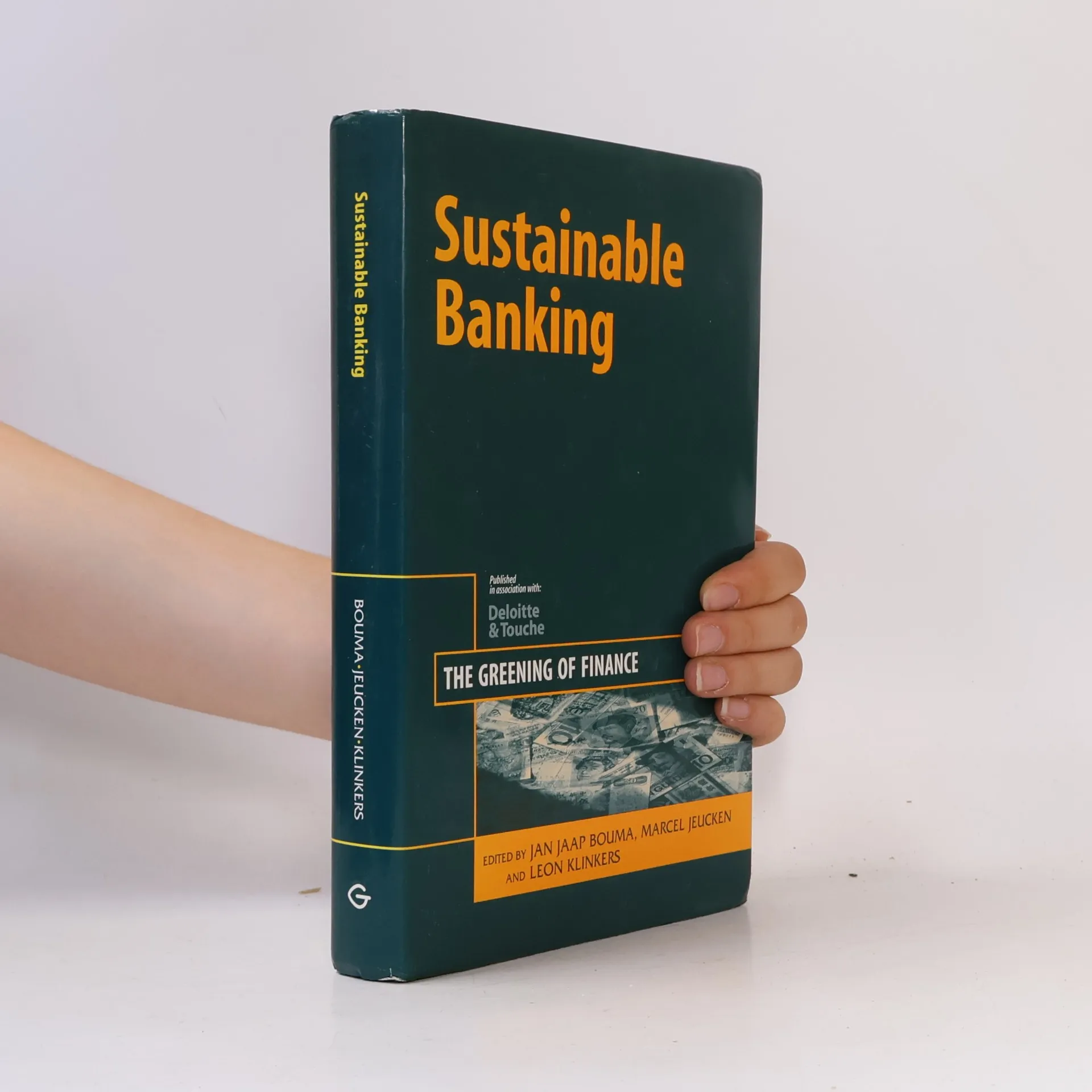
This comprehensive addition to the debate on sustainable development assesses how the financial services sector is responding to increasing shareholder and stakeholder expectations regarding social and environmental performance. Many commentators argue that banks, due to their intermediary role in economies, have a significant potential contribution to sustainable development. The notion that corporate sustainability enhances long-term shareholder value is gaining traction. Historically, banks have been slow to evaluate their exposure to environmental and social risks and the business opportunities presented by sustainable development. However, this is beginning to change, with risk and opportunity now integral to banking policies on environmental sustainability. The book uses case studies and analysis to explore banks' environmental policies, the importance of transparency, ethical investment funds, and current practices in environmental risk management. It also highlights the roles of government, NGOs, and multilateral banks in promoting sustainability. While progress has been made, sustainable banking remains a work in progress. The book emphasizes the need for banks to improve transparency and accountability in lending policies and to measure customers' environmental performance to encourage better practices. It showcases successful examples from co-operative and social sectors that larger banks can emulate, demonstrating
Jan Jaap Bouma Bücher
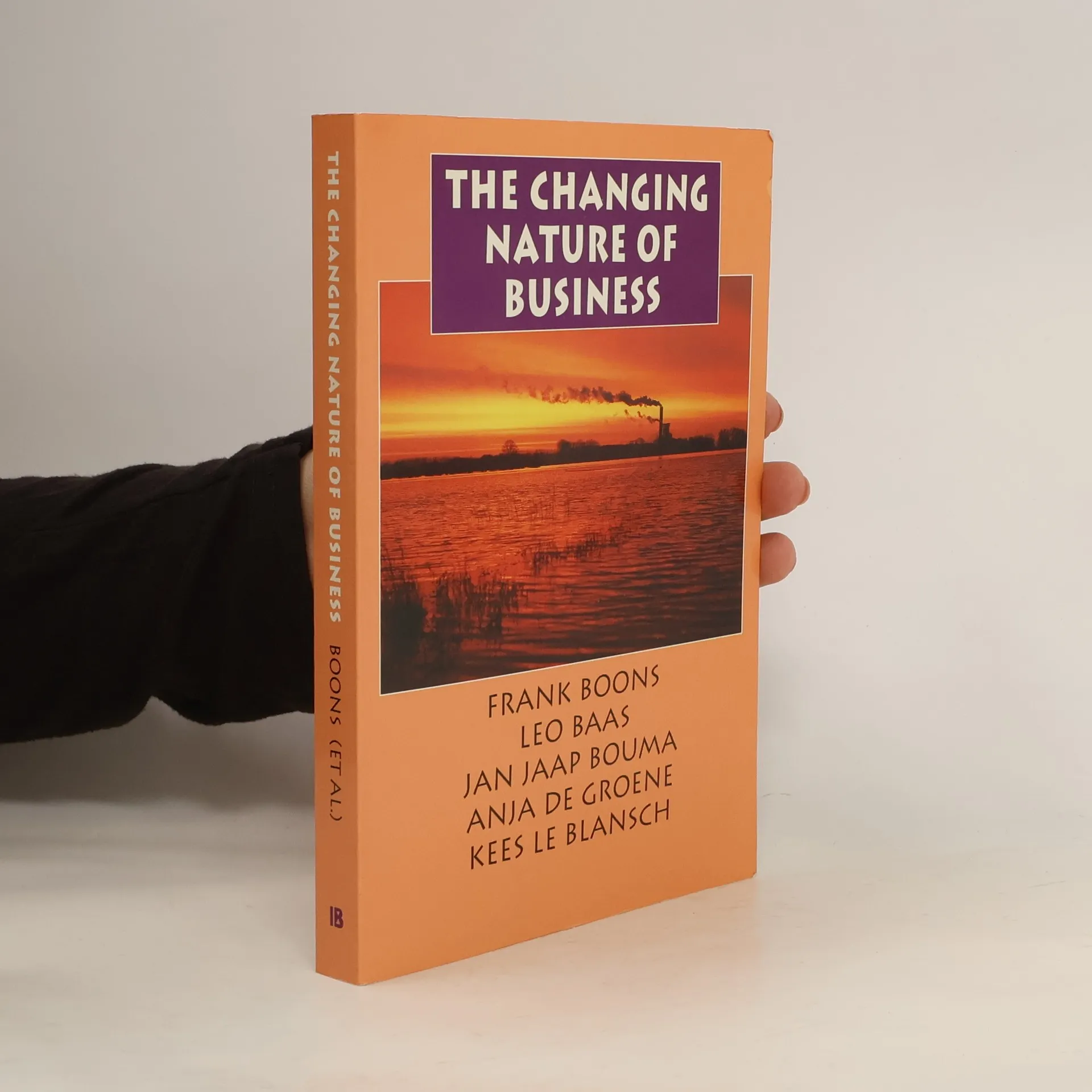
The Changing Nature of Business
Institutionalisation of Green Organisational Routines in the Netherlands 1986-1995
- 320 Seiten
- 12 Lesestunden
Which substantial changes have occurred in the last decade, with regard to the way in which Dutch firms deal with the environmental effects of their activities? The book addresses four levels of organisational new conceptual models; new ways of acting; alternative processes of strategic decision making; and new values. Changes on these levels are linked to mechanisms as market selection, pressure from governmental agencies, and the influence of professional education. This provides a basis for discussing the extent to which this change is fundamental.