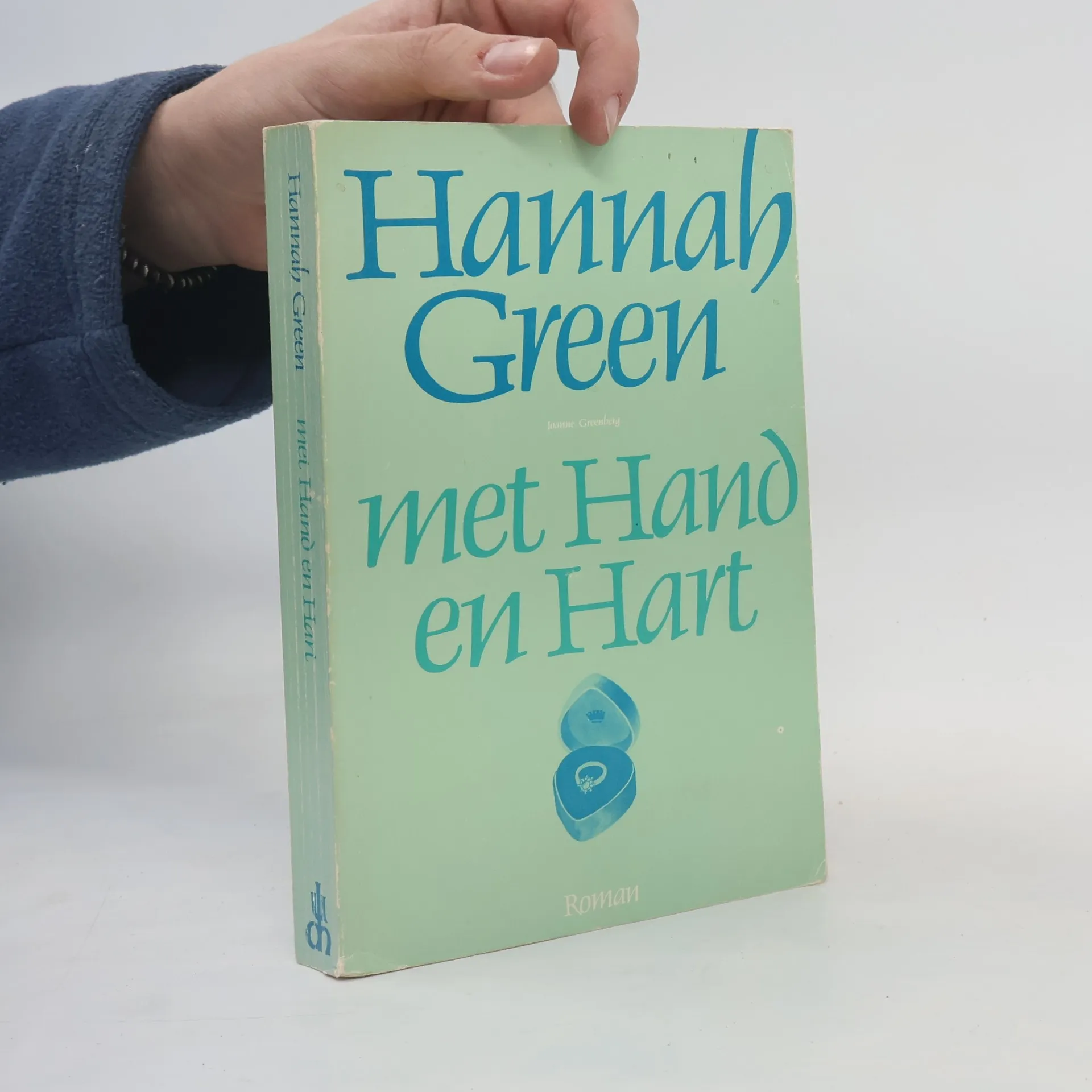
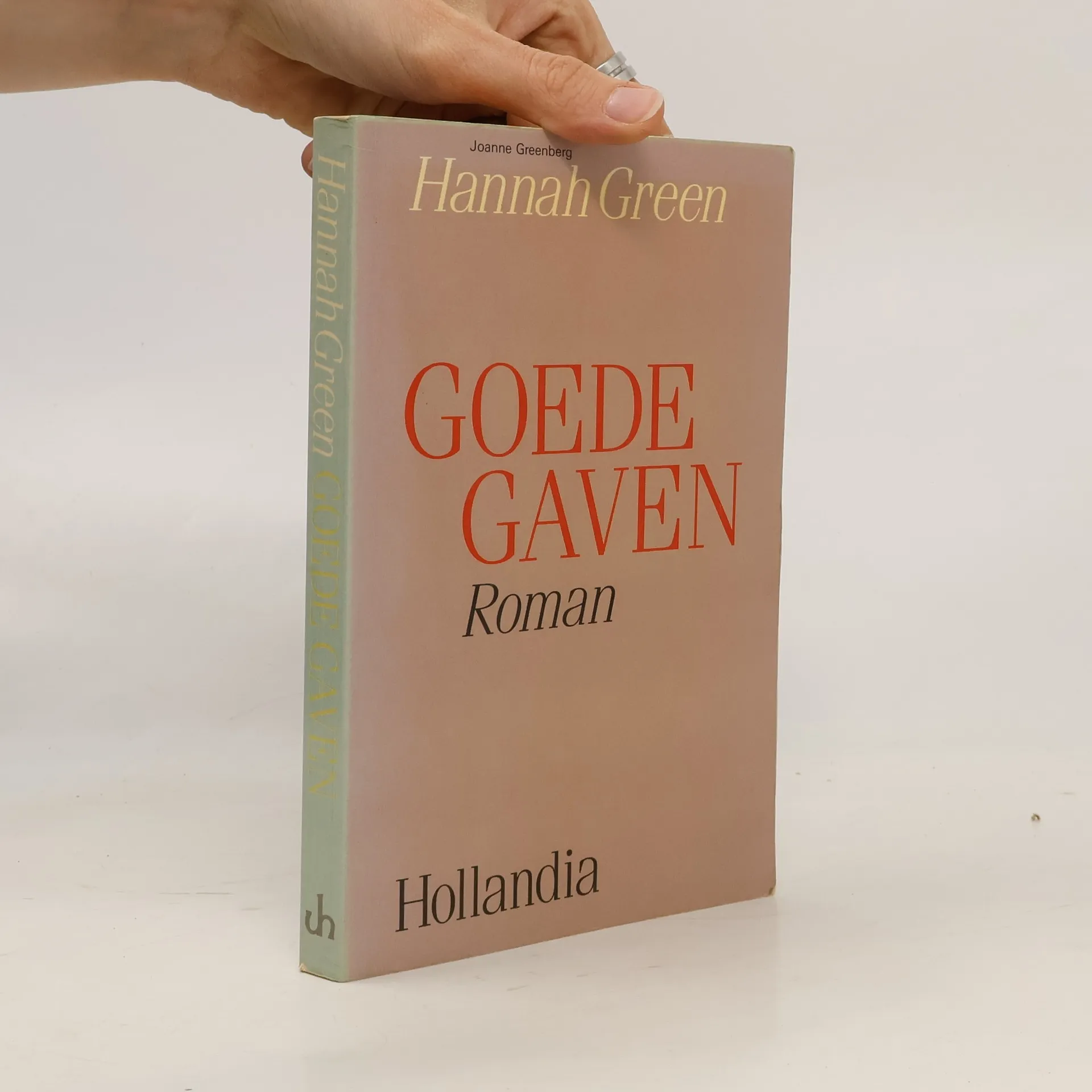
De leden van het Amerikaanse boerengezin Fleuri uit Colorado doen op hun eigen, simpele wijze verslag van hun belevenissen sinds het bezoek van een federaal ambtenaar aan hun armoedige boerderij. Hun armzalige, verouderde boerenbedrijfje moet een vakantieoord voor vermoeide academici en kunstenaars worden. Voorwaarde is echter dat de boerderij in absoluut authentieke staat wordt hersteld en dat de bewoners - met hun geleerde gastarbeiders - precies zo leven en werken als honderd jaar geleden, met soms hilarische gevolgen.
On Sunday afternoon, June 25, 1876, Gen. George Custer and 264 members of the U.S. Seventh Cavalry engaged more than 3,000 warriors of the Lakota Sioux, Arapaho, and Cheyenne nations and were killed in the ensuing battle. Acclaimed historian Dee Brown traces the events of that day and of the weeks before, through the eyes and ears of seventeen participants from both sides, including Natives, scouts, soldiers, and civilians. Why did Custer divide his forces? Why did he not take his regiment’s Gatling guns? Why did he expect Sitting Bull to surrender without a fight? How did Sitting Bull’s vision at the sun dance on the Rosebud foretell the occasion and the outcome of the battle? How did war chiefs Crazy Horse and Gall take advantage of Custer’s tactical errors? And why did they preserve Custer’s body from mutilation? Showdown at Little Big Horn answers these and other questions, telling the story of the fight from many points of view, based on reports, diaries, letters, and testimony of the participants themselves. Together the accounts provide a gripping narrative of a punitive expedition gone badly awry and an assemblage of Native peoples who forestalled for a while the army’s domination of the northern plains.
Janice und Abel können sich nur durch Gesten miteinander verständigen. Sie leben in einer Welt ohne Töne. Welche Schwierigkeiten und Demütigungen sie durch ihre Umwelt erleben und welche Freude und Schmerzen mit ihren gesunden Kindern, von ihrer Armut und ihrem Lebenswillen erzählt dieser mitfühlende, authentische und ungewöhnliche Familienroman.
An enormously popular (7-million copies sold) and insightful classic of popular psychology based on Eric Berne’s theory of Transactional Analysis that has helped millions of people who never before felt OK about themselves find the freedom to change, to liberate their ADULT effectiveness, and to achieve joyful intimacy with the people in their lives. Transactional analysis delineates three ego-states (parent, adult and child) as the basis for the content and quality of interpersonal communication. “Happy childhood” notwithstanding, says Harris, most of us are living out the not ok feelings of a defenseless child wholly dependent on ok others (parents) for stroking and caring. At some stage early in our lives we adopt a “position” about ourselves which very significantly determines how we feel about ourselves, particularly in relation to other people. And for a huge portion of the population, that position is that I’m Not OK-You’re OK. This negative Life Position, shared by successful and unsuccessful people alike, contaminates our rational adult potential, leaving us vulnerable to the inappropriate, emotional reactions of our child and the uncritically learned behavior programmed into our parent. By exploring the four basic “life positions,” we can radically change our lives.