Het Evangelie
De bijbel van de christenen: de volledige teksten van de vier bijbelse Evangeliën die het leven van Jezus op aarde beschrijven samengebracht in één goed leesbaar boek
- 255 Seiten
- 9 Lesestunden




De bijbel van de christenen: de volledige teksten van de vier bijbelse Evangeliën die het leven van Jezus op aarde beschrijven samengebracht in één goed leesbaar boek
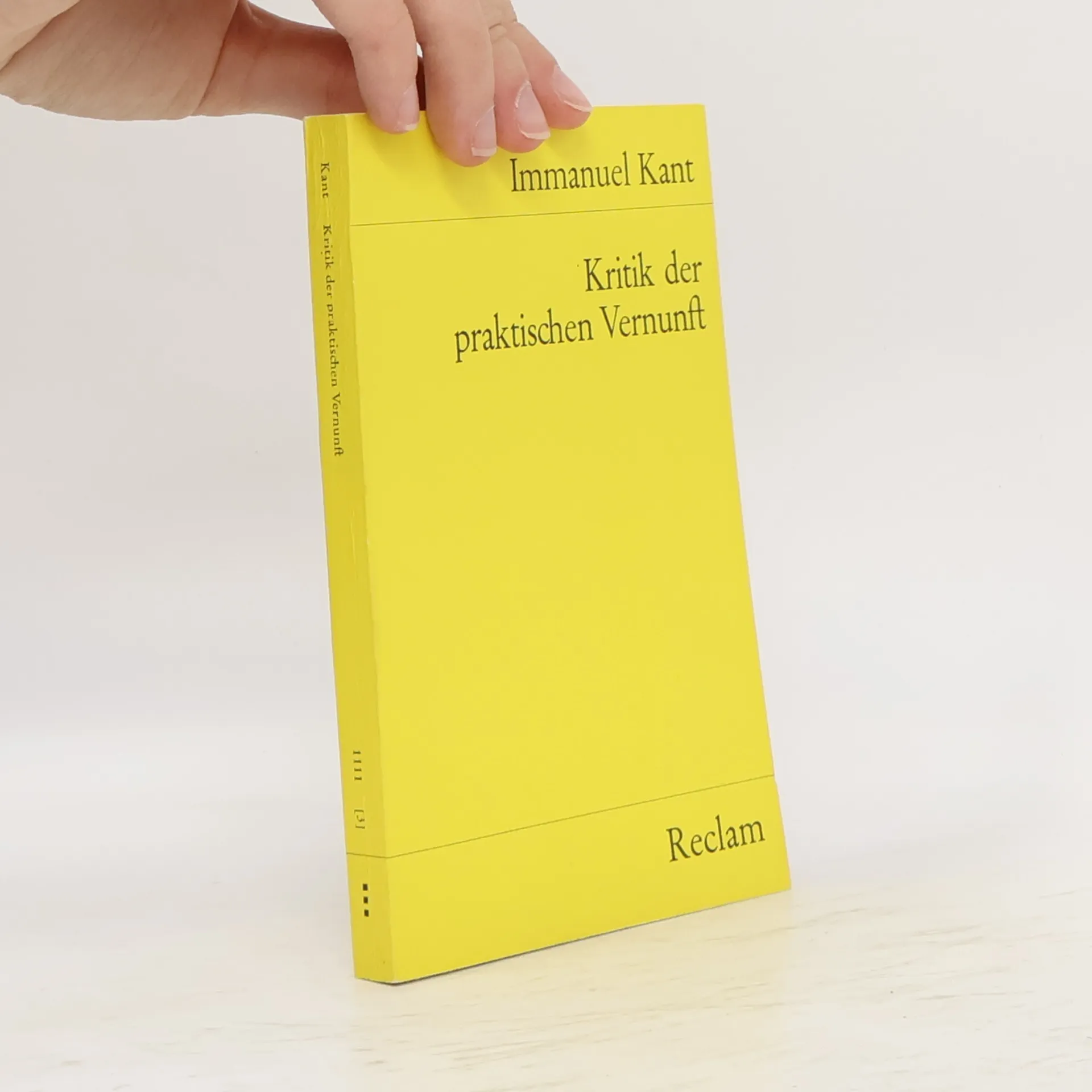
Kritik der praktischen Vernunft (Riga: Johann Friedrich Hartknoch, 1788), 292 pp. [Ak. 5:1-164] “Critique of Practical Reason.” Translated by Lewis White Beck, Immanuel Kant: Critique of Practical Reason & Other Writings in Moral Philosophy (Chicago: University of Chicago Press, 1949). Translated by Mary J. Gregor in Immanuel Kant, Practical Philosophy, edited by Mary J. Gregor (Cambridge: Cambridge University Press, 1996), pp. 139-271. Kant sent the manuscript to the printers (Grünert, in Halle) in the summer of 1787 (letter to C. G. Schütz, 25 June 1787: “I intend to send it to Halle for printing next week” (Ak. 10:490); letter to L. H. Jakob, 11 September 1787: “My Critique of Practical Reason is at Grunert’s now” (Ak. 10:494). Originally given to Wasianski as a gift, Kant’s own copy of this book is available in Halle's university archive. Kant’s marginalia are recorded in the “Lesarten” printed in Ak. 5, & a complete set of facsimilies of this copy is available at the Berlin-Brandenburg Academy of Sciences.
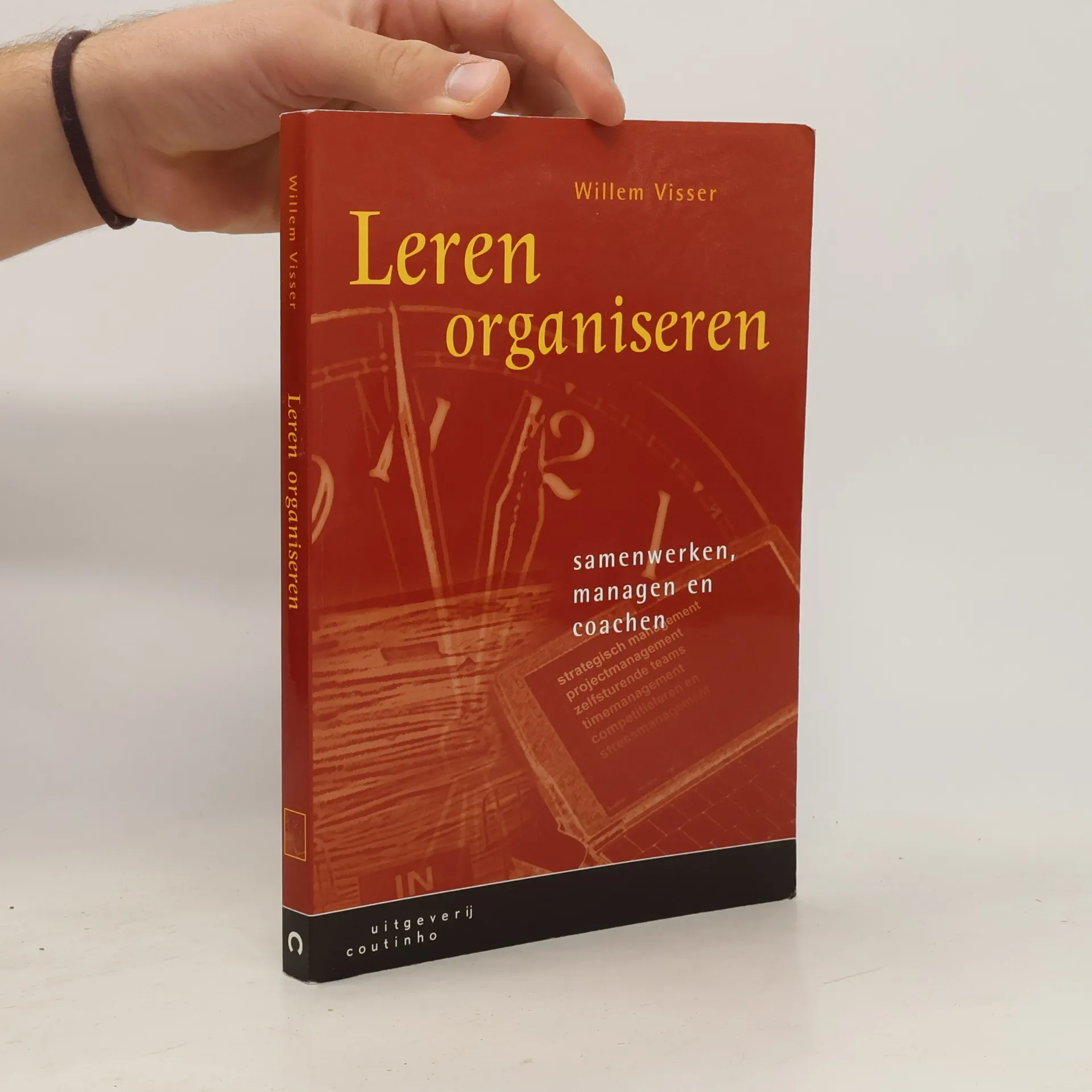
Organiseren is een belangrijk onderdeel van ons bestaan en agenda's zijn onlosmakelijk verbonden met de vormgeving van ons dagelijks leven. Het managen van het dagelijkse bestaan staat in het teken van doelbewust kiezen, plannen en efficiënt omgaan met de beschikbare tijd. Met name binnen organisaties worden steeds meer eisen gesteld aan efficiënt werken en functioneel samenwerken, gericht op strategisch management en eindresultaat op maat.In Leren organiseren komen algemene principes van het organiseren aan bod, zoals plannen, samenwerken, onderhandelen, vergaderen, beleidsmatig werken en leidinggeven. Ook gaat veel aandacht uit naar moderne varianten als projectmatig werken, projectmanagement, strategisch management, time-management, zelfsturende teams, coachen en competentieleren. Vanuit deze brede aanpak wordt een theoretisch kader gegeven waarin de onderlinge samenhang van organisatieontwikkelingen duidelijk wordt gemaakt. Maar de nadruk ligt op het aanleren van vaardigheden en competenties met behulp van de oefeningen en opdrachten die in het boek zijn opgenomen.
Hume opens with a brief biographical sketch and goes on to deal with Hume's philosophical ideas. Professor Ayer gives a general account of Hume's aims and methods, and then examines Hume's theories of perception and self-identity, showing that Hume's arguments for "skepticism with regard to the senses" provide the basis for a positive theory of our knowledge of the external world. Ayer also shows that Hume's analysis of causation is fundamentally correct. When describing Hume's treatment of morals, politics, and religion, Ayer suggests that Hume's moral theory is far more subtle than is usually supposed; that his treatment of politics undermines the theory of the social contract; and that his masterly Dialogues Concerning Natural Religion argues against the validity of theism and Christianity.
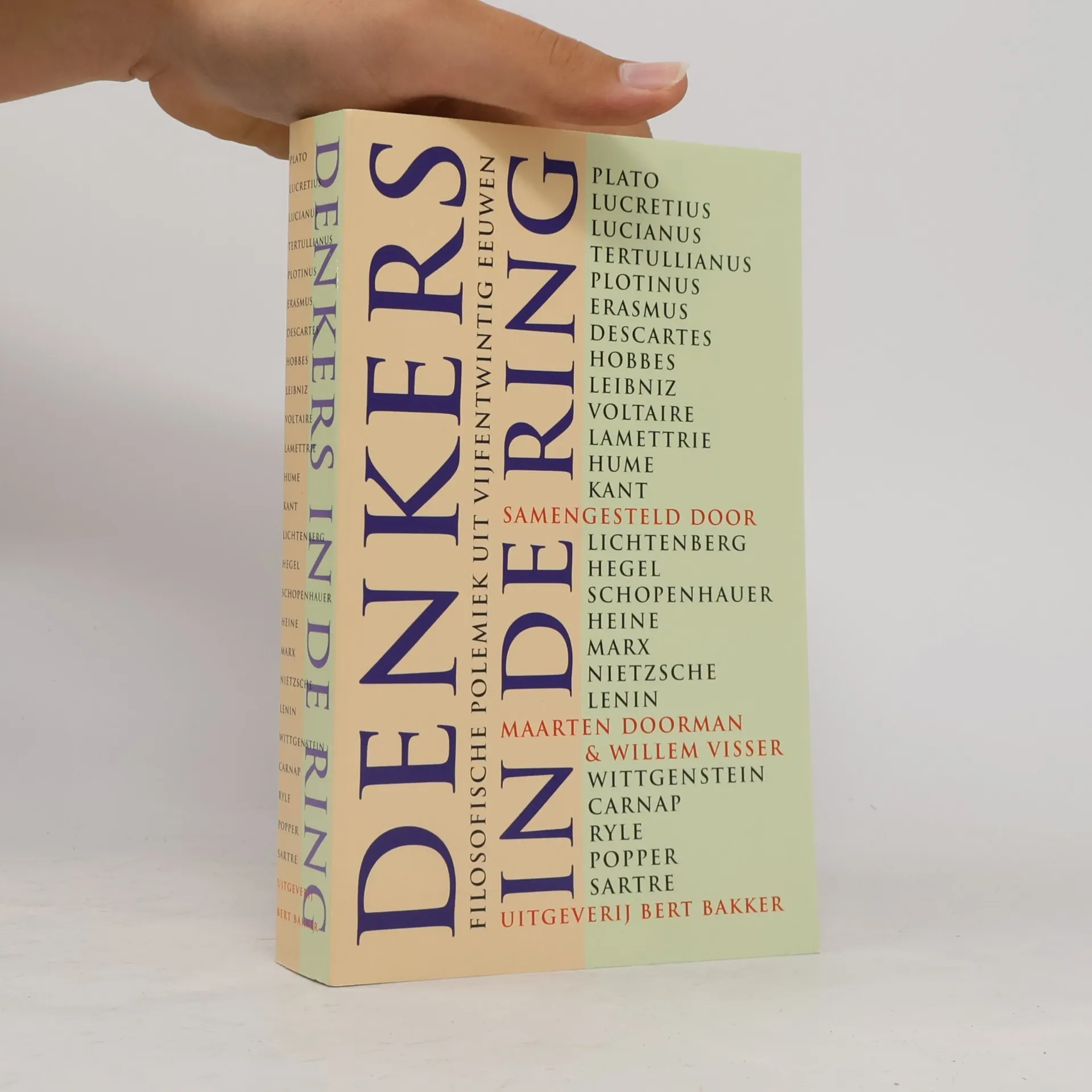
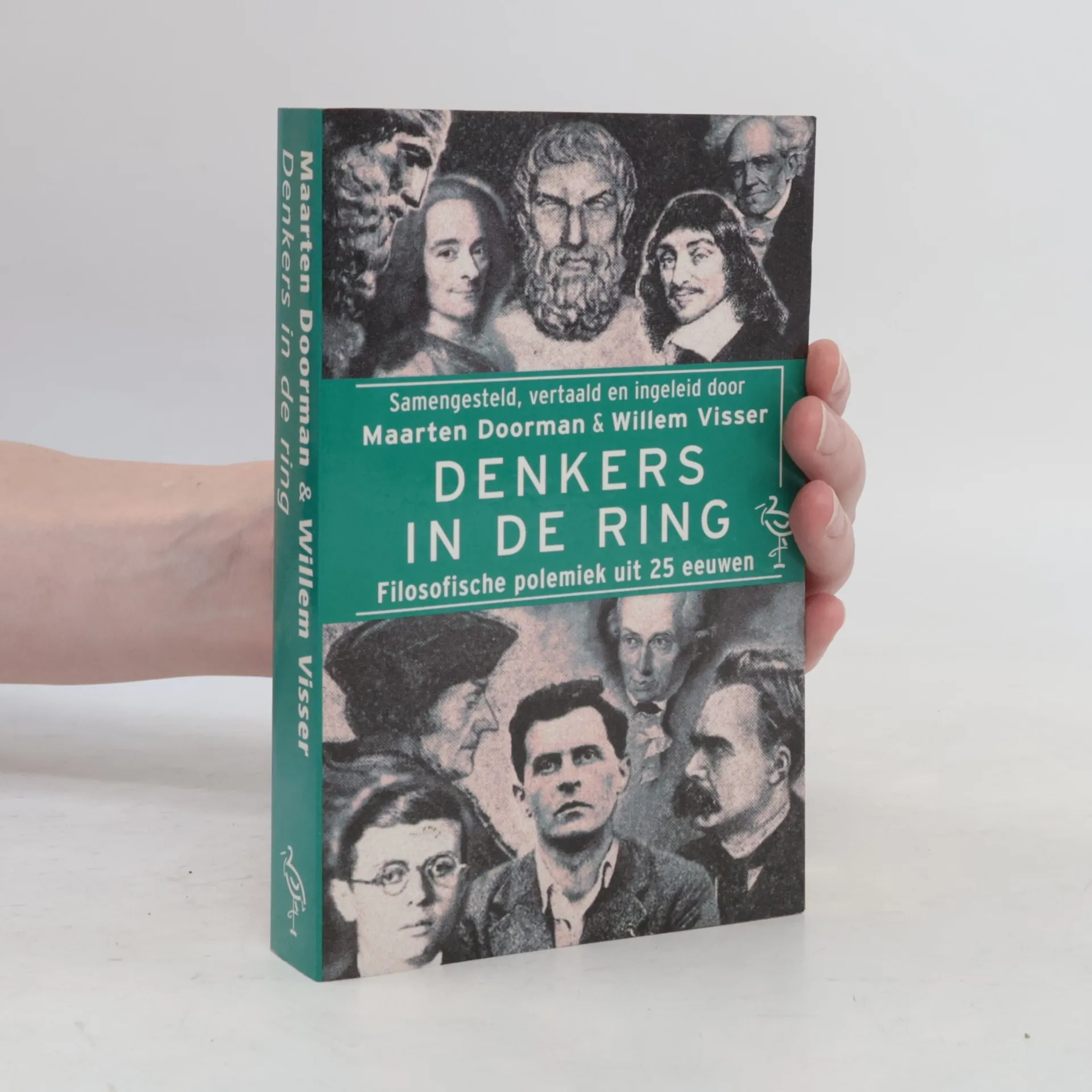
Bloemlezing van polemische teksten van westerse filosofen, van Plato tot Sartre.