


Bookbot

Russ Miles

    Learning UML 2.0
    Learning Chaos Engineering
    Softwareentwicklung von Kopf bis Fuß
    • Learning Chaos Engineering

      Discovering and Overcoming System Weaknesses Through Experimentation

      • 175 Seiten
      • 7 Lesestunden

      Most companies work hard to avoid costly failures, but in complex systems a better approach is to embrace and learn from them. Through chaos engineering, you can proactively hunt for evidence of system weaknesses before they trigger a crisis. This practical book shows software developers and system administrators how to plan and run successful chaos engineering experiments. System weaknesses go beyond your infrastructure, platforms, and applications to include policies, practices, playbooks, and people. Author Russ Miles explains why, when, and how to test systems, processes, and team responses using simulated failures on Game Days. You'll also learn how to work toward continuous chaos through automation with features you can share across your team and organization. Learn to think like a chaos engineer Build a hypothesis backlog to determine what could go wrong in your system Develop your hypotheses into chaos engineering experiment Game Days Write, run, and learn from automated chaos experiments using the open source Chaos Toolkit Turn chaos experiments into tests to confirm that you've overcome the weaknesses you discovered Observe and control your automated chaos experiments while they are running

      Learning Chaos Engineering2019
    • Was lernen Sie mit diesem Buch? Haben Sie sich schon einmal gefragt, was es mit testgetriebener Entwicklung auf sich hat? Oder auf welcher Basis es die richtig guten Consultants schaffen, gewaltige Stundensätze zu kassieren? Vielleicht sind Sie auch gerade an dem Punkt, an dem Sie Ihre Builds automatisieren wollen, Ihren Code in eine Versionskontrolle füttern, einem Refactoring unterziehen oder mit ein paar Entwurfsmustern anreichern wollen. Egal: Wenn Sie mit diesem Buch fertig sind, werden Sie ganz selbstverständlich Ihre Burndown-Rate verfolgen, den Durchsatz Ihres Teams berücksichtigen und sich erfolgreich Ihren Weg durch Anforderungen, Entwurf, Entwicklung und Auslieferung iterieren. Wieso sieht dieses Buch so anders aus? Wir gehen davon aus, dass Ihre Zeit zu kostbar ist, um mit neuem Stoff zu kämpfen. Statt Sie mit Bleiwüstentexten langsam in den Schlaf zu wiegen, verwenden wir für „Softwareentwicklung von Kopf bis Fuß“ ein visuell und inhaltlich abwechslungsreiches Format, das auf Grundlage neuster Forschungsergebnisse im Bereich der Kognitionswissenschaft und der Lerntheorie entwickelt wurde. Wir wissen nämlich, wie Ihr Gehirn arbeitet.

      Softwareentwicklung von Kopf bis Fuß2007
      4,0
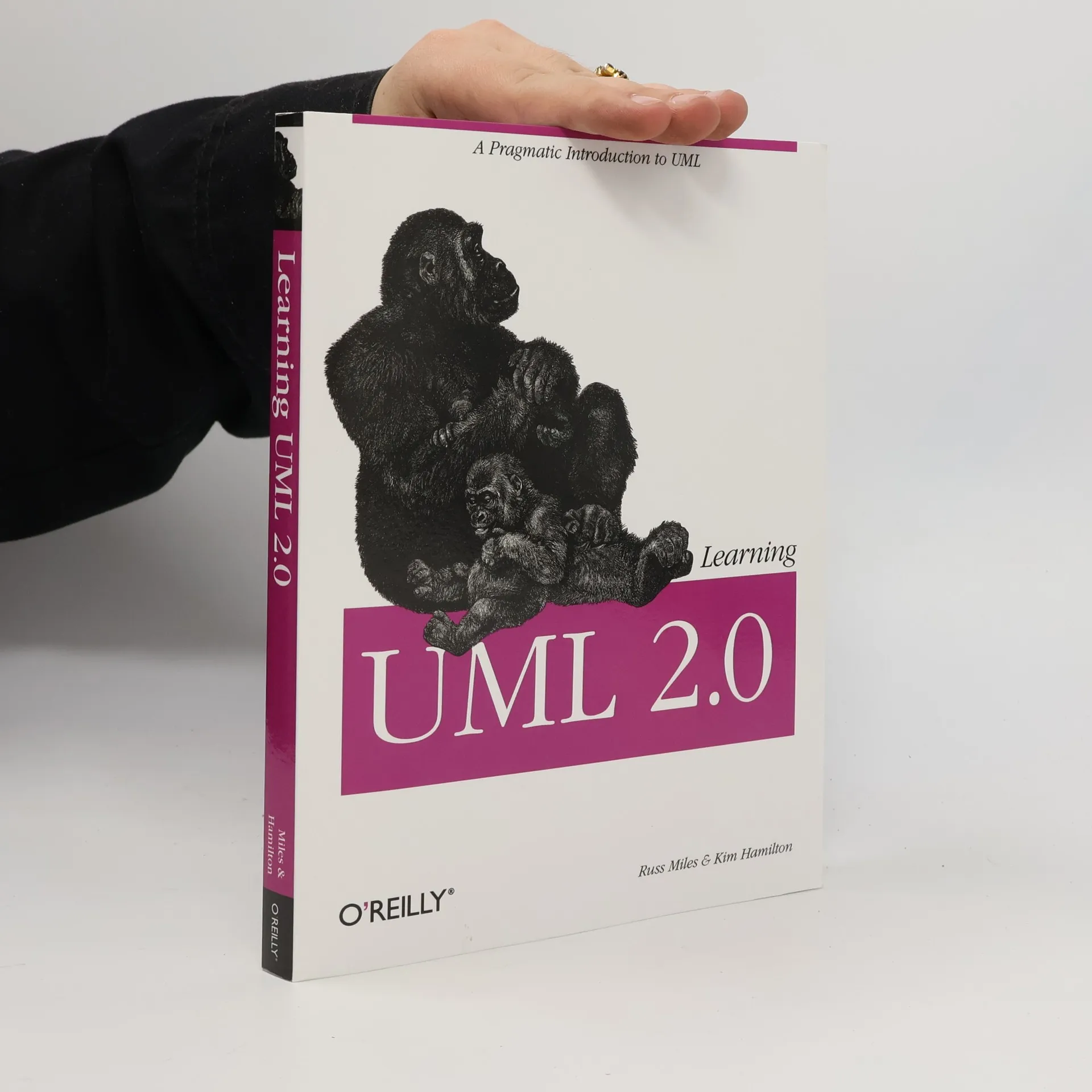
    • Learning UML 2.0

      A Pragmatic Introduction to UML

      • 286 Seiten
      • 11 Lesestunden

      Since its introduction in 1997, the Unified Modeling Language (UML) has transformed software development, becoming a standard supported by every integrated software development environment globally. Learning the latest UML standard, UML 2.0, is essential for all software developers, and this clear, step-by-step guide is the ideal resource for mastering the language. As software systems grow increasingly complex, whether for desktop applications or enterprise systems, managing this complexity is crucial. UML serves as a valuable tool, whether used as a blueprint language, sketch tool, or programming language. This book provides essential insights on applying UML effectively in your projects. Unlike other resources that merely describe UML, this guide teaches practical usage, helping you craft and communicate your project's design. Written by Russ Miles and Kim Hamilton, it offers a pragmatic introduction based on real-world experience rather than theory. Regardless of your software process or methodology, this comprehensive guide is your go-to source for getting started with UML 2.0. Additional exercises and resources are available to enhance your learning experience.

      Learning UML 2.02006