

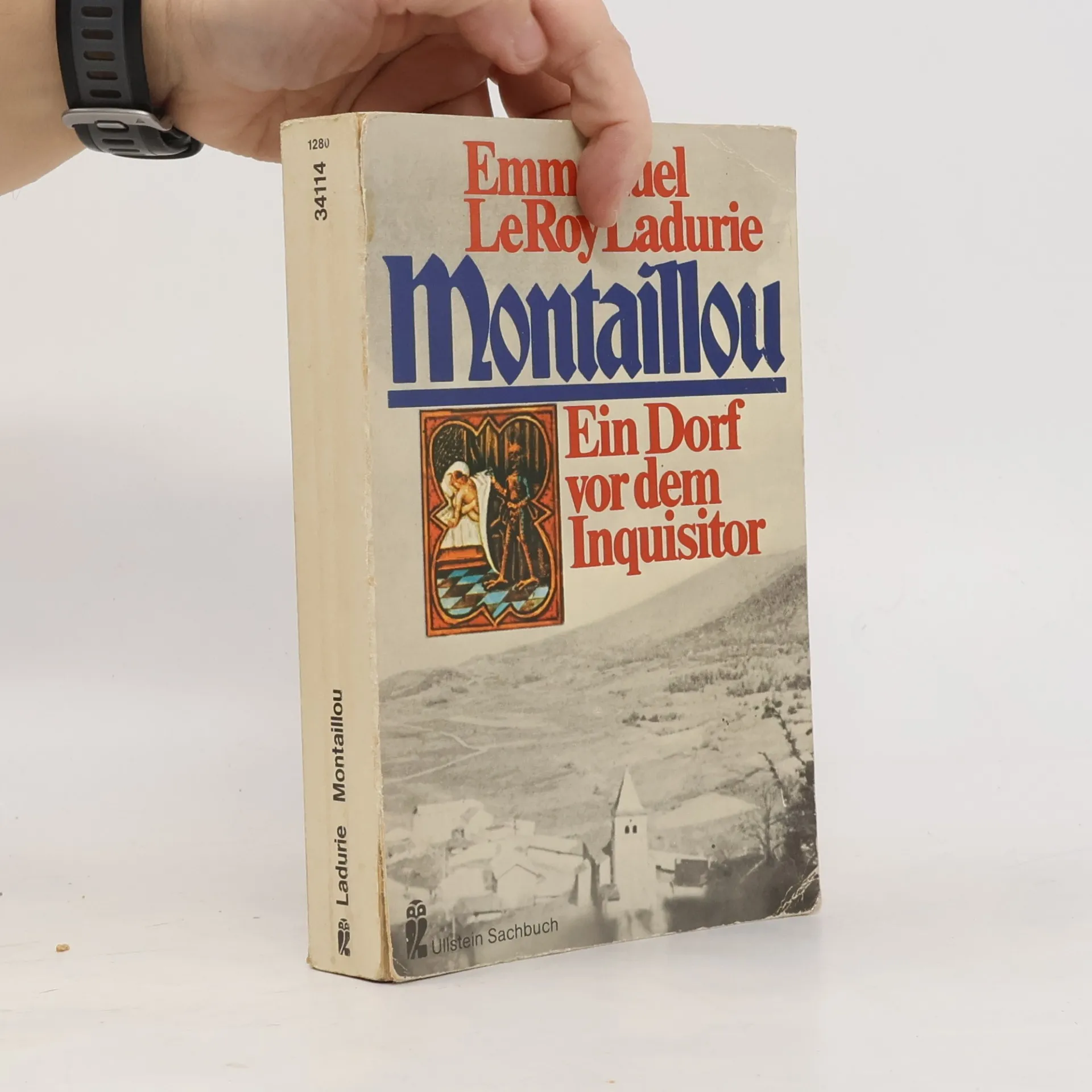
In the early 1300's the village of Montaillou & the surrounding mountainous region of Southern France was full of heretics. When Jacquest Fournier, Bishop of Pamiers, launched an elaborate Inquisition to stamp them out, the peasants & shepherds he interrogated revealed, along with their position on official Catholicism, many details of their everyday life. Basing his absorbing study on these vivid, carefully recorded statements of peasants who lived more than 600 years ago--Pierre Clergue, the powerful village priest & shameless womanizer is even heard explaining his techniques of seduction--eminent historian Le Roy Ladurie reconstructs the economy & social structure of the community & probes the most intimate aspects of medieval life: love & marriage, gestures & emotions, conversations & gossip, clans & factions, crime & violence, concepts of time & space, attitudes to the past, animals, magic & folklore, death & beliefs about the other world.
Emmanuel Bernard Le Roy Ladurie Bücher
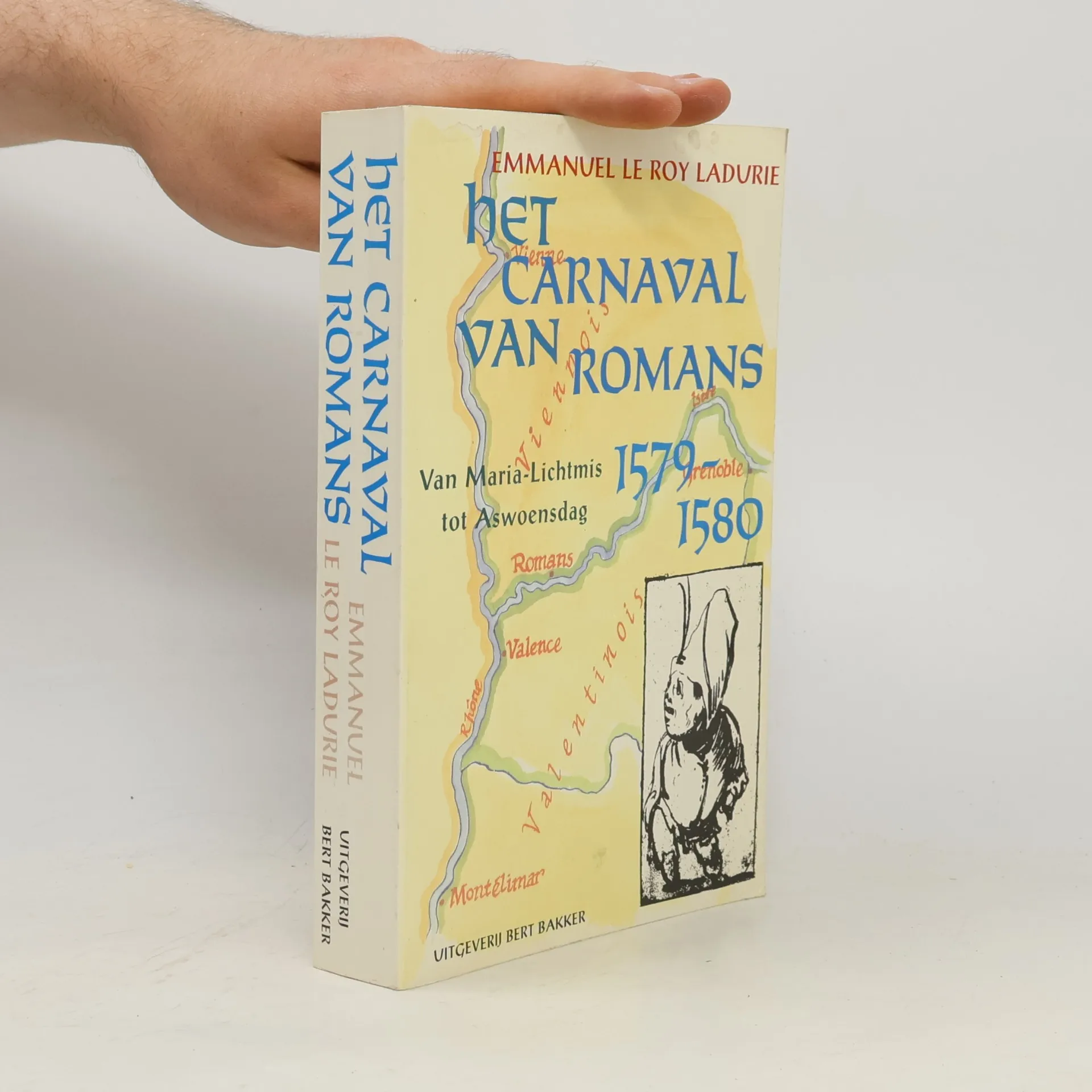
Het carnaval van Romans
- 425 Seiten
- 15 Lesestunden
The city of Romans, in Dauphine province in S. France, was the annual scene of a colorfully animated Mardi gras carnival. In 1580, however, winter festivities degenerated into bloody ambush. While costumed craftsmen & peasants mimed & danced their uprising in the streets, & notables & bourgeoisie hurried from banquets to balls in ostentatious finery, Jean Serve-Paumier, master craftsman, draper & popular party leader was assassinated, his supporters beaten & pursued by a mob hired by Judge Antoine Guerin, leader of the inflexibly reactionary part of the ruling party. More than a cruel incident, this night marked the intersection of an urban movement & even larger rural stirrings. Ladurie marshals a wealth of evidence & reveals the town of Romans as a microcosm of the political & religious antagonisms tearing 16th-century France. Le Carnival de Romans: de la chandeleur au mercredi des cenders describes the massacre of about 20 artisans at an annual carnival. Ladurie uses the two surviving eyewitness accounts--one hostile towards the victims by Guérin, the other sympathetic yet often inaccurate by Piémond--along with such information as plague & tax lists, to treat the massacre as a microcosm of rural political, social & religious conflicts, thereby providing a good example of microhistory.