The French Air Force in the First World War
- 160 Seiten
- 6 Lesestunden
Photographic history of the French air force in the First World War



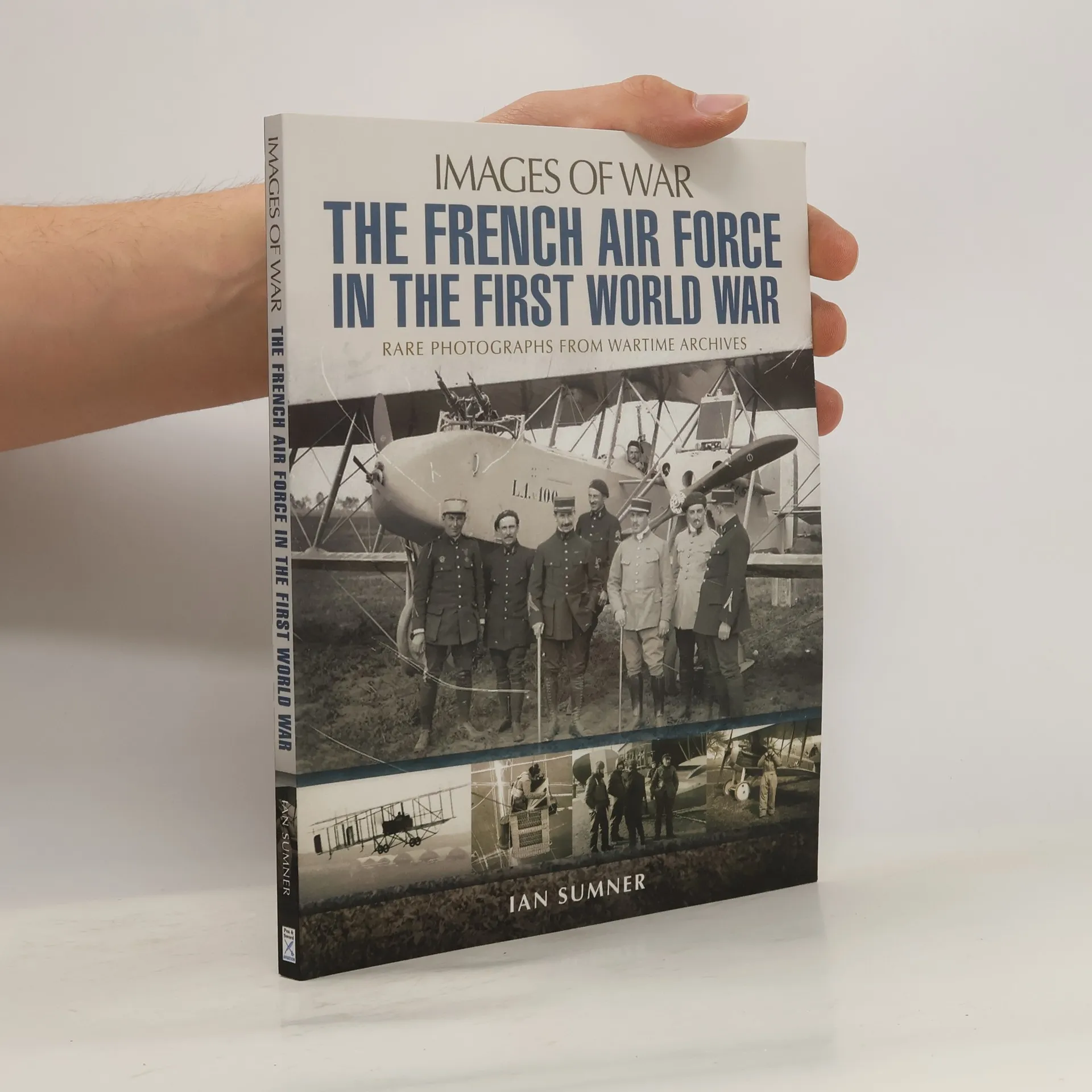
Photographic history of the French air force in the First World War
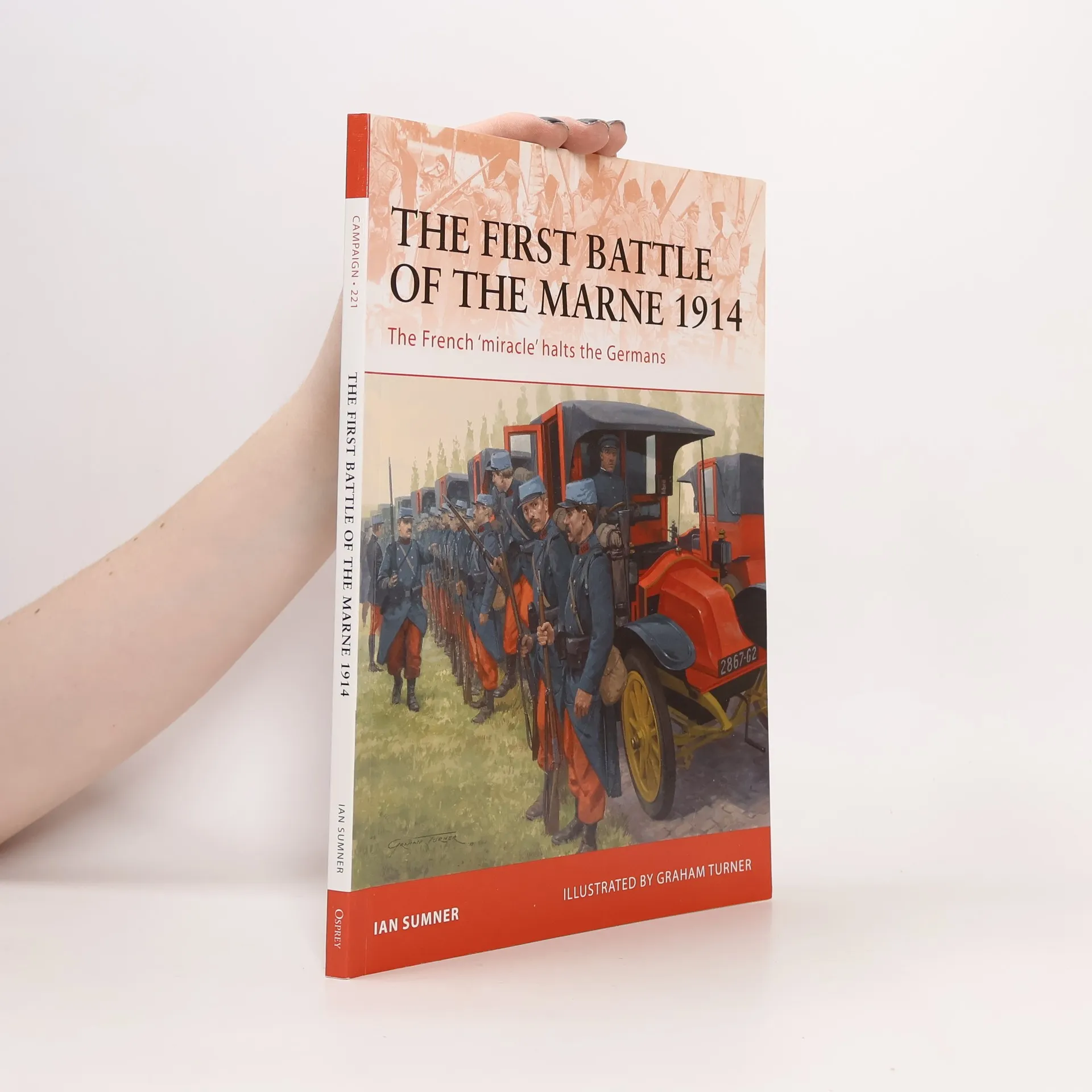
The French ‘Miracle’ Halts the Germans
Osprey's study of the Battle of the Marne, which was one of the decisive encounters of World War I (1914-1918), saving France from a catastrophic defeat that would almost certainly have knocked her out of the war. Germany's failure to defeat the French committed her to a war on two fronts, which would lead to trench warfare and the war of attrition that the General Staff had hoped to avoid. The conduct of the battle served to make and break the reputation of commanders and subordinates alike. Although not an decisive defeat, the battle was a strategic Allied victory. Further attempts by each side to outflank the other led to the formation of a continuous front from the North Sea to Switzerland, which set the pattern for the rest of the war.This title presents the origins of the campaign, followed by a brief chronology, before detailing the opposing commanders and armies. It then breaks out the French orders of battle and the German's opposing plans, the outcome of the fighting and the aftermath of the battle. The book concludes with a look at the battlefield today and suggestions for further reading.
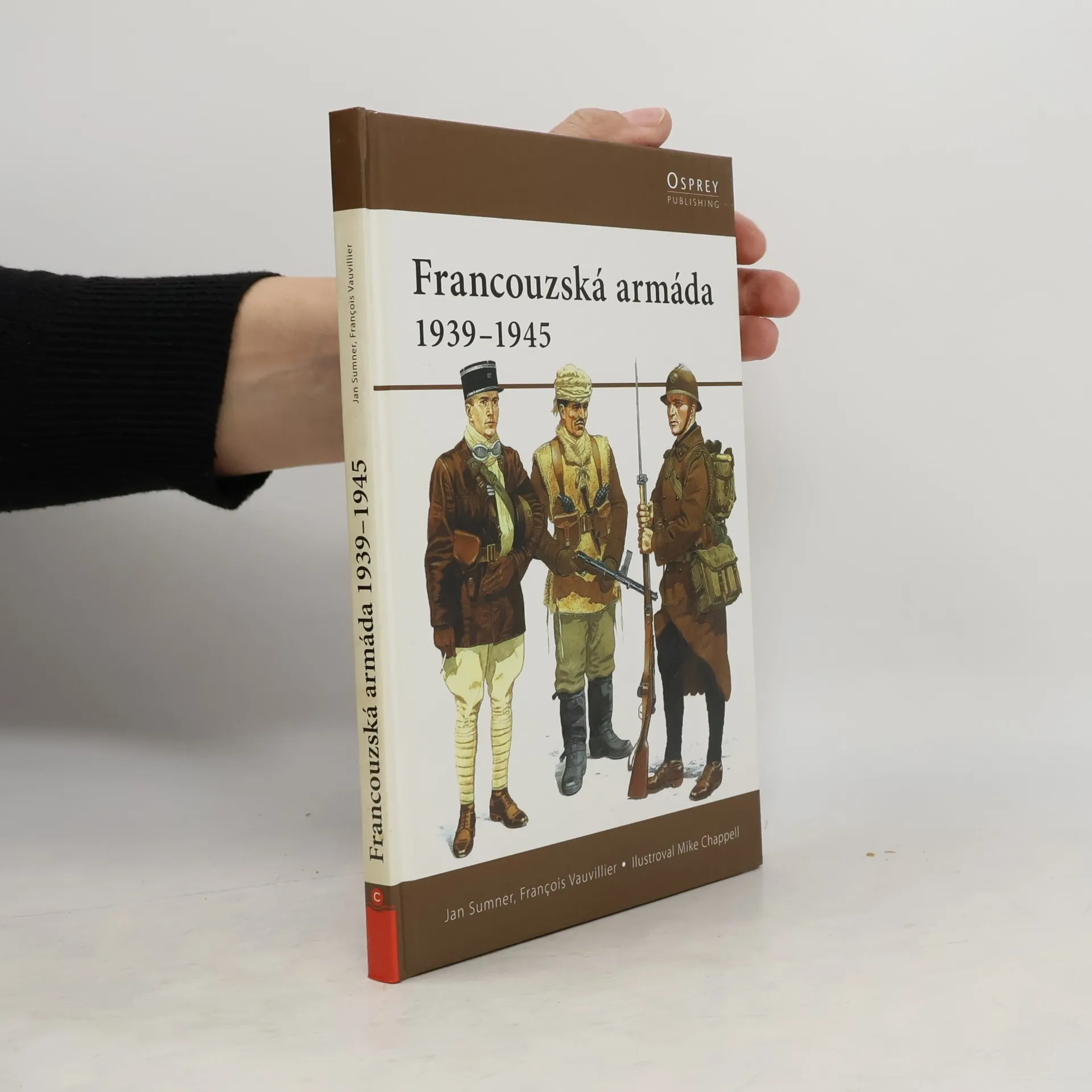
V roce 1939 byla francouzská armáda považována za nejsilnější armádu své doby. Události v následujících deseti měsících však měly ukázat, že ve skutečnosti se potýkala se značnými vnitřními problémy. Tato publikace představuje francouzskou armádu v celém období druhé světové války – rozebírá jak armádu v letech 1939–1940 a armádu vichistické Francie, tak i jednotky Svobodné Francie, která se zrodila v roce 1940 díky de Gaulleovu úsilí a Churchillově podpoře. Kniha detailně popisuje organizaci, uniformy, výzbroj a výstroj francouzských vojáků na různých bojištích, a to za bohatého využití dobových fotografi í i barevných ilustrací.
Po vypuknutí války mělo Královské námořnictvo celosvětové závazky, navzdory svému legendárnímu profesionalismu všask bylo bržděno zastaralou doktrínou. Zpočátku sice došlo k několika střetům bitevních lodí, válku na moři ovšem záhy začal ovlivňovat pokrok dosažený v ponorkové a letecké válce. Do poloviny roku 1943 se Královskému námořnictvu podařilo ovládnout Středozemní moře, vítězilo nad německými ponorkami na Atlantiku a dopravovalo v konvojích obrovské množství válečného materiálu před Atlantik a do Ruska. Zárověn výrazně přispělo k vylodění v Normandii a vyslalo silné jednotky na podporu amerického námořnistva v jeho závěřecném tažení proti Japonsku
By 16 June 1940, De Gaulle, with the decisive support of Churchill, had come to the conclusion that, whatever happened, France could not stand to one side in the struggle against Nazi Germany. And so, Free France was born. In this companion volume to MAA 315: The French Army 1939-45 (I) , Ian Sumner and François Vauvillier examine the history, uniforms and insignia of the Free French, Fighting French and the Army of Liberation during World War II (1939-1945).
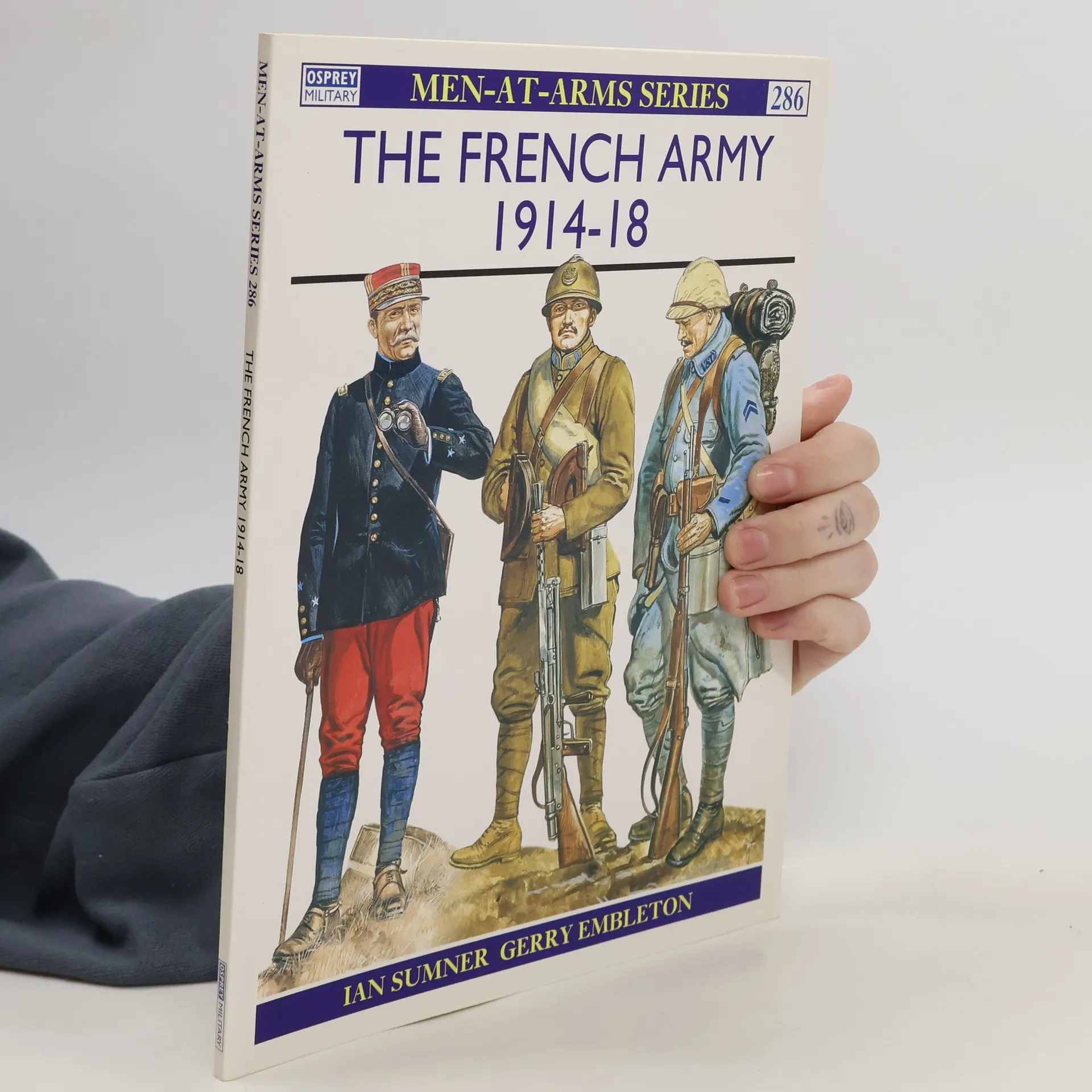
Initially the strongest of all the Allied armies, France's metropolitan and colonial units bore the greatest burden during the first two years of the Great War, and made a great contribution to the final victory. In common with most European countries, the pre-war French Army was based on a system of national military service providing conscripts who could be subject to recall as reservists for several years after. However, the advent of war, the crisis in manpower, and the development of new tactics and weapons brought radical changes. The influence of these factors on the organisation, equipment, uniforms and tactics of the French Army during World War I is examined in detail in this title.