Der mehrfach für seine Arbeiten ausgezeichnete englische BBC-Journalist Laurence Rees legt hier das Buch zu seiner sechsteiligen TV-Dokumentation vor. Indem Rees Mythen des Nationalsozialismus und des Dritten Reiches (Mythos vom hypnotischen Führer, Mythos von der allgegenwärtigen Gestapo, Mythos von der straffen Befehlsstruktur) überprüft, zeigt er, wie wenig sie mit der historischen Wahrheit zu tun haben.
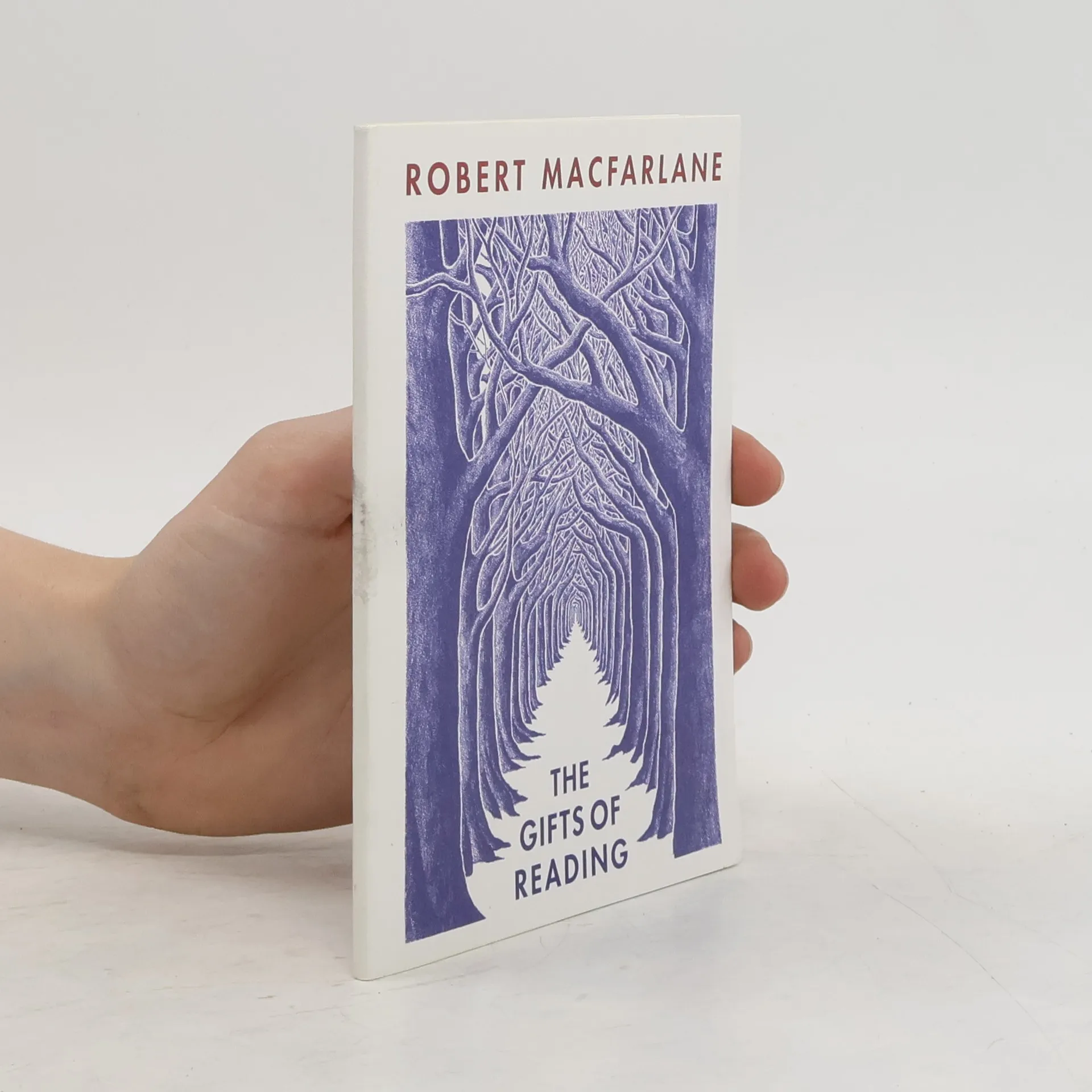
From the acclaimed author of The Old Ways and Landmarks -- an essay on the beauty and joy of reading, for anyone who has ever loved a book Every book is a kind of gift to its reader, and the act of giving books is charged with a special emotional resonance. It is a meeting of three minds (the giver, the author, the recipient), an exchange of intellectual and psychological currency, that leaves both participants the richer. Here Robert Macfarlane recounts the story of a book he was given as a young man, and how he managed eventually to return the favour, though never repay the debt. From one of the most lyrical writers of our time comes a perfectly formed gem, a lyrical celebration of the power and preciousness of the given book.
Eine Reise zu Fuß | Ein Klassiker des Nature Writing
352 Seiten
13 Lesestunden
Robert Macfarlane folgt den alten Wegen – jenen Pfaden, Hohlstraßen, Furten, Feld- und Seewegen, die seit der Antike die menschlichen Siedlungsräume miteinander verbinden und noch immer als unsichtbare Wegweiser unsere Bewegungen bestimmen. Seine Reise führt den wichtigsten Naturschriftsteller Großbritanniens von den englischen Kreidefelsen zu den einsamen Vogelinseln Schottlands, von den Kulturlandschaften Spaniens zu den Pilgerrouten Palästinas und bis in den Himalaya. Sie lässt ihn in fünftausend Jahre alte Fußstapfen treten und in einem kleinen Segelboot auf den nächtlichen Atlantik hinaustreiben. Er lauscht den Geschichten, die diese alten Wege noch immer erzählen, und den Stimmen derjenigen, die er auf seinen Fußmärschen begegnet: andere Wanderer, Spaziergänger und Sinnsucher, sogar tibetanische Mönche.
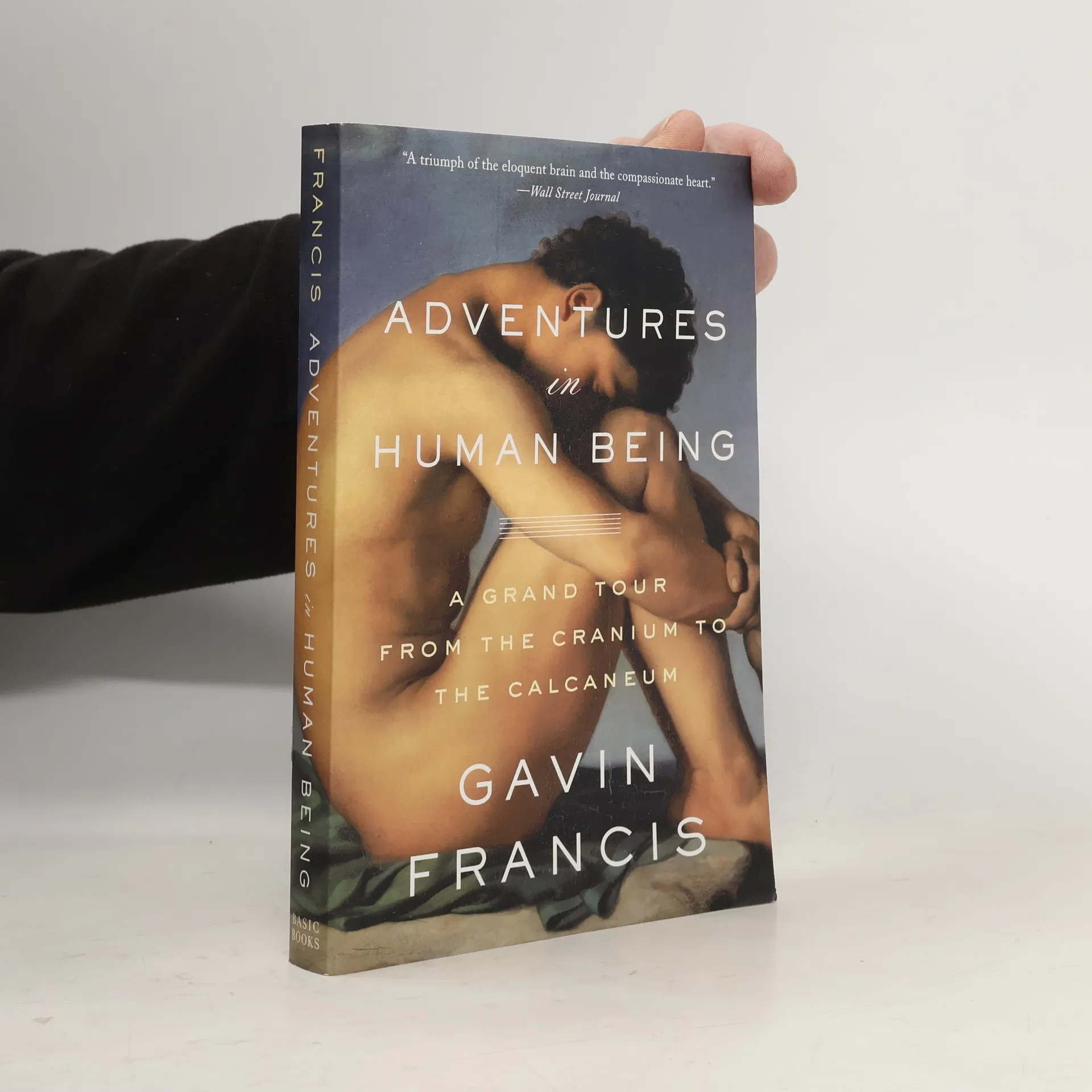
" Adventures in Human Being , with its deft mix of the clinical and the lyrical, is a triumph of the eloquent brain and the compassionate heart." -- Wall Street Journal We assume we know our bodies intimately, but for many of us they remain uncharted territory, an enigma of bone and muscle, neurons and synapses. How many of us understand the way seizures affect the brain, how the heart is connected to well-being, or the why the foot holds the key to our humanity? In Adventures in Human Being , award-winning author Gavin Francis leads readers on a journey into the human body, offering a guide to its inner workings and a celebration of its marvels. Drawing on his experiences as a surgeon, ER specialist, and family physician, Francis blends stories from the clinic with episodes from medical history, philosophy, and literature to describe the body in sickness and in health, in living and in dying. At its heart, Adventures in Human Being is a meditation on what it means to be human. Poetic, eloquent, and profoundly perceptive, this book will transform the way you view your body.
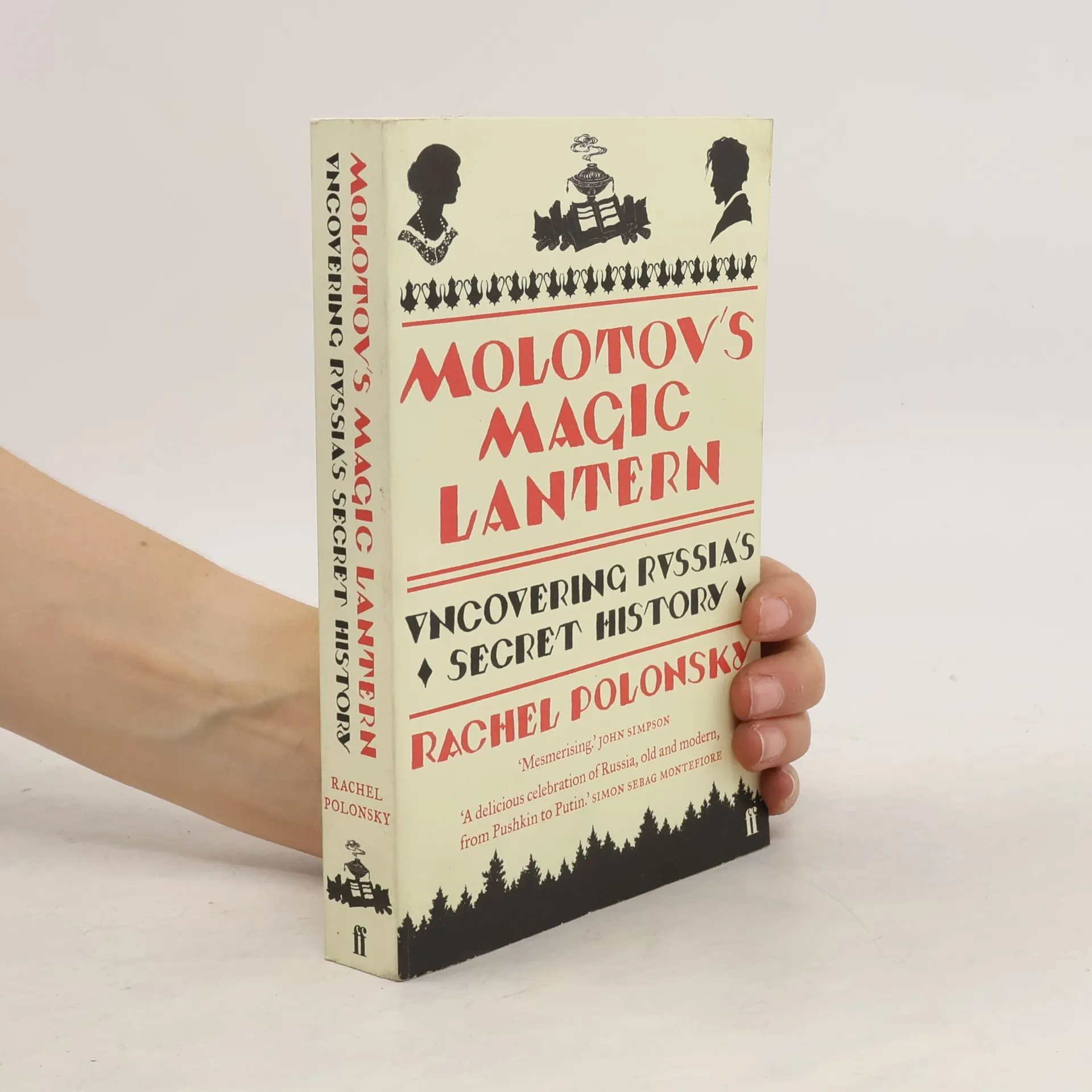
Molotov - ruthless apparatchik, participant in the collectivizations and the
Great Purge - was also an ardent bibliophile. Molotov's library and his magic
lantern became the prisms through which Rachel Polonsky renewed her vision of
Russia.
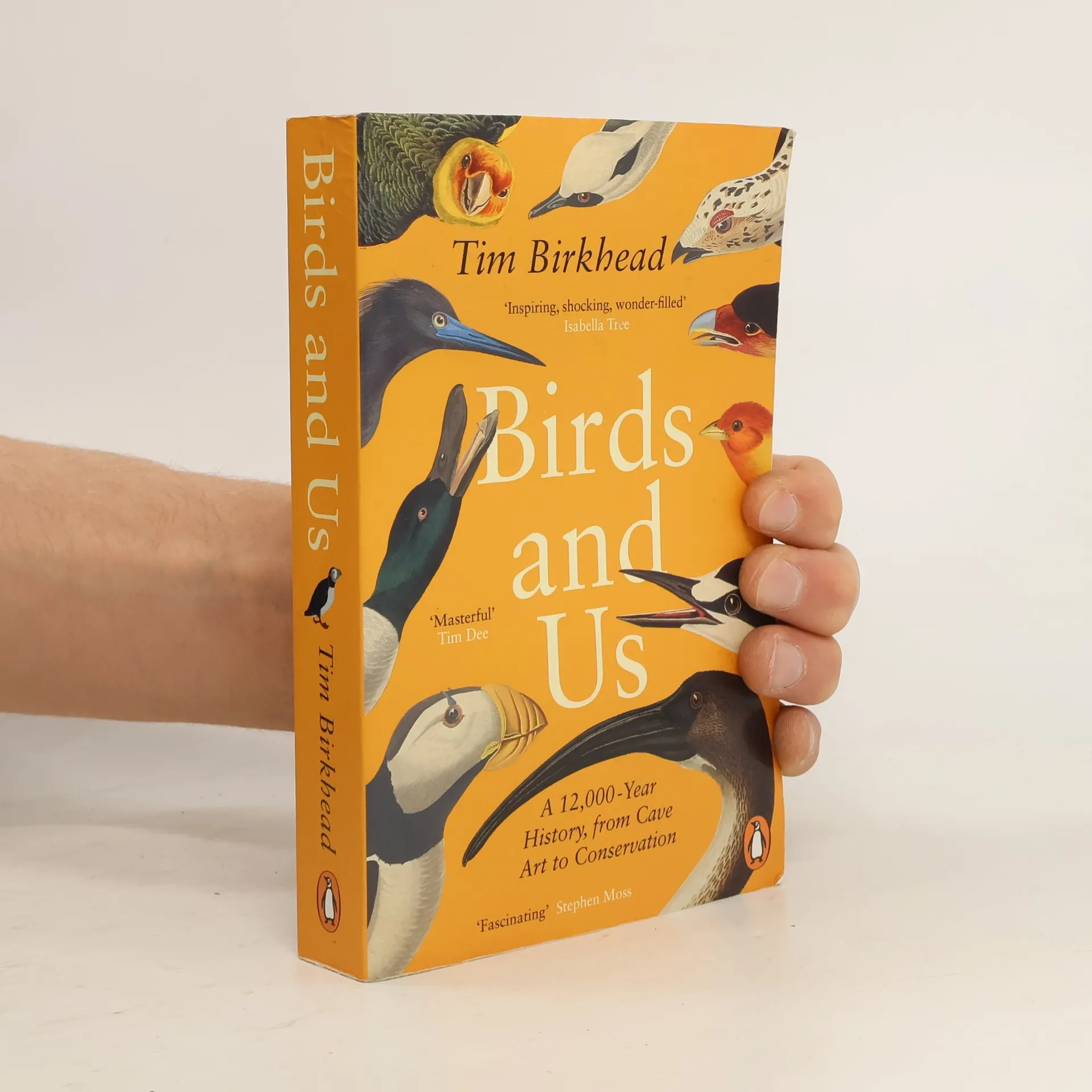
In Birds and Us, award-winning writer and ornithologist Tim Birkhead takes us on an epic and dazzling journey through this mutual history with birds, from the ibises mummified and deified by Ancient Egyptians to Renaissance experiments on woodpecker anatomy, from Victorian obsessions with egg collecting to the present fight to save endangered species and restore their habitats. Weaving in stories from his own life as a scientist, including far-flung expeditions to wondrous Neolithic caves in Spain and the bustling guillemot colonies of the Faroe Islands, this rich and fascinating book is the culmination of a lifetime's research and unforgettably shows how birds shaped us, and how we have shaped them.
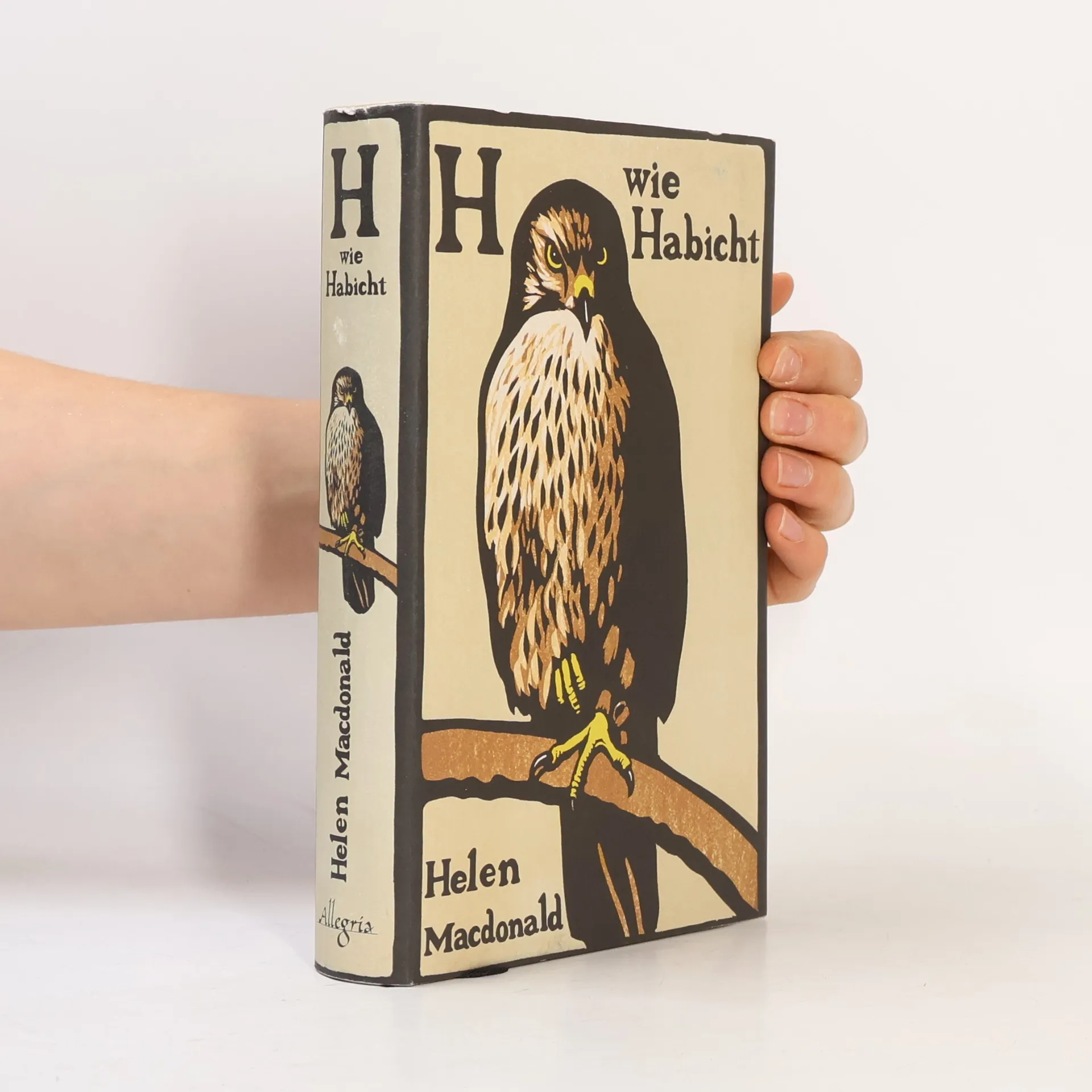
Der Tod ihres Vaters trifft Helen unerwartet und weckt ihren Kindheitstraum, einen Habicht aufzuziehen und zu zähmen. So zieht das stolze Habichtweibchen Mabel bei ihr ein. Die intensive Beschäftigung mit dem Tier schafft eine tröstende und heilende Nähe zwischen den beiden. Doch Mabel ist kein gewöhnliches Tier; sie ist ein Greifvogel, und sie tötet.
Um einen Greifvogel abzurichten, muss man ihn genau beobachten, um vorherzusagen, was er als Nächstes tun wird. Helen beschreibt, wie sie die Körpersprache des Vogels zunehmend versteht und schließlich das Gefühl hat, was Mabel empfindet. Während sie sich in den Habicht hineinversetzt, verliert sie einen Teil ihrer Menschlichkeit.
Das Werk thematisiert Erinnerung, Natur und Freiheit und zeigt das Glück, sich einer großen Aufgabe mit vollem Herzen zu widmen. Der anschauliche und präzise Stil von Macdonald macht die Geschichte von Mabels Abrichtung zu einem fesselnden Erlebnis, das wie ein Thriller wirkt. Die allmählich wachsende Spannung zieht die Leser in ihren Bann und lässt sie den Atem anhalten.
Das Buch wurde mit mehreren Preisen ausgezeichnet, darunter der Costa Award für das beste Buch des Jahres 2014 und der Samuel Johnson Prize.