Máme na vybranou?
Otázka svobodné vůle z pohledu moderní vědy


Robert Sapolsky ist ein renommierter Professor an der Stanford University, berühmt für seine bahnbrechende Arbeit in den Biowissenschaften und der Neurologie. Seine Forschung befasst sich mit der komplexen Beziehung zwischen Biologie und Verhalten und untersucht die vielfältigen Faktoren, die menschliches Handeln prägen. Sapolsky wird für seine Fähigkeit gefeiert, komplexe wissenschaftliche Konzepte in zugängliche und fesselnde Erzählungen zu übersetzen, wodurch seine Erkenntnisse über Verhalten und das Gehirn einem breiten Publikum zugänglich gemacht werden. Seine Beiträge haben unser Verständnis der biologischen Grundlagen des Verhaltens maßgeblich vorangetrieben.





Otázka svobodné vůle z pohledu moderní vědy
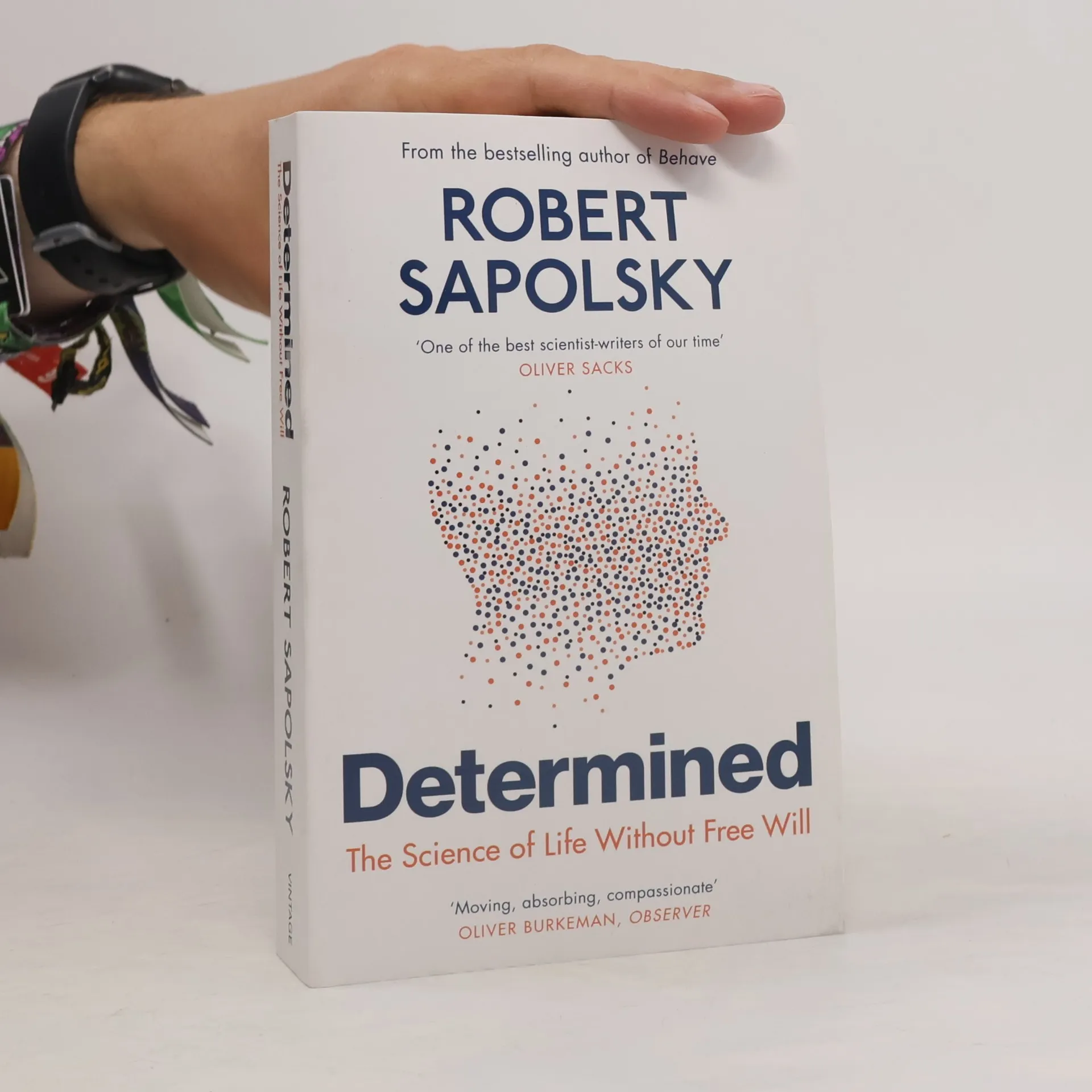
One of the world's greatest scientists of human behaviour, the bestselling author of Behave, shows that free will does not exist - and sets out the disturbing yet liberating implications of accepting this fact. 'One of the best scientist-writers of our time' OLIVER SACKS What if free will is an illusion? As Robert Sapolsky shows in this masterful account of the science of human behaviour, everything we think and do is caused by the luck of our biology and the influence of our environment, and ultimately both are beyond our control. In a world without free will, we must completely rethink what we mean by choice, responsibility, morality and justice. Sapolsky's extraordinary book does exactly this, guiding us toward a profoundly fairer, more humane way of living together. 'A joy to read. It's impossible to recommend this book too highly. Reading it could change your life' LAURENCE REES 'Outstanding for its breadth of research, the liveliness of the writing and the depth of humanity it conveys' Wall Street Journal 'Moving, absorbing, compassionate' OLIVER BURKEMAN, Observer
В книгу «Кто мы такие?» вошли лучшие статьи известного ученого и популяризатора науки Роберта Сапольски о человеке во всем его потрясающем многообразии. Три ее раздела посвящены главным вопросам естествознания, включая влияние генов и среды на поведение, социальные, политические и сексуальные предпосылки поведенческой биологии и роль общества в формировании личности. Во всем, что описывает Сапольски — от брачных ритуалов грызунов до религиозных практик жителей тропических лесов, от выделения феромонов до мозговых паразитов, — он блестяще соединяет передовые научные открытия с ироничными и мудрыми наблюдениями о невообразимой сложности бытия.
»Das wohl umfassendste Werk, das sich je dem Zusammenleben der Menschen gewidmet hat.« Die ZeitDer New-York-Times-Bestseller erstmalig im Taschenbuch Robert Sapolsky legt Schicht für Schicht die Ursachen und Biologie des menschlichen Verhaltens frei. Warum sind Menschen mal aggressiv, mal einfühlsam? Der Neurobiologe schlüsselt in seinem Standardwerk Schritt für Schritt sämtliche Faktoren auf, die zu Gewalt oder Mitgefühl führen: - Was passiert Sekundenbruchteile vor einer Gräueltat im Gehirn? - Welche Sinnesreize wirken Sekunden oder Minuten vor einem Akt des Mitgefühls auf uns ein?- Wie stimulieren Hormone Stunden oder Tage vorher das Nervensystem? - Welche Rolle spielen Umwelt, Erziehung und Kultur, und welche die Gene? - Und was hat die Evolution damit zu tun, dass wir morden oder unseren Nächsten lieben? Sapolskys faszinierende Analyse lässt uns jede Tat als komplexes Zusammenspiel biologischer und psychologischer Einflüsse begreifen. „Gewalt und Mitgefühl“ ist eine grandiose Synthese der Wissenschaft vom menschlichen Verhalten. Und ein Buch, das vollkommen neue Wege aufzeigt, die Kontrolle über unser Handeln zurückzugewinnen – und damit die Gewalt einzudämmen. »Eine eigensinnige und bahnbrechende Synthese von Neurobiologie und Psychologie. Darwin wäre begeistert gewesen.« THE NEW YORK TIMES
'The making of a lifelike picture was something to be wondered at. It was an adventure, it was an expense, and it was often something of an ordeal...' Victorians in Camera explores the world of nineteenth century photography from the subjects' point of view. What did people want from their portraits? Where did they go to have them made and did the Victorians really never smile? What did they do with the finished product, whether a formal daguerreotype or cheery snapshot? From a wealth of contemporary evidence - in both words and pictures - Robert Pols reveals the story behind Victorian photography - from trickery to photographic fashions. Discover the social history behind nineteenth century photographs and how to trace hidden stories within your own family album.
GEO Hörwelten „Weit draußen“ - Klassiker der Abenteuer-Literatur in einer neuen Qualität! Mein Leben als Pavian Der Pavianhorde schloss ich mich in meinem 21. Lebensjahr an. Als Heranwachsender hatte ich nie mit dem Gedanken gespielt, ein Steppenpavian zu werden; ich hatte vielmehr immer geglaubt, aus mir würde ein Berggorilla.“ Schon als Kind stand der zukünftige Biologe Robert M. Sapolsky vor den Dioramen des New Yorker Naturkundemuseums und bestaunte mit weit aufgerissenen Augen die exotische Welt, die sich hinter den Glasscheiben auftat. Schließlich reist er nach Kenia, um dort über viele Jahre hinweg unter teils erbärmlichen Bedingungen Feldforschung zu betreiben. Was er kennen lernt, ist nicht nur die - durchaus niederträchtige - Gemeinde der Paviane, sondern auch die der Menschen, die dort leben. Die Mitglieder des Massai-Volkes etwa setzen alles daran, den neugierigen Forscher einem Kulturschock nach dem anderen auszusetzen. Sapolsky, einmal als Woody Allen der Verhaltensforschung bezeichnet, ist ein Wissenschaftsautor, der weit mehr als seine - nach biblischen Gestalten benannten - Studienobjekte beschreibt. Er reflektiert zugleich auch seine Zunft und die Menschengesellschaft. Und tut das mit umwerfender Erkenntnisbereitschaft und Komik, originell und voller Selbstironie, offen für niederschmetternde Erfahrungen. Ein Befreiungsschlag für alle, die den klassischen Afrika-Kitsch nicht mehr lesen mögen.
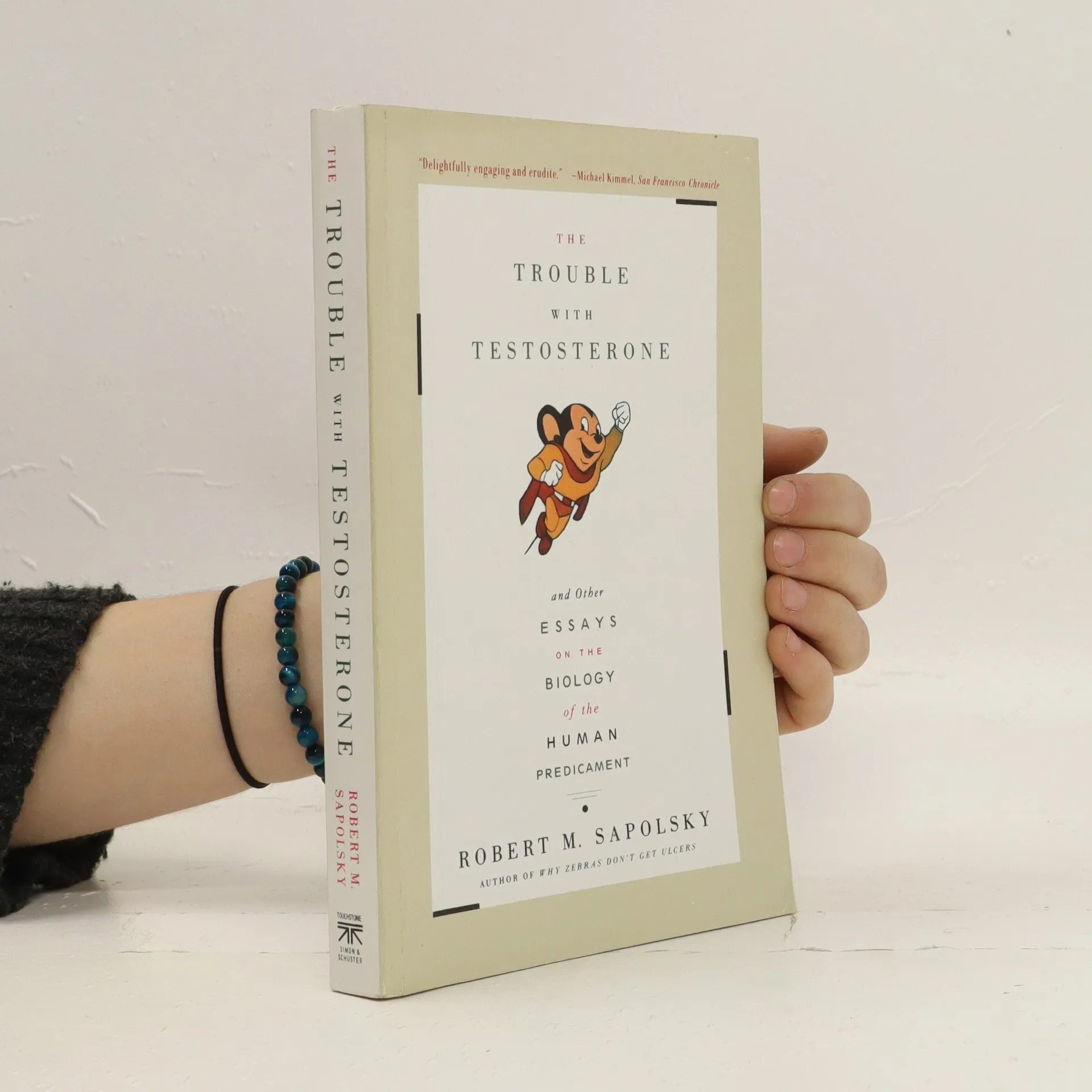
As a professor of biology and neuroscience at Stanford and a recipient of a MacArthur Foundation "genius grant," Robert Sapolsky carries impressive credentials. Best of all, he's a gifted writer who possesses a delightfully devilish sense of humor. In these essays, which range widely but mostly focus on the relationships between biology and human behavior, hard and intricate science is handled with a deft touch that makes it accessible to the general reader. In one memorable piece, Sapolsky compares the fascination with tabloid TV to behavior he's observed among wild African baboons. "Rubber necks," notes the professor, "seem to be a common feature of the primate order." In the title essay of The Trouble with Testosterone, Sapolsky ruminates on the links, real or perceived, between that hormone and aggression.Covering such broad topics as science, politics, history, and nature, the author of Why Zebras Don't Get Ulcers writes accessible and interesting essays that explore the human struggle with moral and ethical problems in today's world. 20,000 first printing.
Ein angesehener Primatologe erklärt, wie langanhaltender Stress eine Vielzahl von körperlichen und psychischen Erkrankungen verursacht oder verstärkt, darunter Geschwüre, Kolitis, Herzkrankheiten, Depressionen und Gedächtnisverlust. Zudem wird erörtert, wie man diesen Stress bekämpfen kann.