

Bookbot

Lawrence R. Ash

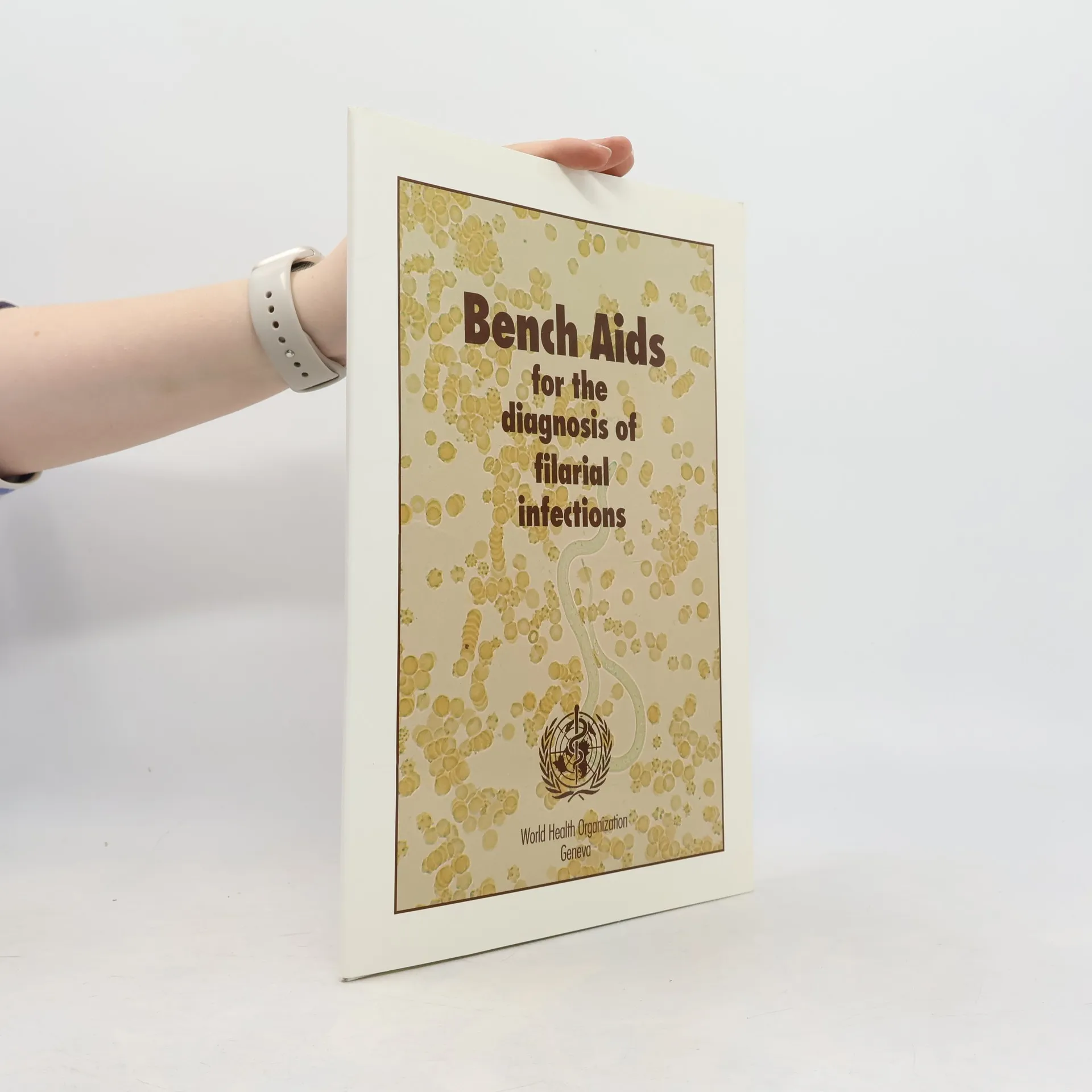
    Bench Aids for the Diagnosis of Filarial Infections
    Shards of the Broken Sky
    • Shards of the Broken Sky

      • 226 Seiten
      • 8 Lesestunden

      When the flying realm of Vantage plummets from the Overworld to earth, a long-kept secret is revealed: it was the control point for magical wards that kept a dozen ancient evils in check.The disaster offers brave adventurers an opportunity for glory, plunder, and/or heroic sacrifice. Will you rescue Vantage's survivors? Restore its magical wards? Or loot everything that isn’t nailed down while staying one step ahead of the apocalypse?Use Shards of the Broken Sky as an entire campaign in and around this fallen flying realm, a one-shot or mini-arc, or a source of new races, monsters, and magic items!Shards of the Broken Sky includes:- A full 13th Age campaign for characters level 1-7- 19 dungeons and adventure locations- 111 new monsters including thunder orc, dark druid, oozefolk champion, elite wizard, and pie mimic- 14 new magic treasures including Shard of Frozen Lightning, Glowing Rune-Carved Pebble, and Crystal Blade- Three new optional PC races: lava dwarf, oozefolk, and ophidian

      Shards of the Broken Sky2019
    • This practical tool aids in diagnosing filarial infections through 46 full-color photomicrographs that showcase the distinctive features of various microfilariae species in different stained preparations and magnifications. Each image includes a measuring bar and a brief explanatory legend highlighting key characteristics for accurate diagnosis. The species featured are Wuchereria bancrofti, Loa loa, Brugia malayi, Brugia timori, Mansonella perstans, Mansonella ozzardi, Onchocerca volvulus, and Mansonella streptocerca, along with images of common artifacts that may complicate diagnosis. The six plates are designed in a durable plasticized format, serving as a guide for laboratory and field workers in endemic regions, as well as a teaching resource for students and trainees. The objective is to enable microscopists to achieve quick and precise diagnoses while minimizing errors. To support this aim, the bench aids include essential laboratory instructions alongside high-quality images, detailing the preparation of thick blood films, Giemsa and haematoxylin staining, membrane filtration, the Knott concentration method, and tissue examination techniques for detecting microfilariae in the skin. Additionally, a comparative summary outlines the geographical distribution, vectors, habitat, periodicity, and key diagnostic features of the most common human filarial parasites.

      Bench Aids for the Diagnosis of Filarial Infections1997