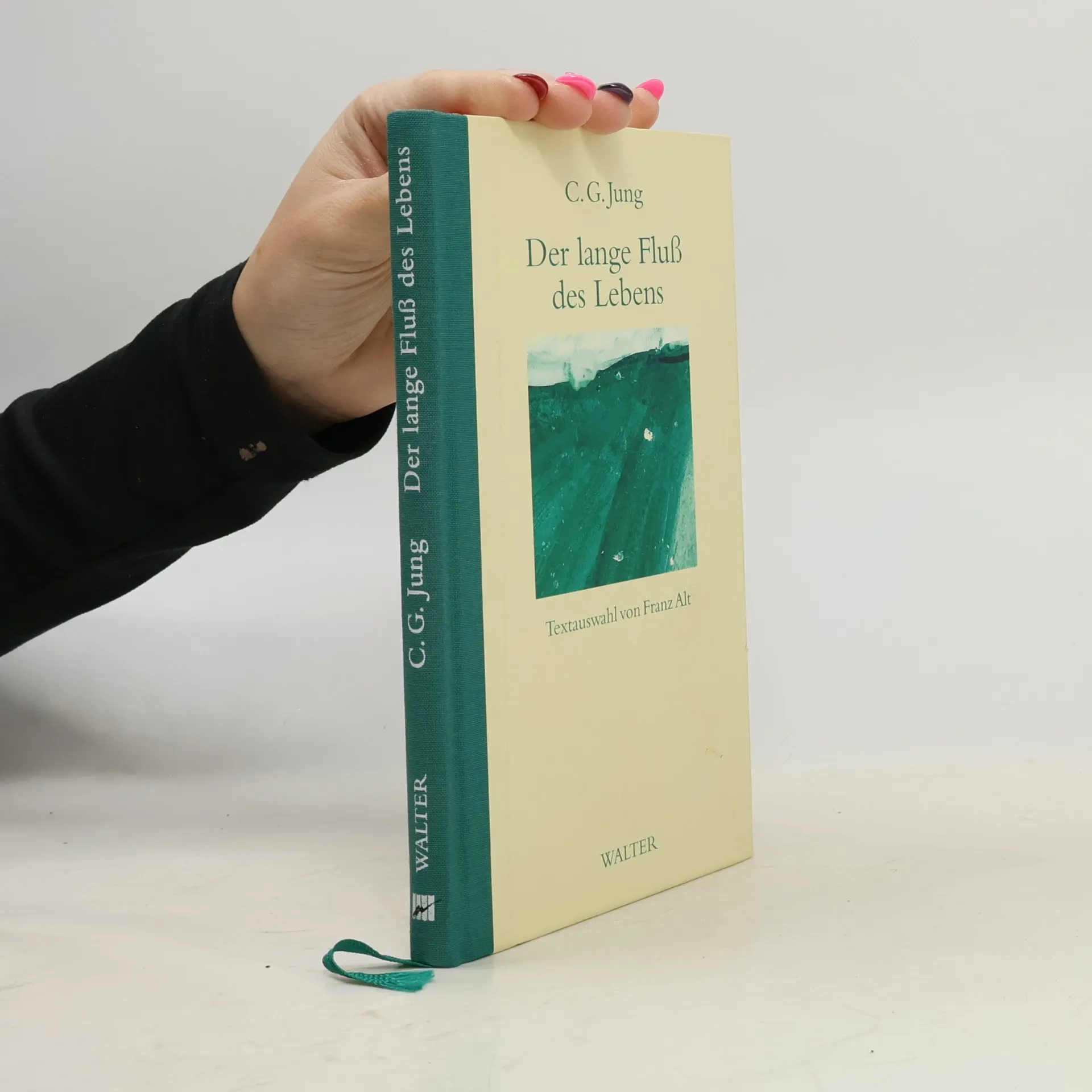
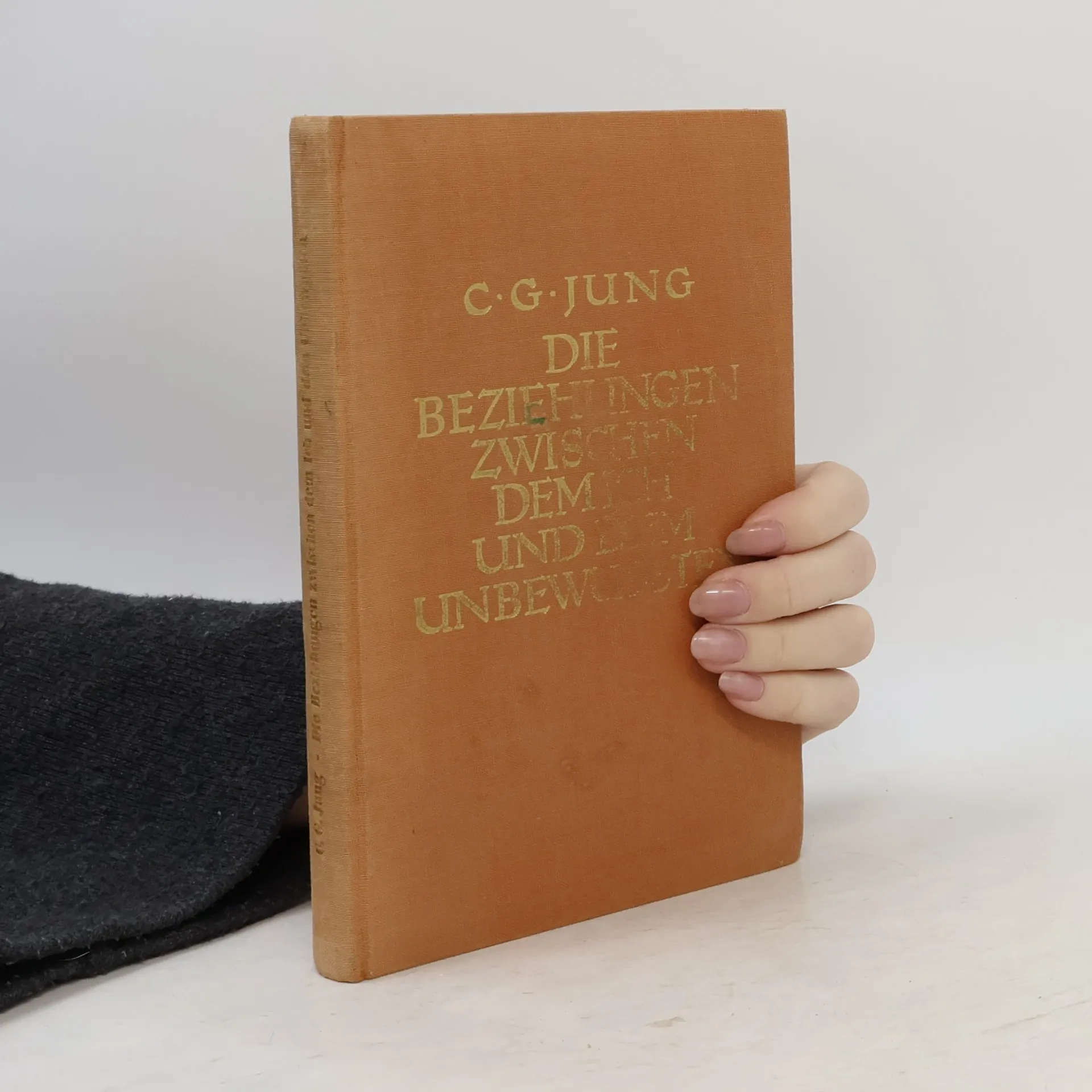
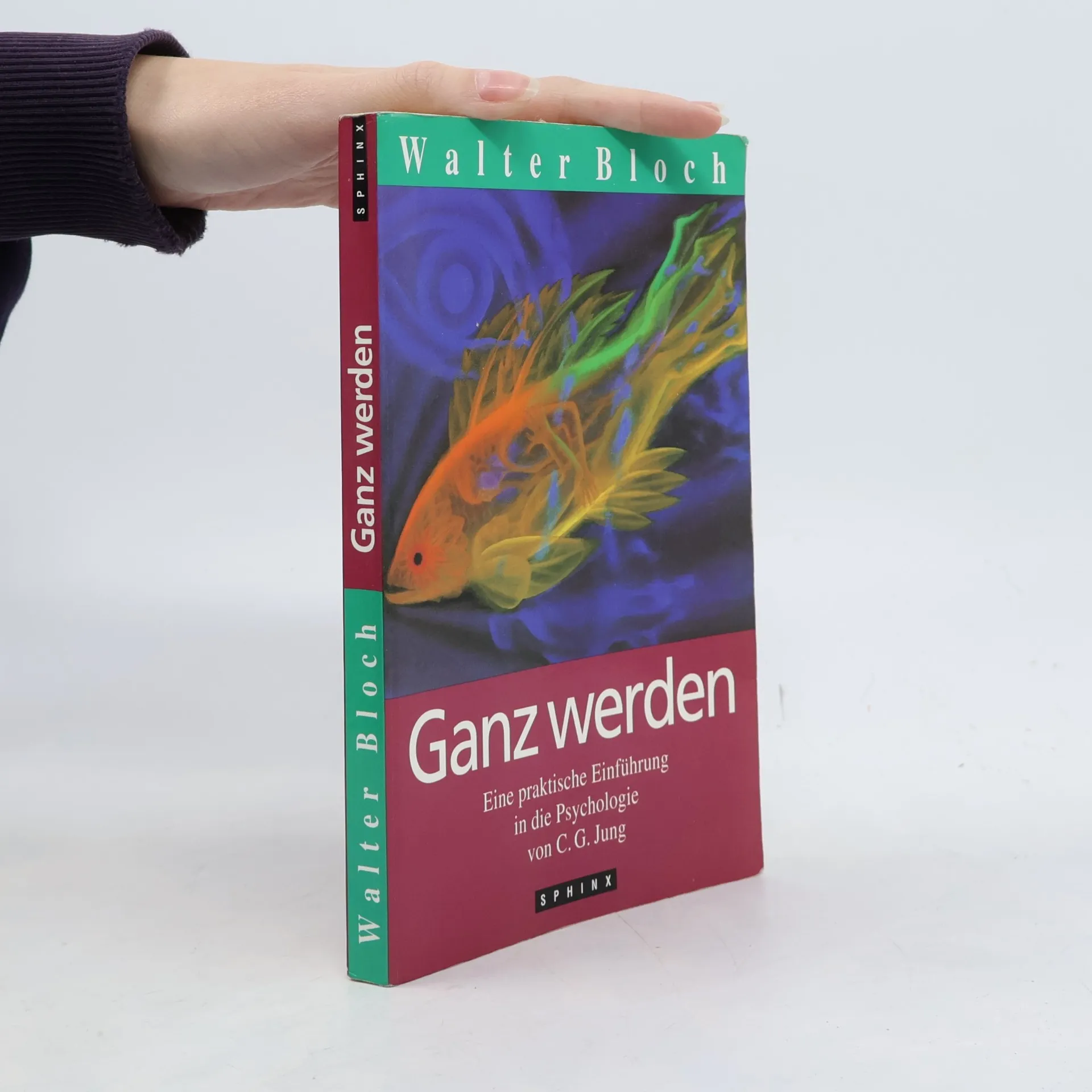
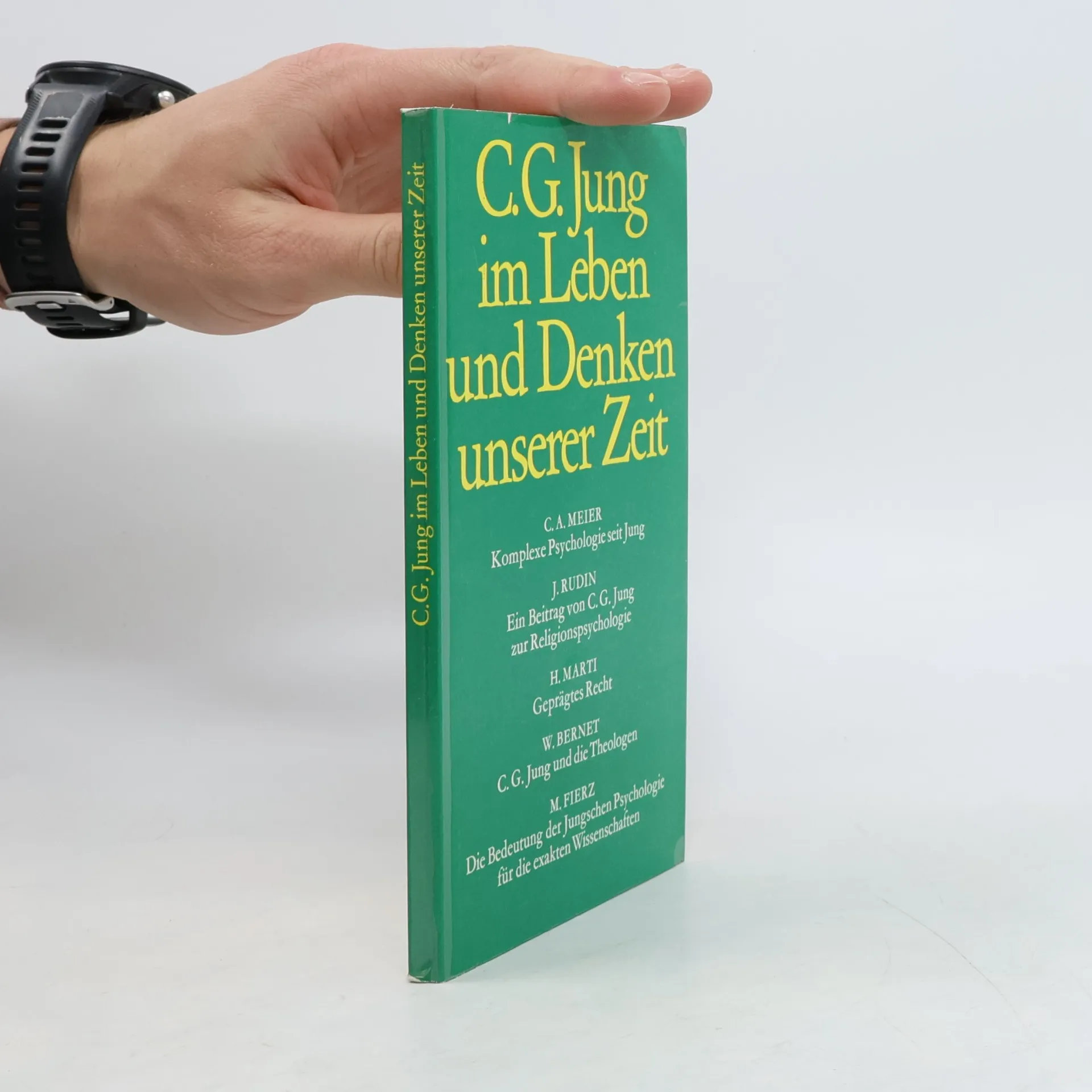
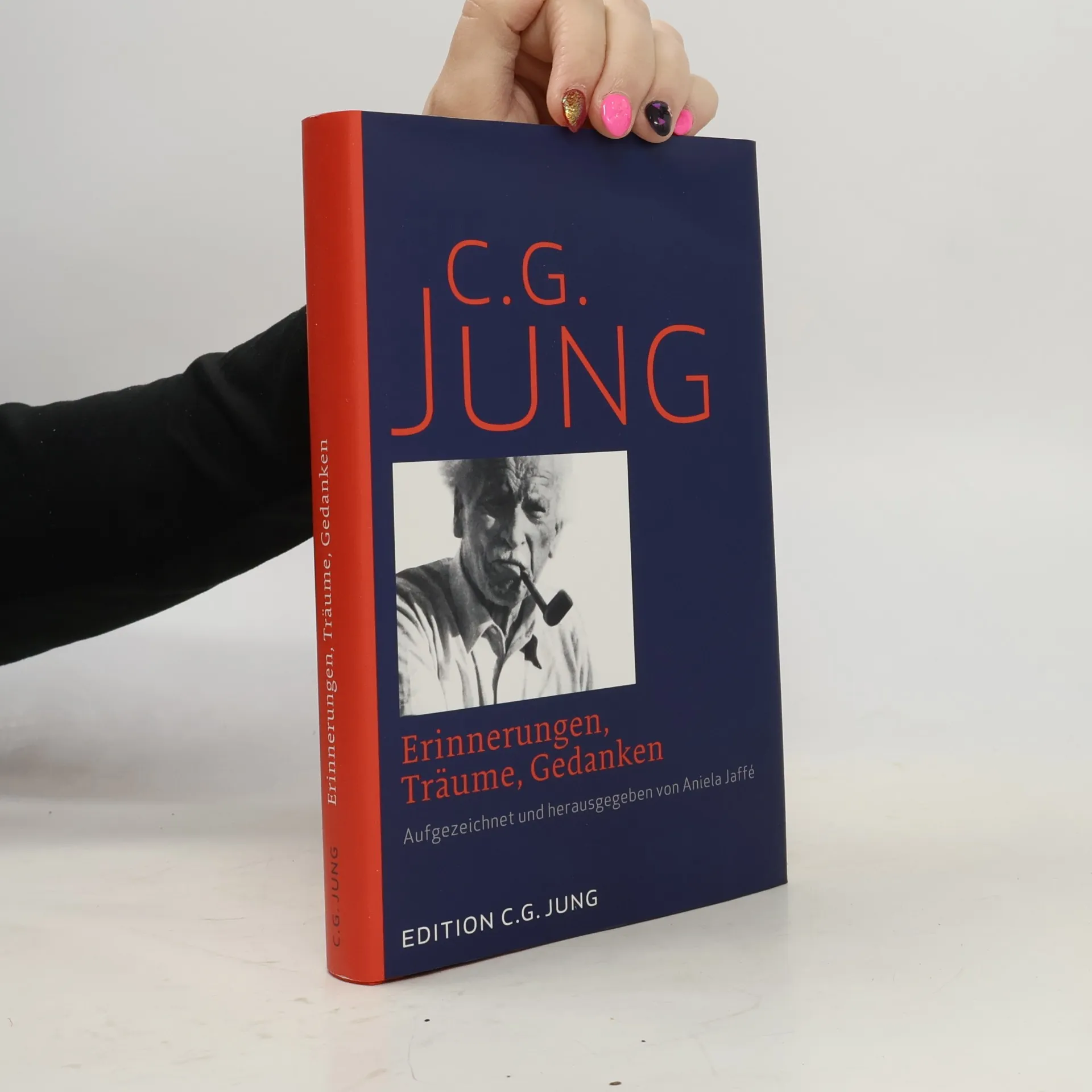
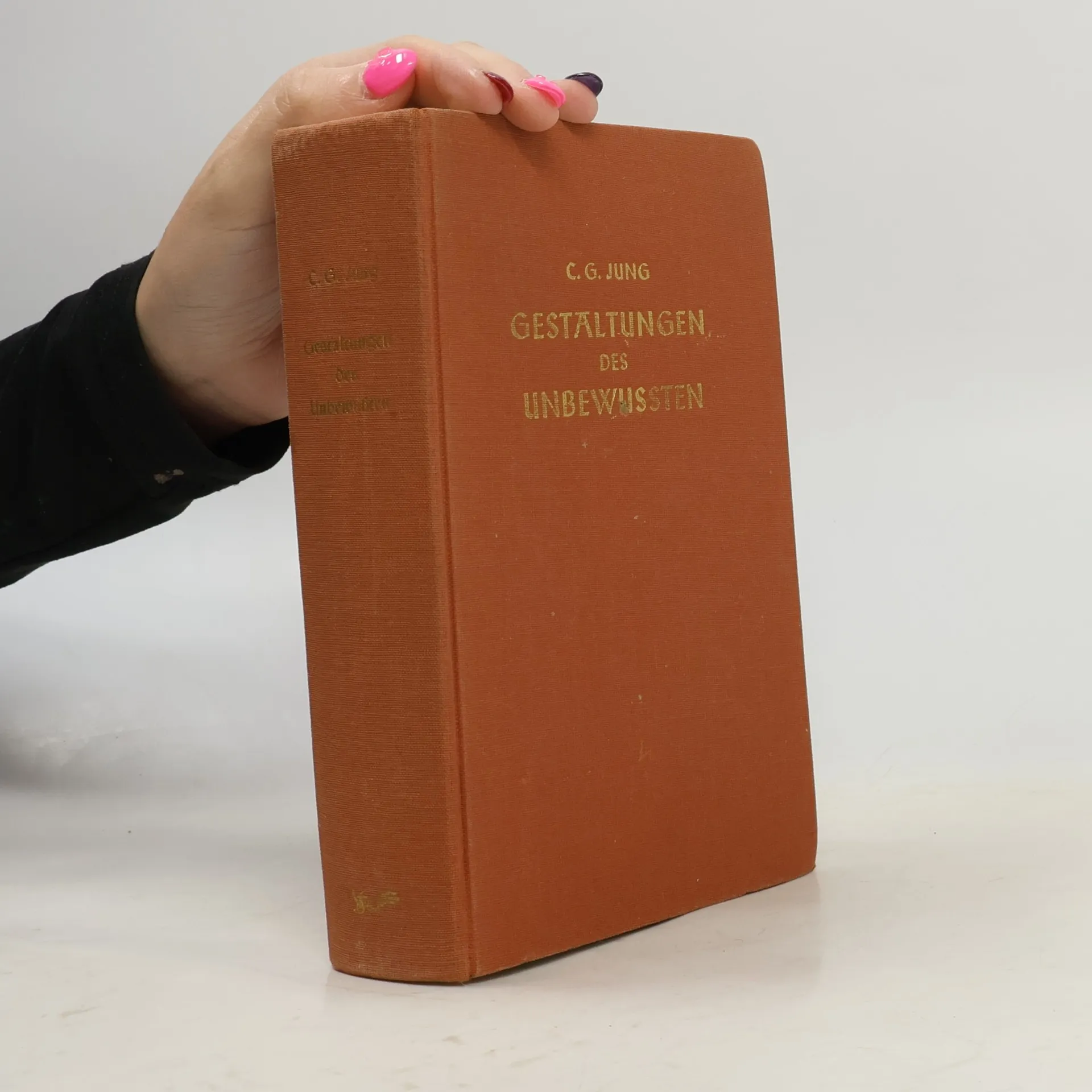
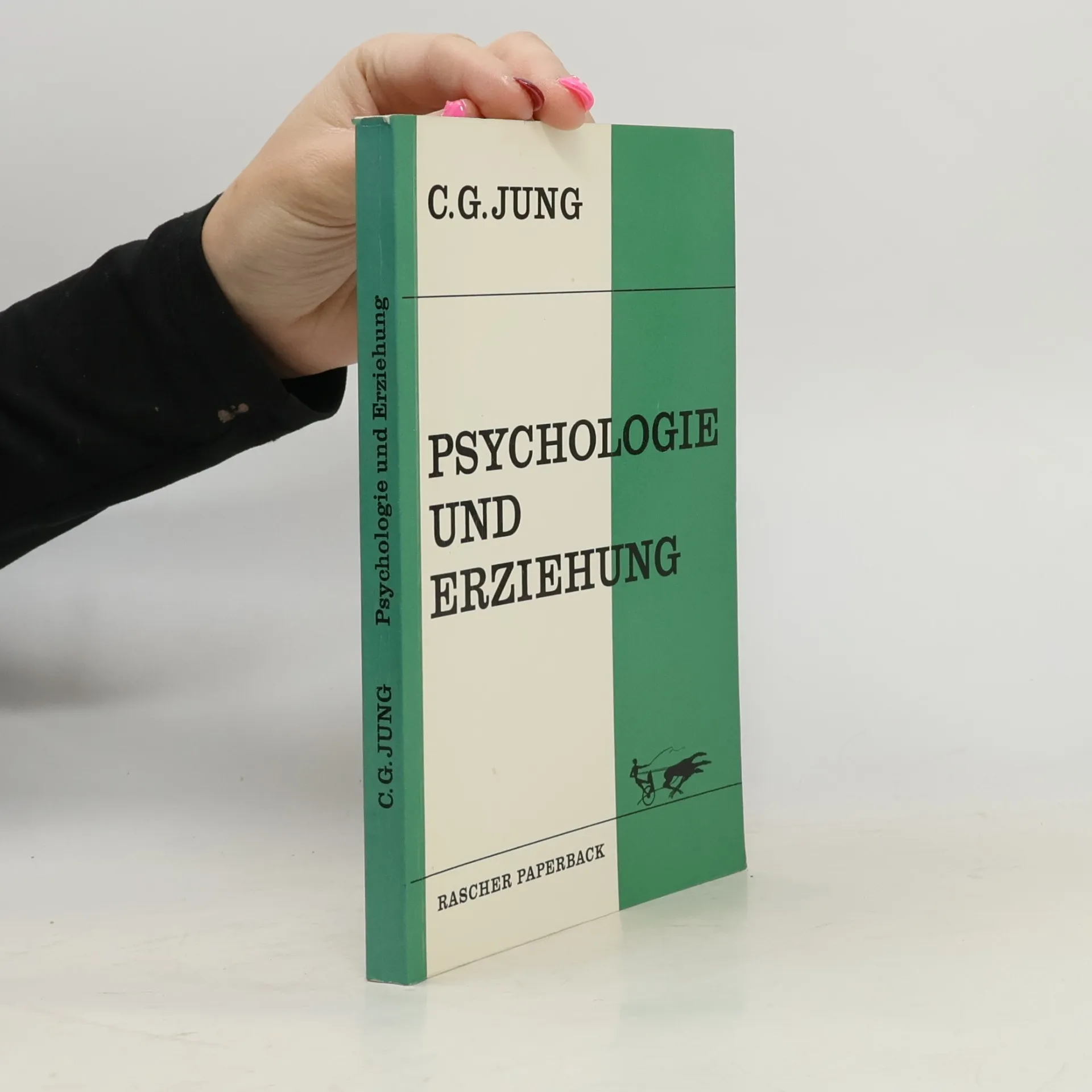
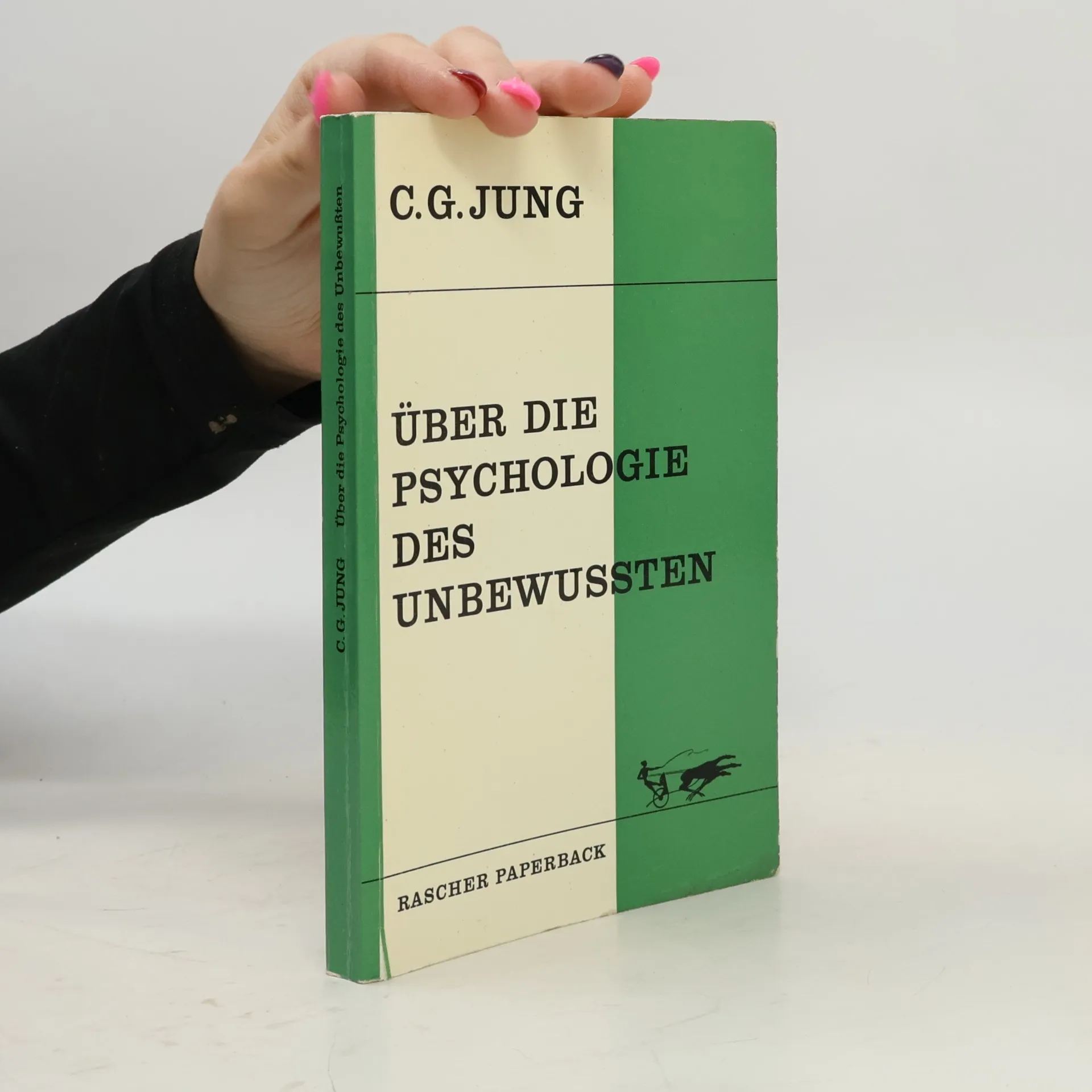
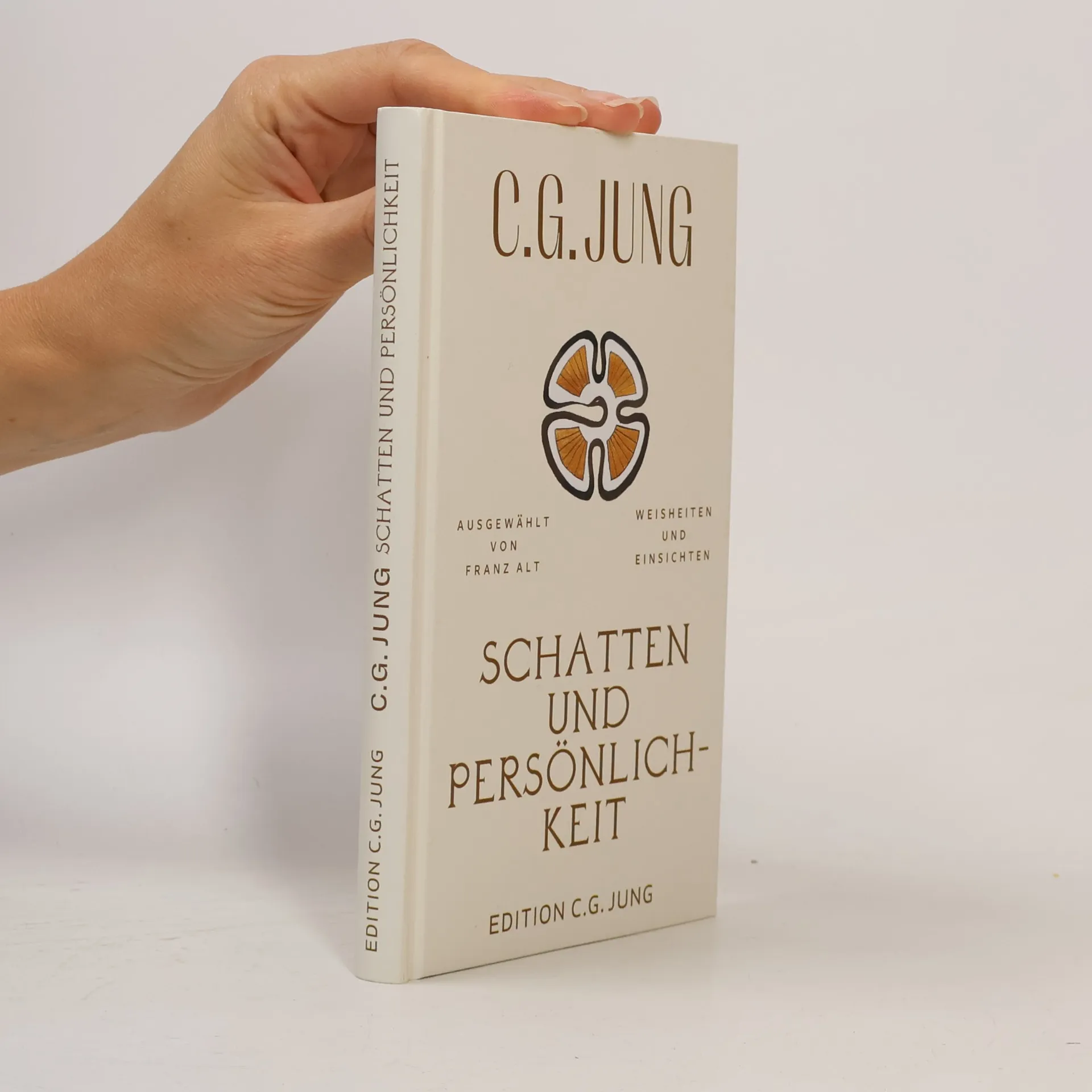
Noch kurz vor seinem Tod hat C. G. Jung wesentliche Gedanken über sein Leben und Werk seiner Mitarbeiterin Aniela Jaffé erzählt und sie mit der Aufzeichnung und Edition betraut. Einzelne Teile dieser Veröffentlichung hat er noch selbst verfasst. Das Buch eröffnet überraschende Ausblicke sowohl für den, der mit dem Werk C. G. Jungs vertraut ist, wie auch für den, der sich noch nicht mit ihm beschäftigt hat. Es gibt kaum eine bessere Einführung in die Geisteswelt des Begründers der Analytischen Psychologie.
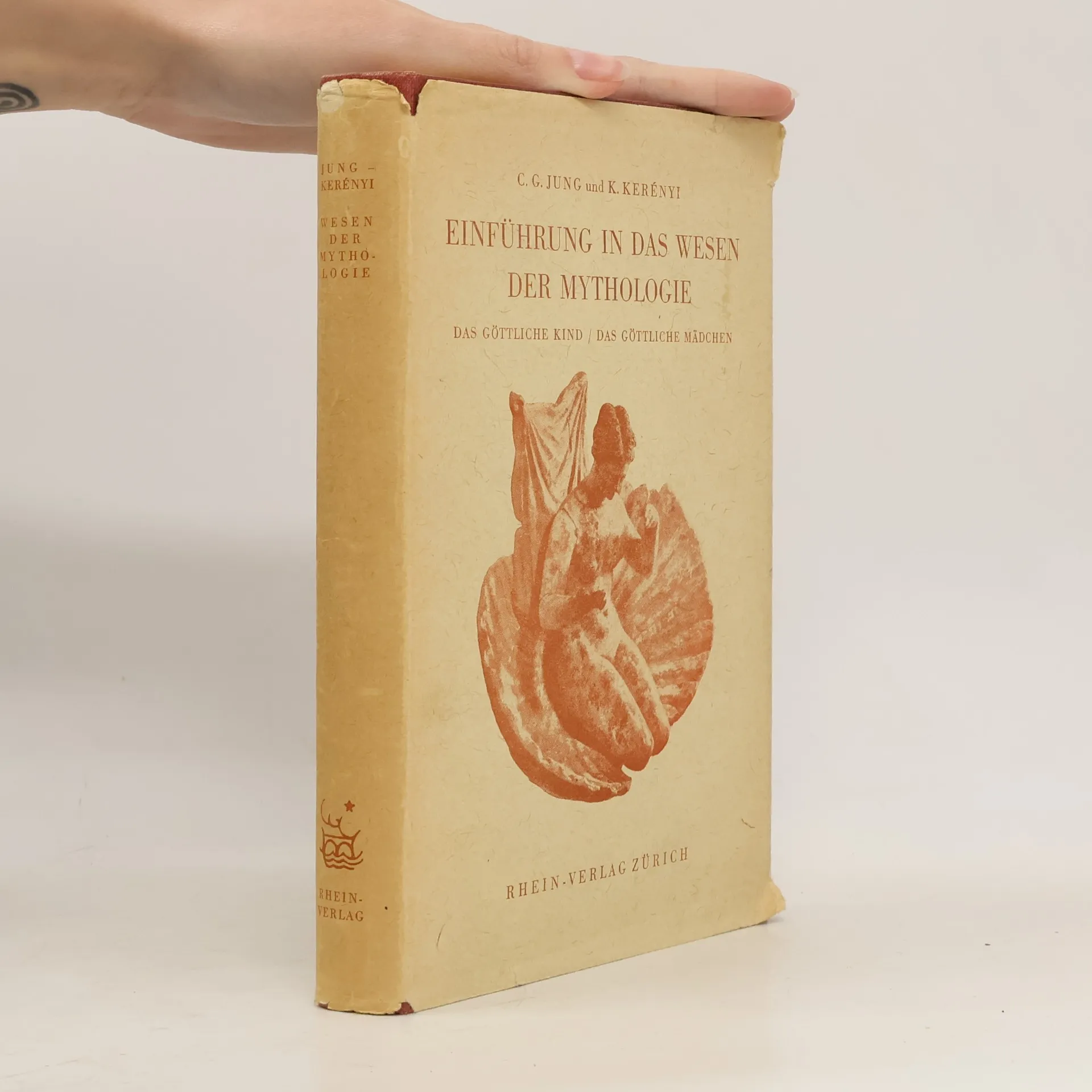
s/t: Das göttliche Kind. Das göttliche Mädchen When Carl Gustav Jung and Karl Kerényi got together to collaborate on this book, their aim was to elevate the study of mythology to a science. Kerényi wrote on two of the most ubiquitous myths, the "Divine Child" and "The Maiden", supporting the core "stories" with both an introduction and a conclusion. Jung then provided a psychological analysis of both myths. He defined myth as a story about heroes interacting with the gods. Having long studied dreams and the subconscious, Jung identified certain dream patterns common to everyone. These "archetypes" have developed through the centuries, and enable modern people to react to situations in much the same way as our ancestors. From nuclear annihilation to AIDS and Ebola, we continue to engage the gods in battle. "Science of Mythology" provides an account of the meaning and the purpose of mythic themes that is linked to modern life: the heroic battles between good and evil of yore are still played out, reflected in contemporary fears.
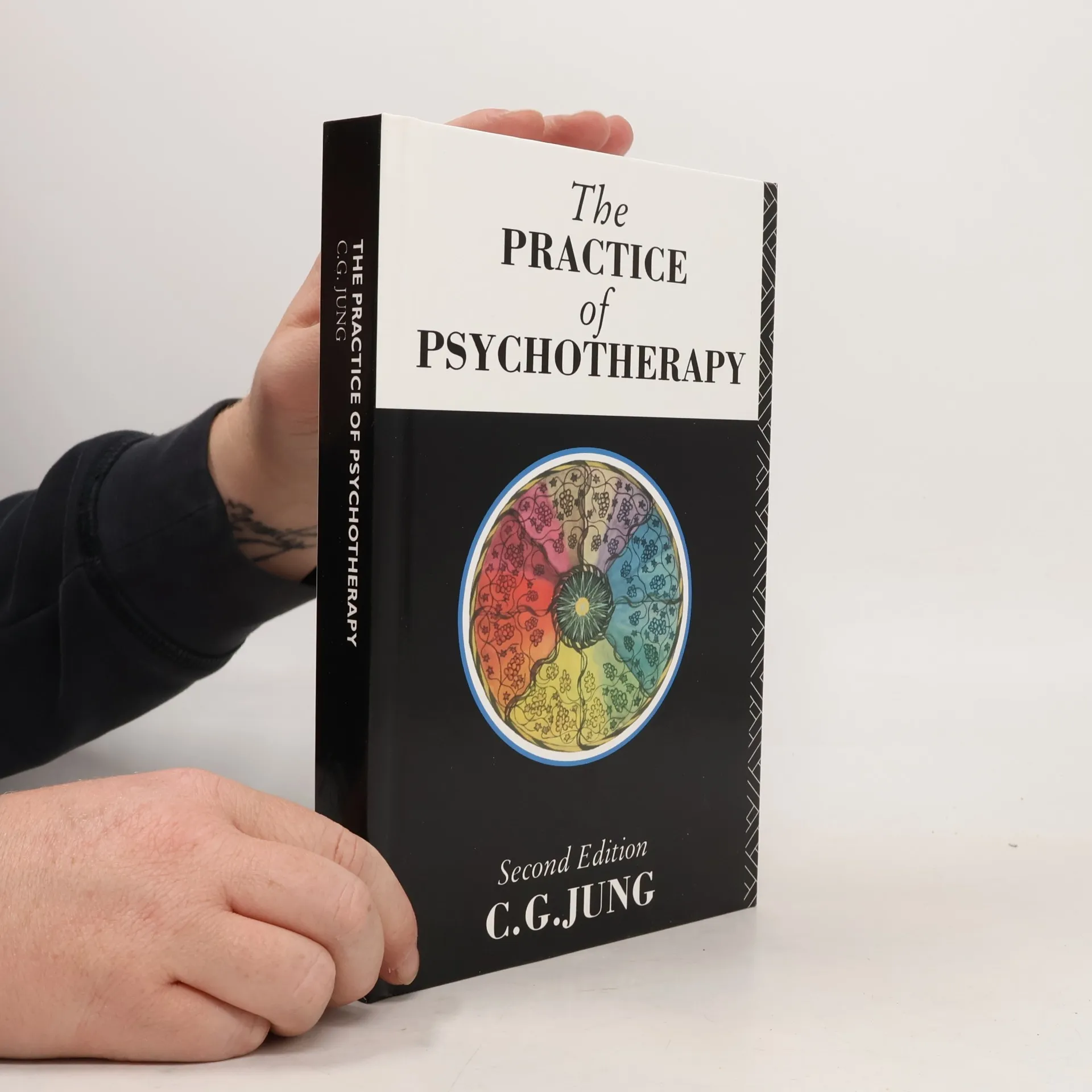
The Practice of Psychotherapy brings together Jung's essays on general questions of analytic therapy and dream analysis. It also contains his profoundly interesting parallel between the transference phenomena and alchemical processes. The transference is illustrated and interpreted by means of a set of symbolic pictures, and the bond between psychotherapist and patient is shown to be a function of the kinship libido. Far from being pathological in its effects, kinship libido has an essential role to play in the work of individuation and in establishing an organic society based on the psychic connection of its members with one another and with their own roots.
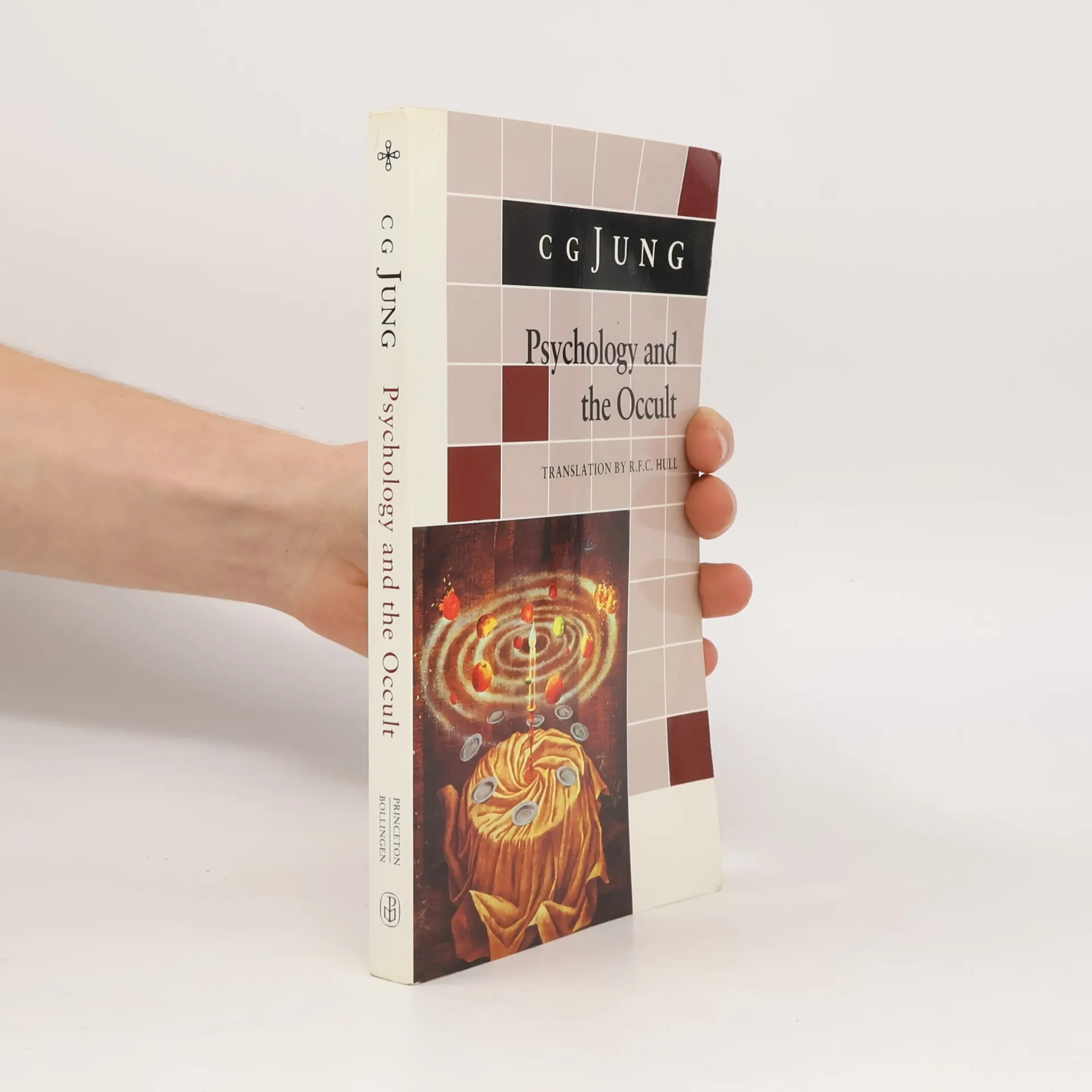
Extracted from Volumes 1, 8, and 18. Includes Jung's Foreword to Phenom�nes Occultes (1939), On the Psychology and Pathology of So-called Occult Phenomena, The Psychological Foundations of Belief in Spirits, The Soul and Death, Psychology and Spiritualism, On Spooks: Heresy or Truth? and Foreword to Jaff� Apparitions and Precognition.
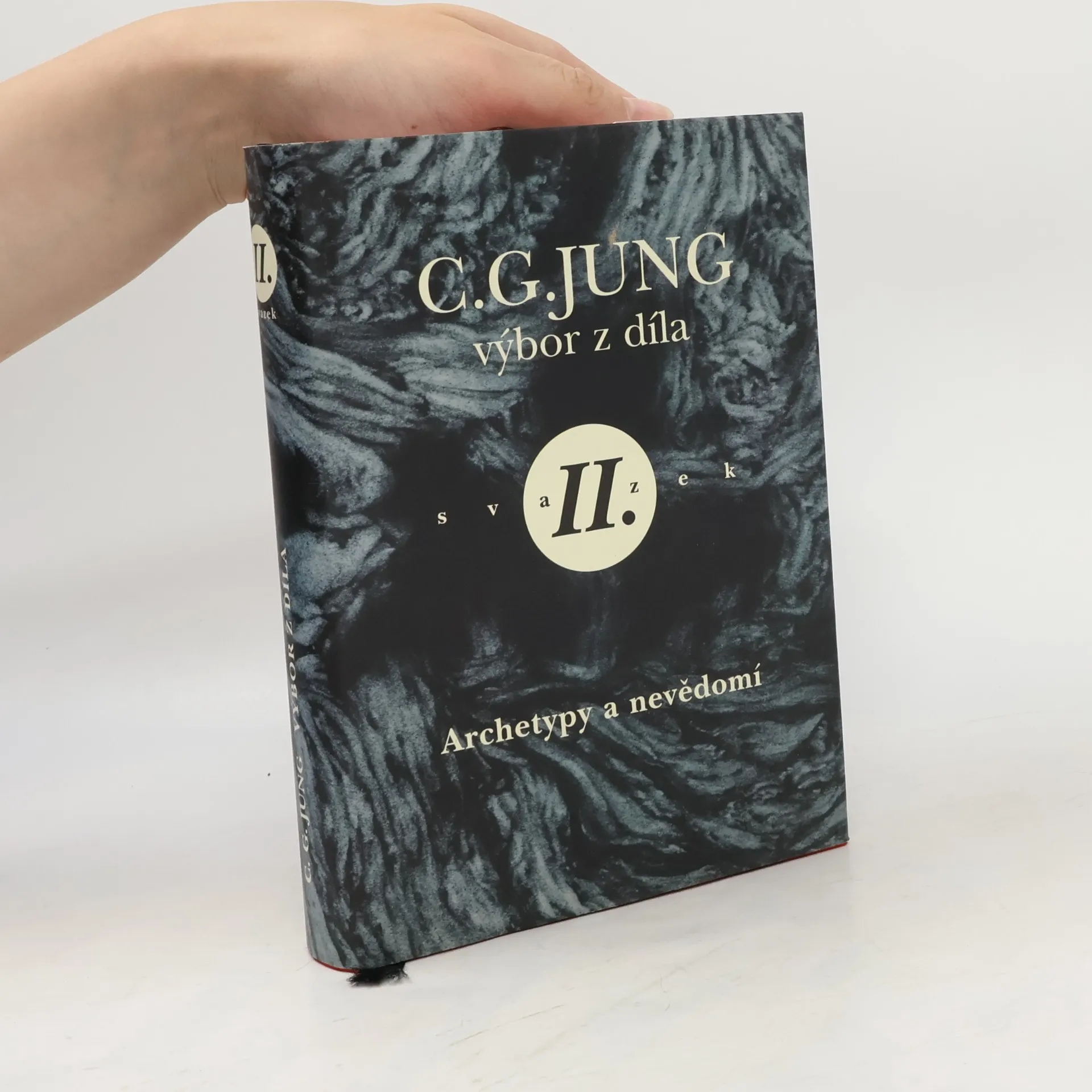
het collectieve onbewuste, individuatie anima, ziel en dood, integratie van bewust en onbewust
118 Seiten
5 Lesestunden
s/t: het collectieve onbewuste, individuatie, anima, ziel en dood, integratie van bewust en onbewust Het zevental korte stukken van Jung dat hier is samengebracht, geeft een duidelijke beschrijving van kernpunten, begrippen en termen die voor Jungs psychologie typerend zijn. Jung gaat ervan uit dat de mens, behalve door zijn bewustzijn, ook in sterke mate beïnvloed wordt door onbewuste factoren die zich weer uiten in stemmingen, irrationele overtuigingen, enzovoort. De opgace het licht (van het bewustzijn) in deze duisternis (van het onbewuste) te brengen, kan ons voeren tot integratie van aanvankelijk onbewuste inhouden in ons leven. Jung wijst op mogelijkheden om deze strijd tot bewustmaking te volbrengen, zodat wij er als volledig mens, als totaliteit, uit te voorschijn komen.
В этой книге Юнг делится с читателями своими воспоминаниями, спокойно и объективно анализируя собственный жизненный и творческий путь. Сам великий психолог говорит об этом так: `Когда мы старимся, воспоминания нашей молодости возвращаются к нам, и причины кроются не только внутри нас. Когда-то прежде, каких-нибудь тридцать лет назад, мои ученики просили меня рассказать о том, как я пришел к понятию бессознательного... За последние годы в различной форме было высказано предложение сделать нечто подобное в отношении автобиографии. Я знаю слишком много автобиографий, с их самообманом и прямой ложью, и я знаю слишком много о невозможности описать себя, для того чтобы у меня возникло желание предпринять такую попытку `.
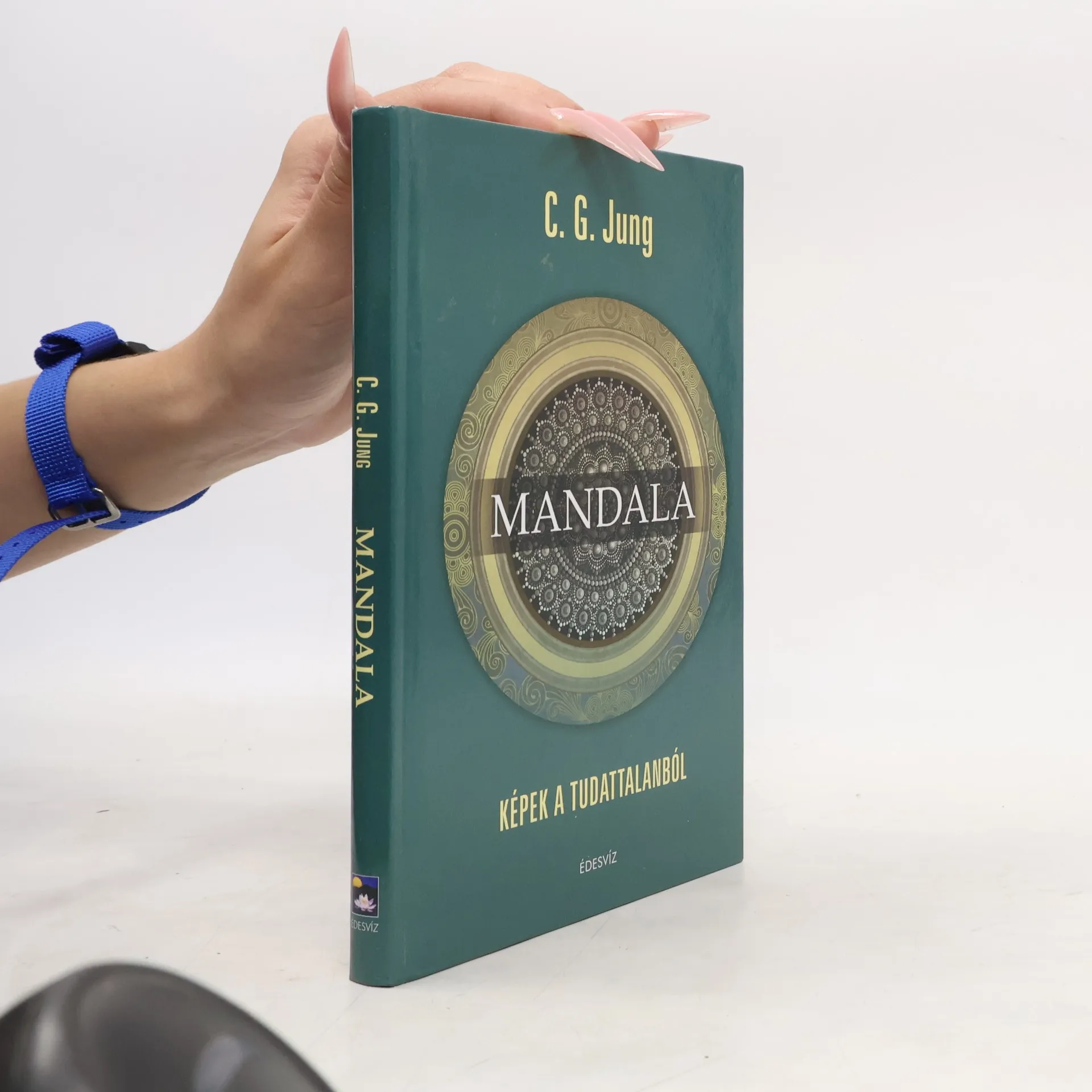
C. G. Jung, a pszichológia egyik legkiemelkedőbb alakja a mandalákat a lélektan szemszögéből vizsgálta. Kötetünk az e tárgykörbe tartozó írásait gyűjti egybe, valamint a bemutatott képsorozatokon keresztül közelebbről megismerteti az olvasót a mandalák szimbolikájával, úgy, ahogyan azt a világhírű pszichiáter, pszichológus értelmezte a tudomány számára. A szanszkrit mandala szó általános jelentése: kör, korong. Évezredek óta használják meditációs technikákhoz és gyógyító hatású gyakorlatokhoz. Nem csoda tehát, hogy a modern kor gyógyászatára is hatással van. Meggyőződtem róla, hogy mandalákat mindenkor és mindenütt rajzoltak, festettek, kőbe véstek és építettek, egyszóval a mandala már réges-rég létezett, amikor pácienseim felfedezték maguknak... Az a tény, hogy az efféle képek adott esetben számottevő terápiás hatással vannak alkotókra, empirikus módon igazolást nyert. Emellett érthető is, hiszen a mandalák gyakran igen merész kísérleteket tesznek látszólag kibékíthetetlen ellentétek egybevetésére egyesítésére és reménytelenül nagynak tűnő szakadékok áthidalására. Rendszerint már az ebbe az irányba tett próbálkozás is gyógyító hatású... Ez a maga nemében különleges gyűjtemény mind a szakmai szemmel látó pszichológusok, mind a mandalák misztikus világa iránt érdeklődők számára értékes és hiánypótló alkotás.
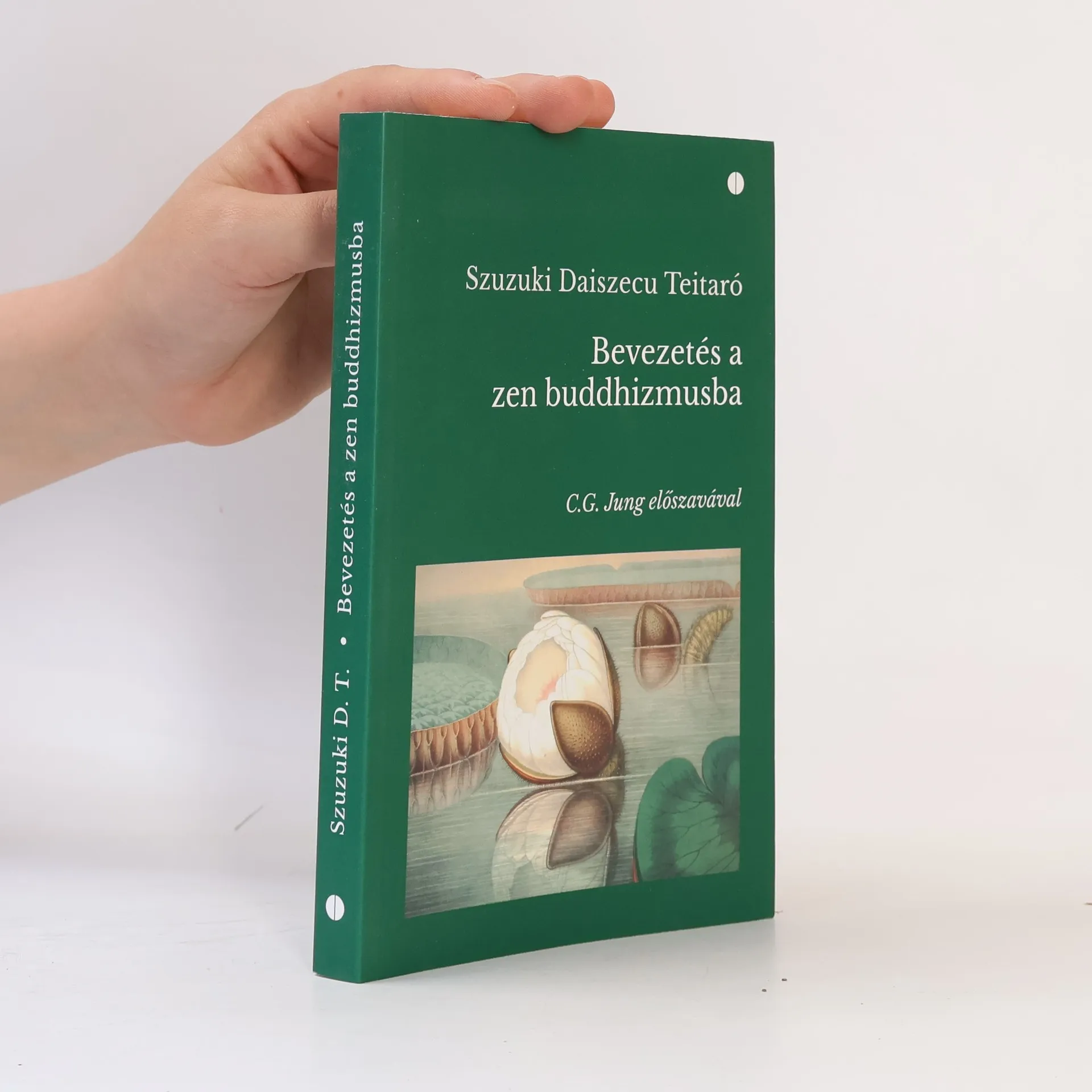
Szuzuki Daiszecu Teitaró japán zen buddhista tudós jelentős hatással volt a huszadik századi nyugati zen megértésére. A zen egy új nézőpont elsajátítását jelenti, amelynek lényegét Carl Gustav Jung előszava világítja meg. A könyv az első világháború alatt Japánban megjelent cikkekre épül, amelyeket 1964-ben újraírt, hogy a nyugati közönség számára érthetőbbé tegye a zen lényegét. Szuzuki célja, hogy cáfolja a zen "nihilizmusa" és "logikátlansága" körüli tévhiteket, miközben számos zen kóan segítségével, árnyaltan, de közérthetően mutatja be a zent mint "magasabb rendű állítást" és a szatori fogalmát. Jung tanulmányában kifejti, hogy miért nehéz a zen lényegét nyugati ésszel megragadni, és milyen pszichológiai, terápiás tanulságai vannak. A könyv a keleti gondolkodás iránt nyitott, érdeklődő olvasók számára készült, igényes fordításban, név- és tárgymutatóval zárul. Szellemi izgalmakat kínál a művelt nagyközönségnek.