

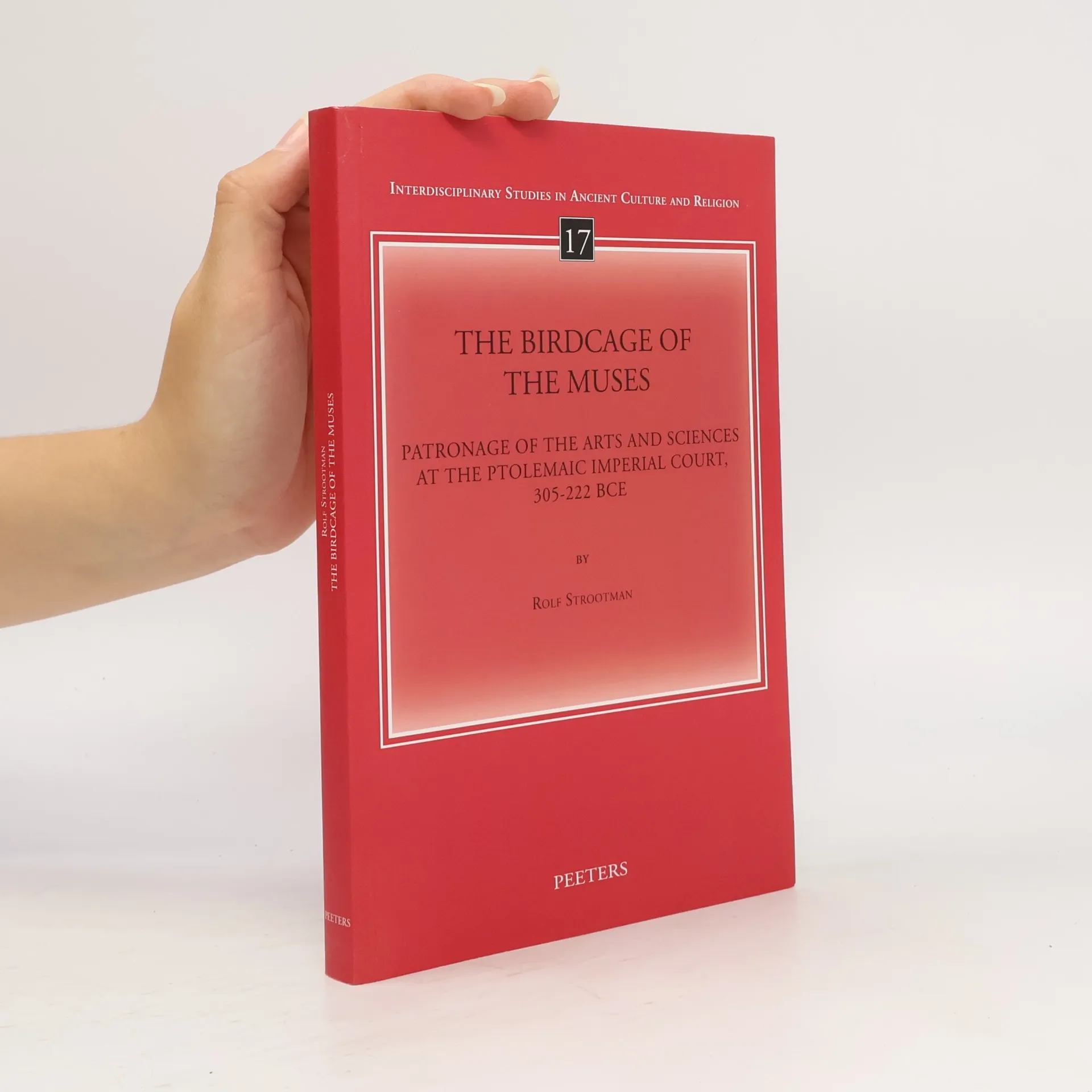
Interdisciplinary Studies in Ancient Culture and Religion - 17: The Birdcage of the Muses
Patronage of the Arts and Sciences at the Ptolemaic Imperial Court, 305-222 BCE
- 197 Seiten
- 7 Lesestunden
In the third century BCE, the Ptolemaic imperial court at Alexandria emerged as the epicenter of culture and learning in the Hellenistic world. Supported by the wealth and prestige of the Ptolemies, Alexandria became a vital hub within an expansive imperial network stretching from the Indian Ocean to the Black Sea. This attracted poets, philosophers, inventors, and geographers, who thrived under the Ptolemaic patronage. The Birdcage of the Muses offers a comprehensive historical study of this golden age of cultural and scientific support. Rolf Strootman employs new perspectives on premodern imperialism to reevaluate the role of Hellenistic court poetry within contemporary empire studies and the sociological analysis of the court. He argues that artistic, scholarly, and scientific endeavors were integral to elite integration in the diverse imperial system governed by the Ptolemies. By challenging the notion that poets and scholars operated independently from court society, Strootman illustrates how their professional conduct was influenced by the same dynamics of gift exchange, etiquette, and competition that shaped the court. The Hellenistic Age marked a period of heightened globalization, with the royal court facilitating access to elite networks across the Mediterranean. Literary figures played a crucial role in fostering interconnectivity, contributing to a shared 'Hellenistic' culture and language, and promoting the vision