Séneca Bücher

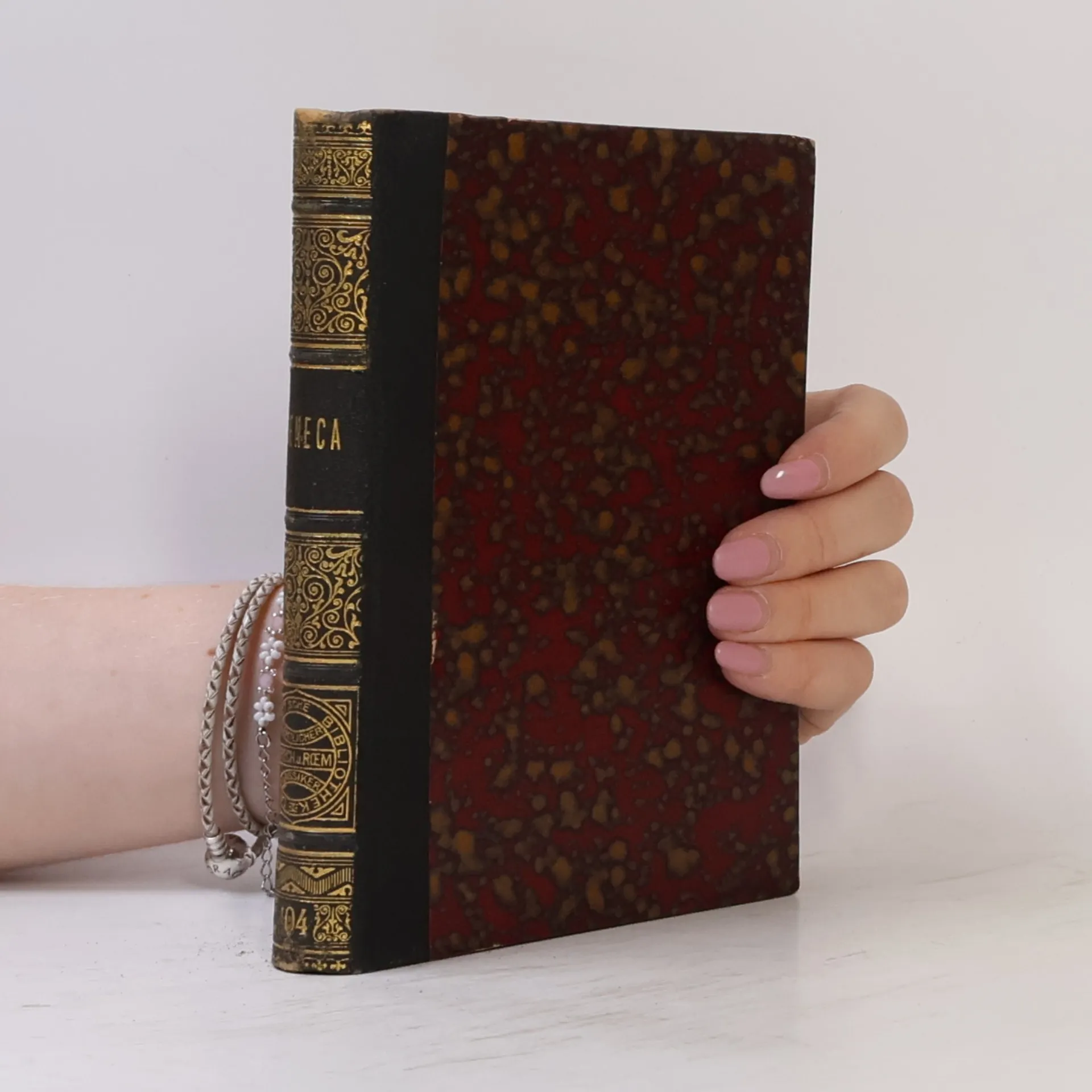
El arte de dar y recibir
Un manual de sabiduría clásica sobre los beneficios de la generosidad y la gratitud
- 144 Seiten
- 6 Lesestunden
To give and receive well may be the most human thing you can do―but it is also the closest you can come to divinity. So argues the great Roman Stoic thinker Seneca (c. 4 BCE-65 CE) in his longest and most searching moral treatise, "On Benefits" (De Beneficiis). James Romm's splendid new translation of essential selections from this work conveys the heart of Seneca's argument that generosity and gratitude are among the most important of all virtues. For Seneca, the impulse to give to others lies at the very foundation of society; without it, we are helpless creatures, worse than wild beasts. But generosity did not arise randomly or by chance. Seneca sees it as part of our desire to emulate the gods, whose creation of the earth and heavens stands as the greatest gift of all. Seneca's soaring prose captures his wonder at that gift, and expresses a profound sense of gratitude that will inspire today's readers. Complete with an enlightening introduction and the original Latin on facing pages, How to Give is a timeless guide to the profound significance of true generosity.
El arte de mantener la calma
Un manual de sabiduría clásica sobre la gestión de la ira
- 112 Seiten
- 4 Lesestunden
"En su vehemente ensayo Sobre la ira, Séneca, célebre pensador romano del siglo i de nuestra era y una de las figuras más destacadas del estoicismo, argumenta que la ira es la pasión más destructiva para la raza humana. Su propia vida es una prueba de ello: apenas pudo conservarla bajo el reinado del colérico emperador Calígula y la perdió bajo el gobierno de Nerón. Esta nueva traducción es una certera selección de la sabiduría esencial de Sobre la ira. Presentada con una introducción esclarecedora, ofrece a los lectores una guía atemporal para evitar y controlar la ira. Ilustra vívidamente por qué esta emoción es tan peligrosa y por qué saber gestionarla tiene grandes beneficios para las personas y para la sociedad. Las reflexiones de Séneca sobre la ira nunca han sido más relevantes que hoy, cuando el discurso incivil contamina cada vez más el debate público. Ya sea que los lectores estén interesados en su propio desarrollo personal o anhelen una renovación de la esfera política, encontrarán en la sabiduría de Séneca un antídoto valioso para los males de una época iracunda."--Page [4] of cover.
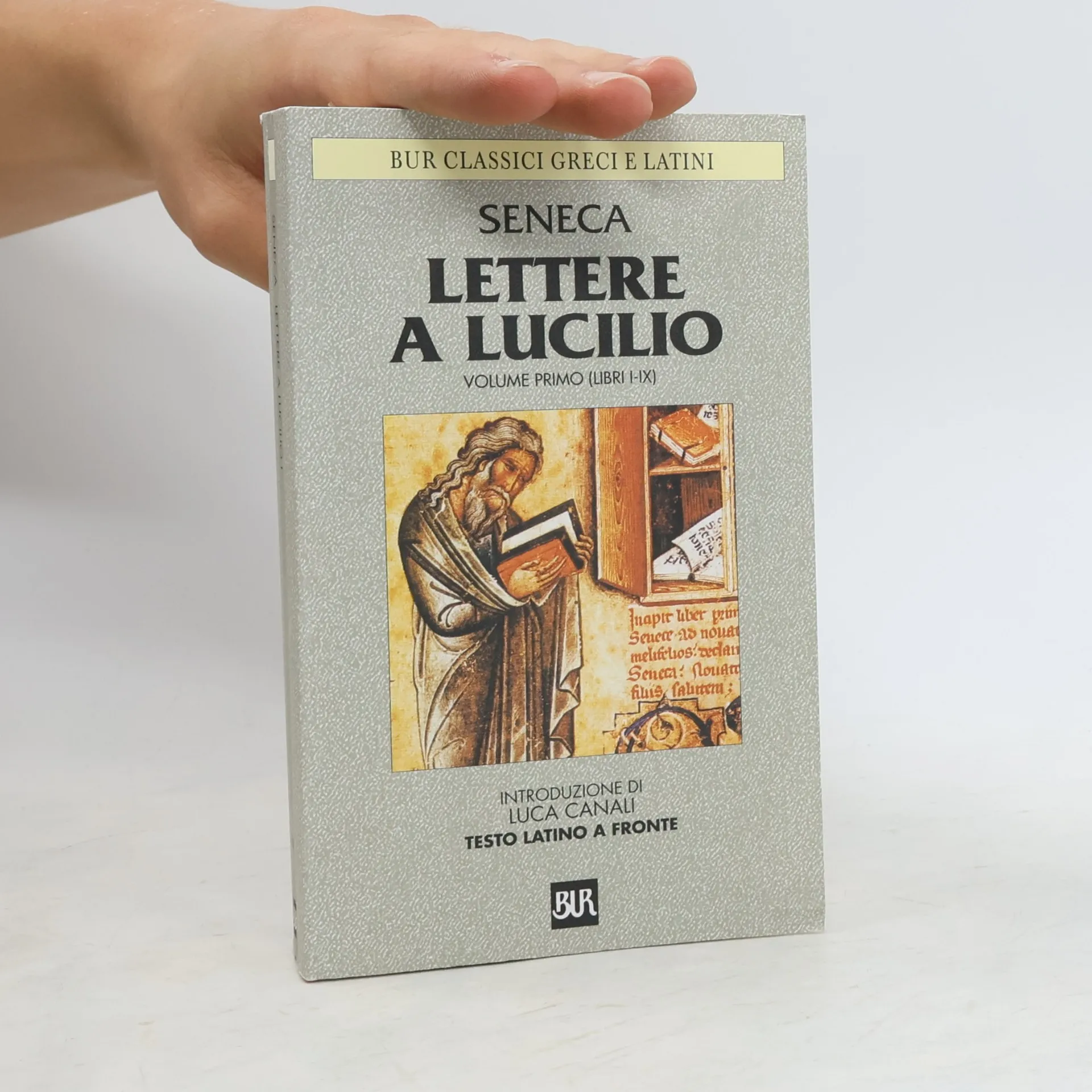
Lettere a Lucilio Volume Primo (Libri I-IX)
Testo Latino a Fronte
Le Lettere a Lucilio, il capolavoro filosofico di Seneca, scritte dopo il suo ritiro dagli affari politici, vertono intorno al problema del valore dell'esistenza e alla necessità di una scelta che salvi l'uomo dalla dispersione e dall'estraniamento, e mantenga intatta la sua libertà interiore. Sono brevi meditazioni e discussioni, in uno stile nervoso e frammentario, decisamente anticlassico, che se dispiaceva ai contemporanei (Caligola lo definì «sabbia senza calce») è invece molto vicino alla sensibilità moderna.
Levenskunst - Filosofische essays over leven en dood
- 304 Seiten
- 11 Lesestunden
Wijsheid. Inzicht. Inspiratie. Wie daarnaar op zoek is in de Romeinse literatuur komt snel uit bij de filosoof Seneca. Als geen andere antieke auteur richt Seneca zich op de belangrijkste vragen die mensen zich stellen. Hoe moet ik leven? Wat moet ik doen om gelukkig te worden? En hoe kan ik op een waardige manier sterven? In vijf wijsgerige essays gaat Seneca op zulke kwesties in. Zo bestrijdt hij de gangbare visie dat het leven "te kort' is, en geeft hij adviezen om innerlijke rust en onafhankelijkheid te bereiken. Ook schrijft hij uitvoerig over de goede dood. De eerder apart verschenen essays zijn hier gebundeld als Levenskunst. Als bonus is een nieuwe vertaling opgenomen van Seneca's onvolledig bewaarde "Leven in de luwte' (De otio).
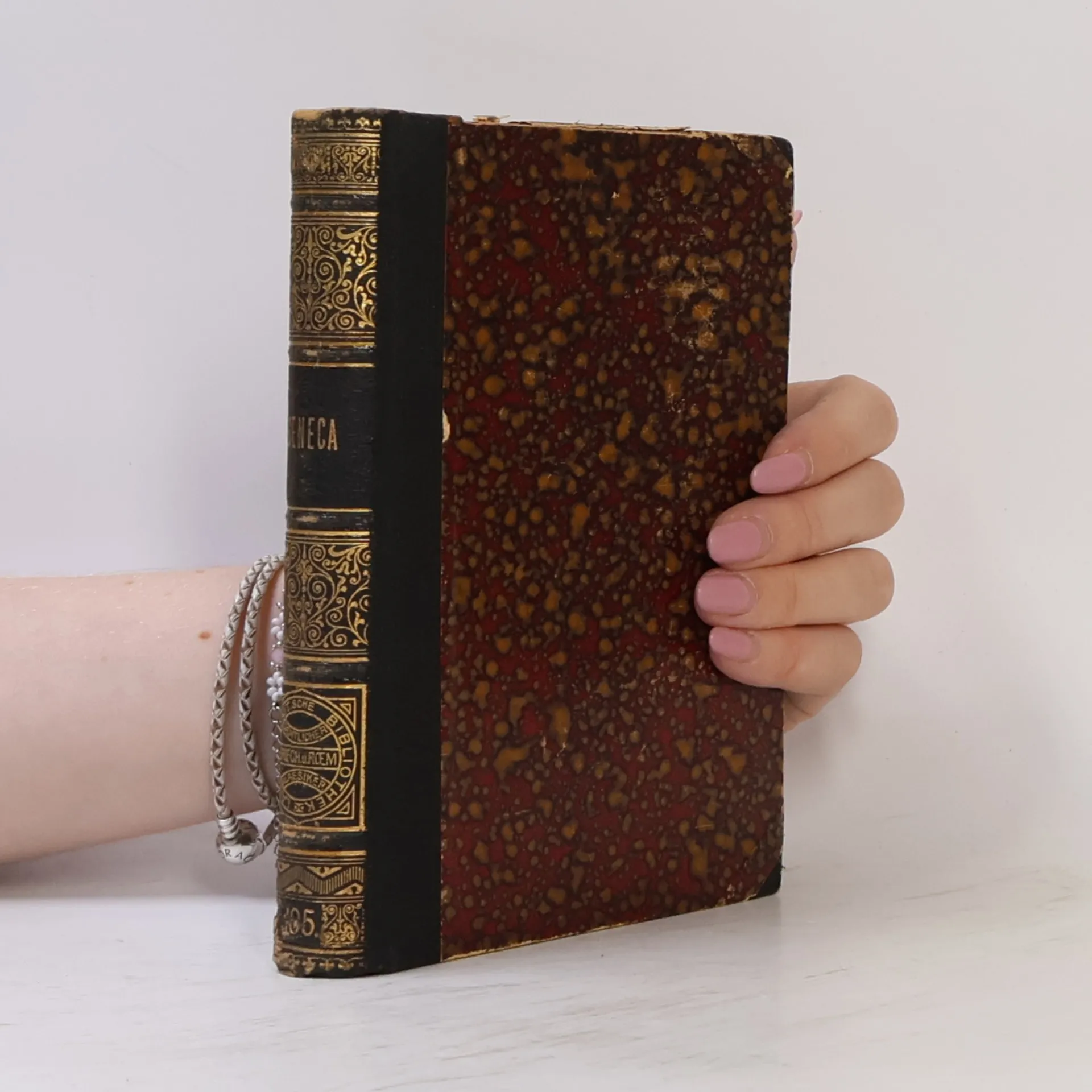
A Student’s Seneca
Ten Letters and Selections from De Providentia and De Vita Beata
- 181 Seiten
- 7 Lesestunden
Born in 4 b.c., Seneca lived during one of the most turbulent times in Roman history. He served as tutor and then adviser to the emperor Nero, witnessing firsthand many crimes and debaucheries. His experiences led him to turn away from public life and retreat into philosophical contemplation. A leading proponent of Stoicism, he has influenced writers and thinkers throughout the centuries. Seneca’s letters and essays are ideally suitable for intermediate- level Latin students. Written in a clear and crisp style, they are universal in scope and psychological in orientation. For this edition, M. D. Usher has arranged the selections by theme, length, and degree of difficulty. Usher also provides line-by-line notes on grammar, style, and content, and a vocabulary listing all Latin words found in the texts.
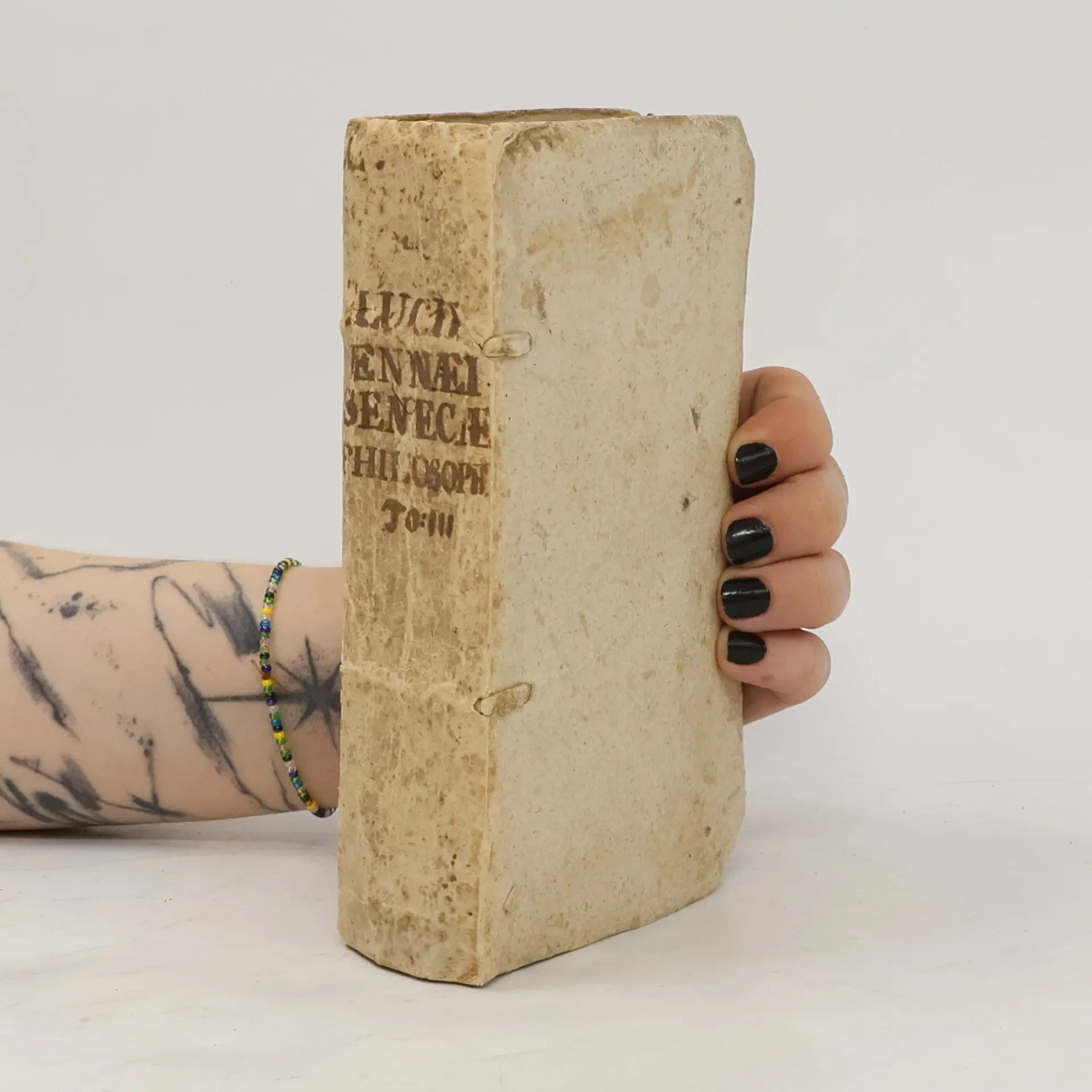
L. Annaei Senecae Rhetoris
Suasoriae, Controversiae, cum Declarationum Excerptis. Tomus Tertius
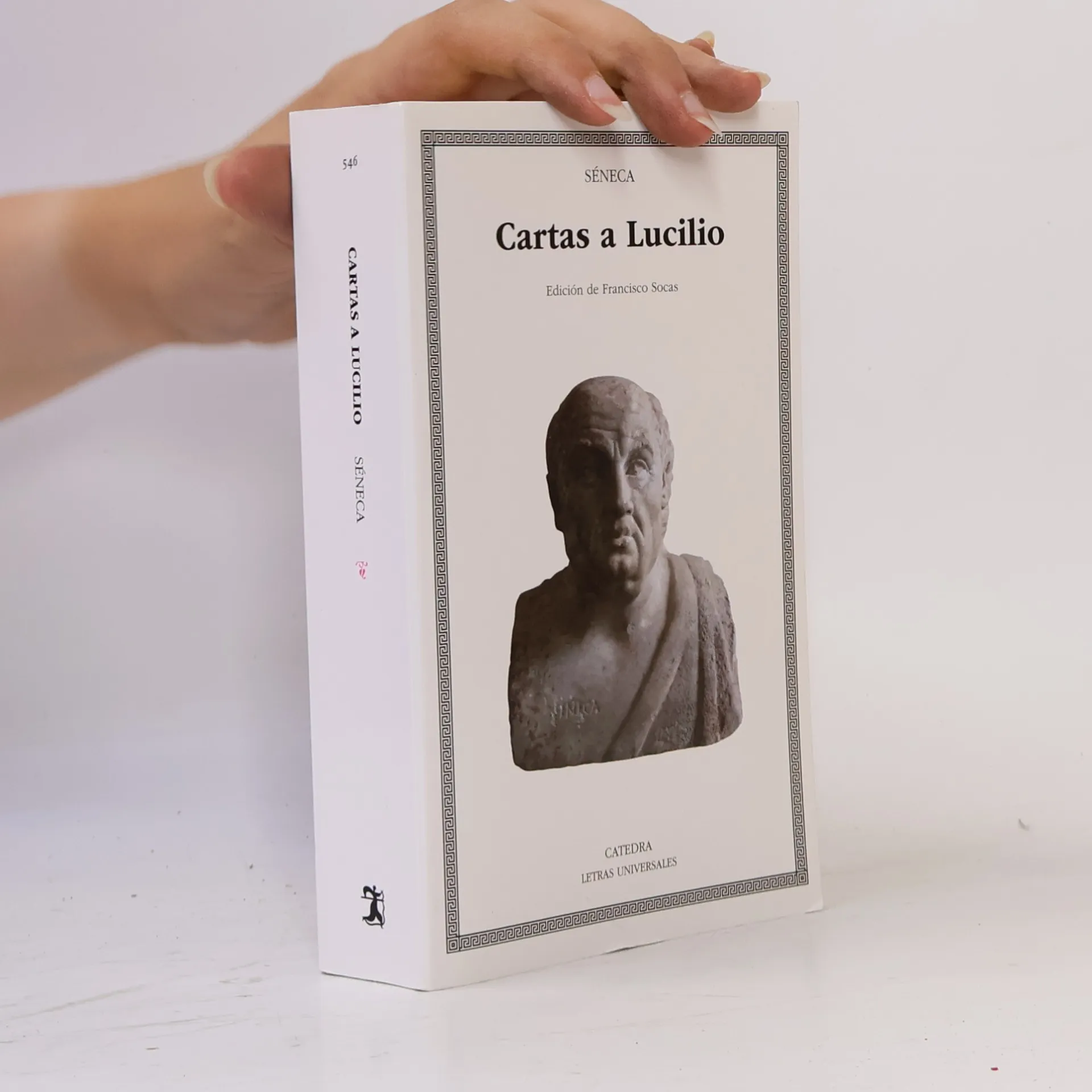
Séneca fue una personalidad de muchas facetas que abordó con relativo éxito y comprobado entusiasmo: político, gran propietario, hombre de negocios, practicante y difusor de la filosofía, orador, poeta. Su compleja personalidad se nos aparece con fallos palmarios en un maestro de moral, pero esta desconcertante escisión entre sus propuestas doctrinales y su vivir, que ha atraído y monopolizado en exceso la atención de muchos, no debe oscurecer la complejidad de su carácter y el mensaje que podemos extraer de su obra. "Las Cartas a Lucilio" forman un conjunto de 124 piezas publicadas en veinte libros. Séneca fraguó en estas cartas su obra cumbre, el testamento vital del filósofo, en el que están innumerables preocupaciones, vivencias y lecturas del autor. Son el único ejemplar que se conserva de una correspondencia filosófica en la Antigüedad y constituyen una pedagogía en acción, mostrando las técnicas que usa un maestro para hacer progresar al discípulo. Se detecta en ellas cierto método y un avanzar a pequeños pasos, como van desvelando poco a poco las complicaciones y riqueza de la doctrina.