

Bookbot

Denise Scott Brown

    Denise Scott Brown ist eine einflussreiche Architektin, Stadtplanerin und Schriftstellerin, deren theoretische Arbeiten und architektonischen Entwürfe die Landschaft des 20. Jahrhunderts geprägt haben. Zusammen mit ihrem Partner Robert Venturi prägte sie einen architektonischen Ansatz, der den orthodoxen Modernismus ablehnte und die amerikanische Zersiedelung und Volksarchitektur annahm. Ihre Schriften, darunter bahnbrechende Publikationen, untersuchen den Symbolismus architektonischer Formen und beeinflussen, wie wir städtische Umgebungen wahrnehmen. Scott Brown ist weiterhin eine produktive Stimme in der Architektur und Stadtplanung.

    Graphic Design Theory
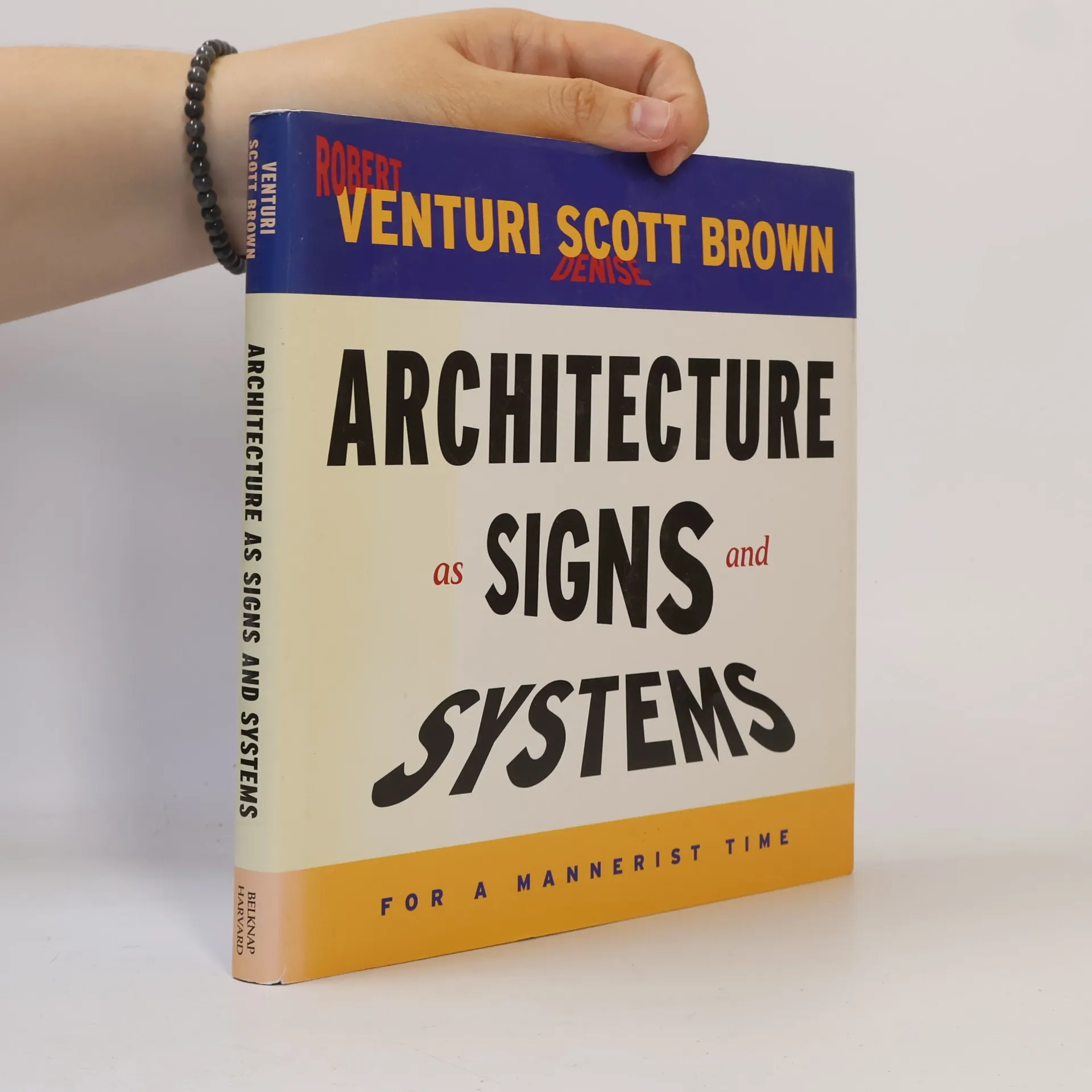
    Architecture as Signs and Systems
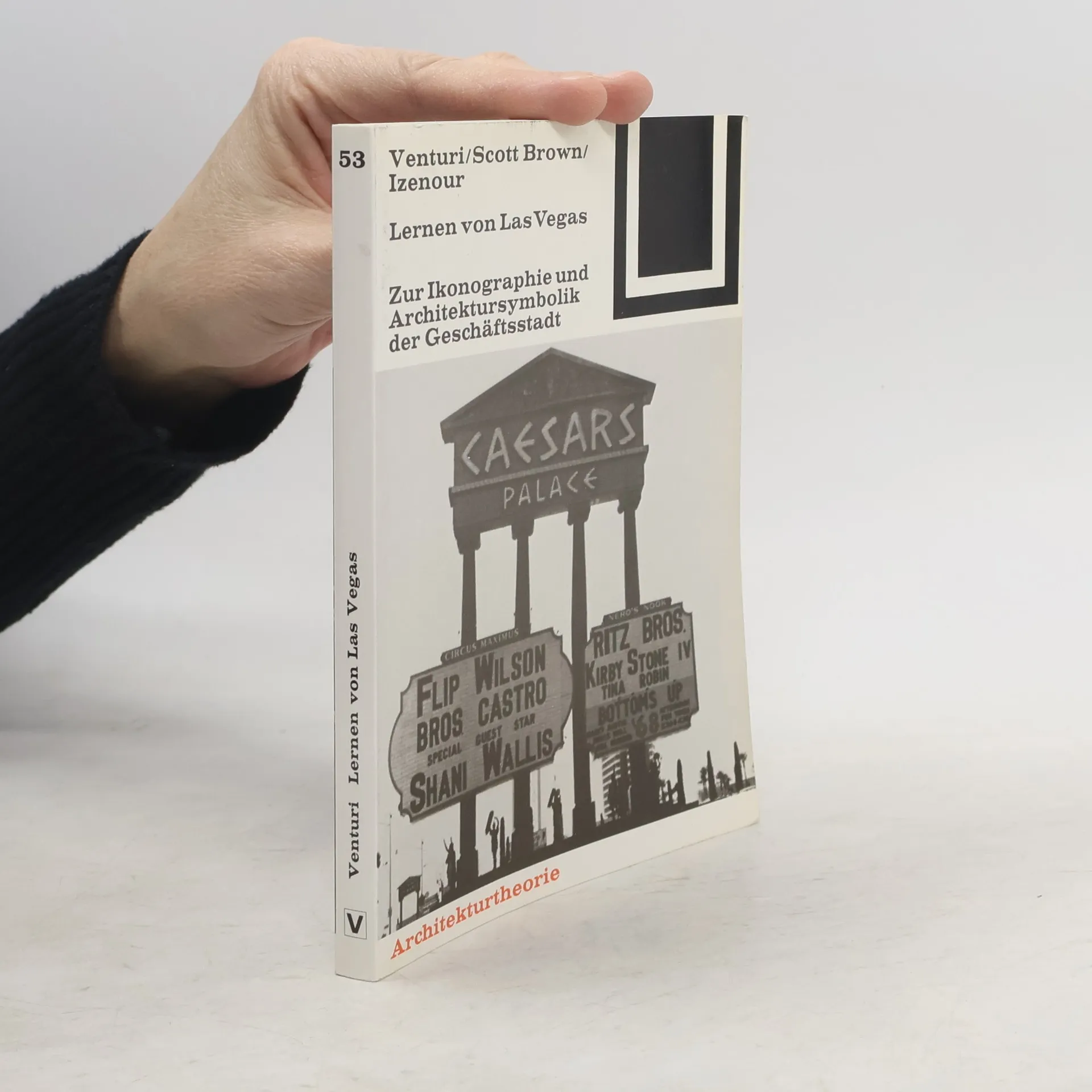
    Lernen von Las Vegas: Zur Ikonographie und Architektursymbolik der Geschäftsstadt
    • Graphic Design Theory

      • 151 Seiten
      • 6 Lesestunden

      Graphic Design Theory presents groundbreaking, primary texts from the most important historical and contemporary design thinkers. From Aleksandr Rodchenko’s "Who We Are: Manifesto of the Constructivist Group" to Kenya Hara’s "Computer Technology and Design," this essential volume provides the necessary foundation for contemporary critical vocabulary and thought. Graphic Design Theory is organized in three sections: "Creating the Field" traces the evolution of graphic design over the course of the early 1900s, including influential avant-garde ideas of futurism, constructivism, and the Bauhaus; "Building on Success" covers the mid- to late twentieth century and considers the International Style, modernism, and postmodernism; and "Mapping the Future" opens at the end of the last century and includes current discussions on legibility, social responsibility, and new media. Striking color images illustrate each of the movements discussed and demonstrate the ongoing relationship between theory and practice. A brief commentary prefaces each text, providing a cultural and historical framework through which the work can be evaluated.

      Graphic Design Theory2009
    • Architecture as Signs and Systems

      For a Mannerist Time - The William E. Massey Sr. Lectures in the History of American Civilization

      • 264 Seiten
      • 10 Lesestunden

      Robert Venturi exploded onto the architectural scene in 1966 with a radical call to arms in Complexity and Contradiction . Further accolades and outrage ensued in 1972 when Venturi and Denise Scott Brown (along with Steven Izenour) analyzed the Las Vegas strip as an archetype in Learning from Las Vegas . Now, for the first time, these two observer-designer-theorists turn their iconoclastic vision onto their own remarkable partnership and the rule-breaking architecture it has informed.The views of Venturi and Scott Brown have influenced architects worldwide for nearly half a century. Pluralism and multiculturalism; symbolism and iconography; popular culture and the everyday landscape; generic building and electronic communication are among the many ideas they have championed. Here, they present both a fascinating retrospective of their life work and a definitive statement of its theoretical underpinnings.Accessible, informative, and beautifully illustrated, Architecture as Signs and Systems is a must for students of architecture and urban planning, as well as anyone intrigued by these seminal cultural figures. Venturi and Scott Brown have devoted their professional lives to broadening our view of the built world and enlarging the purview of practitioners within it. By looking backward over their own life work, they discover signs and systems that point forward, toward a humane Mannerist architecture for a complex, multicultural society.

      Architecture as Signs and Systems2004