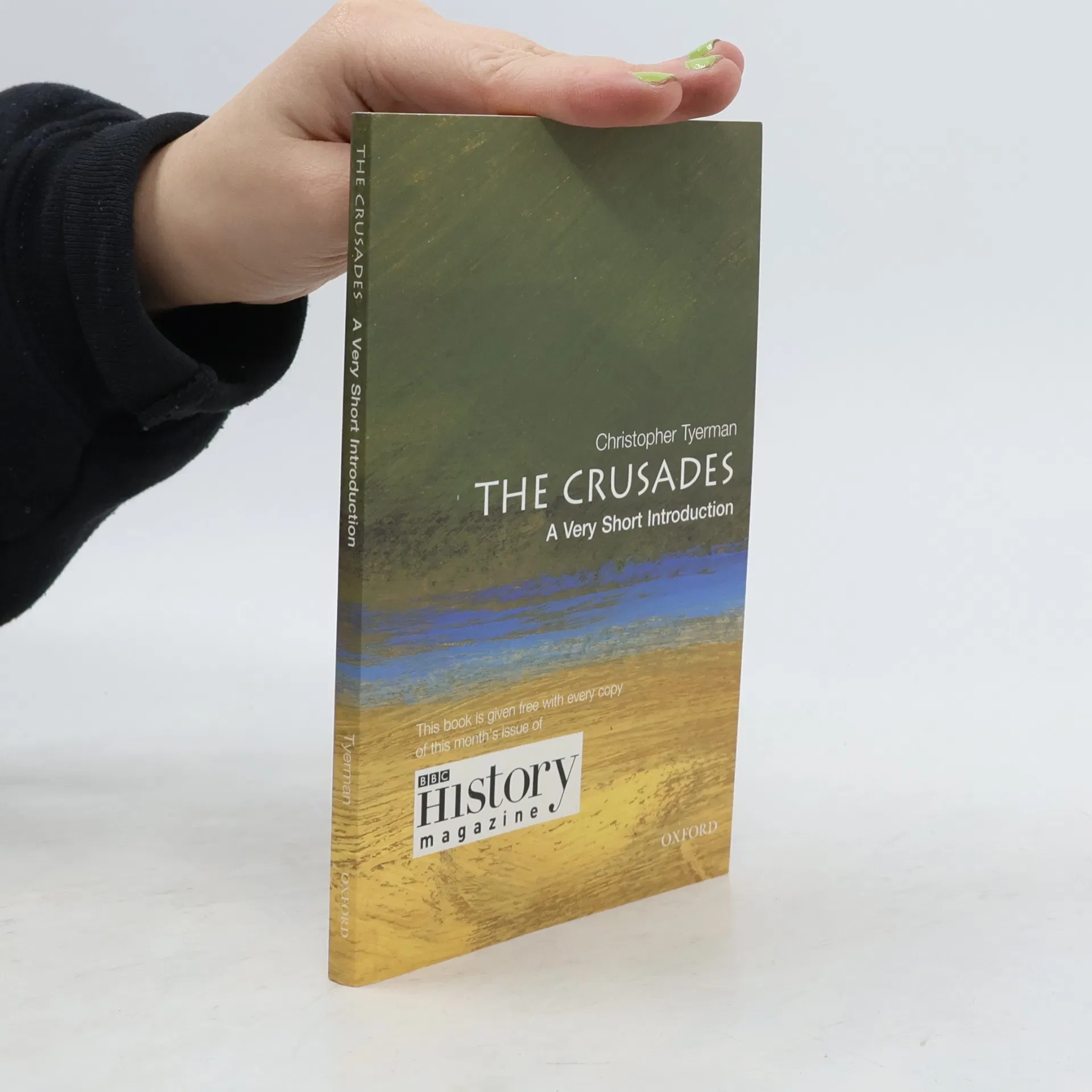
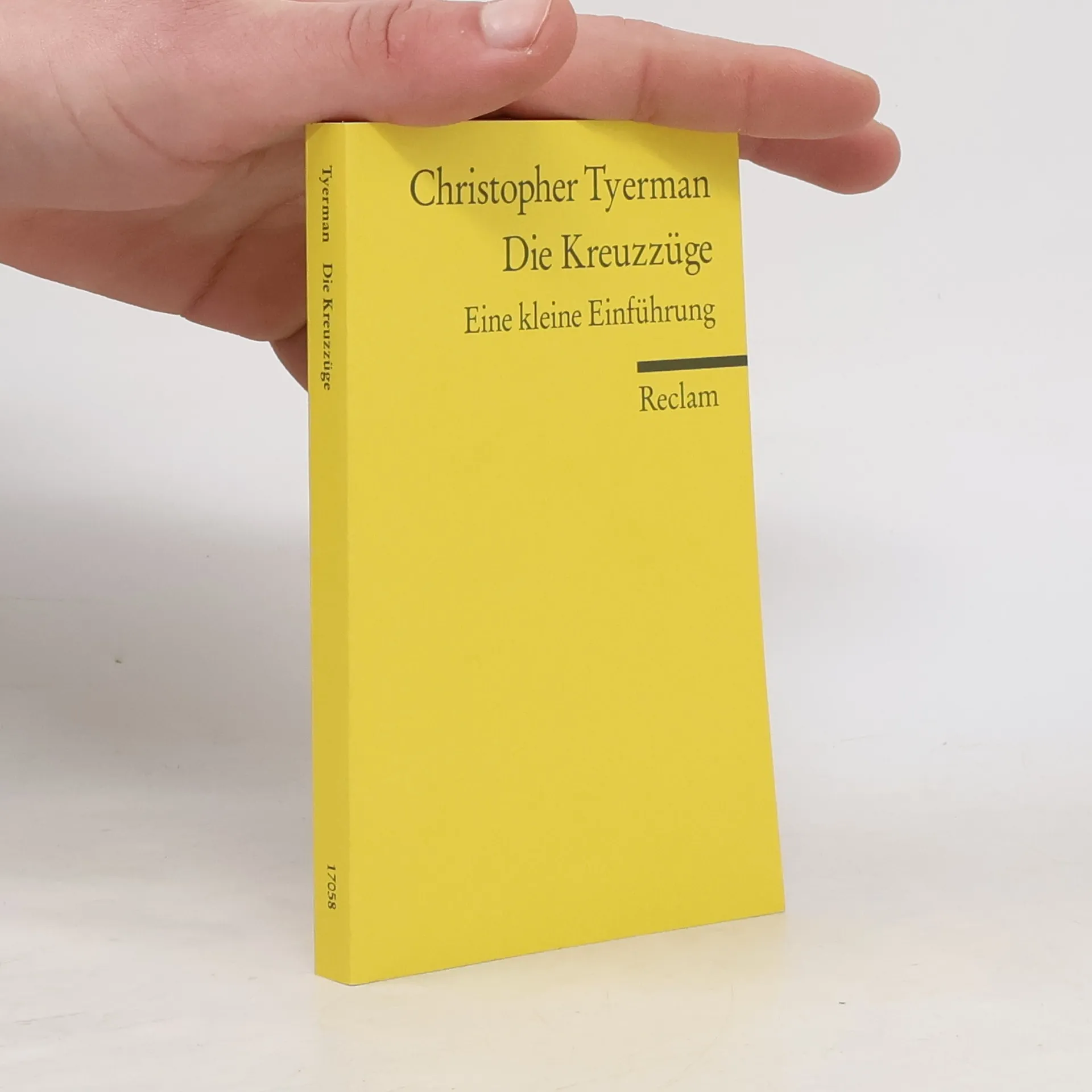
Christopher Tyerman ist ein führender Historiker der Kreuzzüge, der sich mit deren Komplexität und Folgen befasst. Seine Arbeiten untersuchen die tiefgreifenden Motivationen und strategischen Planungen hinter diesen ehrgeizigen Militärexpeditionen. Tyerman bietet tiefgehende Einblicke in die religiösen, politischen und sozialen Kräfte, die diese entscheidende Ära der Geschichte prägten. Seine Analysen sind grundlegend für das Verständnis nicht nur der Vergangenheit, sondern auch des fortwährenden Erbes der Kreuzzüge.
Die Kreuzzüge sind wohl das am meisten mit aktualisierenden (Be-)Deutungen belegte Phänomen des uns so fernen Mittelalters. Christopher Tyermans knapper Überblick über die Ereignisse vom späten 11. bis zum 13. Jahrhundert versteht die Kreuzzüge dagegen konsequent als historische Bewegung, nicht als Folie für heutige Konflikte.
The fall of Jerusalem in 1099 to an exhausted army of Western European
soldiers was one of the extraordinary events of the Middle Ages. It was both
the climax of a great wave of visionary Christian fervour and the beginning of
what proved to be a futile and abortive attempt to implant a new... číst celé
A story of how a group of warriors, driven by faith, greed and wanderlust,
carved out new Christian-ruled states in the Middle East. The crusaders'
stunning initial success started a sequence of great Crusades, each with its
own story, that shaped the Christian and Muslim worlds for centuries,... číst
celé
Crusading fervor gripped Europe for over 200 years, creating one of the most extraordinary, vivid episodes in world history. Whether the Crusades are regarded as the most romantic of Christian expeditions, or the last of the barbarian invasions, they have fascinated generations ever since, and their legacy of ideas and imagery has resonated through the centuries, inspiring Hollywood movies and great works of literature. Even today, to invoke the Crusades is to stir deep cultural myths, assumptions and prejudices. Yet despite their powerful hold on our imaginations, our knowledge of them remains obscured an distorted by time. Were the Crusaders motivated by spiritual rewards, or by greed? Were the Crusades an experiment in European colonialism, or a manifestation of religious love? How were they organized and founded? With customary flair and originality, Christopher Tyerman picks his way through the many debates to present a clear and lively discussion of the Crusades; bringing together issues of colonialism, cultural exchange, economic exploitation, and the relationship between past and present.