
Bookbot

Samuel Burns

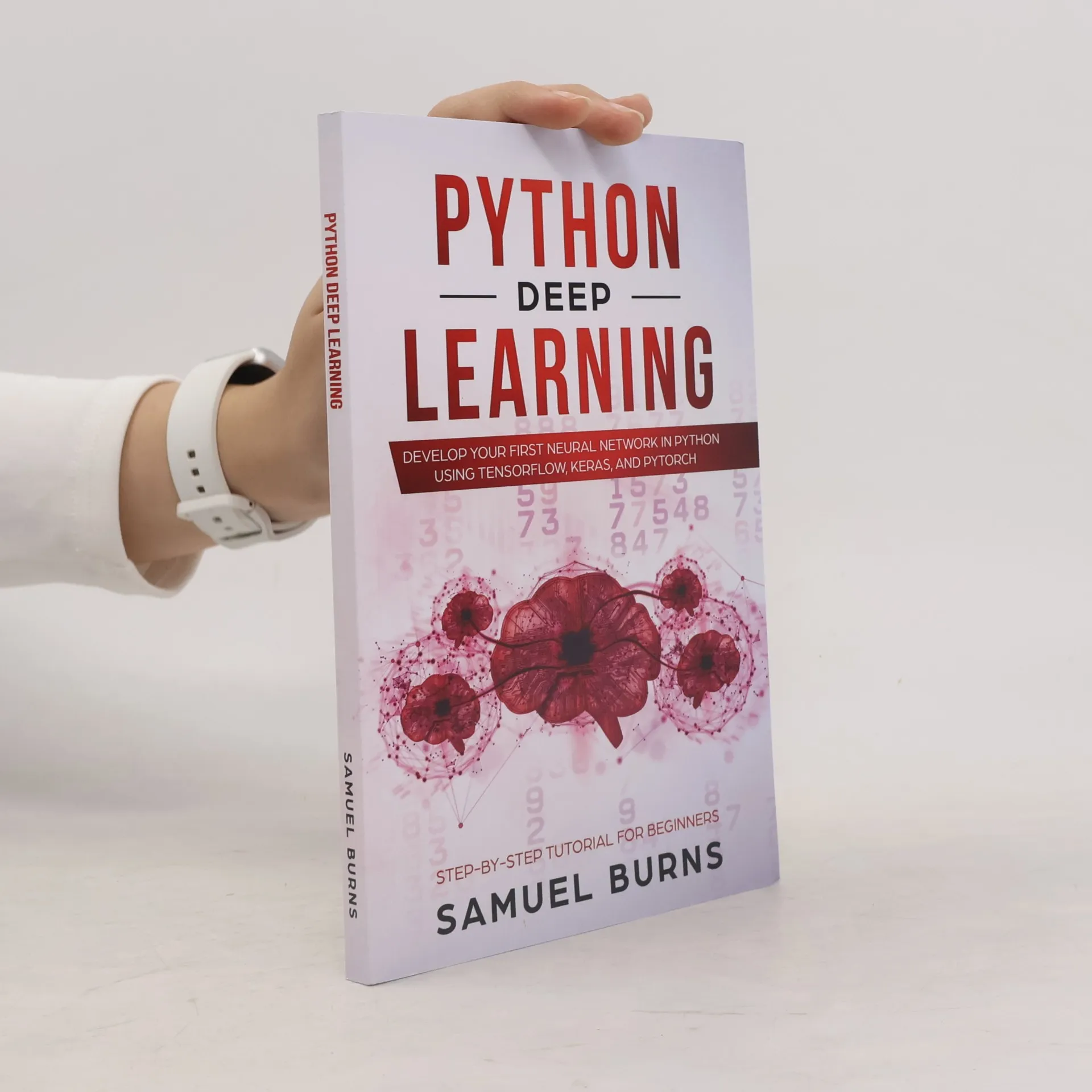
    Python Deep Learning
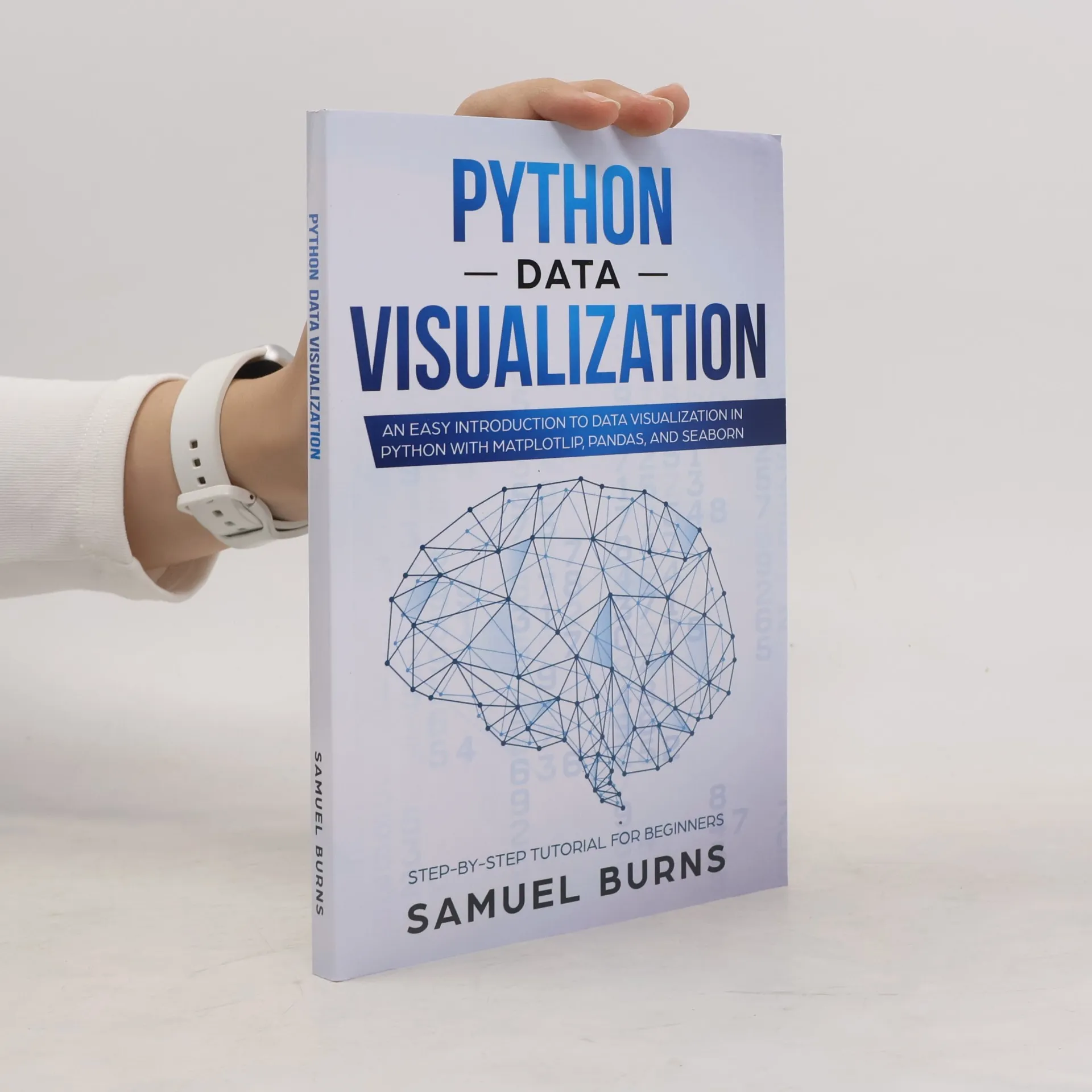
    Python Data Visualization
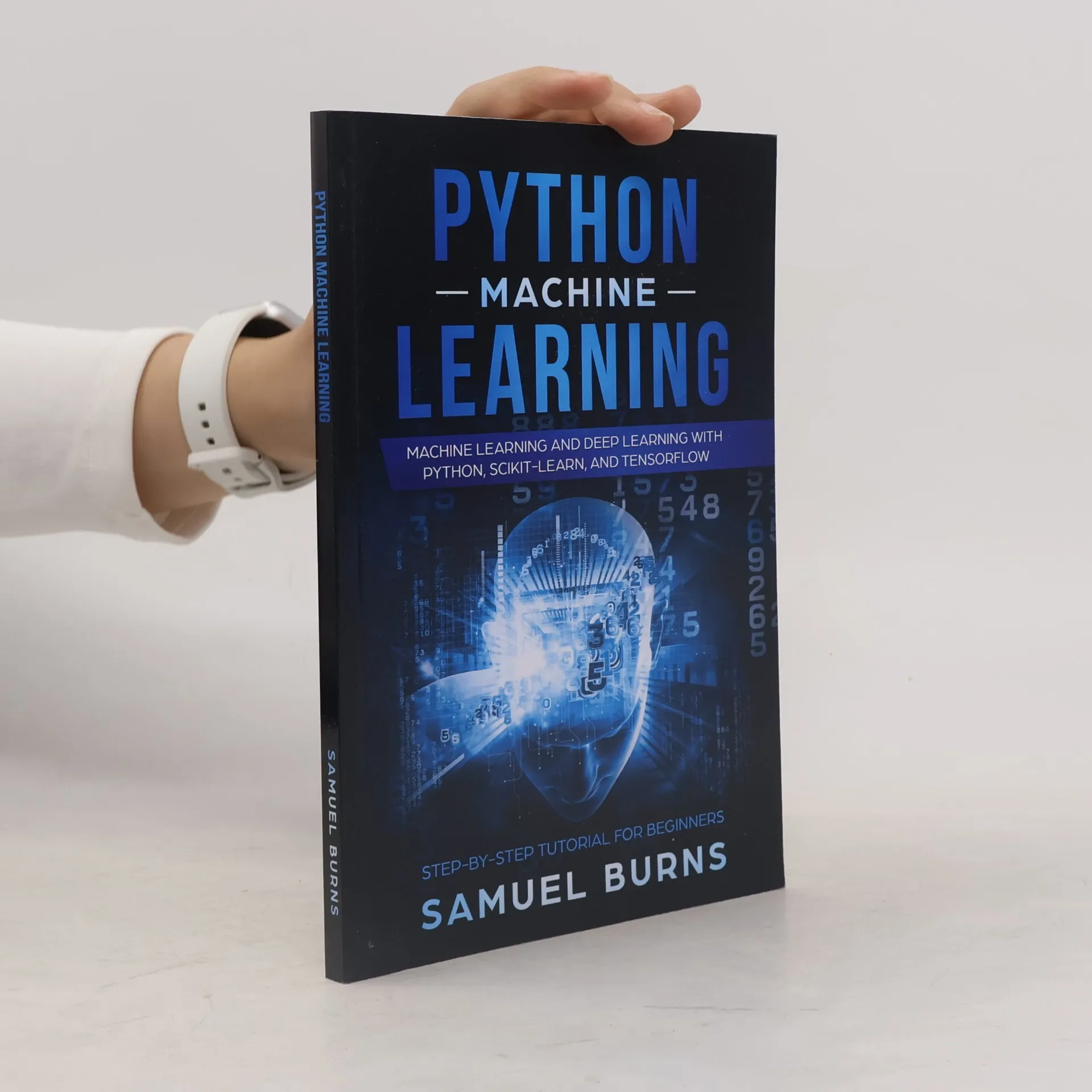
    Python Machine Learning
    • Python Data Visualization

      An Easy Introduction to Data Visualization in Python with Matplotlip, Pandas, and Seaborn

      • 180 Seiten
      • 7 Lesestunden

      Data Visualization is the presentation of data in graphical format.In this tutorial for beginners, you will learn how to present data graphically with Python, Matplotlib, and Seaborn. If you need a short book to master data vizualisation from scratch, this guide is for you. This book is an exploration of data visualization in Python programming language. Here are the objectives of the The author targets the following groups of The author expects you to have a computer installed with an operating system such as Linux, Windows or Mac OS X. The author has discussed everything related to data visualization. You are first familiarized with the fundamentals of data visualization to help you know what it is and why it is of importance to any organization. The author has then discussed the various types of tools that can be used for data visualization. These tools include the basic, specialized and advanced ones. Practically, the author focuses on how to visualize data in the Python programming language. The process of plotting different types of data using different types of plots has been discussed. You will learn how to plot textual, numerical and geospatial data in Python using different libraries such as Pandas, Matplotlib, Seaborn and Folium. Python codes have been provided alongside images of the expected outputs and the corresponding code descriptions.

      Python Data Visualization2019
    • Python Machine Learning

      Machine Learning and Deep Learning with Python, scikit-learn, and TensorFlow - Step-by-Step Tutorial for Beginners

      • 146 Seiten
      • 6 Lesestunden

      Want to learn Machine Learning and Deep Learning with Python, Scikit-Learn, and TensorFlow but don't know where to start? This book is perfect for you—no need for boring, expensive textbooks. The author covers everything from the basics in simple language, providing numerous examples and program outputs through screenshots. The content is organized chronologically and step-by-step. The book aims to help you grasp the fundamentals of machine learning and deep learning, understand various algorithm categories, and implement them programmatically in Python. You'll also learn to use Scikit-Learn and TensorFlow libraries, as well as analyze data to uncover patterns and relationships. Target readers include complete beginners, those looking to enhance their Python programming skills for machine learning, data science professionals, educators seeking effective teaching methods, and students focused on neural networks and deep learning. To get started, you need to have Python 3.X, along with Numpy, Pandas, and Matplotlib installed. The author guides you through installing other necessary libraries. Inside, you'll find topics like environment setup, linear regression, k-nearest neighbors, K-means clustering, support vector machines, neural networks, random forests, and recurrent neural networks. This book provides valuable insights into machine learning classifiers, helping you set up a learning pipeline that processes data and ap

      Python Machine Learning2019
    • Python Deep Learning

      Develop Your First Neural Network In Python Using TensorFlow, Keras, And PyTorch - Step-by-Step Tutorial For Beginners

      • 170 Seiten
      • 6 Lesestunden

      Build your own Neural Network today with easy-to-follow instructions and examples that cover the fundamentals of deep learning. You'll learn to create your own Neural Network in Python using TensorFlow, Keras, PyTorch, and Theano, all for a fraction of the cost of traditional textbooks. The book aims to deepen your understanding of deep learning, guide you in setting up your coding environment, and help you progress from a beginner to a professional. It is designed for complete novices, those looking to enhance their Python skills for deep learning, educators seeking effective teaching methods, and students focused on programming, neural networks, machine learning, and deep learning. To get started, you need Python 3.X, TensorFlow, Keras, and PyTorch installed on your computer. The author provides guidance on installing the necessary Python libraries. Inside, you'll find an overview of deep learning, artificial neural networks, library exploration, installation and setup, and basics of TensorFlow, Keras, and PyTorch. The book includes chapters on creating Convolutional and Recurrent Neural Networks. Written in accessible language, it minimizes complex math to cater to beginners. Each chapter features unique Neural Network architectures, along with Python code snippets and explanations to clarify the code's functionality, supplemented by screenshots of expected outputs. After reading, you'll be equipped to build your own

      Python Deep Learning2019