The collection features a variety of human emotions, blending humor and sadness in its narratives. Berberova's storytelling is highlighted for its grace and subtlety, drawing comparisons to the renowned Chekhov. Each story showcases her literary prowess, offering readers a deep and poignant exploration of the human experience.
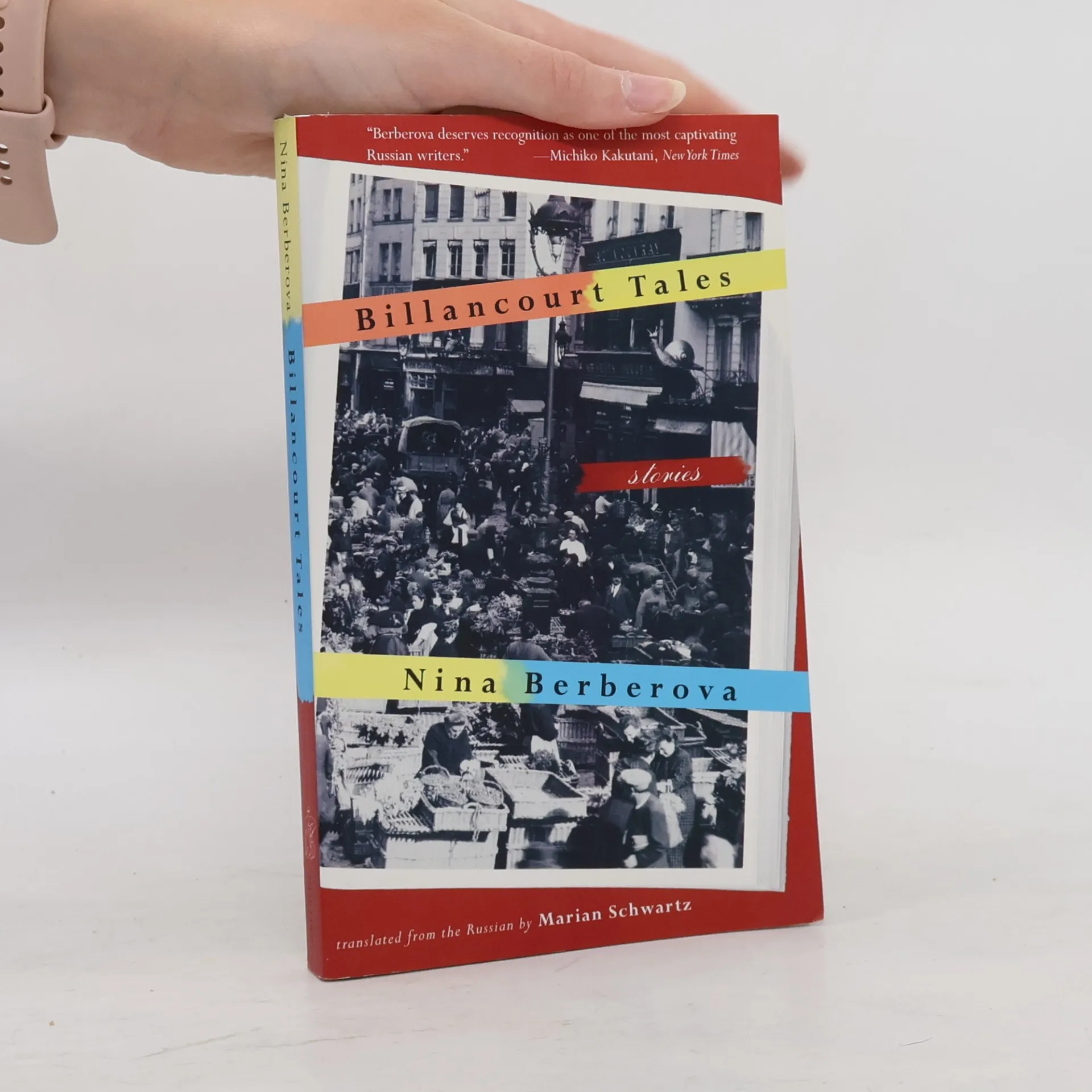
The greatest collection by one of the great Russian writers is now back in print. First published in Europe in the 1930s and '40s, these searing, evocative stories by the late emigre writer Nina Berberova (1901-1993) are portraits of the lives of Russian exiles in Paris on the eve of World War II. The protagonists range from housekeepers and waiters to shabby-genteel aristocrats and intellectualsbut all are united in a haunting displacement from their pasts, and all share a troubling uncertainty about the future.
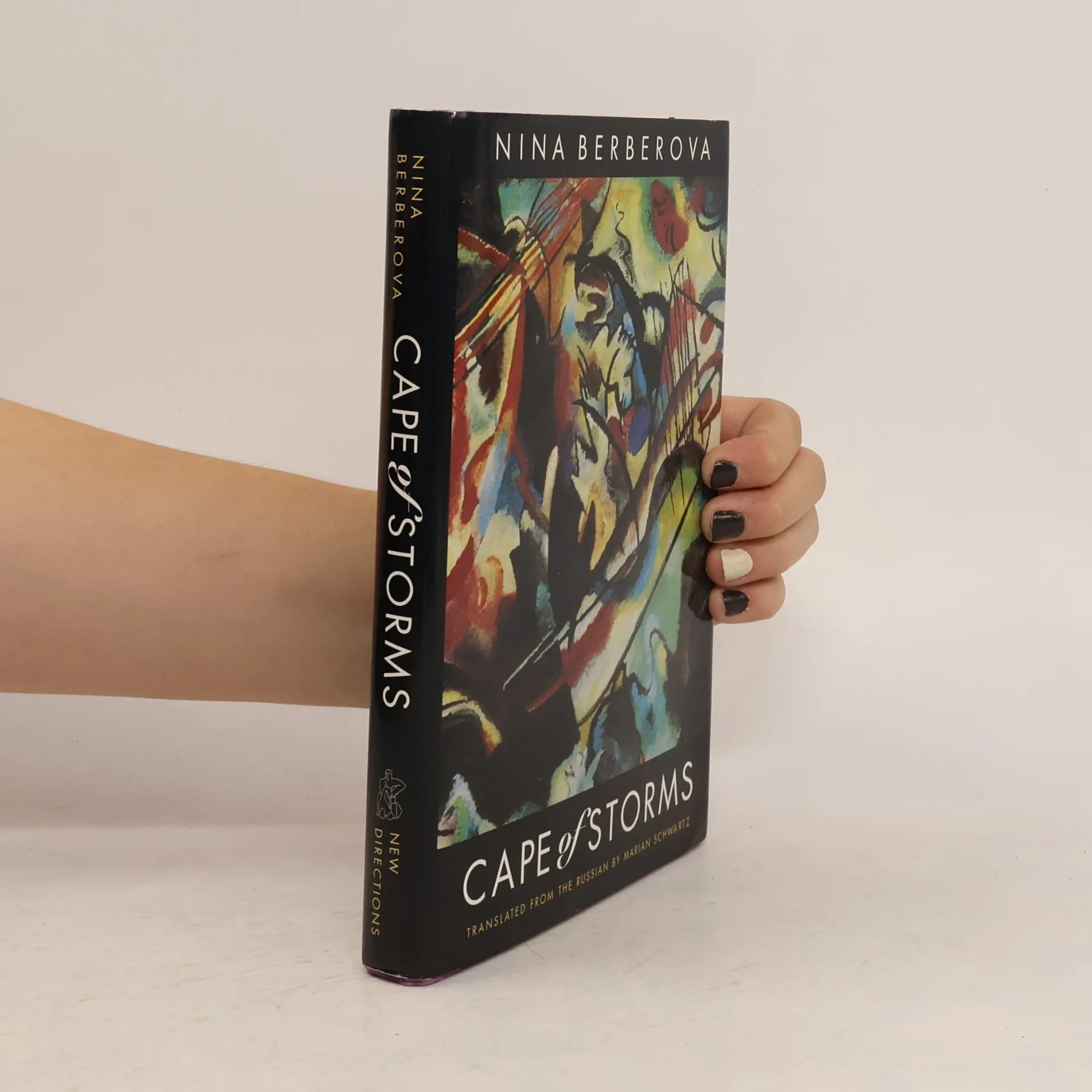
In Cape of Storms , Nina Berberova portrays a very specific generation––one born in Russia, displaced by the Revolution, and trying to adapt to a new home, Paris. Three sisters––Dasha, Sonia, and Zai––share the same father, Tiagen, an attractive, weak-willed, womanizing White Russian, but each thinks differently about her inner world of beliefs and aspirations, and consequently each follows a different path. Dasha marries and leaves for a bourgeois expatriate life in colonial Africa. Zai, the youngest, and an appealing adolescent, flirts with becoming an actress or a poet. Sonia, the middle daughter, completes a university degree but falls victim to a shocking tragedy. Cape of Storms is a shattering book that opens with a hair-raising scene in which Dasha witnesses her mother’s murder at the hands of Bolshevik thugs, and ends with the Blitzkrieg sweeping toward Paris. It is unparalleled in Berberova’s work for its many shifts of mood and viewpoint and secures the author’s place as “Chekhov’s most vital inheritor” ( Boston Review ).
The fourth book by the great Russian writer (author of The Accompanist, The Italics Are Mine) to be translated into English. Three stories which chronologically paint a picture of the dawn of the Russian Revolution, the flight from its turmoil, and the plight of an exile in a new and foreign place -- all of which Berverova knew from personal experience.