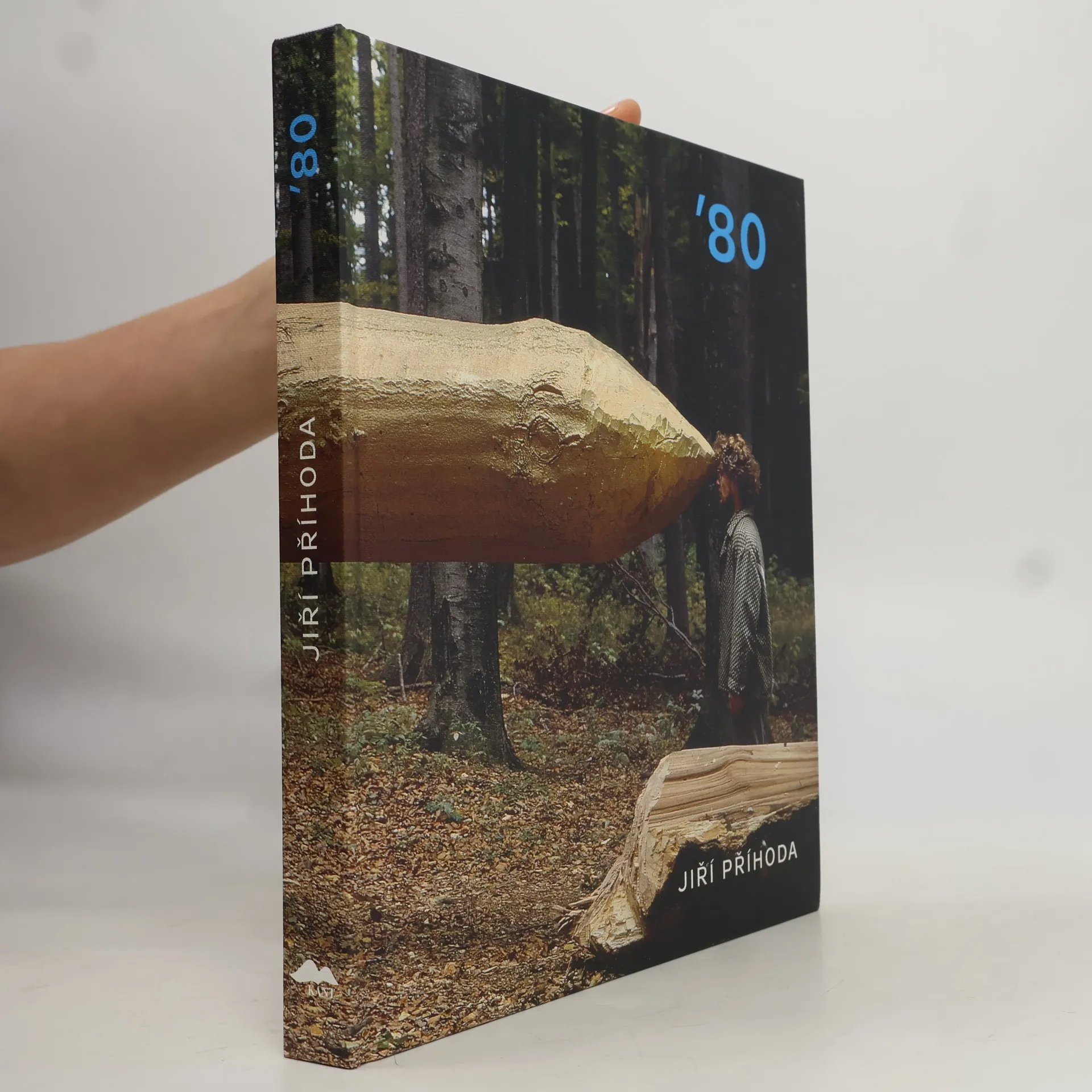
The artistic oeuvre of Jiři Přihoda from the 1980s remains largely unexplored, despite this being the period when he articulated key artistic positions that he later expanded in his internationally recognized work. His time in the Vysočina region was pivotal, as he spent much of his free time in the countryside with his grandparents until the end of the 1980s. During this time, he created a body of work that merged his classical drawing skills, developed at the Václav Hollar Secondary Professional School of Art in Prague, with an intuitive exploration of form and expression. The landscapes surrounding Lovetin, Roštejn, and Růžená became his experimental playground. Initially, he expressed himself through drawing and printmaking, later evolving to conceptually driven interventions in the terrain. These interventions are now seen as a significant contribution to the Czech version of land art, highlighting the importance of this formative period in his artistic journey.
Dan Novák Bücher