Die Psychologie des Zusammenseins
- 444 Seiten
- 16 Lesestunden


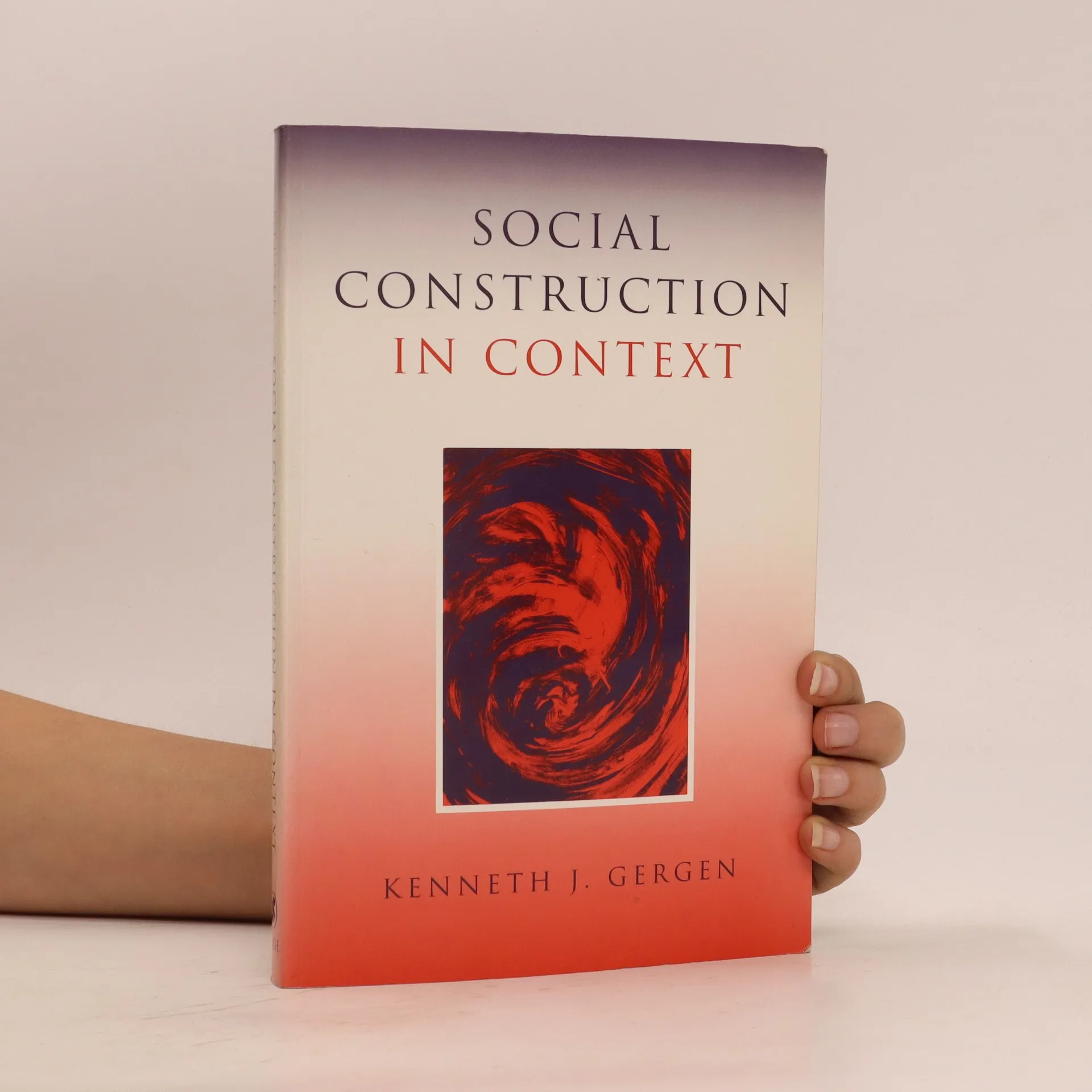



Der soziale Konstruktionismus ist eine Ausrichtung der Sozialpsychologie, die untersucht, wie gesellschaftliche Wirklichkeit über sprachliche Mittel hergestellt wird. Alles scheinbar Reale ist durch Beziehungen aufgebaute Konstruktion. Die Wurzeln dieses Ansatzes liegen in den USA. Seit einigen Jahren wird er jedoch auch in Europa als viel versprechend, innovativ und zukunftsträchtig wahrgenommen. Kenneth J. Gergen gilt als führender Vertreter dieser Erkenntnisweise. In der vorliegenden Einführung will er zusammen mit seiner Frau, Mary Gergen, ein Grundverständnis für die kraftvollen Ideen des Sozialen Konstruktionismus vermitteln. In fünf Kapiteln führen die Autoren durch die wichtigsten theoretischen Entwicklungen und die praktischen Auswirkungen konstruktionistischer Szenarien in Organisationen, Psychotherapie, Erziehung, Konfliktlösung, Sozialforschung und im Alltag. Das abschließende Kapitel setzt sich mit den Kritikern des Ansatzes auseinander.
Das Buch lädt ein zu einer intensiven Auseinandersetzung mit postmodernen, konstruktivistischen Positionen, die in den Geistes- und Sozialwissenschaften bereits fest verankert sind und in zunehmendem Maße auch in den Naturwissenschaften diskutiert werden. In seinem sehr anschaulich und persönlich geschriebenen Buch entwickelt der Autor eine eigene Perspektive und hält ein leidenschaftliches Plädoyer für die Berücksichtigung der Vielstimmigkeit der Welt, die die Grundlage für die Vielfalt menschlicher Konstruktionen in Wissenschaft und Alltag bildet. Gerade im interkulturellen Vergleich wird besonders deutlich, dass Menschen sich und ihre Welt sehr unterschiedlich konstruieren und dass deshalb die Annahme einer einheitlichen Welt für alle nicht weiterführt. Die in dem Buch behandelten Fragen sind von ebenso grundlegender Bedeutung für die Psychologie und ihre Anwendungsgebiete wie für benachbarte Geistes- und Sozialwissenschaften (u. a. Philosophie, Pädagogik, Ethnologie).
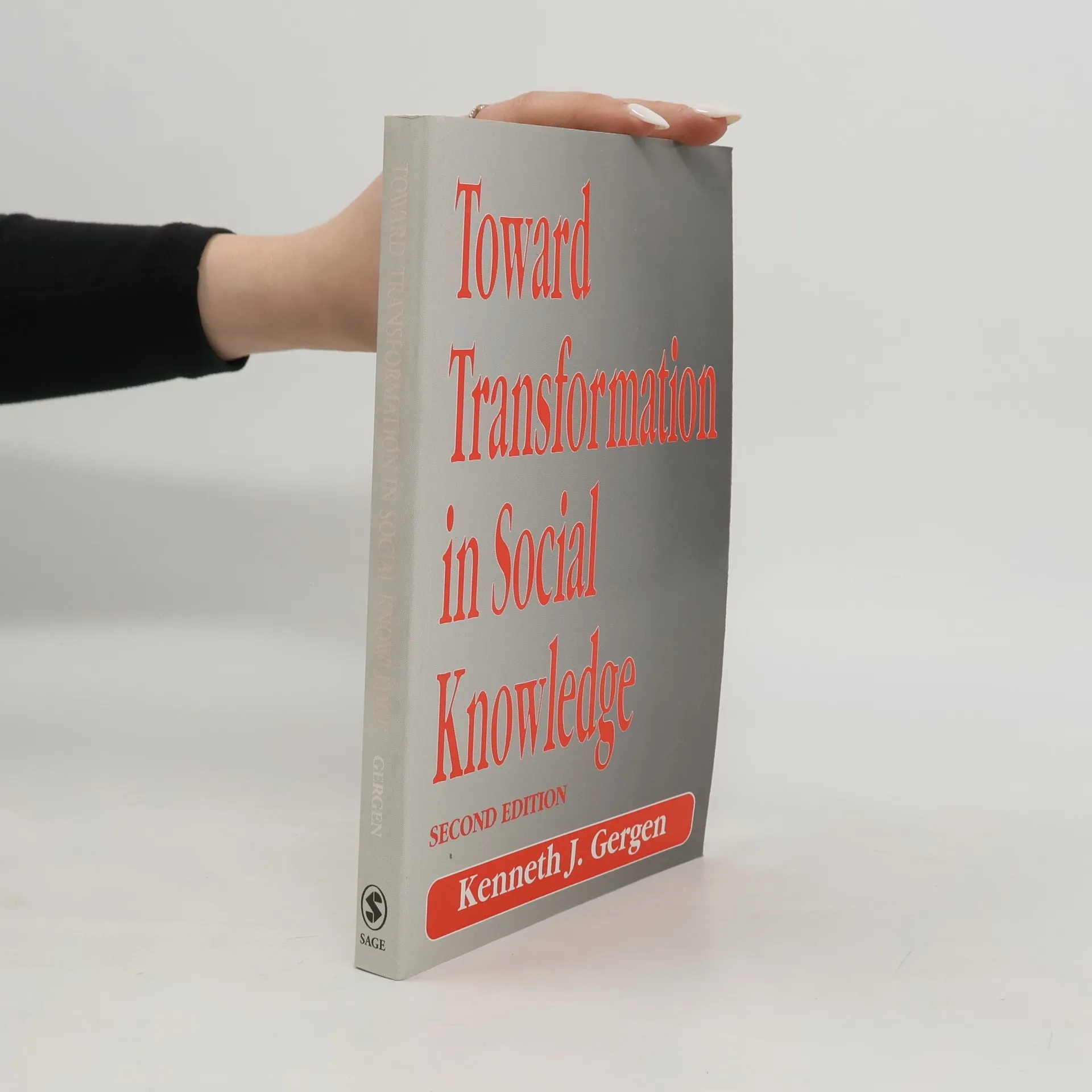
Critical resistance to traditional empirical methods and the quest for foundational knowledge of human action is widespread. Recognition of theoretical and methodological inadequacies has sparked a search for a more robust conception of human science. This fascinating and carefully reasoned book develops the argument for human science as social construction. Demonstrating that descriptions of human action can neither be derived from nor corrected by scientific observation, Gergen provides a bold interdisciplinary challenge to traditional views, thus clearing the way for significant alterations in scientific practice. In the preface to the Second Edition, Gergen describes the major movements taking place since the First Edit
SHOTTER, J. / K. J. GERGEN, TEXTS OF IDENTITY. , 1992, 244 p. Encuadernacion original. Nuevo.
This latest book by one the world's leading protagonists in the field will be welcomed not just by psychologists but by students, academics and professionals interested in social constructionism across a wide range of subjects. Social Construction in Context explores the potentials of social constructionist theory when placed in diverse intellectual and practical contexts. It demonstrates the achievements of social constructionism, and what it can now offer various fields of inquiry, both academic, professional and applied, given the proliferation of the theory across the social sciences and humanities.
De-confusing and Re-constructing the Postmodern World
Includes essays and excerpts from the works of prominent modern thinkers such as Umberto Eco, Jacques Derrida, and Isaiah Berlin among others.
are far from genetically ? xing what behavioral preferences they may possess. Instead, learning mechanisms offer a ? exible way of attaining locally important cultural knowledge within temporal windows of opportunity as has been convi- ingly shown by research in language and culture attainment. Similar mechanisms are likely to exist for other social capacities, such as mate preferences, for example. It is this role of our biological inheritance that social science must appreciate in order to furnish a more complete understanding of human behavior. Within the natural range of variation of capacities and armed with biologically conditioned learning mechanisms we live out lives of meaning – in which we hold some things to be real, rational, valuable or morally right, and others not. It is this world of meaning in which we ? nd love and hate, struggles for justice, power, and money, and the dramas that lend to life both its depth and passion.