

Gratis Versand in ganz Österreich
Bookbot

Anna Reid

    1. Jänner 1965

    Anna schreibt Bücher, die das Herz auf die beste (und manchmal auch schlechteste) Weise schmerzen lassen, Leser dazu bringen, über den Tellerrand hinauszuschauen und alles zu hinterfragen, was sie zu wissen glaubten. Ihre Werke sind voller verdrehter, qualvoller und schwärmerischer Romantik, die zum Nachdenken anregt. Wenn sie nicht gerade schreibt, liest sie gerne, schaut eine dramatische Fernsehserie oder plant ihr nächstes Buch.

    Anna Reid
    The Worth of Water
    The Shaman's Coat: A Native History of Siberia
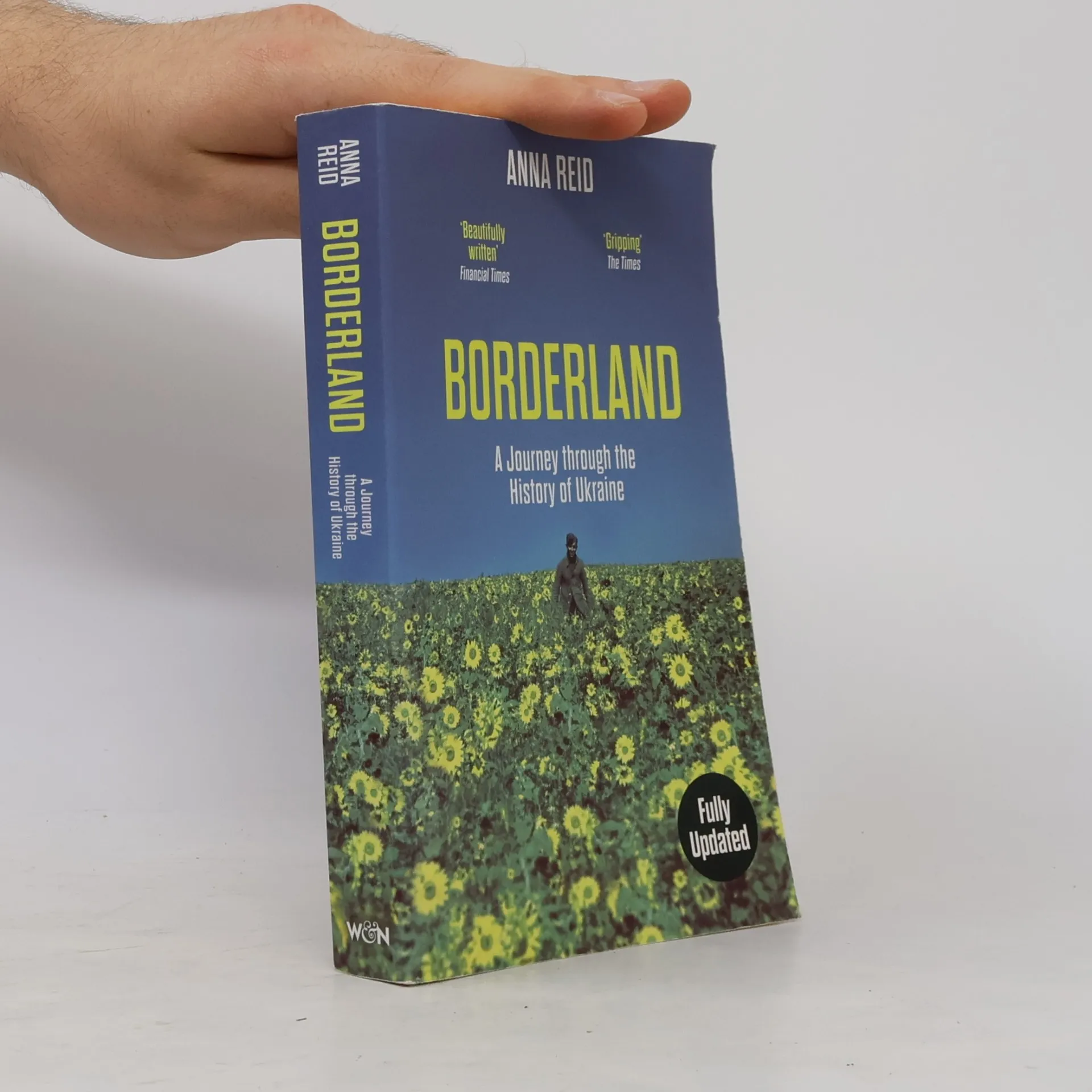
    Borderland
    Borderland
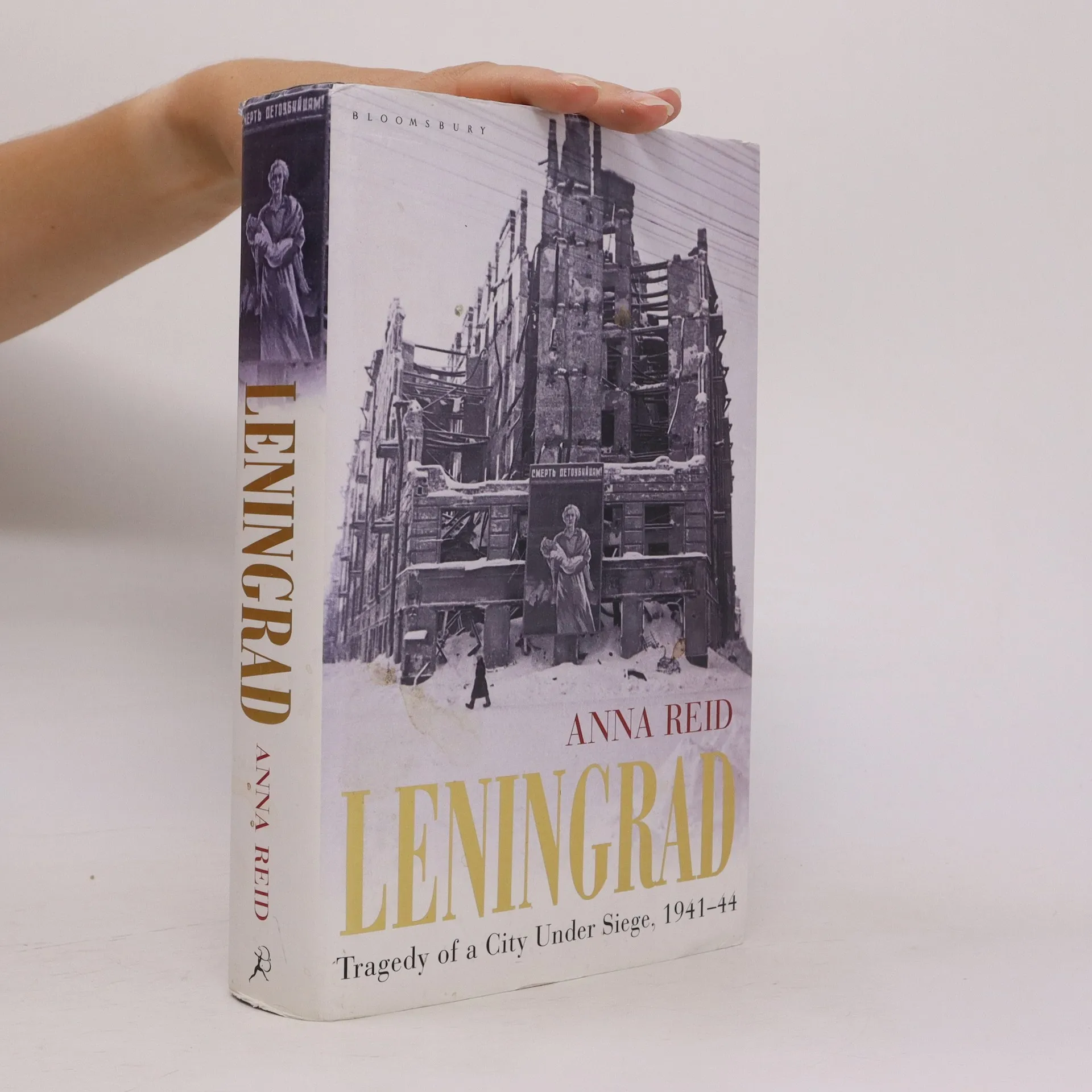
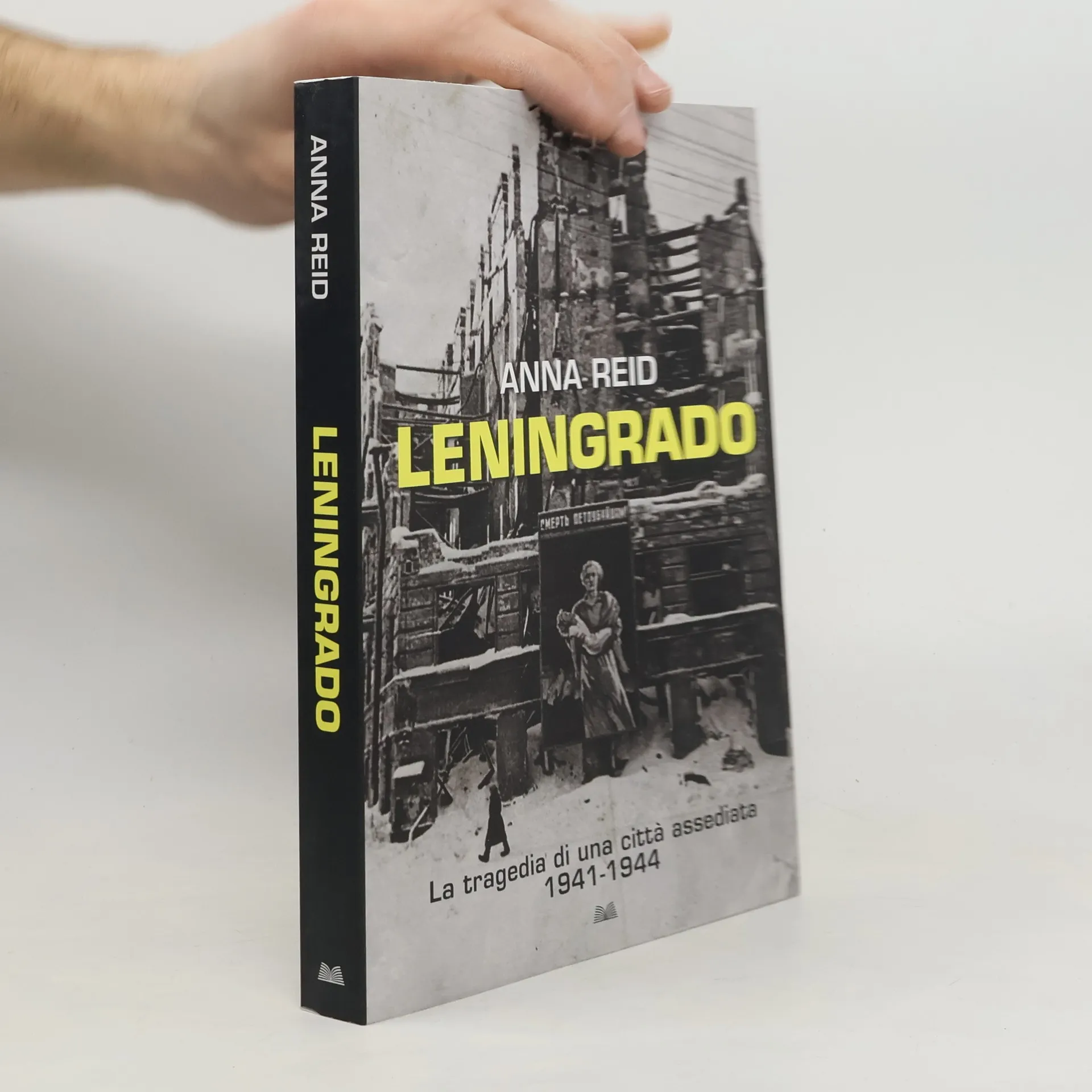
    Leningrad : tragedy of a city under siege, 1941-44
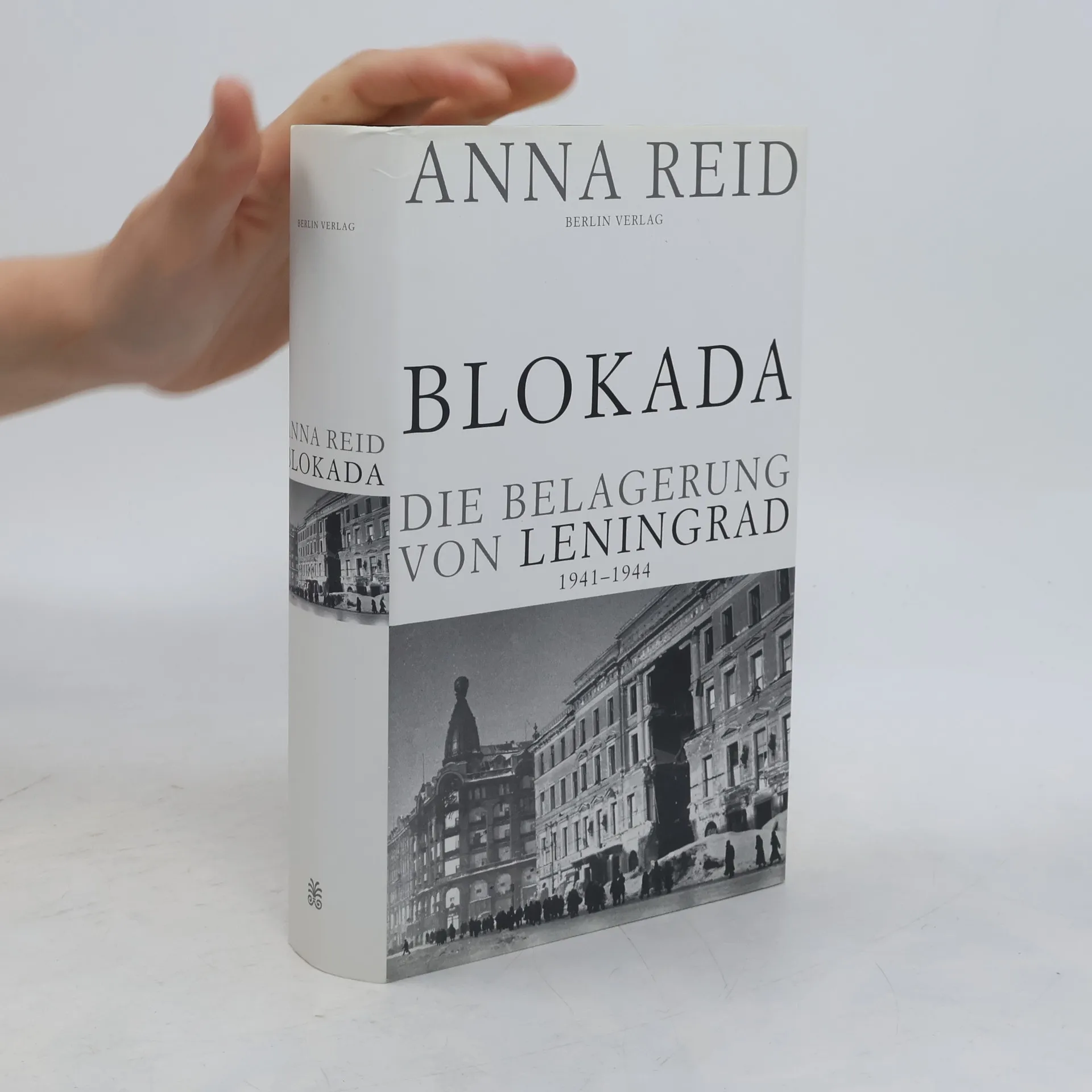
    Blokada
    • 872 Tage - von September 1941 bis Januar 1944 - kämpfte die Leningrader Bevölkerung gegen die deutsche Wehrmacht, die die Stadt eingeschlossen hatte. Weit über eine Million Menschen kamen in dieser Zeit ums Leben. Nach russischer Lesart steht die Geschichte der Belagerung Leningrads bis heute beispielhaft für den unbeugsamen Willen und die heroische Leidensfähigkeit der russischen Bevölkerung. Sie ist ein Mythos geworden. Anna Reid liefert mit ihrem Buch eine differenziertere Sicht der Ereignisse. Vor allem lässt sie die Betroffenen selbst zu Wort kommen und zeichnet so ein neues, vielschichtigeres Bild, häufig auf der Basis bislang unbekannter Quellen, offizieller Dokumente ebenso wie Tagebücher, Erinnerungen oder Gespräche mit Überlebenden. Reid erzählt von der erschütternden Inkompetenz, mit der die politisch-militärische Führung in Moskau und Leningrad auf den deutschen Vormarsch reagiert. Von dem jungen Mädchen, das in seinem Tagebuch festhält, wie ein Mitglied der Familie nach dem anderen verhungert. Oder von den Musikern des städtischen Orchesters, die, selbst dem Hungertod nahe, weiterspielen, um die Moral der Menschen zu stärken. Anna Reid rückt den Mythos in ein neues, realistischeres Licht. Wie Orlando Figes' Die Flüsterer ist Blokada ein Meisterwerk der modernen Geschichtsschreibung, ein Buch von großer Souveränität, erzählerischer Brillanz und tiefer Menschlichkeit.
      Blokada
    • On 8 September 1941, 11 weeks after Hitler launched Operation Barbarossa, Leningrad was surrounded. The siege would not end for 2 and a half years and as many as 2 million Soviet lives would be lost. This narrative history is interwoven with personal stories of daily siege life drawn from diarists and memoirists on both sides

      Leningrad : tragedy of a city under siege, 1941-44
    • Borderland

      A Journey Through the History of Ukraine

      • 258 Seiten
      • 10 Lesestunden
      4,0(129)Abgeben

      The Ukraine is one of the most neglected countries in the world. It has a population of 52 million - larger than Britain's - and a land mass the size of France; it also has Chernobyl, and after Russia is the largest nuclear power. The word 'Ukraine' means 'borderland' and for most of its history the lands that make up present-day Ukraine have been a collection of other countries' border regions. Prior to Stalinism and Nazism, Ukraine was ethnically extremely diverse, including Russians, Poles, Jews, Greeks and Armenians. Their ghosts linger in language, literature, and architecture, quite distinct from Russia's.

      Borderland
    • A classic and vivid history of Ukraine 'Gripping history' The Times'Beautifully written and lovingly researched' Daily Telegraph

      Borderland
    • The fascinating history of an unknown people A vivid mixture of history and reporting, The Shaman's Coat tells the story of some of the world's least-known peoples-the indigenous tribes of Siberia. Russia's equivalent to the Native Americans or Australian Aborigines, they divide into two dozen different and ancient nationalities-among them Buryat, Tuvans, Sakha, and Chukchi. Though they number more than one million and have begun to demand land rights and political autonomy since the fall of communism, most Westerners are not even aware that they exist. Journalist and historian Anna Reid traveled the length and breadth of Siberia-one-twelfth of the world's land surface, larger than the United States and Western Europe combined-to tell the story of its people. Drawing on sources ranging from folktales to KGB reports, and on interviews with shamans and Buddhist monks, reindeer herders and whale hunters, camp survivors and Party apparatchiks, The Shaman's Coat travels through four hundred years of history, from the Cossacks' campaigns against the last of the Tatar khans to native rights activists against oil development. The result is a moving group portrait of extraordinary and threatened peoples, and a unique and intrepid travel chronicle.

      The Shaman's Coat: A Native History of Siberia
    • The Worth of Water

      Designing Climate Resilient Rainwater Harvesting Systems

      • 232 Seiten
      • 9 Lesestunden

      There is no more fundamental substance to life on earth than water. Three quarter of the Earth's surface is covered by either saltwater or freshwater, yet millions face a daily struggle to access enough water for survival. The effects of ongoing climate change have expanded the water crisis to areas previously considered water secure. This book addresses the role rainwater harvesting (rwh) can play in developing a resilient water infrastructure that will prove adaptive to climate change. The book features three sections.The first section presents the concepts underpinning a new approach to water infrastructure. The term "the worth of water" was developed to reflect the importance of the social life of water. This encompasses all human relationships with water including the social, cultural, hydrological, political, economic, technical and spiritual. A technology portfolio showcasing the worth of water from the Qanats of the ancient world to the modern Rain Cities is presented. Other concepts discussed include the circular economy of water and the concept of multiple waters for multiple users of multiple qualities. Water and its properties are a function of its peculiar molecular structure and this is illustrated in the book. Rainwater harvesting is considered by the authors as containing an inherent treatment train which functions as a complex water treatment system providing physical, chemical and biological removal mechanisms. Part two presents a new design methodology together with design templates and worked examples for the hydraulic and economic analysis of rwh systems. A state-of-the-art literature review of the potential health implications of utilizing rwh is also presented. The final section of the book discusses how rwh can play a vital role in contributing to achieving the Sustainable Development Goals and to living within the Planetary Boundaries. Inhaltsverzeichnis Chapter1: The circular economy of water (CEW).- Chapter2: Water treatment: pollution removal mechanisms in the rainwater harvesting process.- Chapter3: Supply & demand: multiple waters for multiple purposes and multiple uses.- Chapter4: The components of a rainwater harvesting system: modular, standardised, plug and play.- Chapter5: Climate resilient RWH: a technological portfolio.- Chapter6: Rainwater harvesting design.- Chapter7: The economics of rainwater harvesting.- Chapter8: Rainwater harvesting and the sustainable development goals (SDG's).

      The Worth of Water
    • Educating Musicians for Sustainability explores the intersections of sustainability and music, investigating how sustainability affects the development and professional preparation of musicians while asking the question, 'What does sustainability have to do with music?'

      Educating Musicians for Sustainability
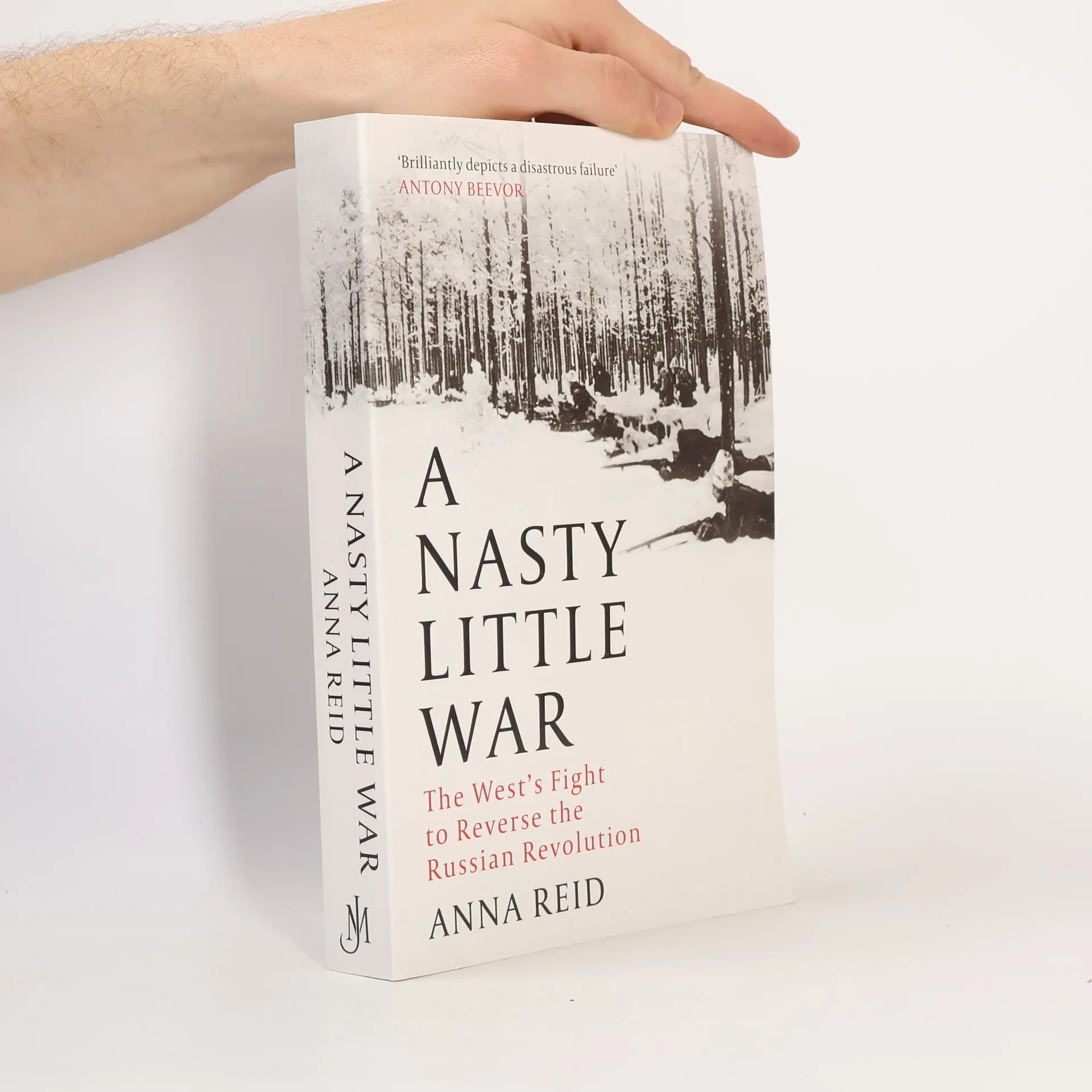
    • The extraordinary story of how the West tried to reverse the Russian Revolution.

      A Nasty Little War
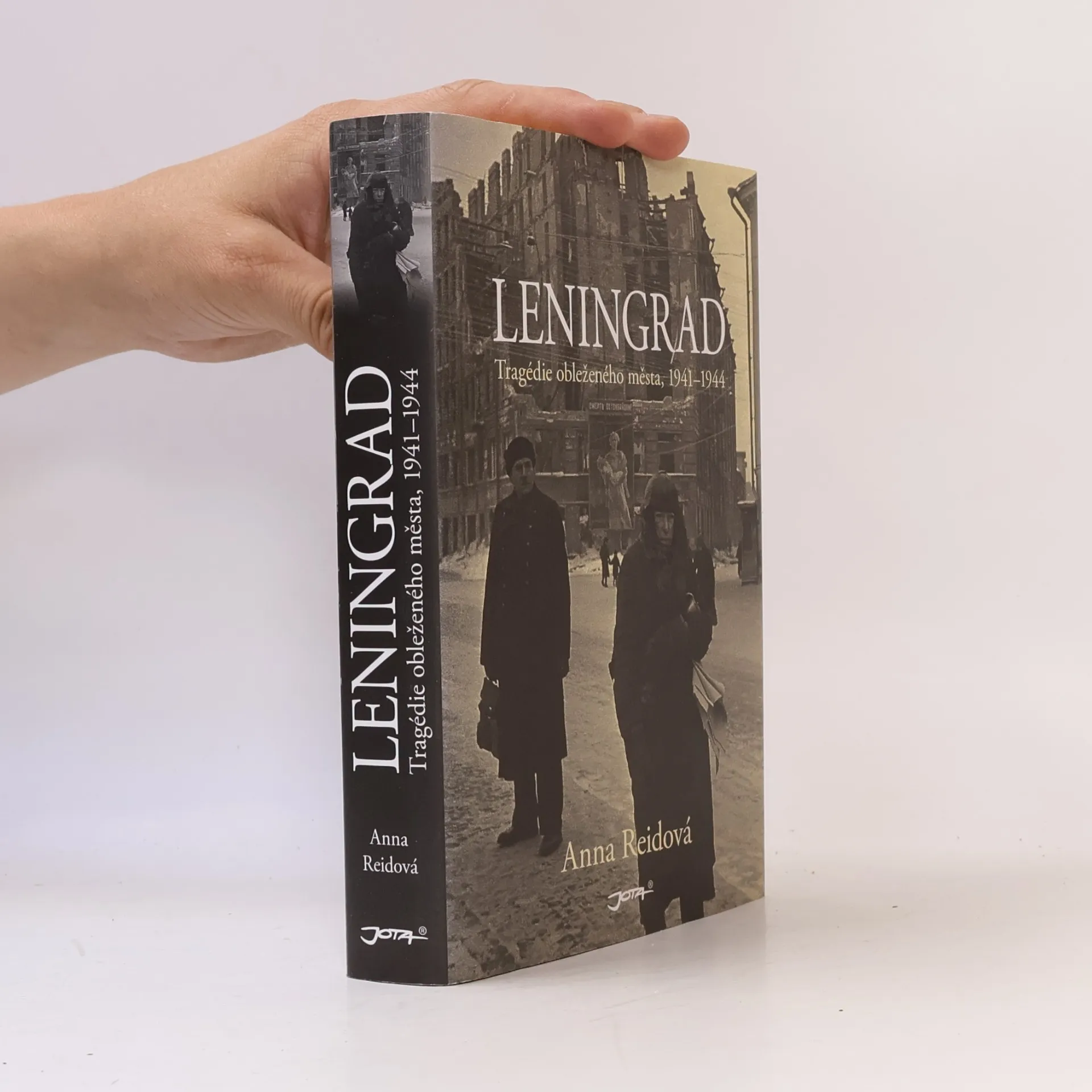
    • Osmého září 1941, krátce po zahájení operace Barbarossa, byl Leningrad obklíčen. Obležení trvalo dva a půl roku, během kterého zahynuly dva miliony lidí. Autorka v knize podrobně popisuje blokádu a její příčiny, přičemž čerpá z rozhovorů s pamětníky, deníkových zápisků účastníků bojů a oficiálních dokumentů. Nově otevřené sovětské archivy jí umožňují odhalit realitu města, kterou dlouho zakrývala propaganda. Obyvatelé, kteří zažívali neuvěřitelné útrapy, se museli pohybovat po zamrzlých ulicích a schodech a čelili extrémním podmínkám. Základními potřebami byly sáňky, kamínka a lampy. V obleženém městě docházelo k rabování, vraždám a kanibalismu, ale také k neobyčejné statečnosti a sebeobětování. Autorka se zabývá otázkami týkajícími se vedení města, jeho krutosti a nekompetentnosti, blízkosti pádu do německých rukou, role Stalina a Moskvy a důvodů, proč město nikdy nebylo dobyto. Zkoumá, co rozhodovalo o přežití a jak lidé dokázali čelit nesmírným útrapám.

      Leningrad : tragédie obleženého města, 1941-1944
    • Krajina na okraji

      • 344 Seiten
      • 13 Lesestunden
      4,5(10)Abgeben

      O rovinatú, úrodnú a pre útočníkov osudovo lákavú Ukrajinu po stáročia bojovali silnejší susedia. Hoci jej moderné národné hnutie sa datuje od začiatku 19. storočia, skutočnú nezávislosť získala až v roku 1991, keď sa rozpadol Sovietsky zväz.Kniha britskej historičky rozpráva príbeh Ukrajiny od úplného začiatku. Pred tisíc rokmi bola centrom prvej veľkej slovanskej civilizácie, Kyjivskej Rusi. V roku 1240 sem z východu vtrhli Mongoli a nasledujúcich sedem storočí bola Ukrajina rozdelená medzi bojujúcich susedov: Litovcov, Poliakov, Rusov, Rakúšanov a Tatárov. Znovu a znovu sa pohraničie menilo na bojisko: počas kozáckych povstaní v 17. storočí, vojen Ruska so Švédskom v 18. storočí, občianskej vojny v rokoch 1918 až 1920 a počas nacistickej okupácie, ako aj v nasledujúcom storočí, keď sa opäť ku slovu a vymysleným nárokom prihlásilo Rusko.Ukrajina je väčšia ako Francúzsko, počtom obyvateľov sa takmer vyrovná Veľkej Británii a má potenciál stať sa jedným z najmocnejších štátov v Európe. V tejto precízne napísanej a prenikavej knihe Anna Reidová kombinuje výskum a vlastné skúsenosti, aby zmapovala tragickú minulosť Ukrajiny. Od poľských kostolov vo Ľvive až po uhoľné bane v rusky hovoriacom Donbase, od haličského štetlu po tatárske chatrče na Kryme, kniha skúma boj Ukrajiny o vybudovanie vlastnej národnej identity, identity, ktorá sa vyrovnáva s krvavou minulosťou a zahŕňa všetky národy v jej hraniciach.

      Krajina na okraji