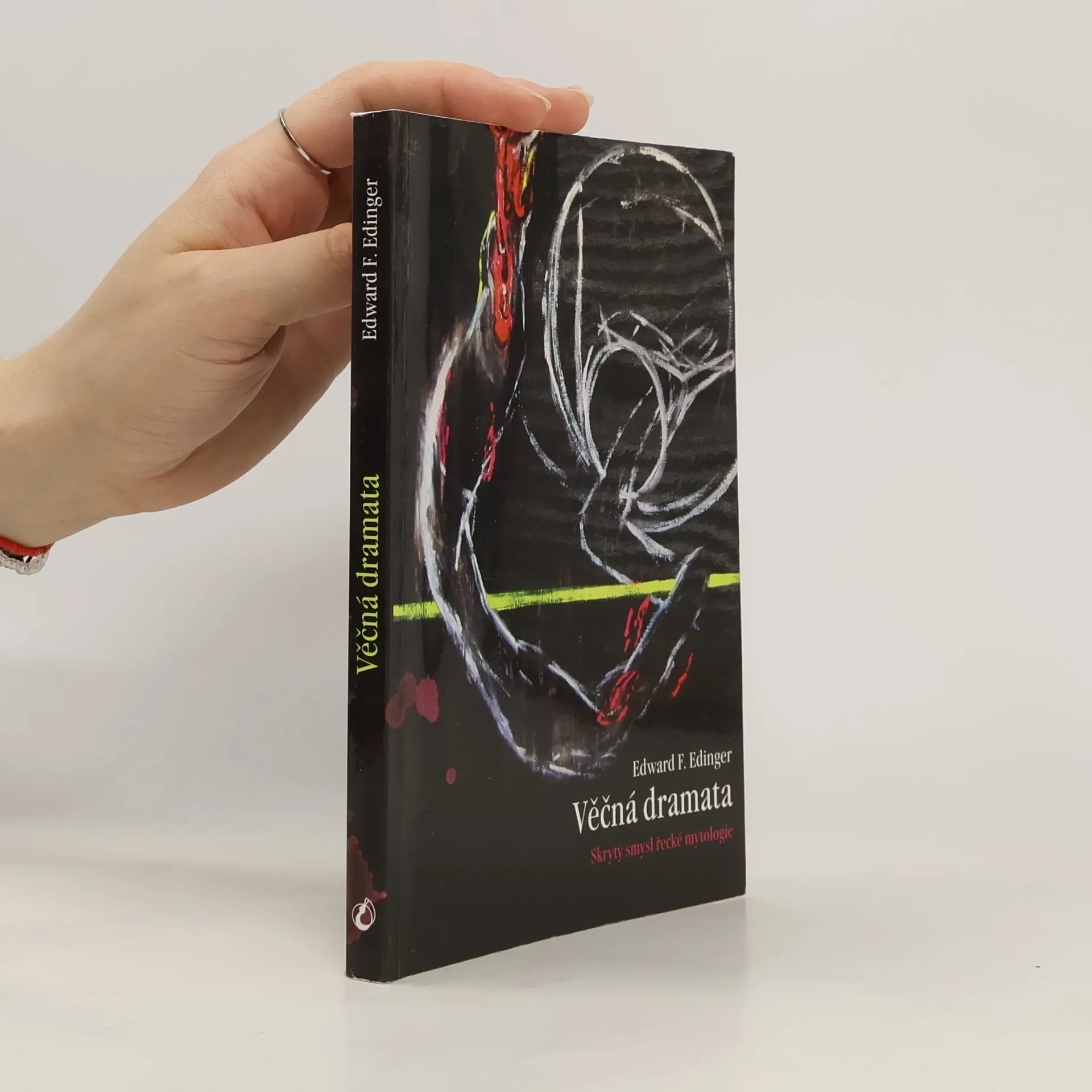
Významný americký psycholog hledá odpověď na otázku zda má řecká mytologie co říci současnému člověku. Vychází přitom z předpokladu, že každá mytologie je sebevyjádřením hlubinných úrovní lidské duše. V mýtech se setkáváme se specifickými formami a obrazy, jejichž prostřednictvím můžeme pochopit skutečnosti tvořící základ všech psychických zkušeností moderního člověka. Mýty nejsou podle Edingera pouhými vyprávěními o událostech, jež se odehrály v dávné minulosti; jsou to věčná dramata, která se stále, znovu a znovu, prolínají našimi životy i vším, co kolem sebe vidíme.
Edward F. Edinger Reihenfolge der Bücher (Chronologisch)
13. Dezember 1922 – 17. Juli 1998
Dieser Autor beschäftigt sich mit den tiefgreifenden Aspekten der menschlichen Psyche und den symbolischen Bedeutungen, die unsere Erfahrungen prägen. Seine Arbeit erforscht archetypische Muster und das kollektive Unbewusste und bietet Einblicke in universelle menschliche Motivationen. Durch seine analytische Praxis konzentriert er sich auf den Prozess der Individuation und die Suche nach Ganzheit. Sein Ansatz wurzelt in einem tiefen Verständnis psychologischer Prozesse und ihrer Erscheinungsformen im menschlichen Leben.



The Sacred Psyche
- 160 Seiten
- 6 Lesestunden
The Biblical Psalms are the great treasury of Judeo-Christian spirituality. Yahweh dwells within them. Psychologically, this means that the living presence of the Self animates the Psalms, which therefore have the power to constellate the archetype of the God-image in those individuals who are receptive to their influence. Even many self-professed irreligious people have been astonished to discover that certain Psalms were the only texts that spoke to their condition during a period of grave psychic upheaval. Today, traditional Judeo-Christianity is at a crucial turning point. But the poetry of the Psalms still rewards the effort to understand and relate their message to individual, contemporary, psychological experience. Originally a lecture series, The Sacred Psyche resonates with Dr. Edinger's heartfelt, deeply honest responses to these powerful texts.
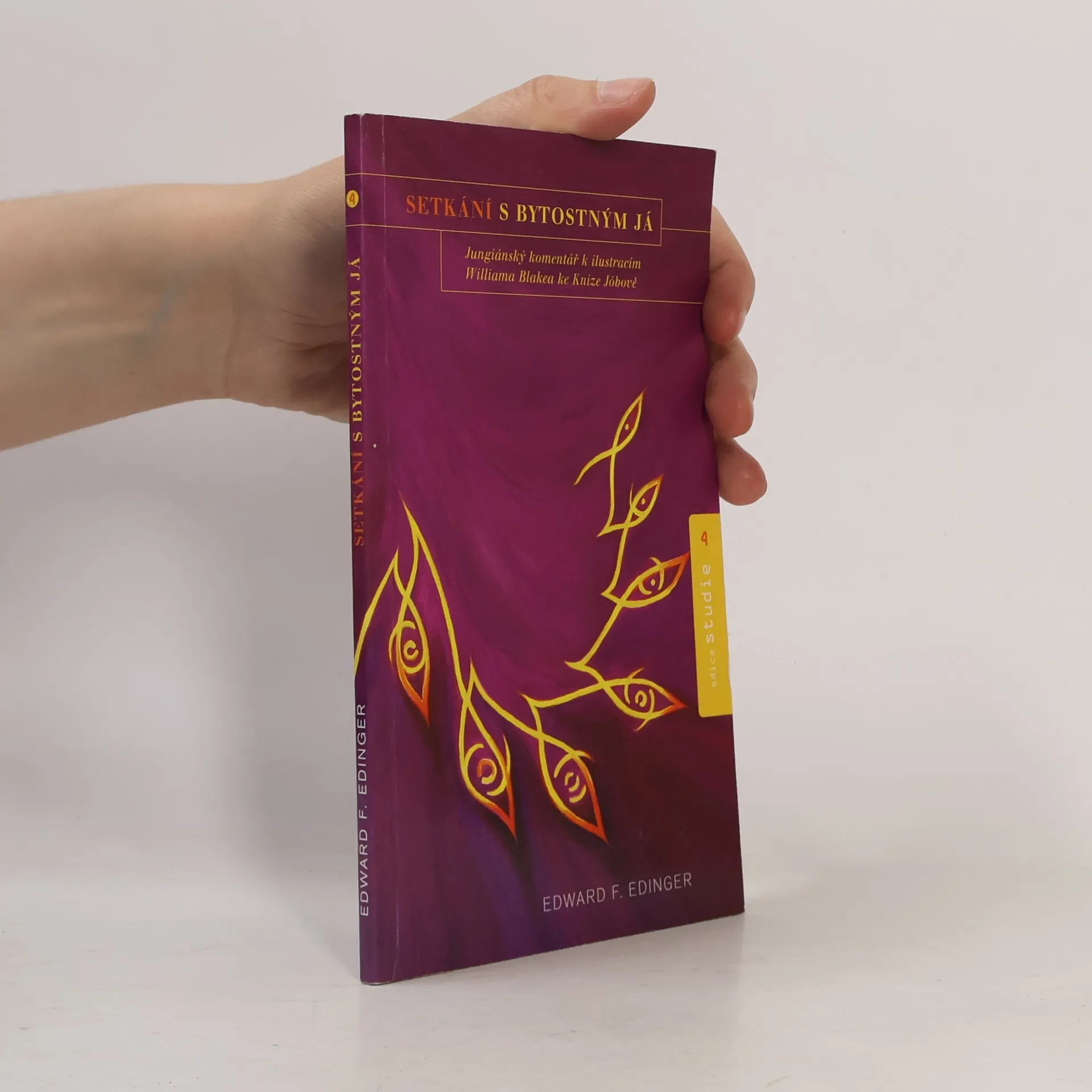
Podtitul: Jungiánský komentář k ilustracím Williama Blakea ke Knize Jóbově Edward F. Edinger (1918 – 1988) byl známým interpretem a glosátorem Jungova díla, znalcem světové literatury a autorem řady knih s hlubinně-psychologickou tematikou.Edingerovo „Setkání s bytostným Já“ je psychologickým komentářem obrazového cyklu Williama Blakea, známého jako „Ilustrace ke Knize Jóbově“. Edinger interpretuje Blakeovo dílo jako grafické vyjádření procesu sebeuvědomění Boha, respektive procesu proměny starozákonního žárlivého a panovačného Jahva v milujícího Boha Nového zákona – tedy procesu individuace západního lidstva. Při svém výkladu vychází Edinger zejména z Jungova díla „Odpověď na Jóba“ (Výbor z díla C. G. Junga, sv. IV, Obraz člověka a obraz Boha).
From Isaiah to Malachi, this text is a psychological commentary on Old Testament prophecies, the details of which can be perceived as a dialogue between the Self and the developing ego. This discussion is a continuation of Dr Edinger's detailed exegesis begun in The Bible and the Psyche.
The New God-Image
A Study of Jung's Key Letters Concerning the Evolution of the Western God-Image
- 228 Seiten
- 8 Lesestunden
C. G. Jung explores the evolution of the God-image in Western culture, emphasizing its transformation through the lens of depth psychology. In the last decade of his life, he penned insightful letters that articulate the emerging new God-image, reflecting his deep engagement with cultural and psychological developments. These writings offer a profound perspective on the interplay between spirituality and psychological insight, highlighting Jung's belief in the significance of these changes for contemporary understanding of the divine.
The New God Image
A Study of Jung's Key Letters Concerning the Evolution of the Western God-Image
- 228 Seiten
- 8 Lesestunden
C. G. Jung explores the evolution of the God-image in Western culture, emphasizing its transformation through depth psychology. In the last decade of his life, he penned insightful letters that reflect on this emerging concept, highlighting the interplay between psychology and spirituality. His reflections offer a profound understanding of how contemporary insights are reshaping humanity's perception of the divine.
The Aion Lectures
- 208 Seiten
- 8 Lesestunden
Title #71. Jung's Aion laid the foundation for a whole new scholarly discipline that could be called archetypal psychohistory. It applies the insights of depth psychology to the analysis of cultural development, here focusing on the idea of the God-image, or Self, as it has evolved over 2,000 years of Western thinking. An edited transcript of the lecture series given at the C.G. Jung Institute of Los Angeles, 1988-89.
Transformation of libido
- 80 Seiten
- 3 Lesestunden
Text prepared from audiotapes of lectures given by Edinger in Spring 1992 at the C.G. Jung Institute of Los Angeles.
Answer to Job, dealing with the transformation of God through human consciousness, contains the essence of the Jungian myth. This erudite and down-to-earth study evokes that essence with unequaled clarity. Edited transcripts of seminars given at the Jung Institute of Los Angeles
First published in 1825, the famous illustrations by William Blake spectacularly reveal the consequences of this interaction on the unconscious. The story of Job represents, for psychology, an archetypal image of the typical encounter between the ego and the Self. "The engravings in the series constitute true revelations and are worthy of being placed alongside the narrative they illustrate. The interpretation proposed by Blake reveals the effect of this archetypal image on the unconscious of modern or nearly modern man."
Schöpferisches Bewusstwerden
- 140 Seiten
- 5 Lesestunden
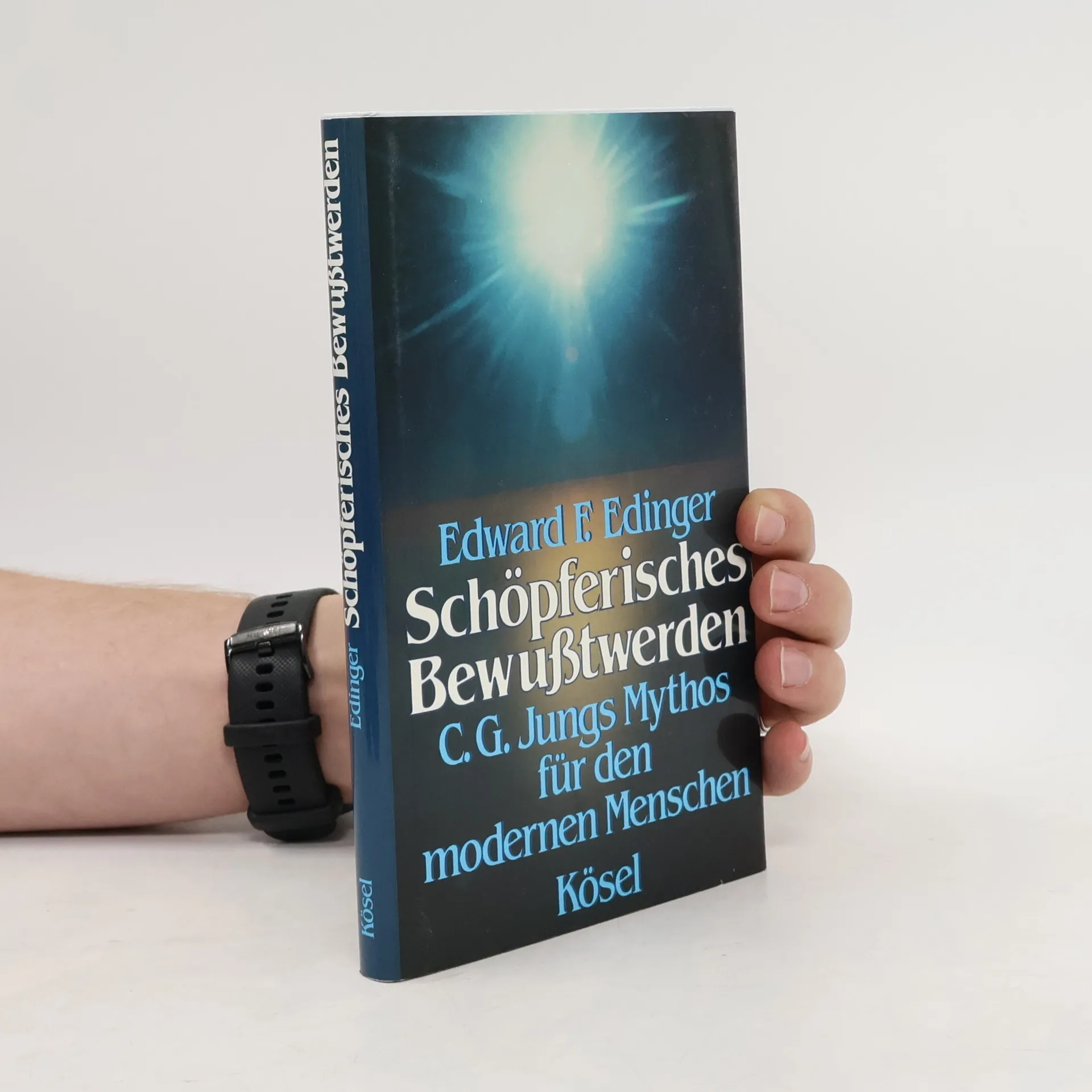
Seminal work by the author of Ego and Archetype, proposing a new world-view based on the creative collaboration between the scientific pursuit of knowledge and the religious search for meaning.
Ego and Archetype
- 336 Seiten
- 12 Lesestunden
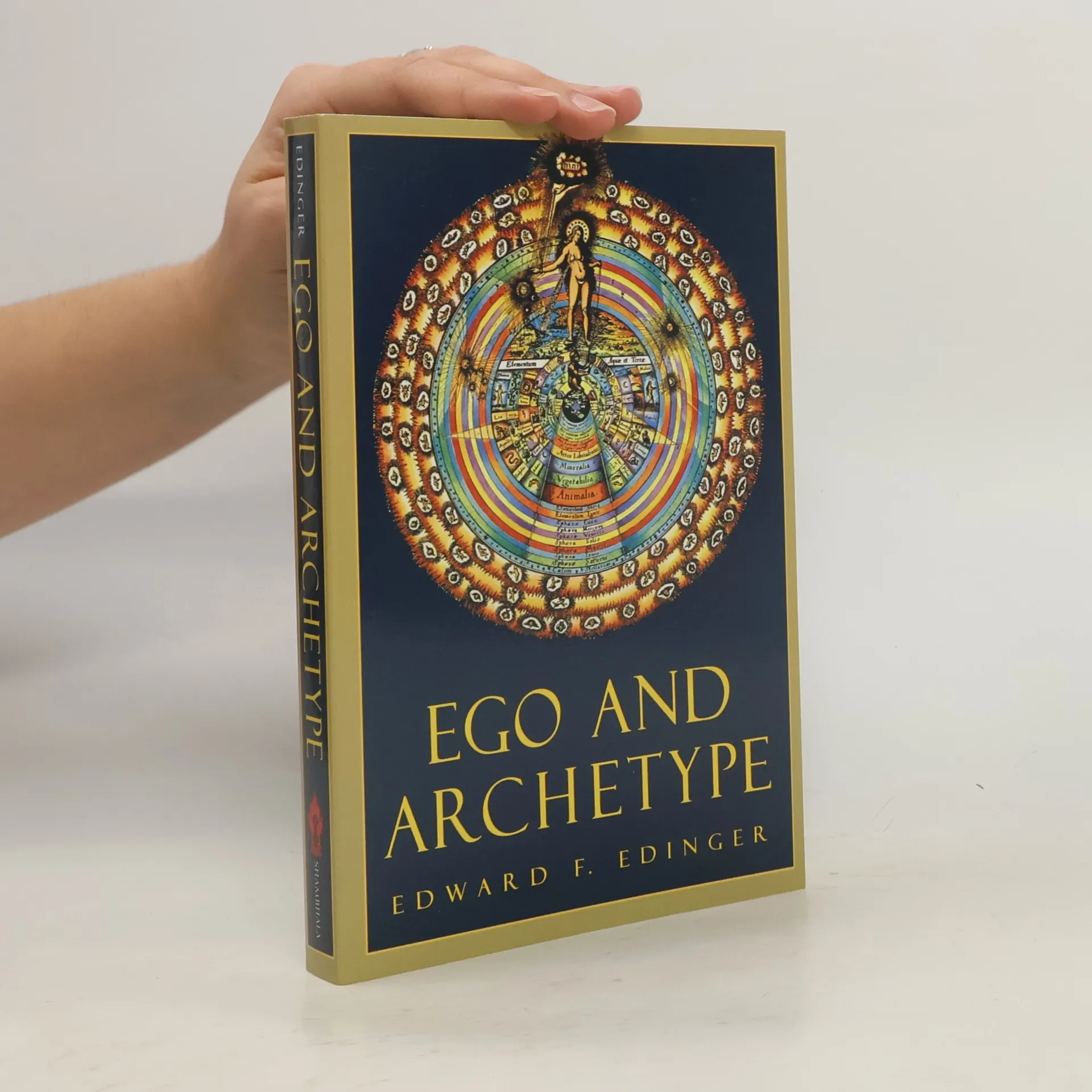
A medical psychiatrist and founding member of the Jung Foundation explores a pivotal part of analytical psychology: encountering the self through individuation This book is about the individual’s journey to psychological wholeness, known in analytical psychology as the process of individuation. Edward Edinger traces the stages in this process and relates them to the search for meaning through encounters with symbolism in religion, myth, dreams, and art. For contemporary men and women, Edinger believes, the encounter with the self is equivalent to the discovery of God. The result of the dialogue between the ego and the archetypal image of God is an experience that dramatically changes the individual’s worldview and makes possible a new and more meaningful way of life.