

A New York Times Book Review Editors' Choice From a Pulitzer Prize winner, a powerful history that reveals how the twin strands of liberty and slavery were joined in the nation's founding.
Edward J. Larson Bücher
Ein preisgekrönter amerikanischer Historiker und Rechtsexperte, dessen Werk sich mit der komplexen Beziehung zwischen Geschichte und Recht befasst. Er erforscht die tiefen historischen Wurzeln gegenwärtiger rechtlicher und gesellschaftlicher Fragen und bietet neue Perspektiven auf die amerikanische Geschichte und ihre Auswirkungen auf das Rechtssystem. Sein einzigartiger Ansatz deckt nuancierte Erkenntnisse über den Einfluss der Vergangenheit auf die heutige Rechtsprechung auf. Mit tiefem Wissen und analytischer Strenge ist er eine bedeutende Stimme auf dem Gebiet der Rechtsgeschichte.


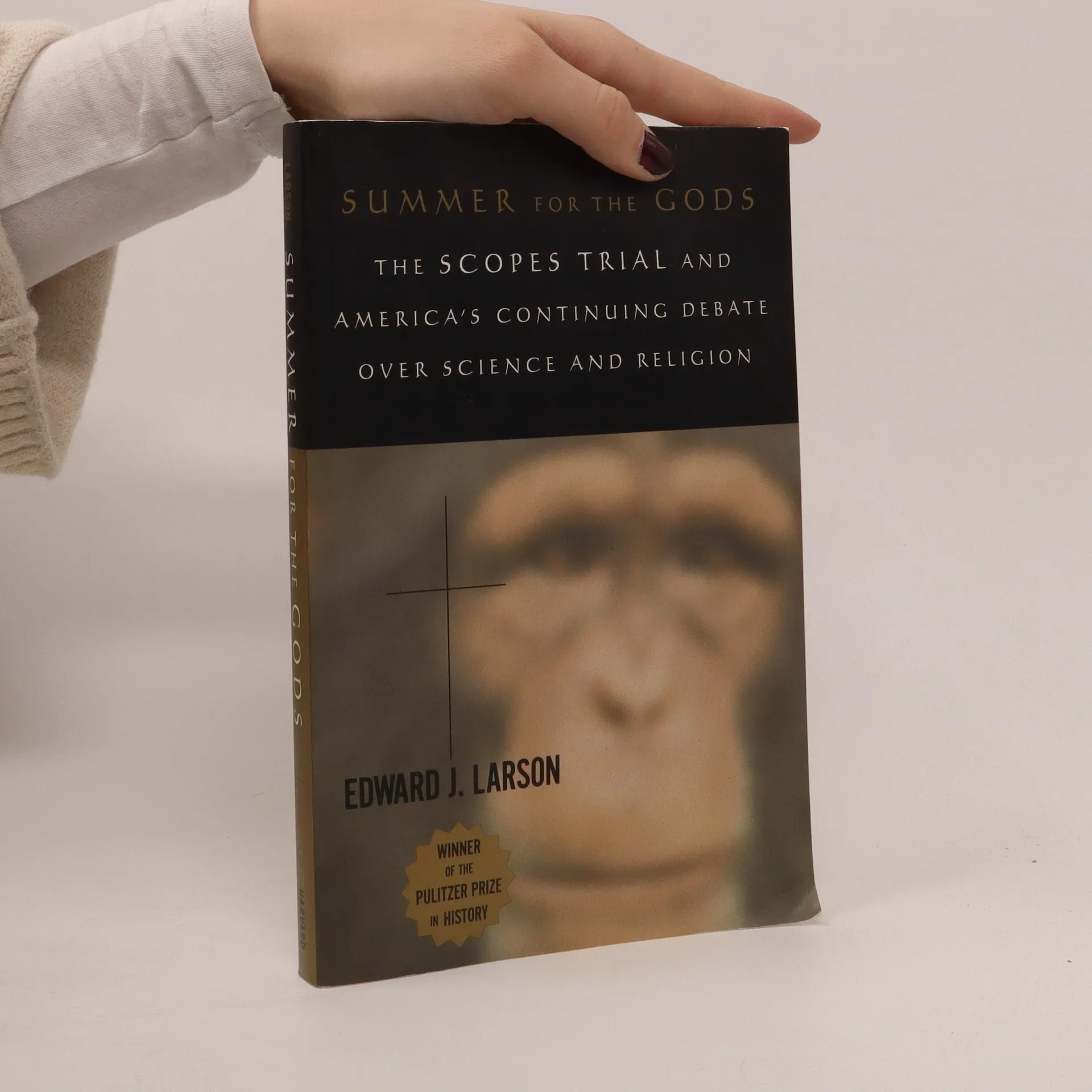

Summer for the gods : the scopes trial and America's continuing debate over science and religion
- 336 Seiten
- 12 Lesestunden
The Scopes "Monkey Trial" marked a watershed in our national discussion of science and religion. In addition to symbolizing the clash between evolutionist and creationist camps, the trial helped shape the development of both popular religion and constitutional law in the United States, serving as a precedent for more recent legal and political battles. Pairing new archival material from both the Bryan prosecution and the Darrow defense with Larson's keen historical and legal analysis, Summer for the Gods offers a fresh interpretation of a pivotal event in American history.
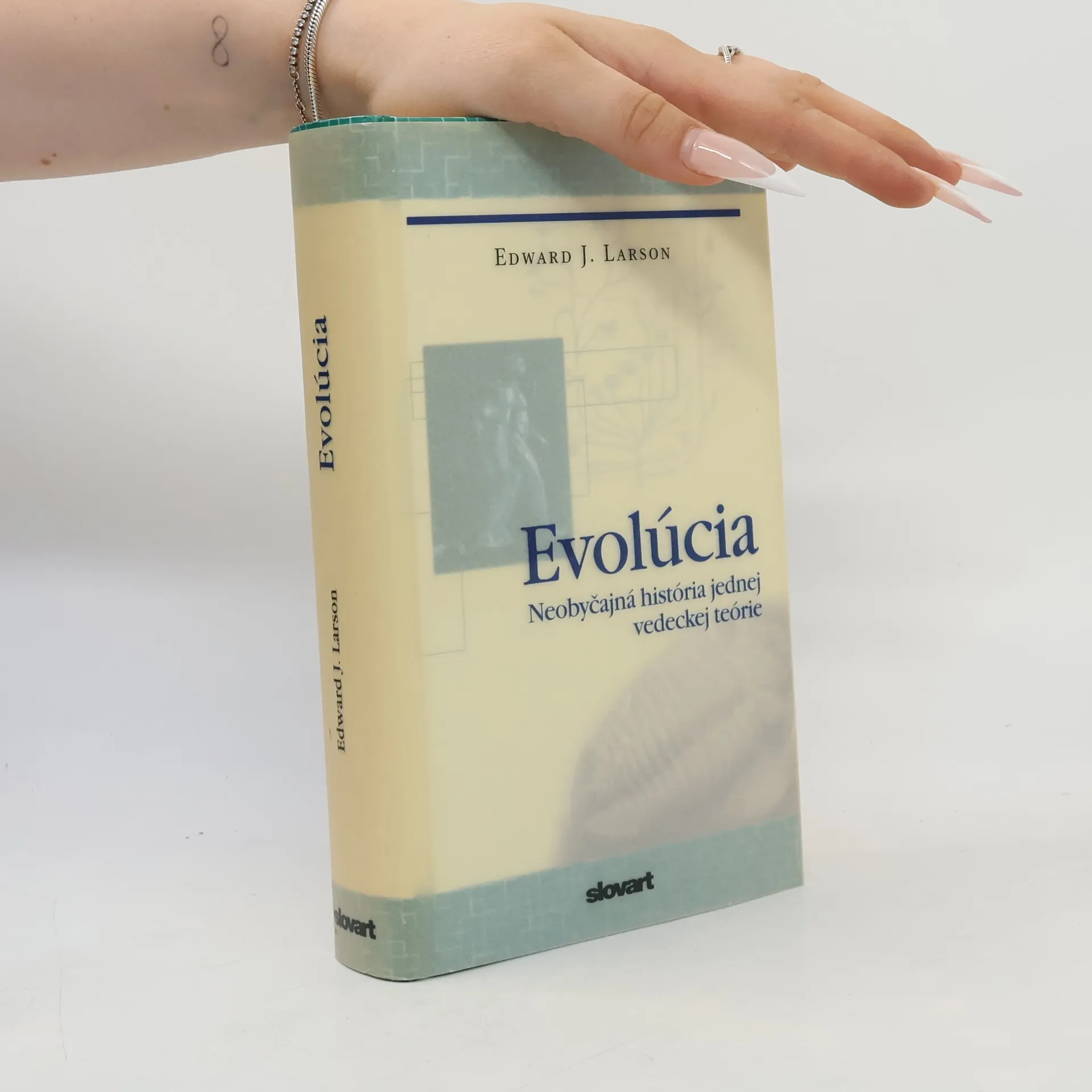
Evolúcia: Neobyčajná história jednej vedeckej teórie
- 320 Seiten
- 12 Lesestunden
Kniha ľahkým a čítavým štýlom sprístupňuje odbornej, ale aj širšej laickej verejnosti históriu evolučných teórií, ako aj iných biologických teórií, ktoré majú k evolučným teóriám blízky vzťah. Vykresľuje dobu, v ktorej sa to všetko odohrávalo a poskytuje aj charakteristiku „hlavných hrdinov“. Kniha zaujme všetkých prírodovedcov, najmä biológov, ale mal by osloviť aj filozofov, sociológov a politikov a určite širšiu verejnosť.
De proeftuin van de evolutie. God en wetenschap op de Galapagoseilanden
- 366 Seiten
- 13 Lesestunden
More than any other place on Earth, the Galapagos Islands are the workshop of evolution. Isolated and desolate, they were largely overlooked by early explorers until Charles Darwin arrived there in the 1830's. It was Darwin who recognized that Galapagos' isolation and desolation were advantages: the paucity of species and lack of outside influences made the workings of natural selection crystal clear. Since then, every important advance and controversy in evolutionary thinking has had its reflection on the Galapagos. In every sense-intellectually, institutionally, and culturally-the history of science on these islands is a history of the way evolutionary science was done for the past 150 years.Evolution's Workshop tells the story of Darwin's explorations there; the fabulous Gilded Age expeditions, run from rich men's gigantic yachts, that featured rough-and-ready science during the day and black-tie dinners every night; the struggle for control of research on the Galapagos; the current efforts by "creation scientists" to use the Galapagos to undercut evolutionary teaching; and many other compelling stories.