
Gratis Versand in ganz Österreich
Bookbot

Kristen R. Ghodsee

    26. April 1970

    Kristen R. Ghodsee ist eine preisgekrönte Autorin und Ethnographin, die sich auf die gelebten Erfahrungen von Sozialismus und Postsozialismus in Osteuropa spezialisiert hat. Ihre Arbeit taucht tief in die Nuancen des täglichen Lebens unter diesen politischen Systemen ein und deckt die komplexen Auswirkungen auf Einzelpersonen und Gemeinschaften auf. Durch ihre Forschung und ihr Schreiben bietet Ghodsee einen tiefgründigen Einblick in historische und zeitgenössische Formen gesellschaftlicher Organisation und deren Einfluss auf das menschliche Leben. Ihre Essays werden in führenden globalen Publikationen veröffentlicht, und ihre Artikel wurden in über ein Dutzend Sprachen übersetzt, was die breite internationale Resonanz ihrer wissenschaftlichen Arbeit widerspiegelt.

    Kristen R. Ghodsee
    Why Women Have Better Sex Under Socialism
    Red Valkyries
    From Notes to Narrative
    Second World, Second Sex
    Warum Frauen im Sozialismus besseren Sex haben und andere Argumente für ökonomische Unabhängigkeit
    Utopien für den Alltag
    • 2024

      Červené valkýry

      • 352 Seiten
      • 13 Lesestunden
      4,3(2)Abgeben

      Prečo boli najradikálnejšie feministky zároveň komunistkami Prostredníctvom série sviežich a prístupných biografických esejí rozoberajú Červené valkýry dejiny socialistického feminizmu vo východnej Európe. Skúmaním revolučných kariér piatich významných socialistických žien pôsobiacich v 19. a 20. storočí - aristokratickej boľševičky Alexandry Kollontajovej; radikálnej pedagogičky Nadeždy Krupskej; polyamornej buričky Inessy Armandovej; smrtiacej ostreľovačky Ľudmily Pavličenkovej a partizánky, ktorá sa stala vedkyňou a napokon svetoznámou aktivistkou za práva žien, Jeleny Lagadinovej – hovorí Kristen Ghodsee o osobných výzvach, ktorým čelili predchádzajúce generácie socialistiek a komunistiek. Žiadna z týchto žien nebola „dokonalou“ ľavičiarkou. Ich životy boli plné vnútorných konfliktov, protirečení a niekedy až nehoráznych privilégií, no napriek tomu dokázali vďaka vytrvalosti a oddanosti pre svoju vec posunúť vpred vlastné politické projekty. Týchto päť žien, ktoré vždy kráčali po tenkej hranici medzi potrebou triednej solidarity a túžbou prinútiť svojich niekedy necitlivých mužských kolegov, aby brali vážne problémy žien, hľadalo nové riešenia, z ktorých sa poučia aj dnešné aktivistky. V krátkych výstižných kapitolách - s množstvom konkrétnych príkladov z dejín štátnosocialistických krajín vo východnej Európe a aktuálnych úvah o postavení žien v dnešnom svete - približuje Ghodsee veľké myšlienky socialistického feminizmu tým, ktorí sa aj dnes inšpirujú emancipačnou politikou povstaleckých ľavicových feministických hnutí na celom svete.

      Červené valkýry
    • 2023

      Anthropologist Kristen Ghodsee looks at pioneering experiments in communal living to present a rousing argument for rethinking what we mean by home. 'A must-read' THOMAS PIKETTY 'Just wonderful' ANGELA SAINI Throughout history and around the world today, forward-thinking communities have pioneered alternative ways of living together, sharing property and raising children. In Everyday Utopia, anthropologist Kristen Ghodsee explores what we can learn from these experiments - from the ancient Greek commune founded by Pythagoras to the trail-blazing feminists of the French Revolution, from the cohousing movement in contemporary Denmark to the flourishing ecovillages of Colombia and Portugal. She shows why utopian thinking is essential to making a fairer world and that many of the best ways of getting there begin at home. 'This warm, intelligent and lucid book takes us on a deep dive into how people have created better systems for living - systems that actually work' ROBERT WALDINGER, author of The Good Life and director of the Harvard Study of Adult Developmet 'Exhilarating. A powerful reminder that dreaming of better worlds is not just some fantastical project but also a very serious political one' REBECCA TRAISTER, author of Good and Mad 'Splendid. Invigorating writing for a cheerless era' YANIS VAROUFAKIS, author of Technofeudalism 'A vision of what our future could be if we dare to dream' SUSAN NEIMAN, Left Is Not Woke

      Everyday Utopia
    • 2023

      »Utopia is back!« Thomas Piketty Ob Care-Arbeit, Erziehung oder Bildung: Viele Bereiche unseres Alltags sind ungerecht organisiert – zumeist tragen Frauen die Hauptlast. Sie sollen sich um die Kinder kümmern, den Haushalt besorgen, die kranke Verwandtschaft pflegen und ihre ökonomische Unabhängigkeit doch gefälligst für ein Leben in der Kleinfamilie aufgeben. Im Laufe der Geschichte haben Philosophen, Aktivistinnen und Pioniere nach alternativen Lebensformen gesucht: von den rein weiblichen »Beginenhöfen« im mittelalterlichen Belgien über die matriarchalischen Ökodörfer im heutigen Kolumbien; von der Kommune des Pythagoras bis hin zu Produktions- und Wohngenossenschaften frühsozialistischer Utopisten. Kristen Ghodsee hat zahlreiche inspirierende Beispiele zu einer radikal hoffnungsvollen Vision versammelt. Einige dieser Experimente waren ein kurzes Leuchtfeuer, andere sind der lebende Beweis dafür, dass eine andere Welt möglich ist. Utopien für den Alltag ist auch ein praktischer Leitfaden für alle, die auf der Suche nach Ideen sind, wie wir gleichberechtigter und glücklicher leben können.

      Utopien für den Alltag
    • 2022
    • 2021

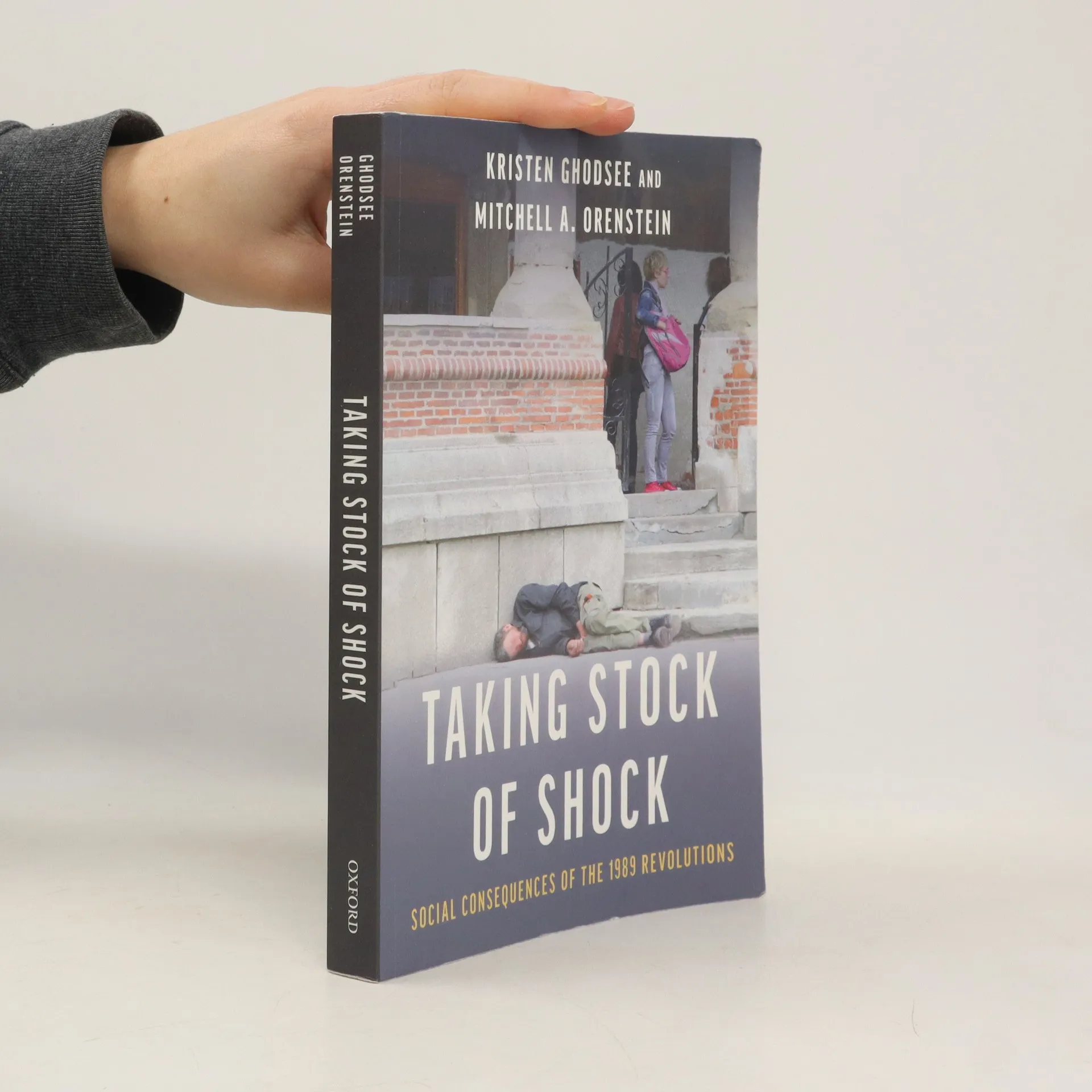
      "Using an interdisciplinary approach, this book evaluates the social consequences of the post-1989 transition from state socialism to free market capitalism across Central and Eastern Europe and Central Asia. Blending ethnographic accounts with economic, demographic, and public opinion data, Ghodsee and Orenstein provide insight into the development of new, unequal, social orders. It explores the contradictory narratives on transition promoted by Western international institutions and their opponents, one of qualified success and another of epic catastrophe, and surprisingly shows that data support both narratives, for different countries, regions, and people. While many citizens of the postsocialist countries experienced significant progress in living standards and life satisfaction, enabling them to catch up with the West after a relatively brief recession, others suffered demographic and social collapses resulting from rising economic precarity; large scale degradation of social welfare that came with privatization; and growing gender, class, and regional disparities that have accompanied neoliberal reforms. Transition recessions lasted for decades in many countries, exceeding the US Great Depression in severity. Some countries still have not returned to pre-1989 levels of economic production or mortality; some have lost more than one-fifth of their population and are projected to lose more. Thirty years after the fall of the Berlin Wall, this book deploys a sweeping array of data from different social science fields to provide a more holistic perspective on the successes and failures of transition, while unpacking the failed assumptions and narratives of Western institutions, Eastern policymakers, and citizens of former socialist states"-- Provided by publisher

      Taking Stock of Shock
    • 2020

      A spirited, witty, deeply researched exploration of why socialism, when done right, can lead to economic independence, better work-life balance, and, yes, even better sex

      Why Women Have Better Sex Under Socialism
    • 2020

      Proč mají ženy za socialismu lepší sex - A další argumenty pro ekonomickou nezávislost. Štěstí v rodině, úspěch v kariéře i pohoda v posteli začínají v zákonech. Západní společenská stabilita poválečných let je paradoxně v mnohém dílem komunismu: demokratické státy ze strachu před radikalizací obyvatelstva přijímaly opatření, jimž se dnes souhrnně říká sociální stát. Snad žádné skupiny obyvatel se tento vývoj nedotkl tak výrazně jako žen: vzdělávací politika a státní podpora jim umožnily kariéru, sexuologie a zdravotnictví částečně odtabuizovaly sexuální život a ženské tělo přestalo být vlastnictvím někoho jiného. S rokem 1989, kdy skončila komunistická hrozba a začala sílit mantra deregulace, se trend obrátil a sociální stát začal korodovat. Dnes jsou ženy více ohroženy chudobou a sexuální vztahy se opět pojí s materiálním zajištěním. Kristen Ghodseeová v provokativní studii analyzuje, jaké dopady má kapitalismus na soukromí, kariéry i sebevědomí žen a kudy by se mohl v budoucnu ubírat.

      Proč mají ženy za socialismu lepší sex
    • 2019

      Second World, Second Sex

      Socialist Women's Activism and Global Solidarity during the Cold War

      • 328 Seiten
      • 12 Lesestunden
      4,3(28)Abgeben

      The activism of women from Eastern Europe, particularly during the 1975 United Nations International Year of Women and the following Decade for Women, is the focus of this exploration. Kristen Ghodsee highlights the significant yet overlooked contributions of socialist women from Bulgaria and Zambia, revealing how their networks challenged the dominance of Western feminists. Through interviews and archival research, the book illustrates how the ideological rivalry between capitalism and socialism influenced contemporary women's movements globally.

      Second World, Second Sex
    • 2019

      Im August 2017 sorgte ein Beitrag von Kristen R. Ghodsee in der New York Times für Furore. Der Titel: Warum Frauen im Sozialismus besseren Sex hatten. Bei »Sozialismus« mögen viele an alte Männer in grauen Anzügen denken. Tatsächlich aber garantierten zahlreiche sozialistische Länder ihren Bürgerinnen durch die Integration in den Arbeitsmarkt, Lohngleichheit und eine aktive Sozial- und Familienpolitik ein hohes Maß an ökonomischer Unabhängigkeit. Das erlaubte vielen Frauen, ihre Partner nicht nur unter dem Gesichtspunkt wirtschaftlicher Absicherung, sondern eben auch unter dem der individuellen Entfaltung zu wählen. Dreißig Jahre nach dem Ende des Staatssozialismus blickt die Historikerin und Ethnografin zurück und untersucht die Auswirkungen der kapitalistischen Transformation auf die Leben von Frauen. Die Lasten einer unregulierten Wirtschaft, so das Ergebnis ihres Essays, den sie nun erweitert als Buch vorlegt, tragen vor allem Frauen. Und sie sind es, die durch eine gerechtere Gesellschaft am meisten zu gewinnen haben.

      Warum Frauen im Sozialismus besseren Sex haben und andere Argumente für ökonomische Unabhängigkeit