

The Matrix (1999), directed by the Wachowski sisters and produced by Joel Silver, was a true end-of-the-millennium movie, a statement of the American zeitgeist, and, as the original film in a blockbusting franchise, a prognosis for the future of big-budget Hollywood film-making. Starring Keanu Reeves as Neo, a computer programmer transformed into a messianic freedom fighter, The Matrix blends science fiction with conspiracy thriller conventions and outlandish martial arts created with groundbreaking digital techniques. A box-office triumph, the film was no populist confection: its blatant allusions to highbrow contemporary philosophy added to its appeal as a mystery to be decoded. In this compelling study, Joshua Clover undertakes the task of decoding the film. Examining The Matrix's digital effects and how they were achieved, he shows how the film represents a melding of cinema and video games (the greatest commercial threat to have faced Hollywood since the advent of television) and achieves a hybrid kind of immersive entertainment. He also unpacks the movie's references to philosophy, showing how The Matrix ultimately expresses the crisis American culture faced at the end of the 1990s.
Joshua Clover Bücher
Joshua Clover ist ein gefeierter Dichter, Gelehrter, Kritiker und Journalist. Sein literarisches Werk befasst sich mit den komplexen Schnittstellen von Kultur, Wirtschaft und Identität. Mit einem scharfen Blick für Details und einem prägnanten analytischen Stil deckt Clover die verborgenen Strukturen im zeitgenössischen Leben auf. Seine Schriften fordern die Leser auf, sich tiefer mit der Welt um sie herum auseinanderzusetzen.

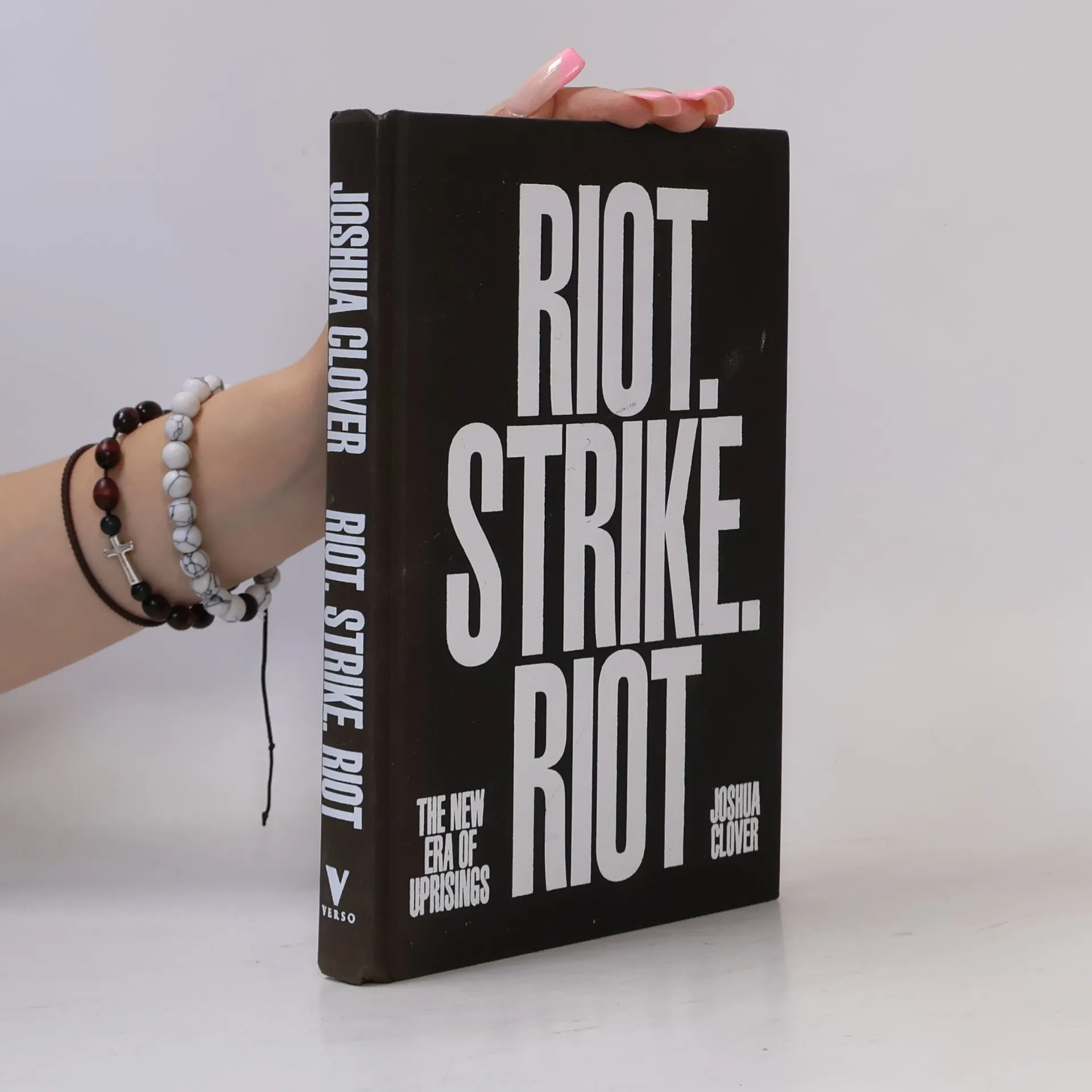

Award winning poet Joshua Clover theorises the riot as the form of the coming insurrection Baltimore. Ferguson. Tottenham. Clichy-sous-Bois. Oakland. Ours has become an “age of riots” as the struggle of people versus state and capital has taken to the streets. Award-winning poet and scholar Joshua Clover offers a new understanding of this present moment and its history. Rioting was the central form of protest in the seventeenth and eighteenth centuries, and was supplanted by the strike in the early nineteenth century. It returned to prominence in the 1970s, profoundly changed along with the coordinates of race and class. From early wage demands to recent social justice campaigns pursued through occupations and blockades, Clover connects these protests to the upheavals of a sclerotic economy in a state of moral collapse. Historical events such as the global economic crisis of 1973 and the decline of organized labor, viewed from the perspective of vast social transformations, are the proper context for understanding these eruptions of discontent. As social unrest against an unsustainable order continues to grow, this valuable history will help guide future antagonists in their struggles toward a revolutionary horizon.