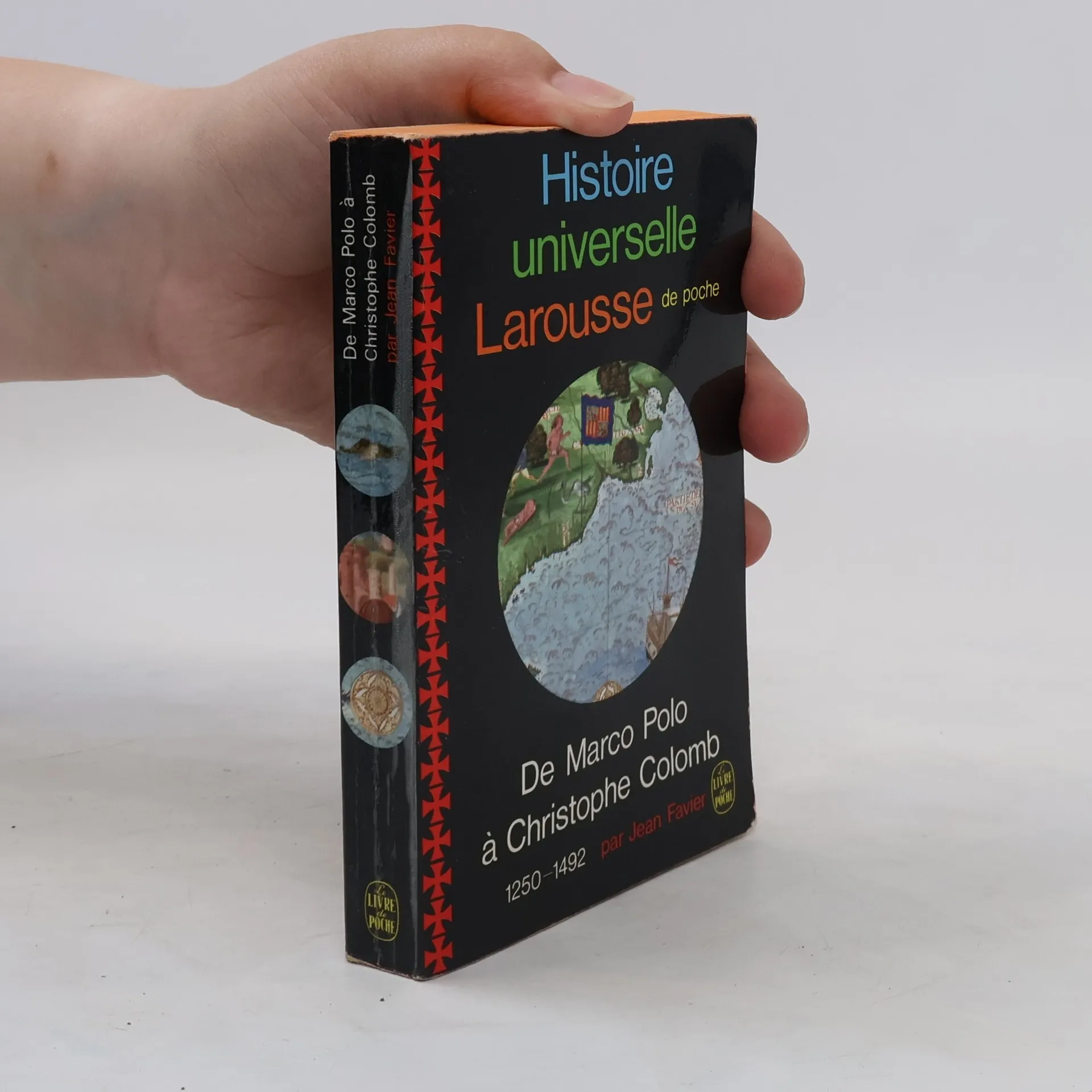
Jean Favier war ein französischer Historiker, der sich auf die mittelalterliche Geschichte spezialisierte. Er bekleidete bedeutende leitende und präsidentielle Positionen bei wichtigen französischen Kultureinrichtungen, darunter die Nationalarchive und die Nationalbibliothek. Seine Arbeit vertiefte sich in das Verständnis der Vergangenheit. Er war ein angesehenes Mitglied einer renommierten Akademie.
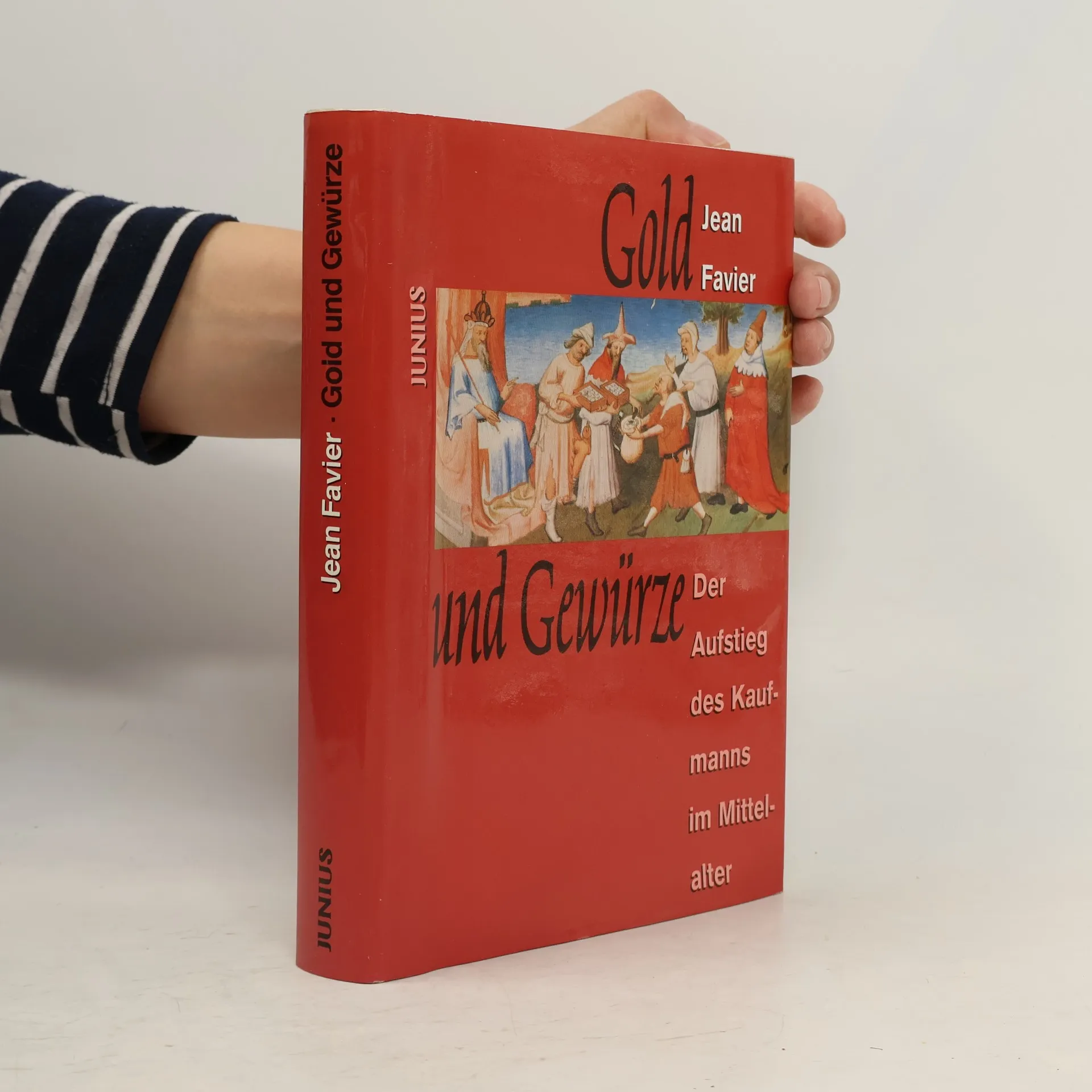
Zrod obchodníka ve středověku. Historická práce věnovaná rozvoji obchodu ve středověku. Historik-medievalista Jean Favier (1932) je autorem mnoha historických knih o evropském středověku se zaměřením na obchodní vztahy a vývoj urbanismu. Mezi Favierova vyhledávaná témata patří rovněž dějiny středověkého papežství či postava Jany z Arcu. V Zlatu a koření se autor zabývá proměnou trhovce v obchodníka, který se učí řídit tok svých peněz, zvažovat míru rizika und organizovat výrobu.
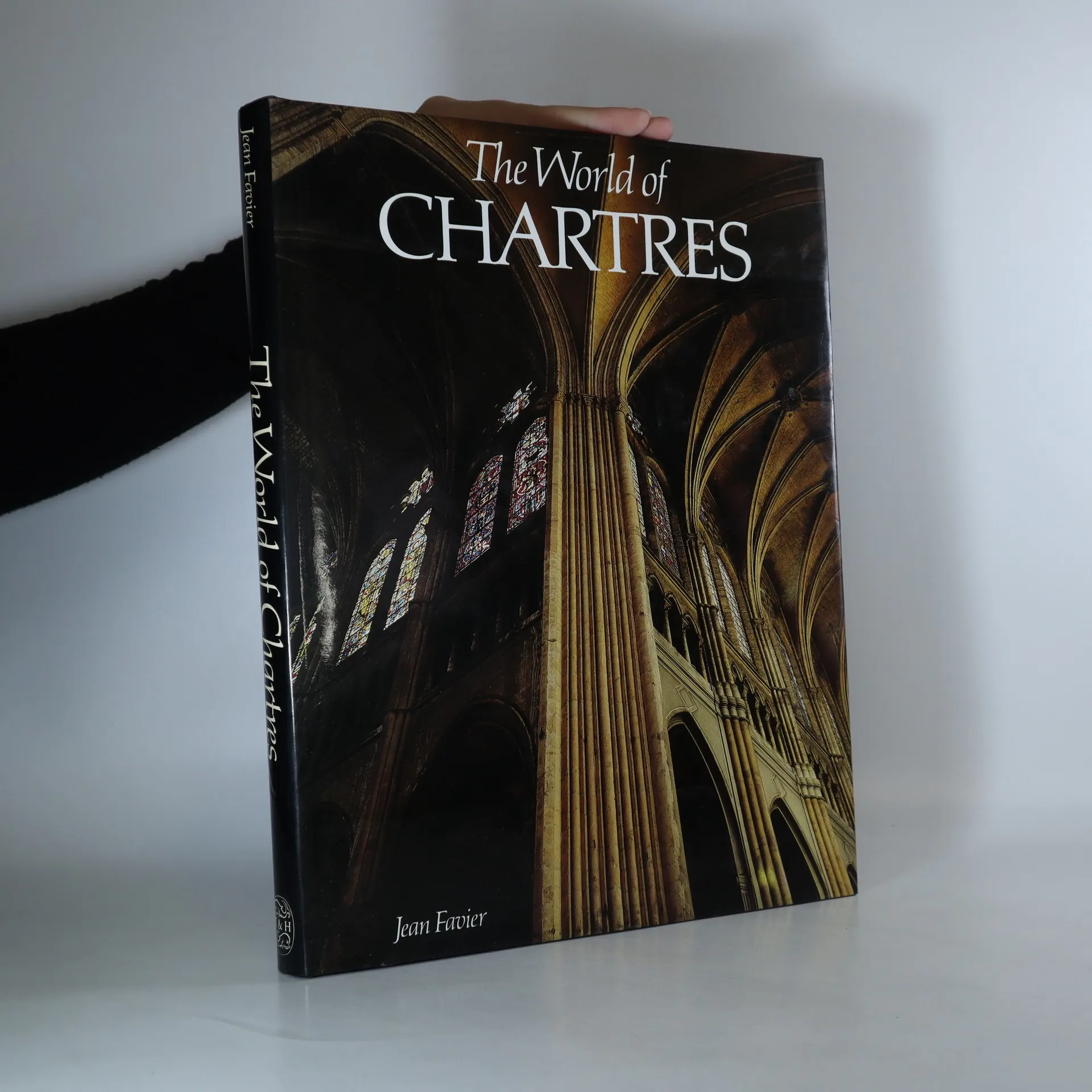
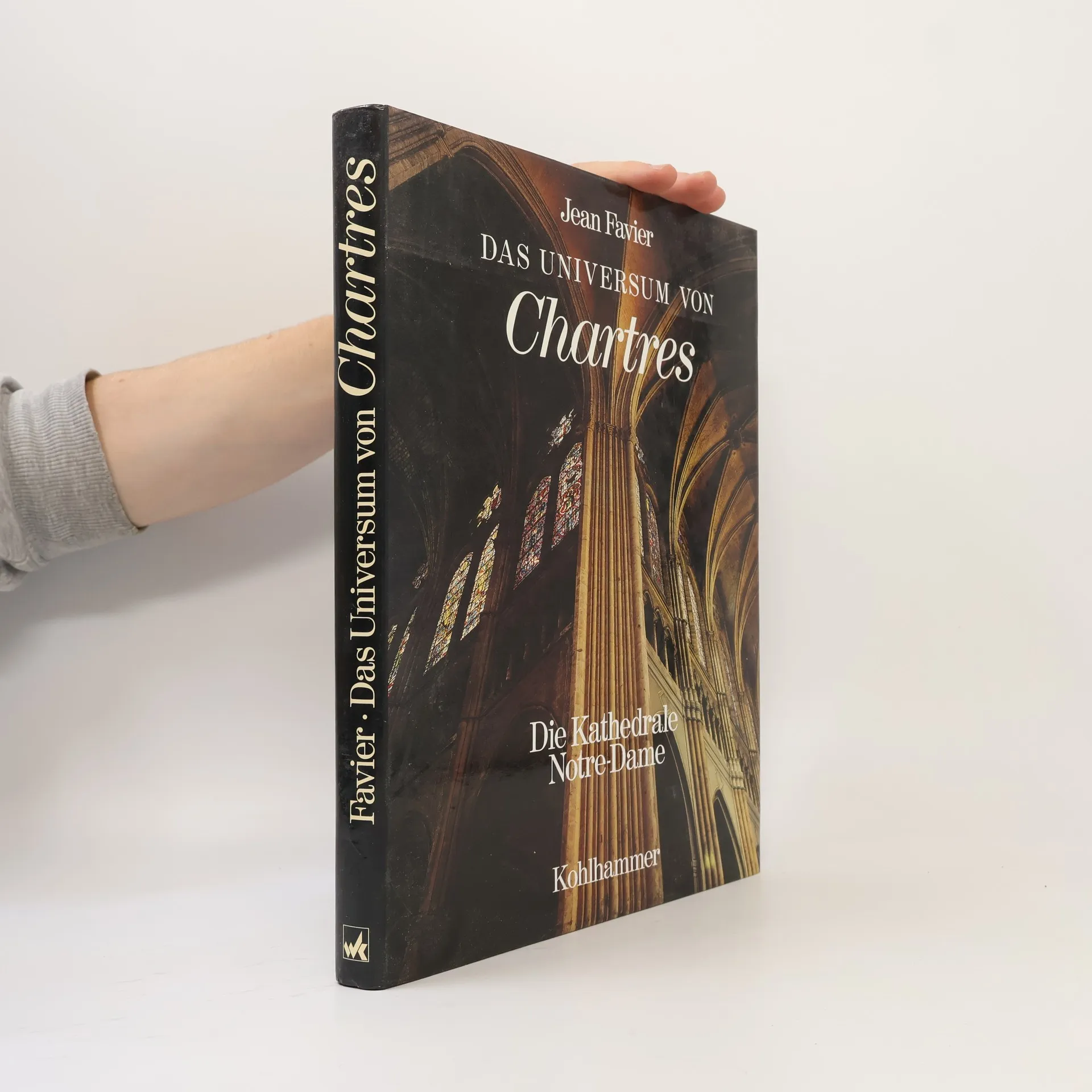
Details one of the greatest Gothic buildings in the world, the Cathedral of Notre Dame at Chartres, France, exploring its history, its structure, and its glass artistry
Never before has the French Revolution been presented in such a novel fashion. The use of the tried and tested method previously applied to "Chronicle of the 20th Century" has made it possible to bring vividly to life the momentous events that rocked France between 1788 and 1799.A detailed and precise chronology allows the reader to follow the activities of the main protagonists of those troubled and often violent times: the people, the heroes and the leaders, both military and political. Nearly 3,000 events, major and minor, political and social are included. It is history in action.All the events which convulsed Europe and shaped the modern world are here: from the Declaration of the Rights of Man to the bloodthirsty frenzy of the Terror; from Liberty, Equality and Fraternity to the rise of Napoleon Bonaparte to virtual dictatorship.
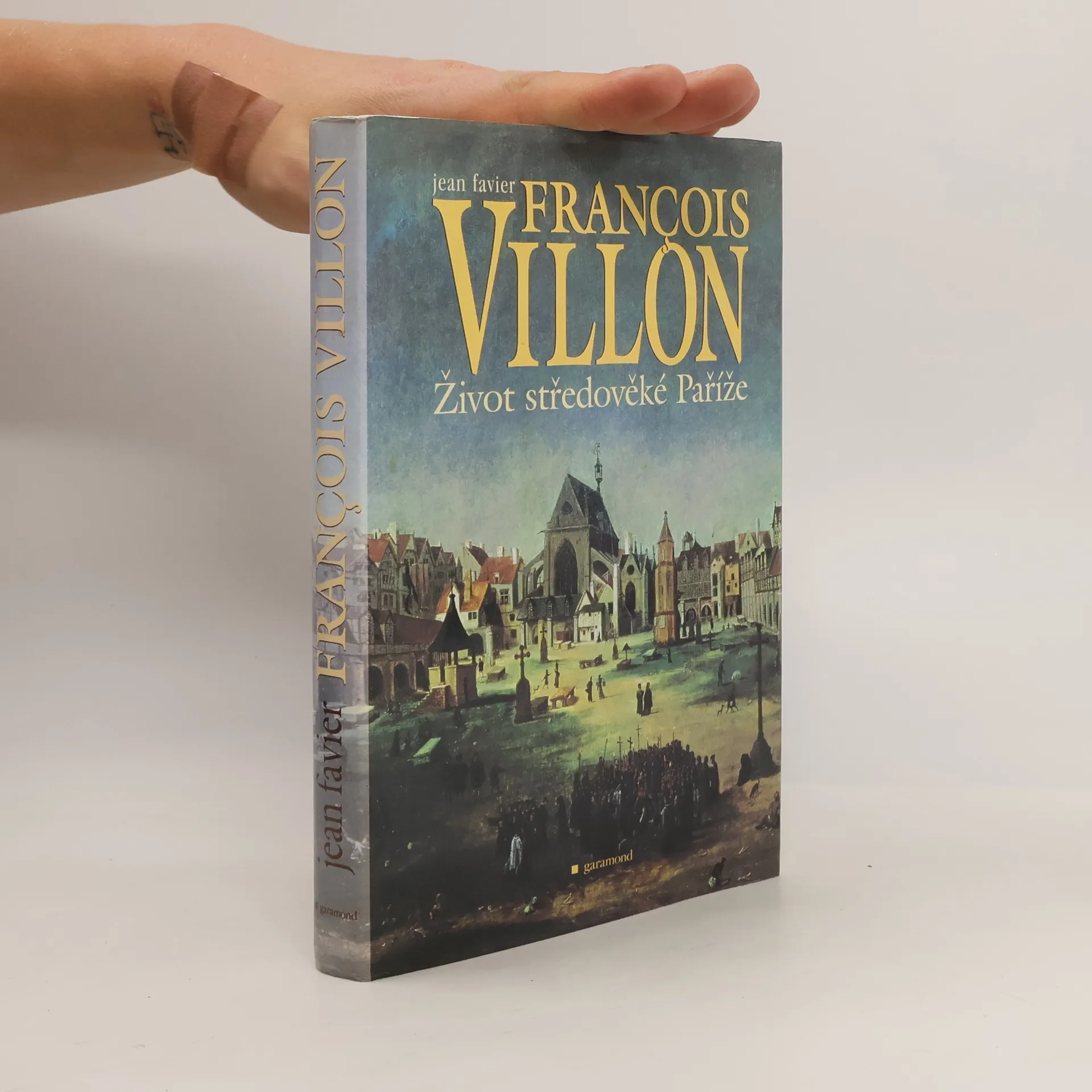
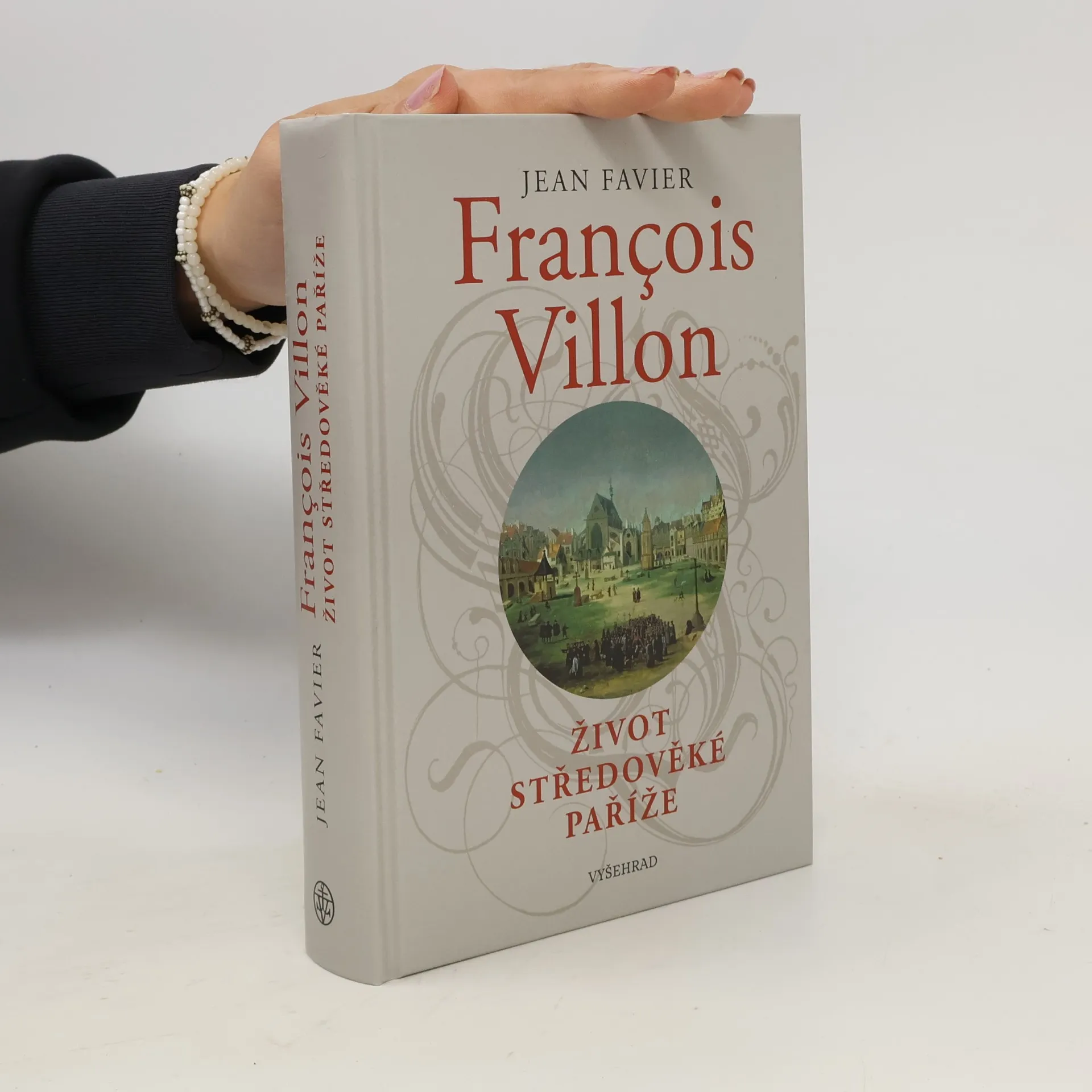
- Život středověké Paříže.
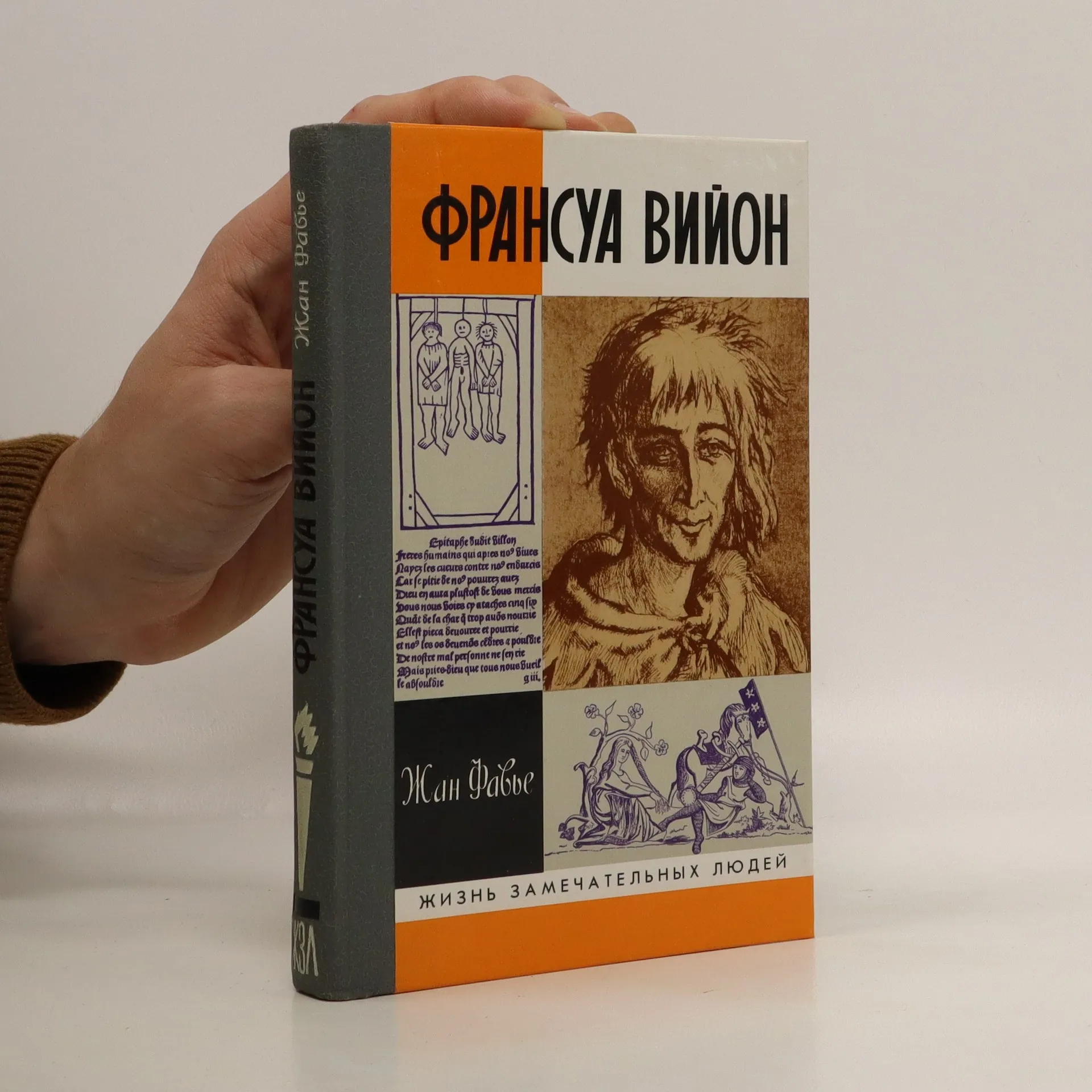
Kniha francouzského historika představuje na pozadí života a díla básníka Francoise Villona studentský život, systém školství, zvyky, svátky, instituce, soudnictví a mnohé jiné aspekty středověké Paříže. Přesto je to kniha zejména o nešťastném životě bouřlivého studenta, básníka a zloděje Francoise Villona, jehož básněmi je text ilustrován. Verše přebásnila Jarmila Loukotková.
Rayon : Histoire Editeur : Le grand livre du mois Date de parution : 1998 Description : In-8, 678 pages, souple, occasion, très bon état. Envois quotidiens du mardi au samedi. Les commandes sont adressées sous enveloppes bulles. Photos supplémentaires de l'ouvrage sur simple demande. Réponses aux questions dans les 12h00. Librairie Le Piano-Livre. Merci. Référence catalogue vendeur: 48982. Please let us know if you have any questions. Thanks
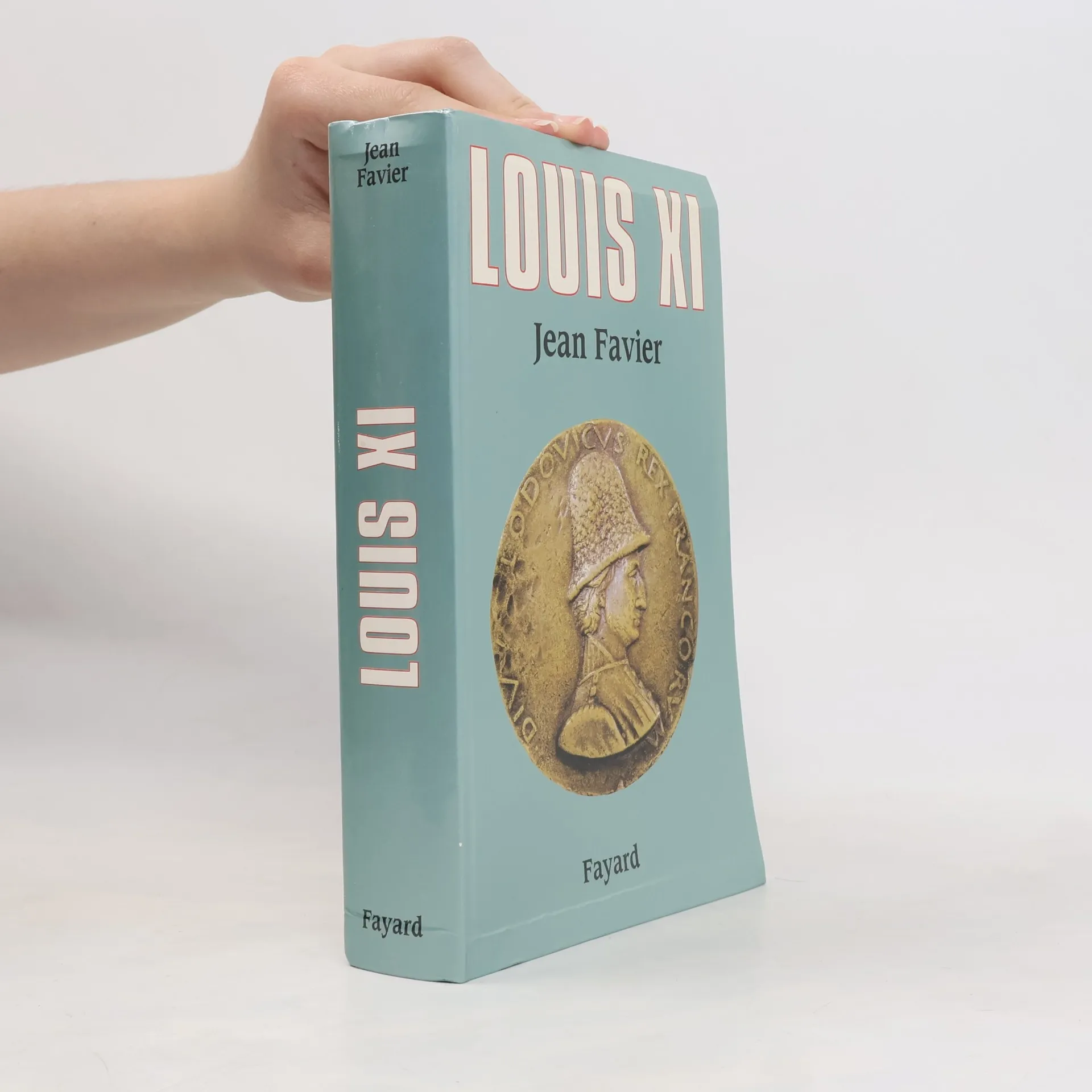
Louis XI est souvent évoqué, mais de nouveaux documents et recherches des cinquante dernières années ont enrichi notre compréhension de son règne. L'imagerie romantique a figé son image : un roi au chapeau orné de médailles, le captif de Péronne, le visiteur cynique des prisonniers, et le destructeur de l'État bourguignon. Son enfance difficile, en tant que fils du « roi de Bourges », et son impatience d'accéder au pouvoir sont bien connues. Le roi est souvent dépeint comme sournois, se déguisant en bourgeois pour espionner. Pourtant, il n'a ni inventé la cruauté ni la duplicité, précédant Machiavel et annonçant Richelieu. Ses méthodes, bien que typiques de son époque, visent des objectifs étonnamment modernes : assurer l'indépendance politique et économique de la France et renforcer la souveraineté royale face à la haute féodalité. Louis XI est un homme complexe, à la fois bavard et méfiant, dictant des lettres pour maintenir des relations diplomatiques tout en poursuivant la chasse. Informé de tout, il prend des décisions majeures et mineures, menant des guerres ou finançant celles des autres, tout en rêvant d'une paix qu'il parvient à réaliser en France et en Italie. Son unique désir était d'être le premier serviteur de la Couronne, accomplissant son rôle de roi.
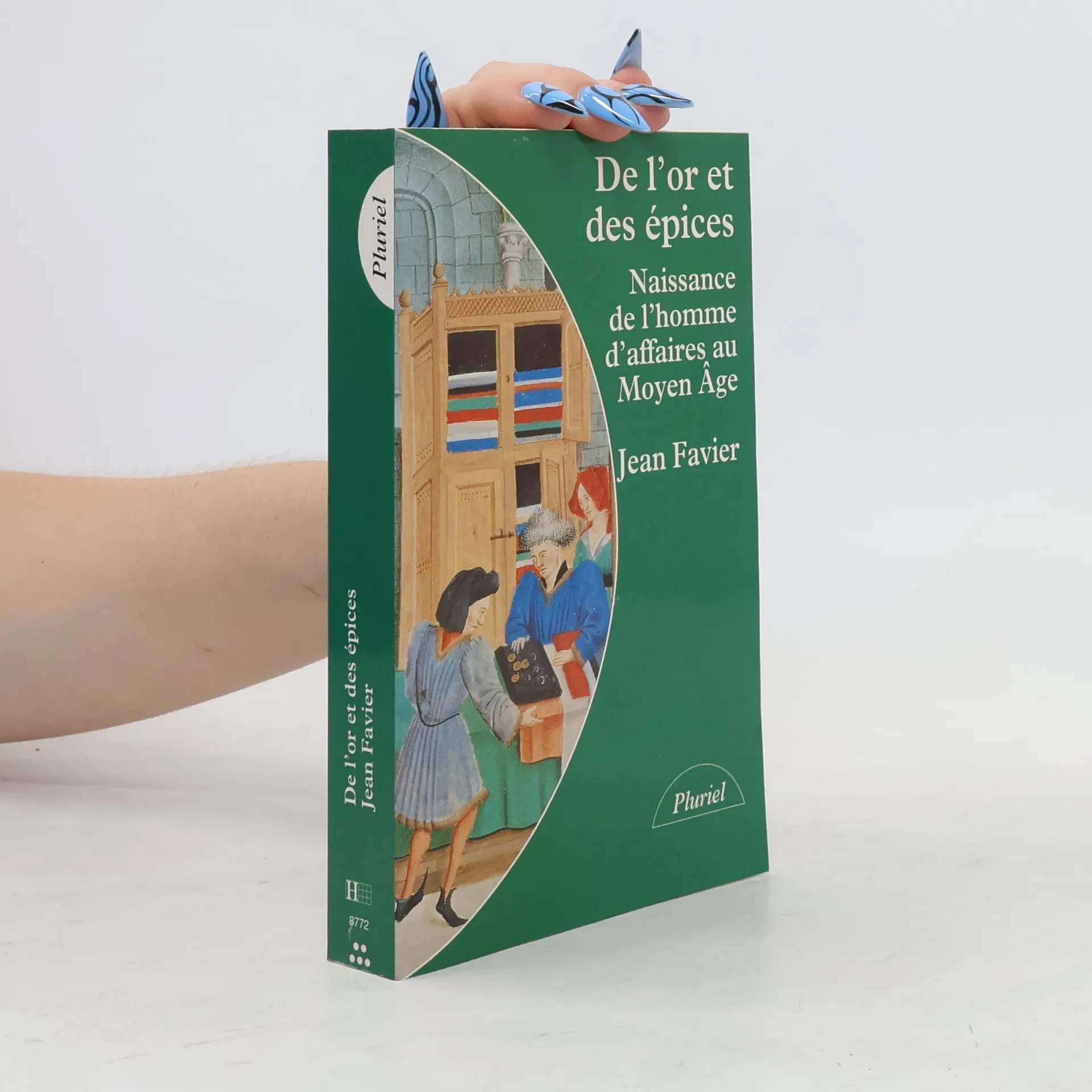
An analysis of the political, social and economic milieus of the late Middle Ages that engendered Europe's transformation from feudalism to capitalism focusing on the evolution of the medieval businessman and the risks of new markets, trade routes, forms of credit, means of production and new methods of speculation.
Les Grandes Découvertes, c'est - traditionnellement - l'épopée des navigateurs européens accomplissant à l'aube des Temps Modernes le périple du globe. C'est l'exploitation conquérante des continents lointains qui allait imposer l'image du " monde fini ". Mais c'est aussi l'histoire d'une construction intellectuelle plus que millénaire qui, dès l'Antiquité, allait simultanément emprunter les voies de l'esprit scientifique et de l'imagination. Le rythme de ce livre restitue à cette aventure ses dimensions véritables. De la colonisation grecque au tour du monde de Magellan, il fait revivre l'esprit des plus grands pionniers et fait l'inventaire des connaissances qui ont permis leurs exploits. Il retrace l'histoire d'un des plus vieux rêves qui ait gouverné la raison.
Wojna stuletnia to historia najdłuższego konfliktu w średniowiecznej Europie, będącego ostatnim aktem trzechsetletniej wojny, która rozpoczęła się za czasów Eleonory Akwitańskiej. Dzieło to uznawane jest za jedno z najważniejszych ujęć historii serii wojen angielsko-francuskich o spadek po Kapetyngach. Konflikt ten, rozciągnięty w czasie, towarzyszyły bunty we Flandrii, walki angielsko-szkockie oraz wojny o sukcesję w Bretanii i Kastylii, a także problemy z najemnikami. Autor ukazuje, jak wojna przyczyniła się do odejścia od feudalizmu i kształtowania nowoczesnych struktur państwowych, angażując zarówno elitę, jak i plebs. Wpływ na przebieg konfliktu miały kryzysy gospodarcze, epidemie, narodziny świadomości narodowej oraz reformy Kościoła. Jean Favier wzbogaca narrację opisami życia średniowiecznego człowieka, jego cierpień i prób przetrwania. Praca ta ukazuje, że historia wojny to nie tylko opowieść o bitwach, ale także o ludziach, którzy brali w niej udział. Ożywają zarówno znani bohaterowie, jak Edward Czarny Książę czy Joanna d’Arc, jak i mniej znani, ale równie ważni. Jean Favier, francuski historyk i mediewista, był autorem wielu prac, w tym dzieła, które przybliża polskiemu czytelnikowi epokę schyłkowego średniowiecza.
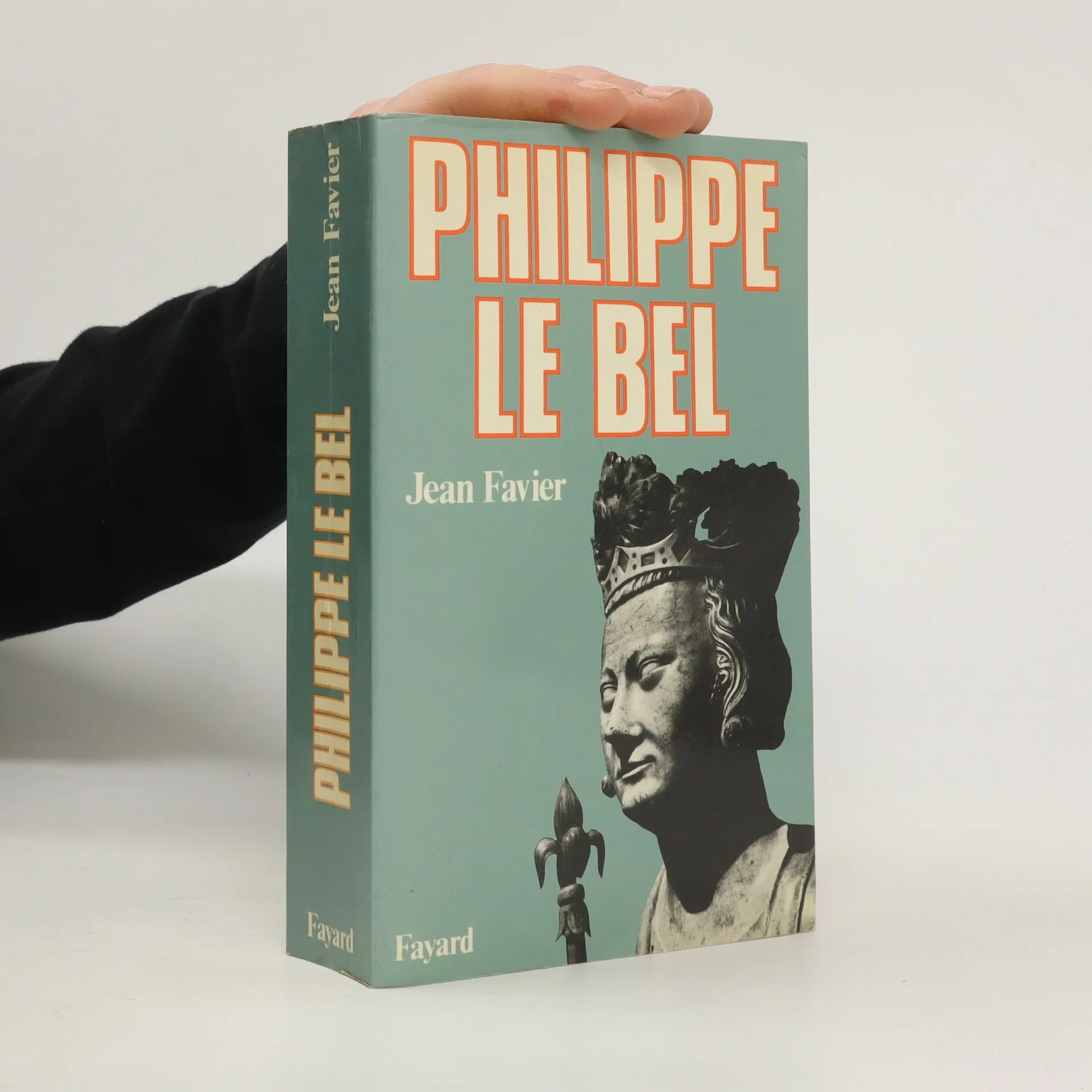
On ne compte plus les clichés, les légendes, les fausses énigmes dont Philippe le Bel continue à être l'objet ou le prétexte. Les énigmes vraies sont bien suffisantes. Car il en est à chaque détour de la recherche. Le roi en est une à lui seul, et la première de toutes. Froid calculateur, timide, pauvre homme ballotté? Son silence est-il habileté, refuge ou abdication? Sa foi est-elle cause première ou prétexte? Son amitié est-elle fidélité ou favoritisme? Le gouvernement est une deuxième énigme. Roi de fer et hommes de paille? Prince sage et conseillers avisés? Jeu subtil de la compétence et du pragmatisme. Chacune de ces «affaires» dont est faite l'histoire du règne est en soi une question: Pourquoi les Juifs? Pourquoi le Temple? Pourquoi la dévaluation? Même si l'on met de côté les images traditionnelles, quel drame que cette lutte du roi chrétien et du Souverain Pontife! Quel drame que cet effondrement d?un ordre naguère respecté d'Orient en Occident! Quel drame que cette fièvre qui s'empare du marché monétaire et qui fait connaître à la France, pour la première fois, dans le même temps, l'inflation galopante et l'instabilité des valeurs!
Šlechtici i spodina ve francouzské metropoli 15. století
Francouzský historik a spisovatel Jean Favier popisuje na základě přístupných dokumentů pohnutý život básníka Francois Villona – bohéma, zlodějíčka, přítele spodiny i dvořanů v Blois – a současně s ním i všední a sváteční život představitelů jednotlivých vrstev pařížské společnosti jeho doby. Autorovi se podařilo v dobových dokumentech dohledat skutečné osoby a propojit je s odkazy a narážkami ve Villonových básních – například sklepmistra, který pančoval víno. Text je proložen citáty z dobové poezie a zejména z díla samotného Villona – od raných epigramů až po závěrečná díla Odkaz a Závěť.