Sleutelbewaarders
De geschiedenis van het pausdom, van Petrus tot Benedictus XVI
- 513 Seiten
- 18 Lesestunden
A complete history of one of the most enduring and influential of all human institutions.


Roger J. H. Collins ist ein englischer Mediävist, dessen Werk sich mit den Feinheiten des Mittelalters befasst. Seine Forschungen zeichnen sich durch tiefgreifende Einblicke in historische Prozesse und sorgfältige Analysen der mittelalterlichen Gesellschaft aus. Als Ehrener forschungsmitarbeiter für Geschichte an der Universität Edinburgh trägt er zur fortlaufenden Erforschung dieser entscheidenden Epoche der Menschheitsgeschichte bei. Seine Beiträge beleuchten die Komplexität und Nuancen der mittelalterlichen Welt für zeitgenössische Leser.
De geschiedenis van het pausdom, van Petrus tot Benedictus XVI
A complete history of one of the most enduring and influential of all human institutions.
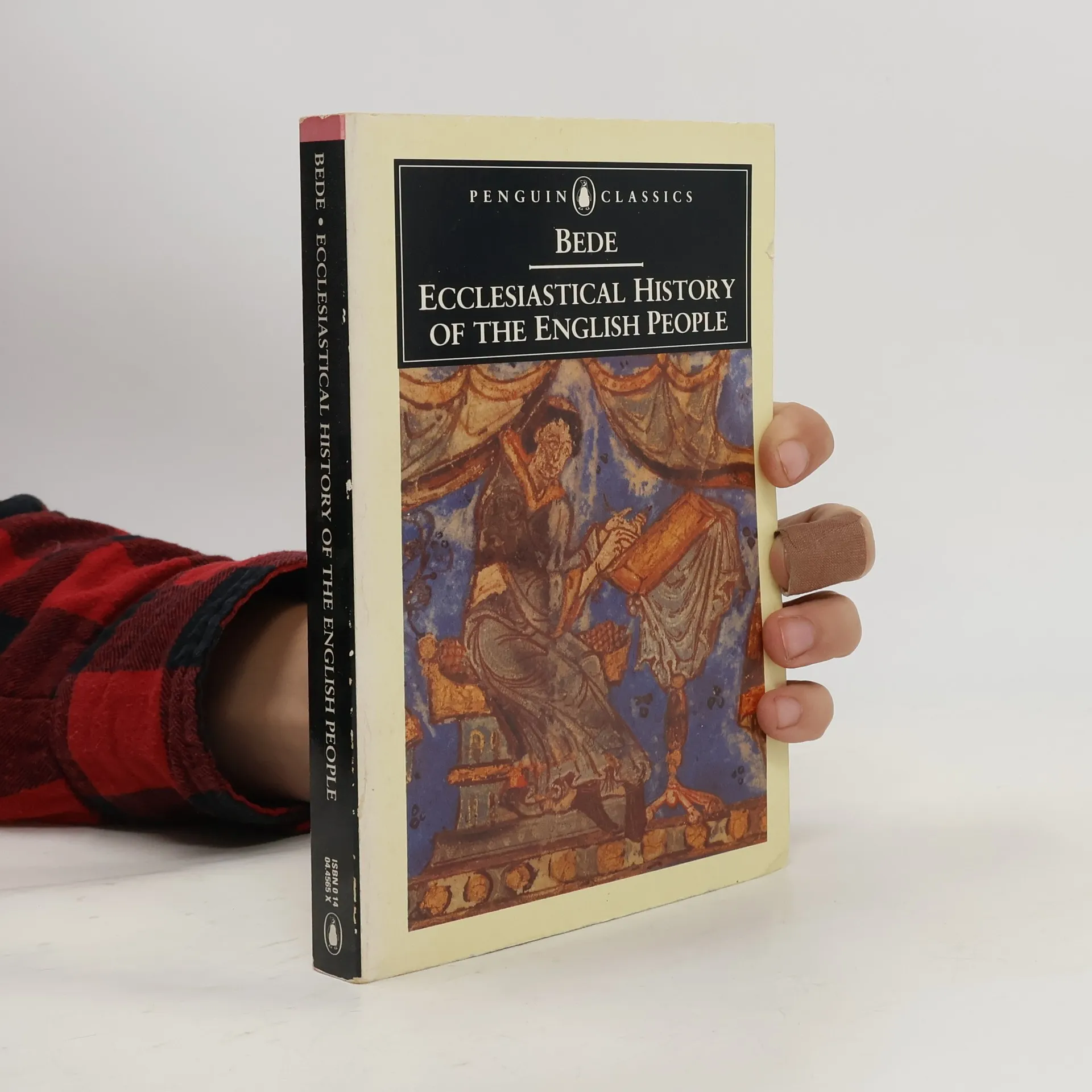
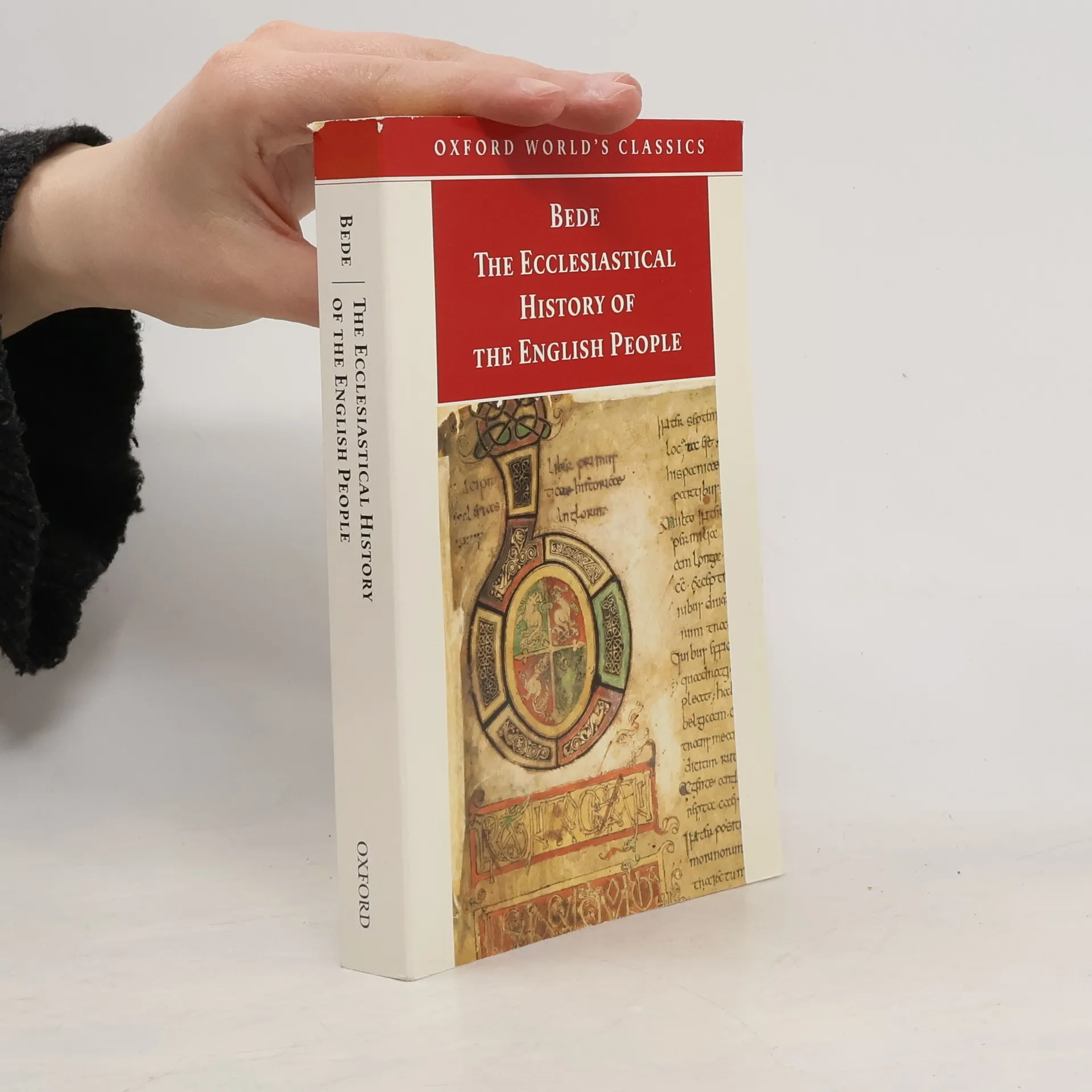
Written in AD 731, Bede's work opens with a background sketch of Roman Britain's geography and history. It goes on to tell of the kings and bishops, monks and nuns who helped to develop Anglo-Saxon government and religion during the crucial formative years of the English people. This title offers an English translation of a historical document.
Starting with the invasion of Julius Caesar in the fifth century, Bede recorded the history of the English up to his own day in 731 A.D. A scholarly monk working in the north-east of England, Bede wrote the five books of his history in Latin. The Ecclesiastical History is his most famouswork, and this edition provides the authoritative Colgrave translation, as well as a new translation of the Greater Chronicle, never before published in English. His Letter to Egbert gives his final reflections on the English Church just before his death. This is the only edition to include allthree texts, and they are illuminated further by a detailed introduction and explanatory notes.
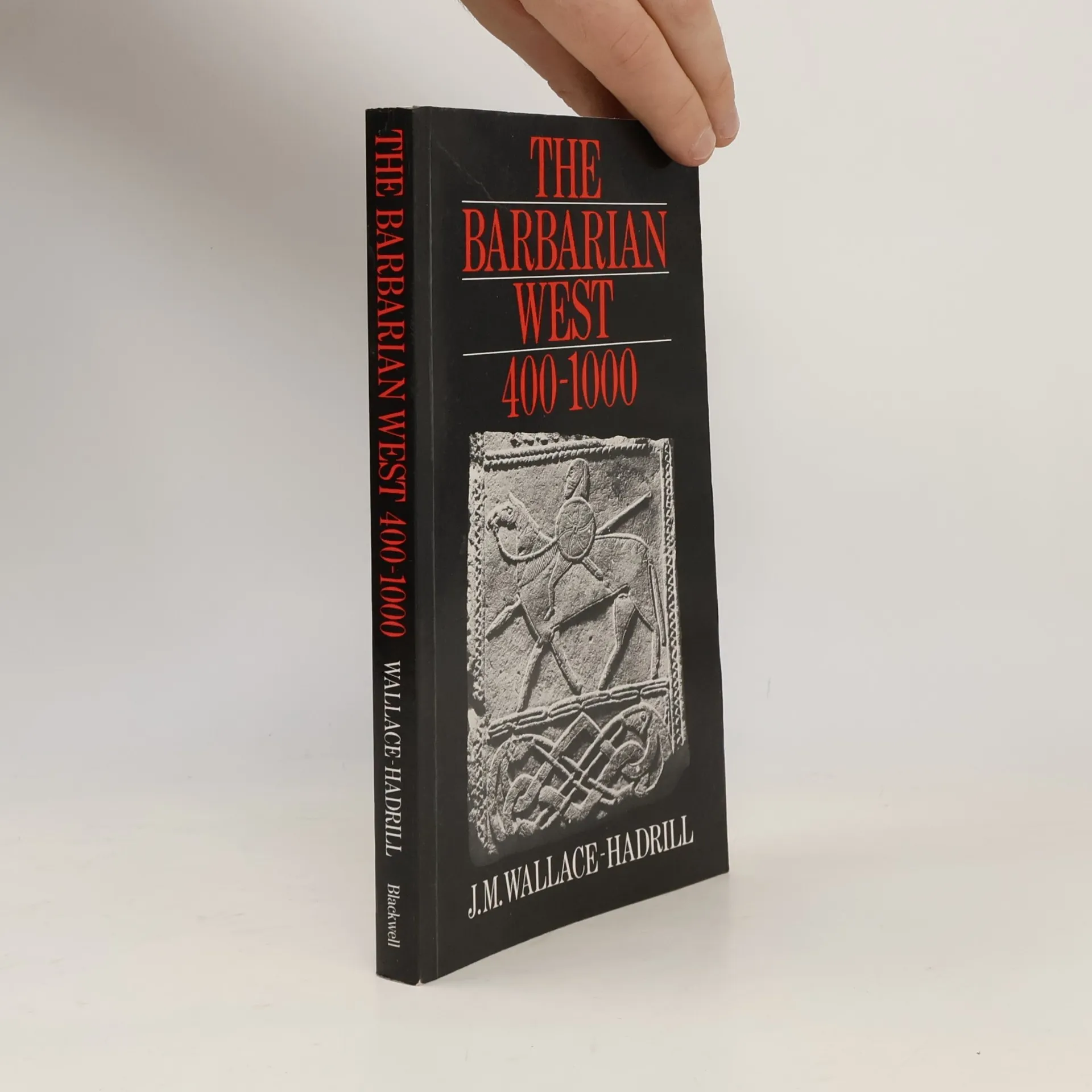
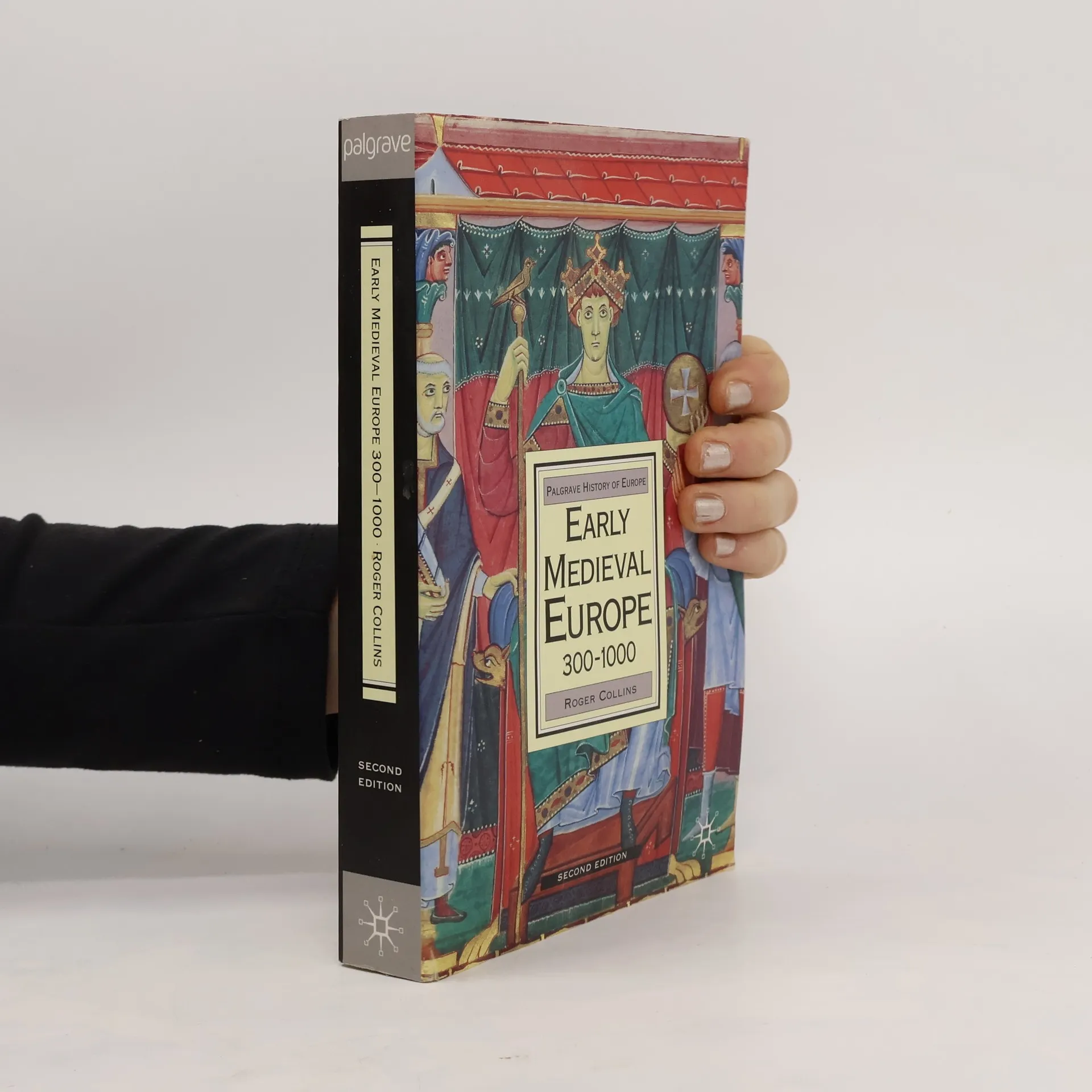
In this text the author provides an account of the centuries during which Europe changed from being an abstract geographical expression into a new, culturally coherent, if politically divided, entity. It examines how the social, economic and cultural structures of Antiquity were replaced by their medieval equivalents and also seeks to define the European context, by looking at those external forces, such as the nomadic confederacies of Central Asia and the Islamic empire of the Arabs, which helped to shape it through conflict.
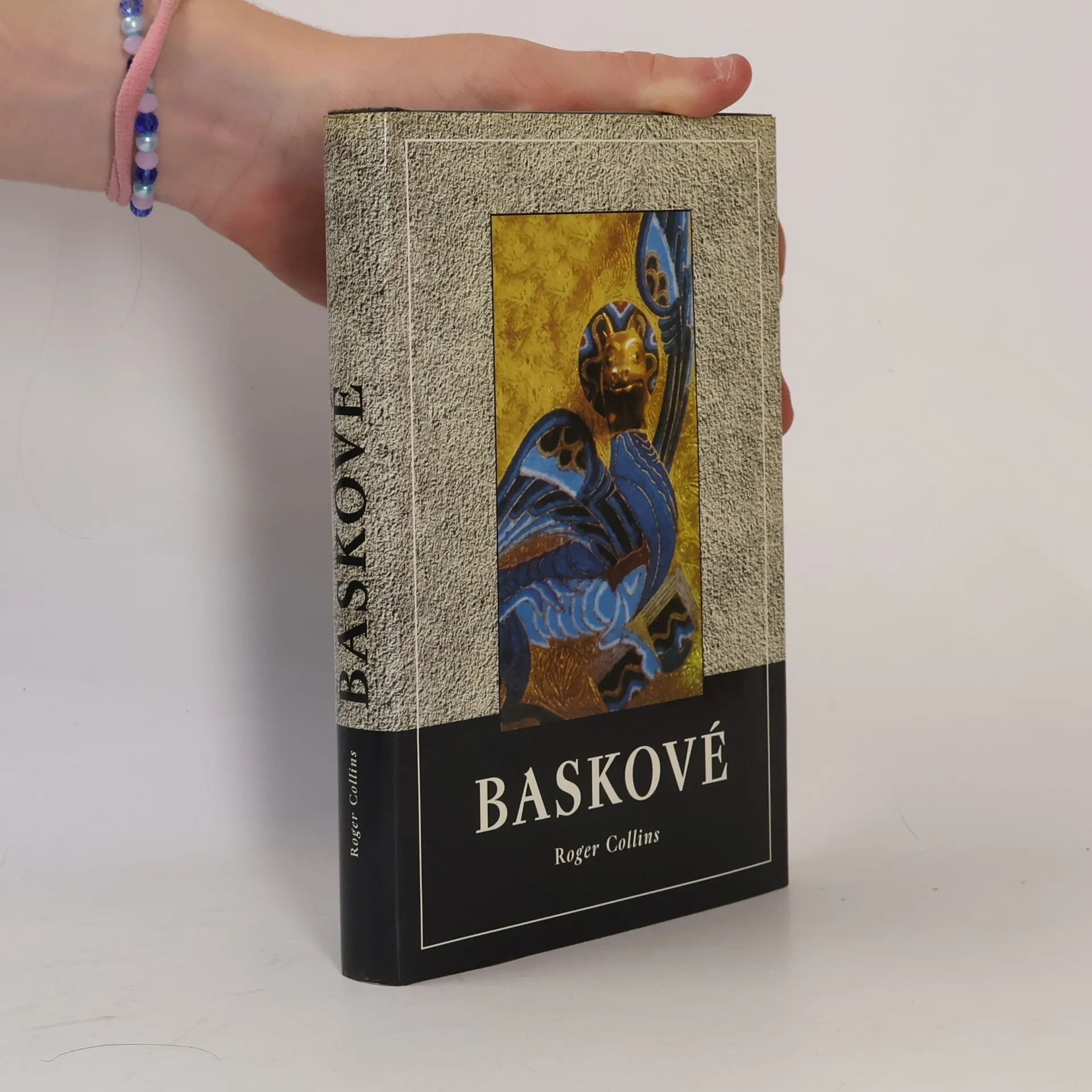
Roger Collins se ve své knize Baskové zabývá historií a původem Basků. Popisuje jejich předpokládaný původ, jazyk a historii spojenou s Římany, Germány, Franky až do vlády Anjouovců. Rozebírá i zánik fueros (vyzískaných autonomních práv), Basky v zámoří a dostane se i k současným problémům, které jsou spojené s organizací ETA.
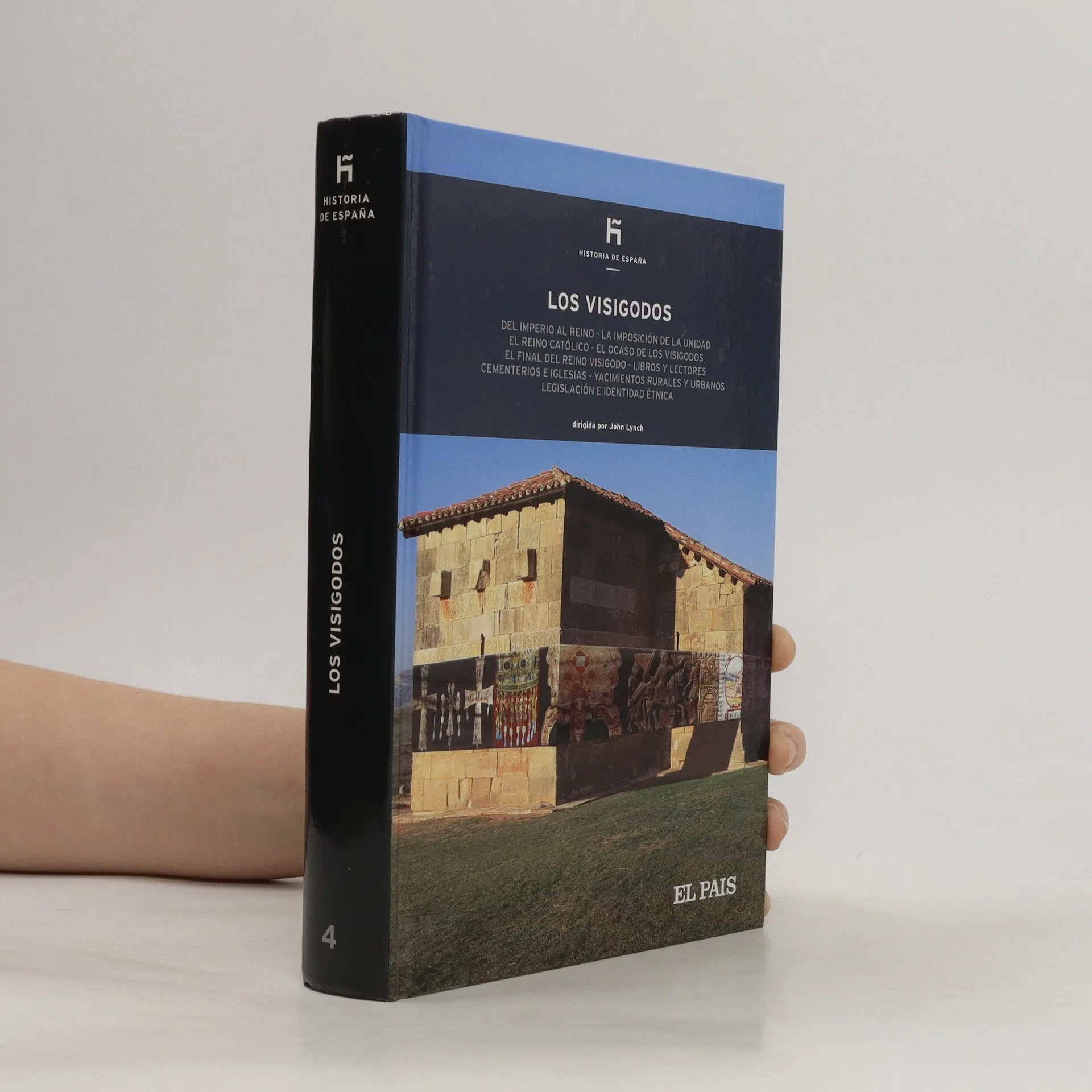
By the 4th century's end, signs of decay were cropping up in the Roman Empire. The Emperor Constantine had embraced Christianity, which weakened the imperial power of the throne. The statue of Victory, symbol of glory dating back to Augustus, was removed from the senate to placate the Christians. Unrest was spreading thru the far-flung frontiers. Two Germanic peoples--the eastern Ostrogoths & the western Visigoths--erupted & vanquished the imperial mercenaries in 378, killing the Emperor. When Alaric the Goth took Rome in 410, the mighty Empire had already withered. For the next 600 years, Goths, Huns, Franks, Saxons--all waxed & waned, both militarily & politically. This very readable comprehensive study of the various tribes, their cultures & their place in history places the violence & tumult into logical perspective.
