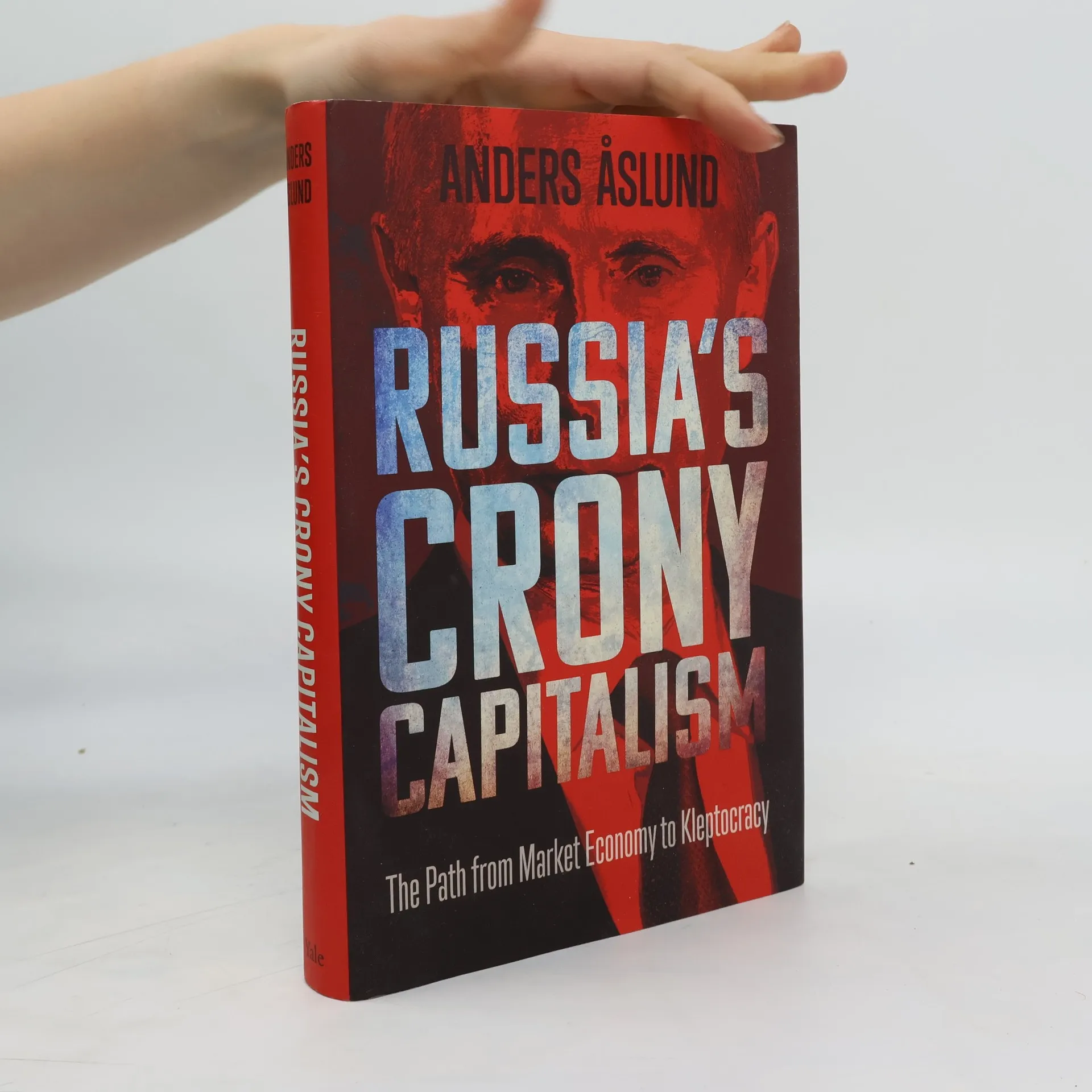
Russia's Crony Capitalism
- 336 Seiten
- 12 Lesestunden
A penetrating look into the extreme plutocracy Vladimir Putin has created and its implications for Russia's future
4,0



A penetrating look into the extreme plutocracy Vladimir Putin has created and its implications for Russia's future
Product Description: Russia projects a sense of renewed power and prominenence on the world stage; by 2020 it's expected to emerge as the fifth-largest economy in the world. Going forward, how the United States and Russia deal with each and with issues of mutual interest will have a significant impact around the globe. The Russia Balance Sheet sets forth a primer on Russia's current governmental and political infrastructure as well as its opportunity for growth. This important new book provides comprehensive, balanced, and accurate information on all key aspects of Russia and discusses what its status means for the US and other nations. To that end, the authors develop a cohesive, overarching framework that analyzes the nexus point of such areas as economic reforms and integration, domestic politics and society, foreign business partnerships, and energy demands. Based upon this foundation, the book capably suggests constructive policies for Russia and the next US administration that will take office in 2009.
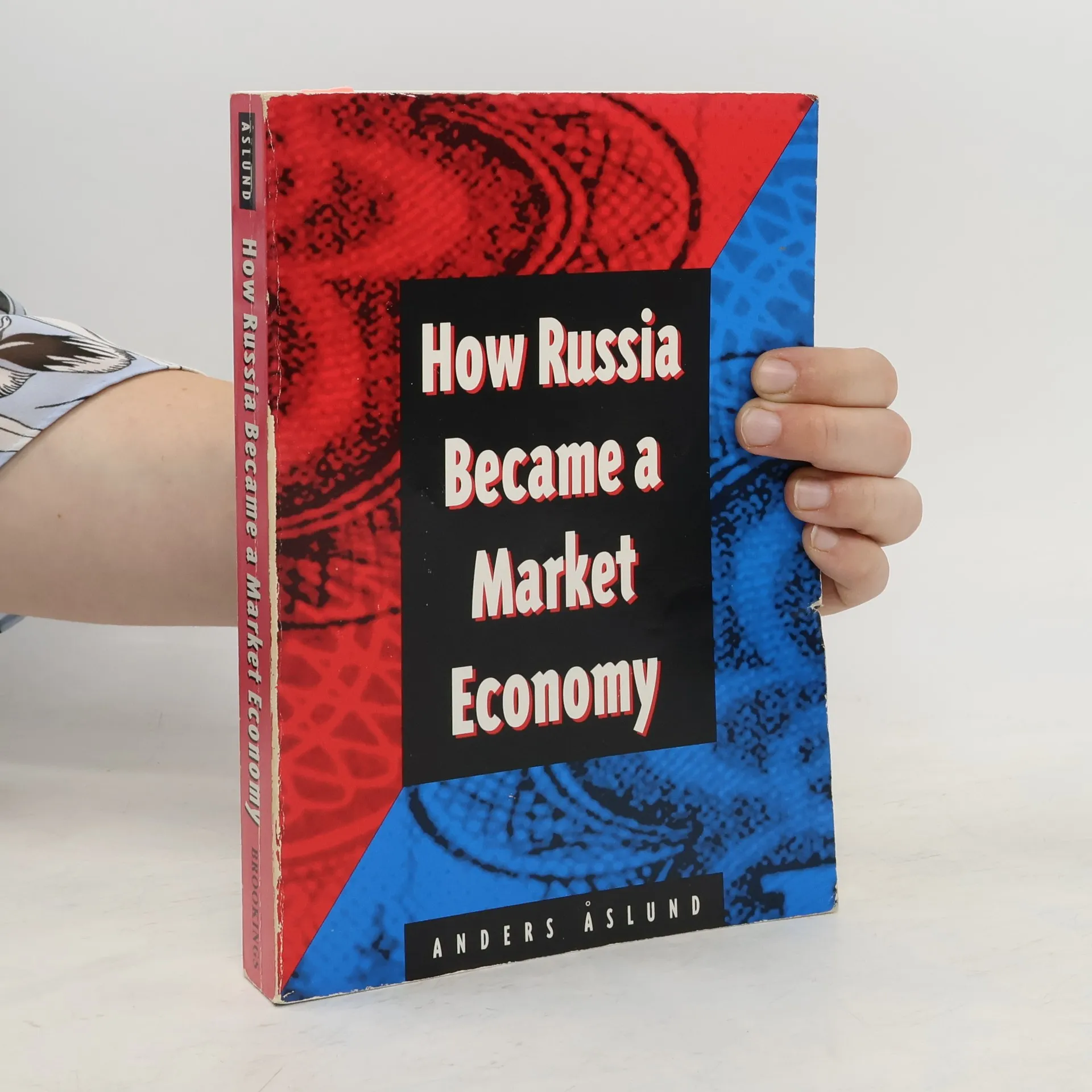
This book provides the most detailed and insightful assessment to date of the Russian transformation from a socialist economy to a market economy. As a longtime specialist on the Soviet economy and an economic adviser to the Russian government during most of this period, Aslund analyzes the original intentions of the government, what they were to accomplish, and why they fell short. According to Aslund, the Russian transformation has not been too quick, as many maintain, but rather too slow.
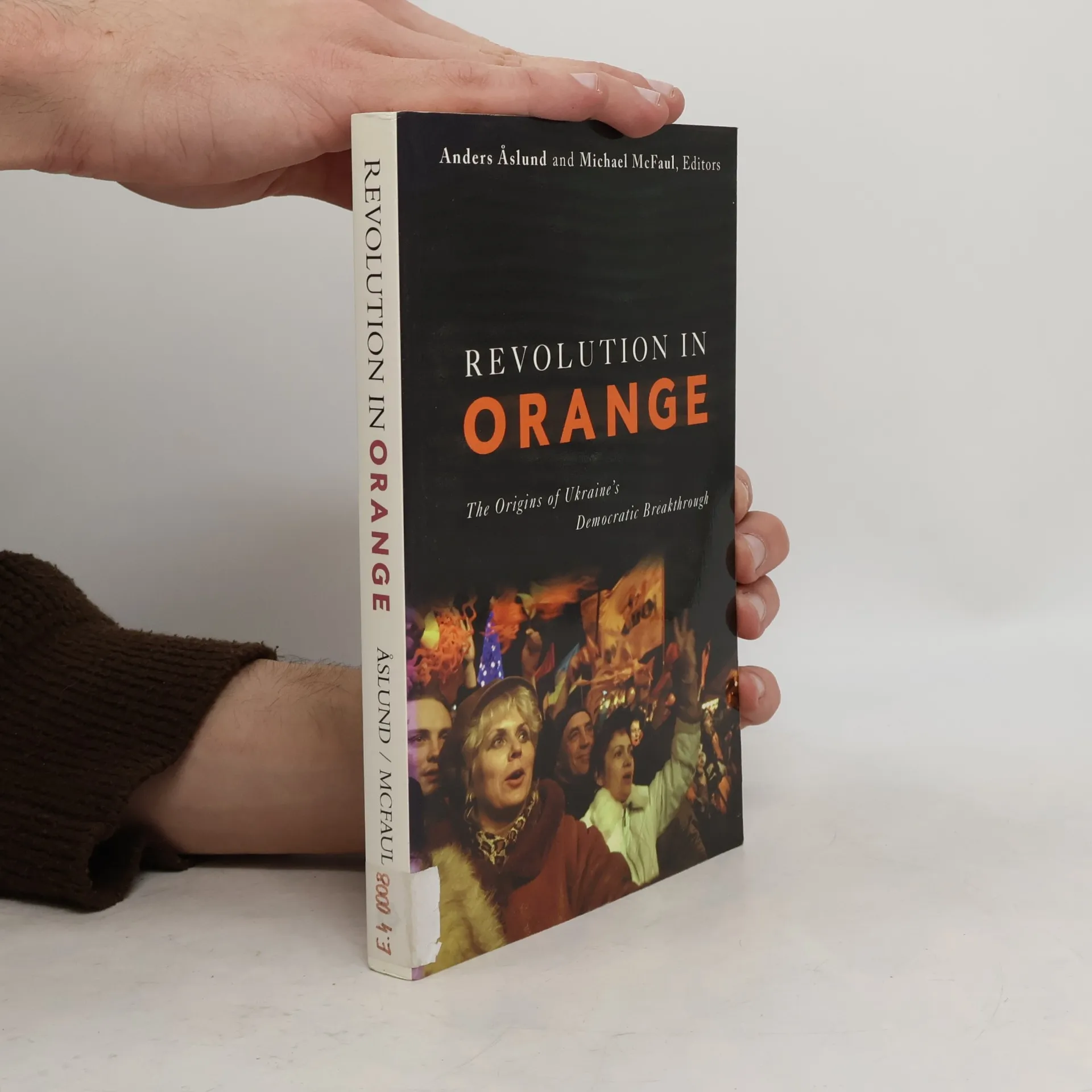
The protests and political events in Ukraine during the fall of 2004, known as the "Orange Revolution," were pivotal for both Ukrainian history and the broader context of democratization. Pro-Western presidential candidate Viktor Yushchenko faced a poisoning attempt that left him severely disfigured. When this failed, the ruling party, backed by the Kremlin, resorted to voter intimidation and electoral fraud in the runoff election. Yushchenko's supporters responded with strikes, sit-ins, and marches across the country, ultimately leading to the annulment of the election results. In a subsequent runoff, Yushchenko was elected president. This volume aims to explain the emergence of this nationwide protest movement and its significant impact, which has resonated from Kyrgyzstan to Lebanon. It distinguishes between essential and facilitating factors that contributed to the success of the Orange Revolution while challenging commonly held beliefs about critical elements of the movement. The chapters delve into the roles of former President Kuchma, oligarchs, societal attitudes, political opposition, civil society, media influence, and the involvement of Russia and the West. Contributors include experts from various institutions, providing a comprehensive analysis of this historic event.
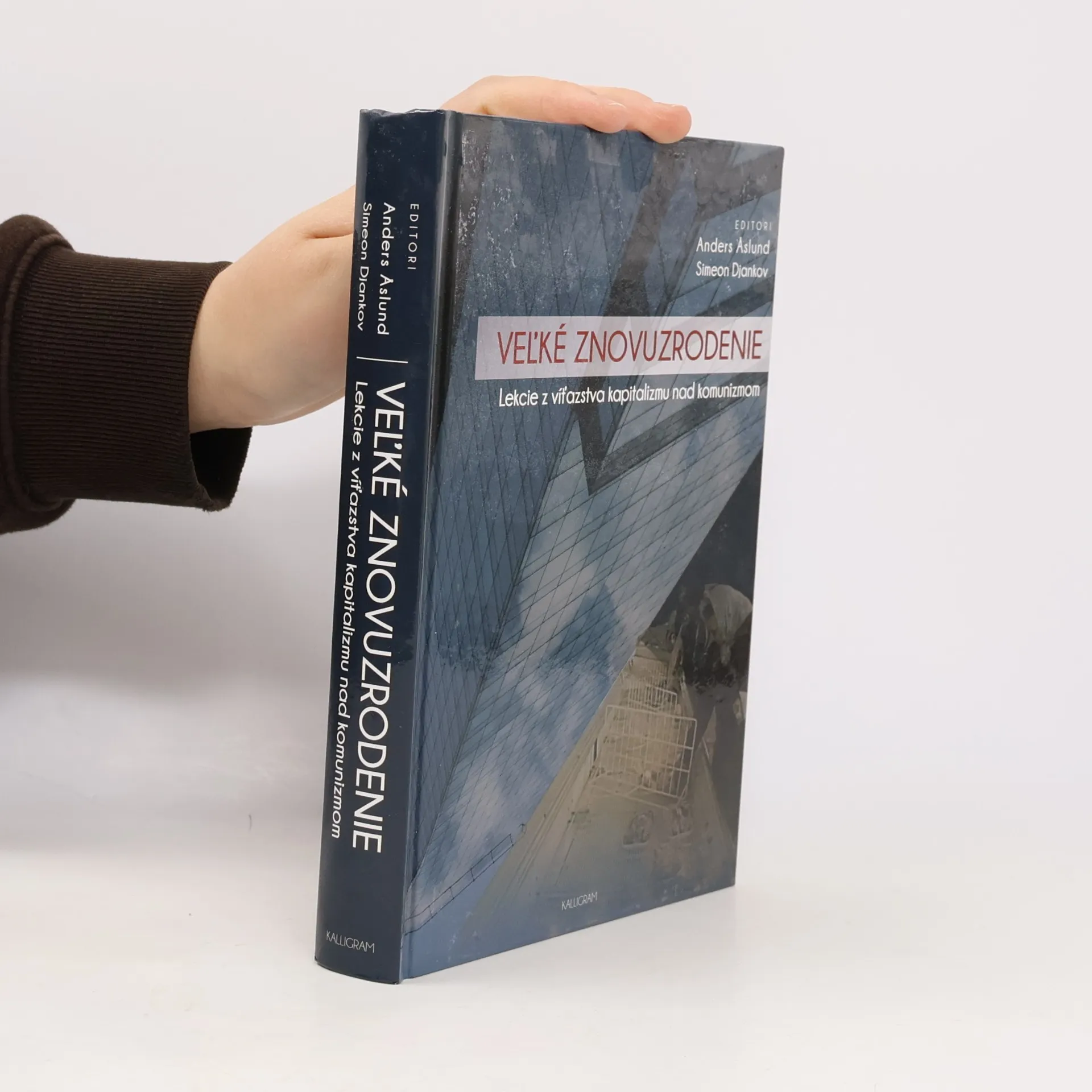
Lekcie z víťazstva kapitalizmu nad komunizmom. Pád komunizmu pred 25 rokmi zmenil politické a ekonomické prostredie vo viac ako dvadsiatich krajinách Európy a Ázie. V tejto publikácii vedúci politický činitelia, akademici a tvorcovia politík hodnotia skúsenosti získané z „veľkého znovuzrodenia“ kapitalizmu. Vyzdvihujú tie stratégie, ktoré boli v jednotlivých štátoch najúspešnejšie v procese ich prechodu na stabilné a prosperujúce trhové hospodárstva. Sú v nej však uvedené aj príklady takých krajín, v ktorých opäť prevládlo politické a ekonomické autoritárstvo. Autori štúdií dospeli k záveru, že najlepšie výsledky sa zrodili zásluhou jasných vízií lídrov a ich ochoty podniknúť odvážne kroky, vďaka privatizácii štátnych podnikov a deregulácii cien. Nedávne retardačné tendencie v Rusku a v Maďarsku však vrhajú tieň na odkaz transformácie pred štvrťstoročím. Kniha je výsledkom dvojdňového sympózia v Budapešti 6. až 7. mája 2014, na ktorom odborníci – teoretici a praktickí ekonómovia – reflektovali na minulosť, súčasnosť a budúcnosť reforiem.