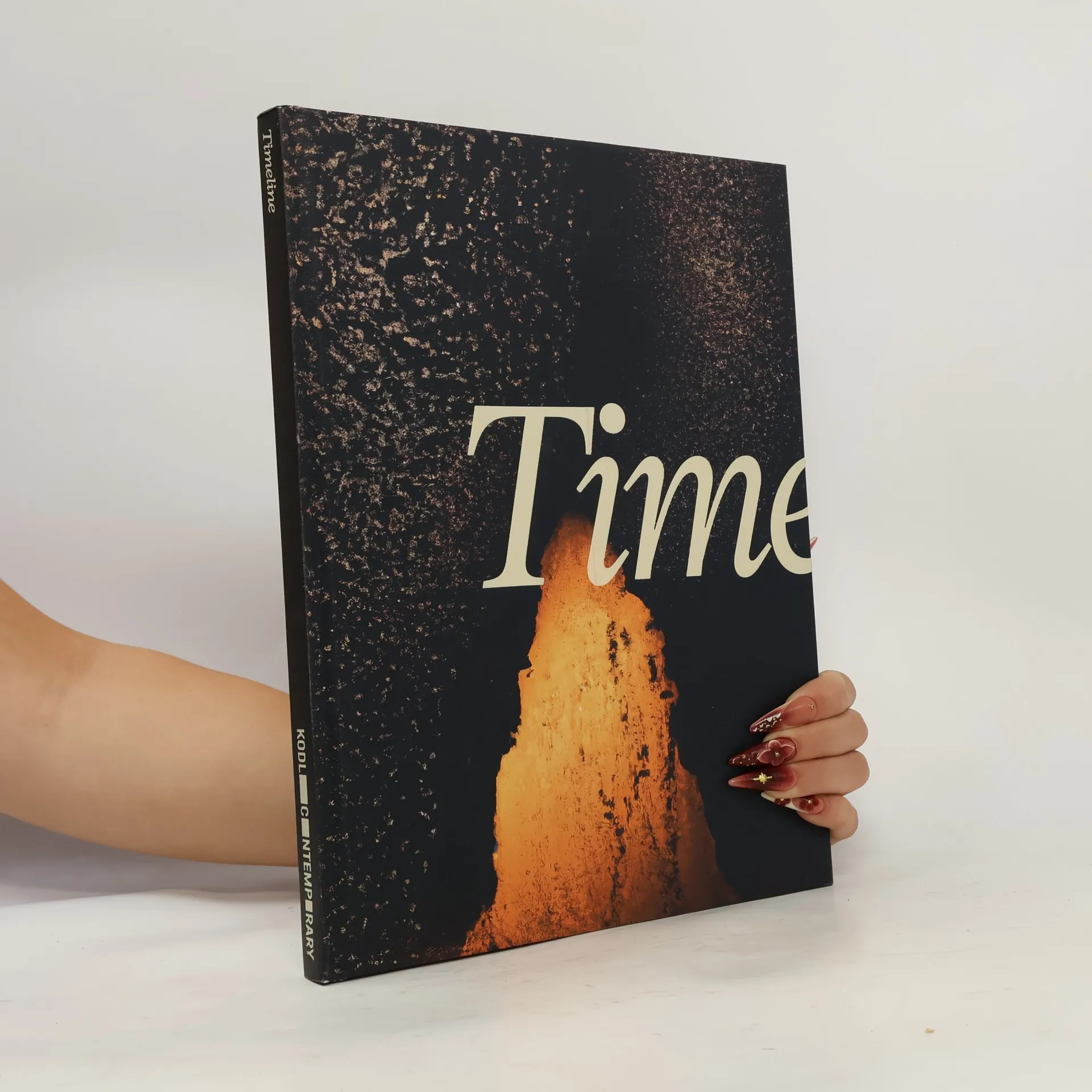
Nicolas Bourriaud Reihenfolge der Bücher (Chronologisch)
Nicolas Bourriaud ist ein führender Kurator und Kunsttheoretiker, der maßgebliche Kunstströmungen definiert hat. Sein einflussreiches Buch „Relational Aesthetics“ wurde zu einem prägenden Text für eine Generation europäischer Künstler der 1990er Jahre. Bourriaud erforscht die zeitgenössische Kunst durch Konzepte wie „Postproduktion“ und beschreibt Künstler, die mit bereits bestehenden kulturellen Formen arbeiten. Er befasst sich auch mit dem Aufkommen einer globalen Moderne, die auf Übersetzung und nomadischen Formen basiert, und stellt diese der postmodernen Ästhetik entgegen, die auf Identitäten beruht.


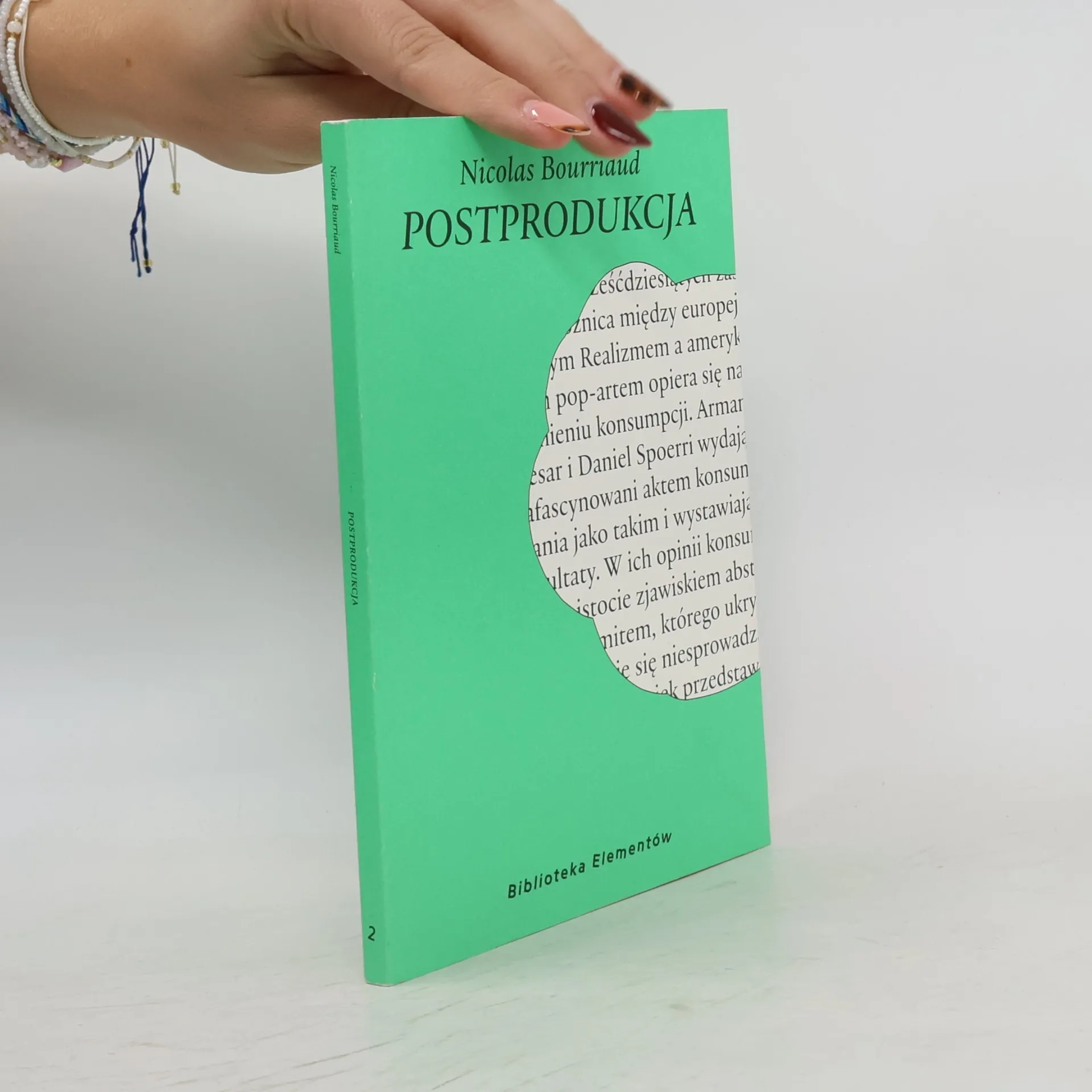
Biblioteka Elementów - 2: Postprodukcja
Kultura jako scenariusz - jak sztuka przeprogramowuje współczesny świat
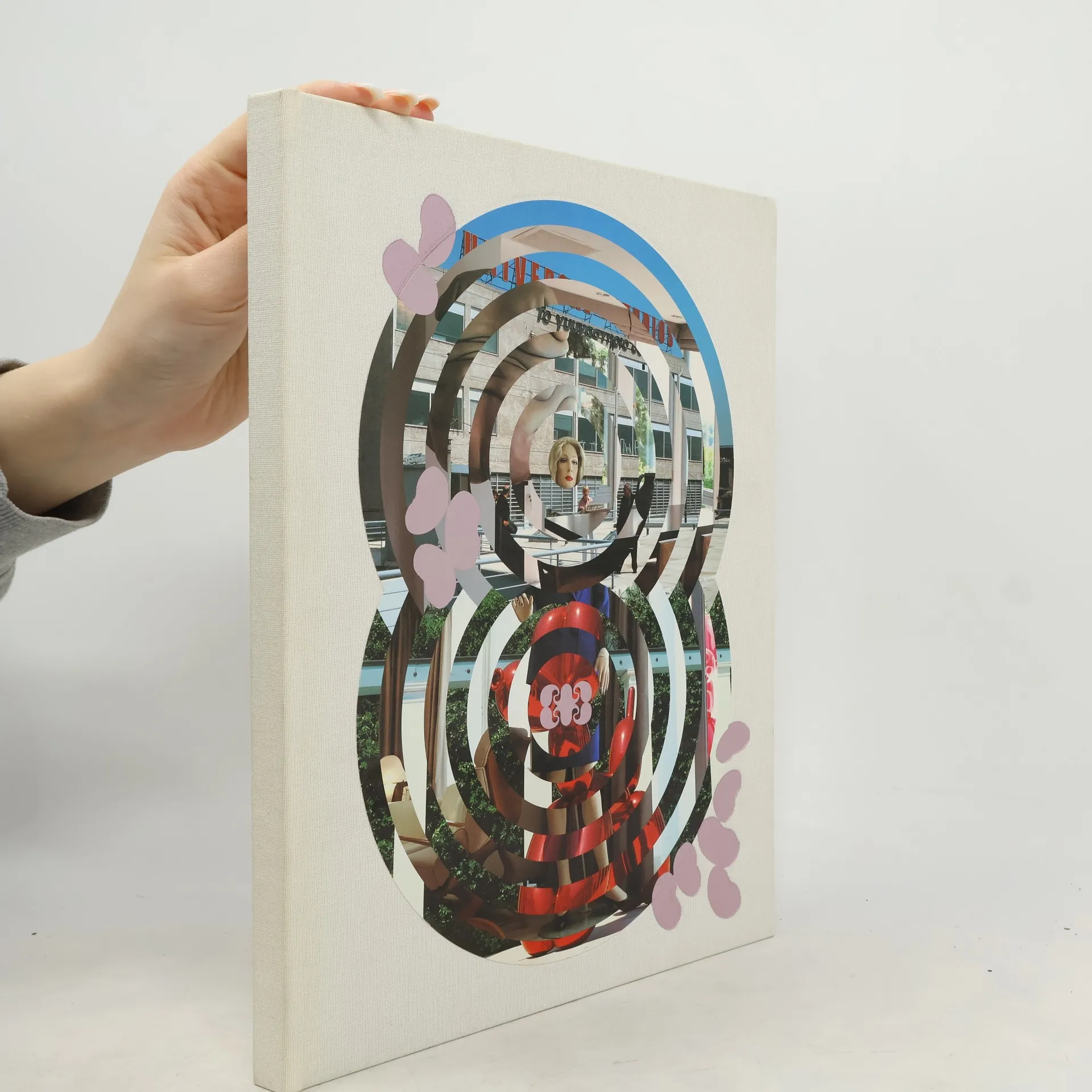
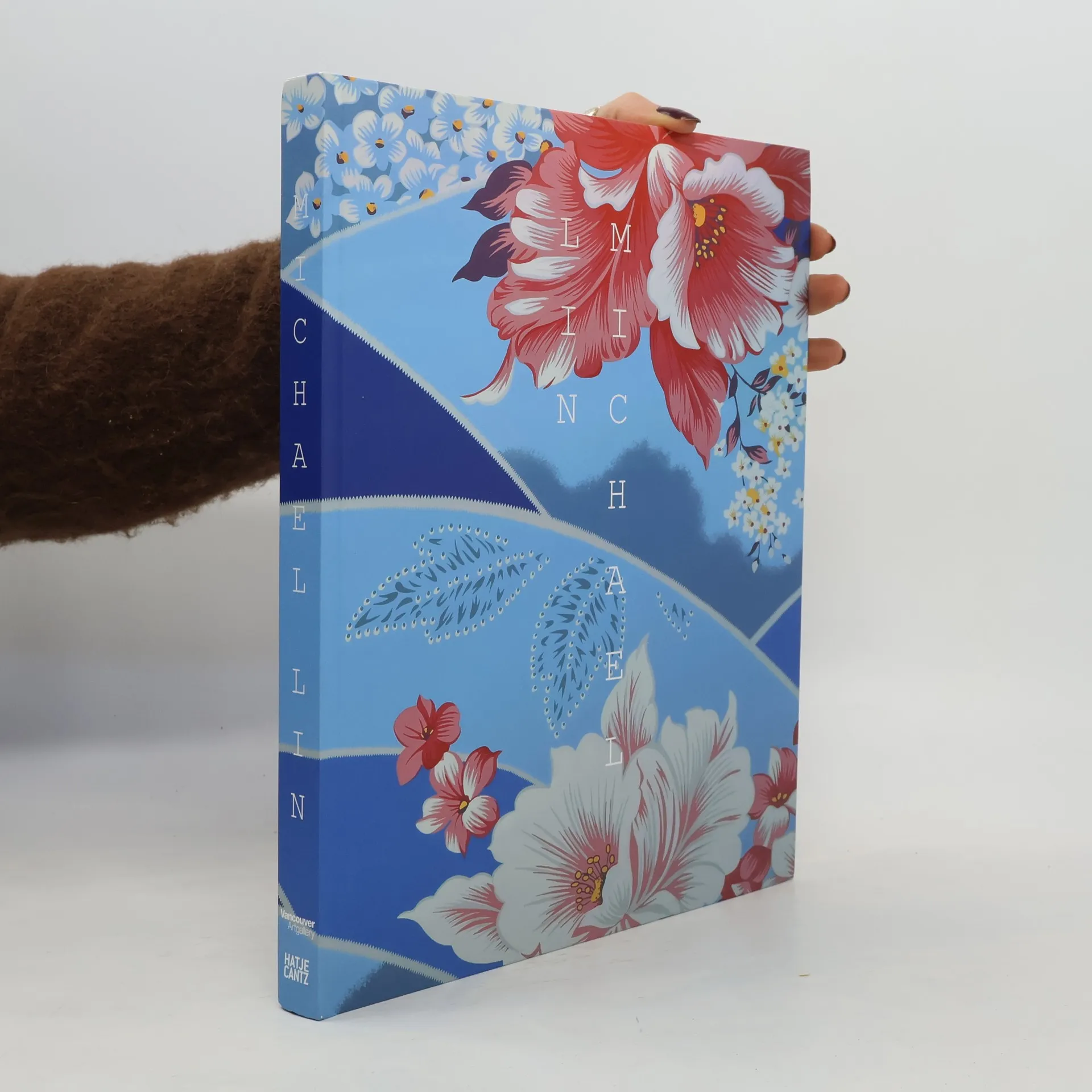
Michael Lin
- 200 Seiten
- 7 Lesestunden
"My work has moved away from the idea of a painting as an object," Michael Lin (born 1964) observes. "I'm more interested in creating a painting as a space to occupy." Lin makes painted installations that reconfigure institutional spaces with designs appropriated from Taiwanese textiles. This publication is the first comprehensive overview of his work.
The radicant
- 192 Seiten
- 7 Lesestunden
If modernity warrants a return to the origin of art, then French curatorand art critic Nicolas Bourriaud is right when he claims that this is thetime to redefine the concept of -what is modern. Our century'smodernity will be invented, precisely, in opposition to all radicalism,claims Bourriaud. So then, being radicant - from the Latin origin of- roots - means setting one's roots in motion, transplanting behaviors,and exchanging ideas rather than imposing them. Looking at the worldthrough his globalized prism of art, Bourriaud sketches a world artcriticism in which works are in constant dialog with the context fromwhich they reproduced.
Postproduction
- 96 Seiten
- 4 Lesestunden
The French writer Nicolas Bourriaud discusses how, since the early nineties, an ever increasing number of artworks have been created on the basis of preexisting works; more and more artists interpret, reproduce, re-exhibit, or use works made by others or available cultural products. This art of postproduction seems to respond to the proliferating chaos of global culture in the information age, which is characterized by an increase in the supply of works and the art worlds annexation of forms ignored or disdained until now. First published in 2002, this 2nd edition contains a new foreword where the author reflects on how the art of postproduction developed over the last couple of years.Nicolas Bourriaud is the co-director of the Palais de Tokyo in Paris. His previous books include Lère tertiaire (Flammarion), Ésthétique relationnelle (Presses du réel), and Formes de vie (Denoël).
Frequencies [Hz]
audiovisuelle Räume = Frequencies (Hz) : audio-visual spaces
- 208 Seiten
- 8 Lesestunden
Beyond the scope of the defining non-material characteristics of sound, sound becomes a formal material, a kind of audible sculpture accompanied by discourse on its constructive, societal, philosophical, and emotional aspects. At least, it does for the contemporary artists represented in Frequencies [HZ], each of whom works with sound within the context of visual art--Angela Bulloch, Farmersmanual, Ryoji Ikeda, Daniel Pflumm, Ultra-red, Mika Vainio, and others. With an audio CD ingeniously integrated into the book's cover design, and reproductions of sculptural and visual art, as well as specific, often minimalistic installations and interventions which employ sound or electronic experiments with sound, Frequencies [HZ] explores how sound impacts upon the perception of architecture and otherwise influences the components of individual experience. Participating artists reflect on the institutional context and the situation that evolves between the work of art and the viewer.
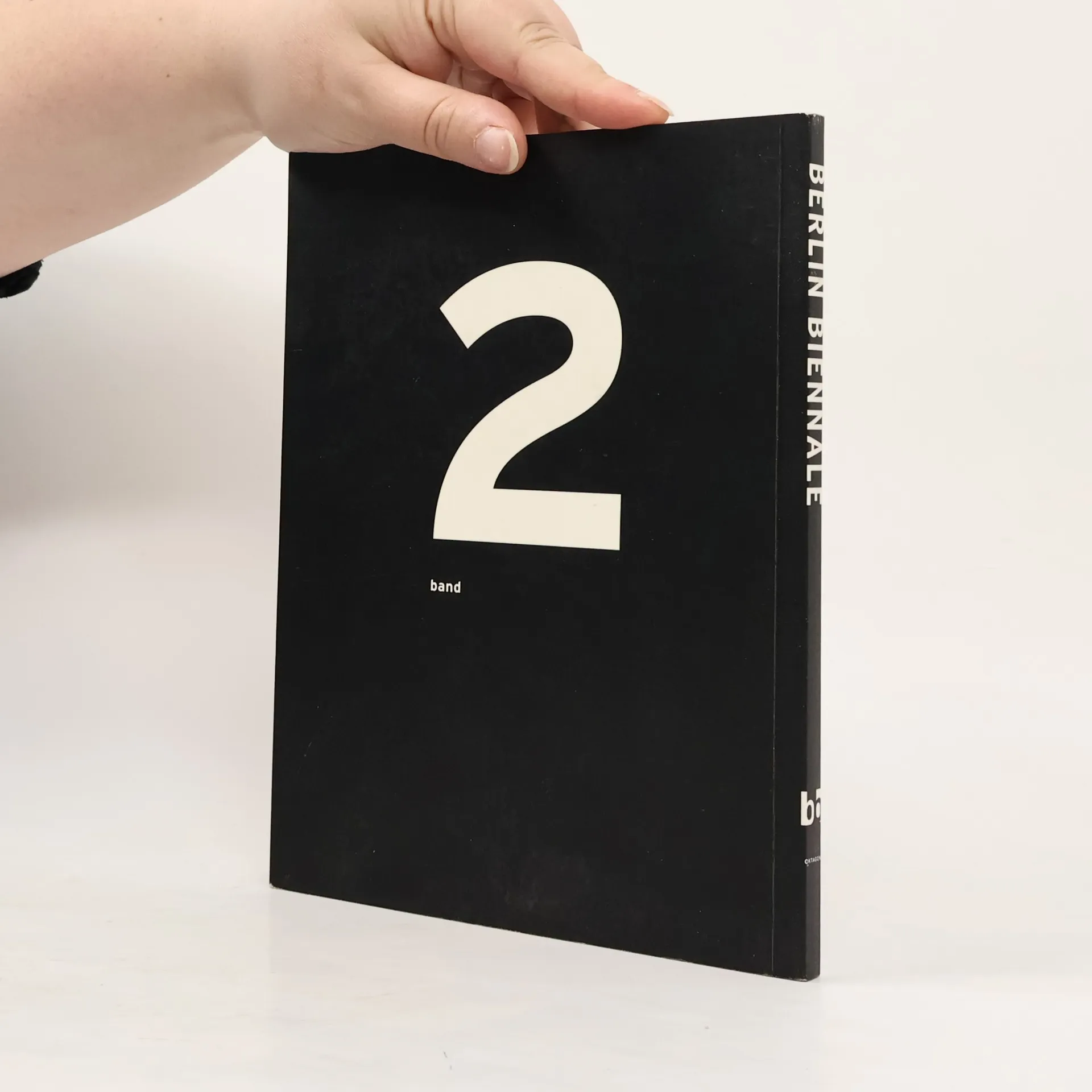
2. Berlin-Biennale 2001
- 484 Seiten
- 17 Lesestunden
This two-volume catalog offers essays, artist texts, and interviews, as well as documentation of every installation included in the Berlin Biennale. Featured artists include Carlos Amorales, Joseph Grigely, Inka Essenhigh, Aernout Mik, Jonathan Ocampo, Surasai Monk, Alicia Framis, Liam Gillick, and Renee Green.Edited by Saskia Bos. Essays by Daniel Birnbaum, Saskia Bos, Nicolas Bourriaud and Annie Fletcher. Artists Carlos Amorales, Fiona Banner, Parastou Forouhar, Alicia Framis, Kendell Geers, Liam Gillick, Renee Green, Joseph Grigely, Christian Jankowski, Aernout Mik, Adi Rosenblum, Manuel Ocampo, Tsuyoshi Ozawa, Dan Peterman, Rosangela Renno, Anri Sala and Fred Tomaselli. 15 x 10.25 in.160 color illustrations
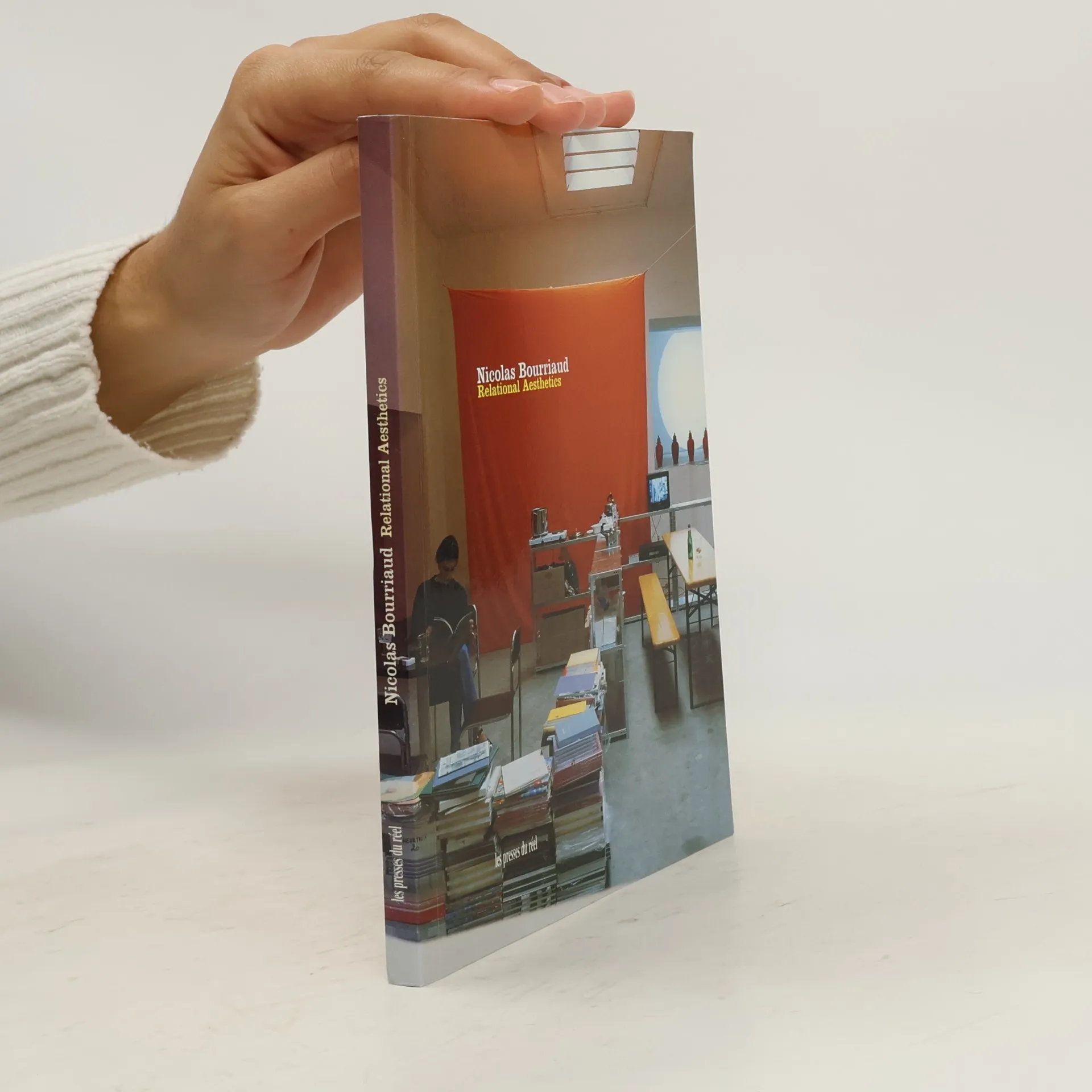
Relational Aesthetics
- 125 Seiten
- 5 Lesestunden
Where does our current obsession for interactivity stem from? After the consumer society and the communication era, does art still contribute to the emergence of a rational society? Nicolas Bourriaud attempts to renew our approach toward contemporary art by getting as close as possible to the artists' works, and by revealing the principles that structure their thoughts: an aesthetic of the inter-human, of the encounter; of proximity, of resisting social formatting. The aim of his essay is to produce the tools to enable us to understand the evolution of today's art. We meet Felix Gonzalez-Torres and Louis Althusser, Rirkrit Tiravanija or Félix Guattari, along with most of today's practising creative artists.