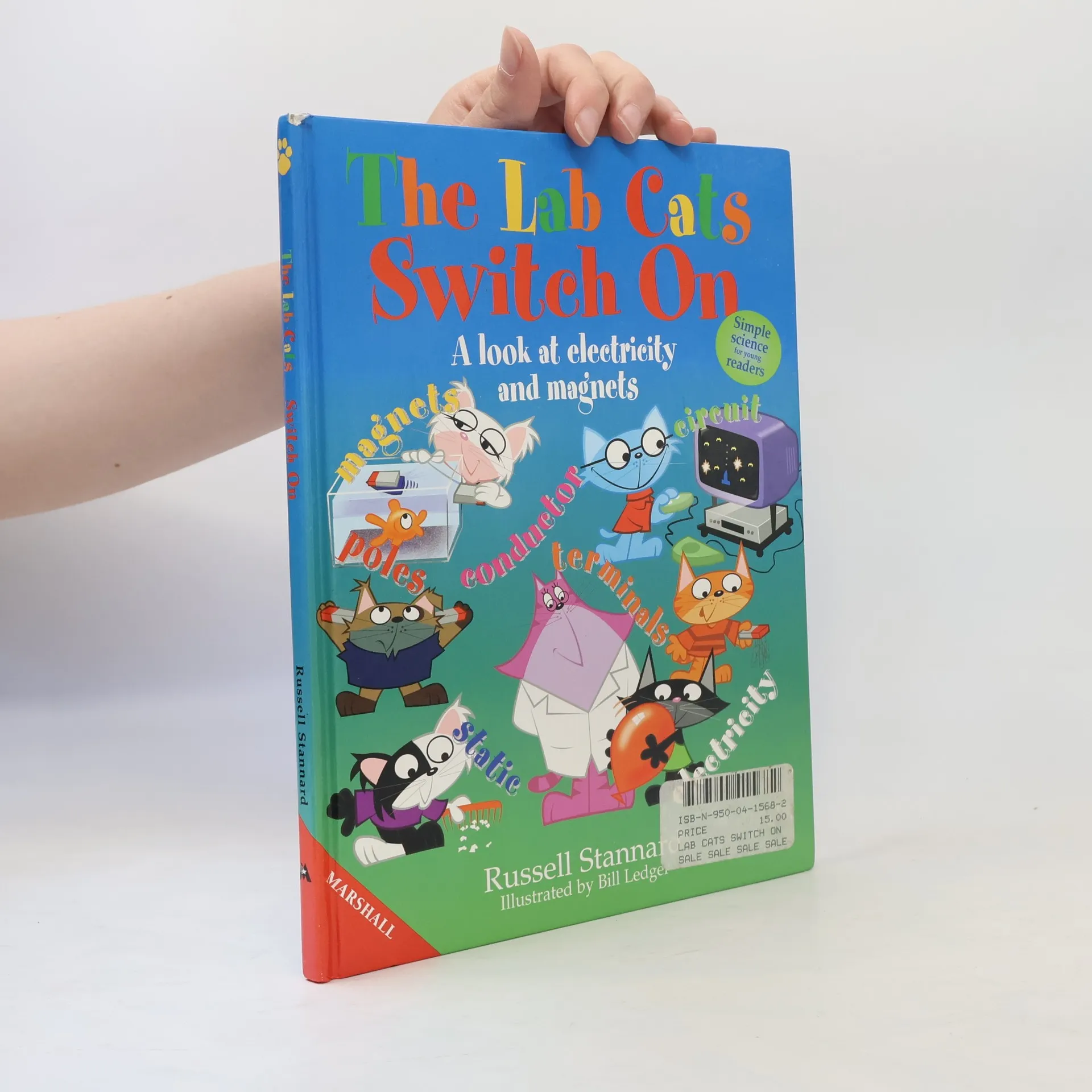
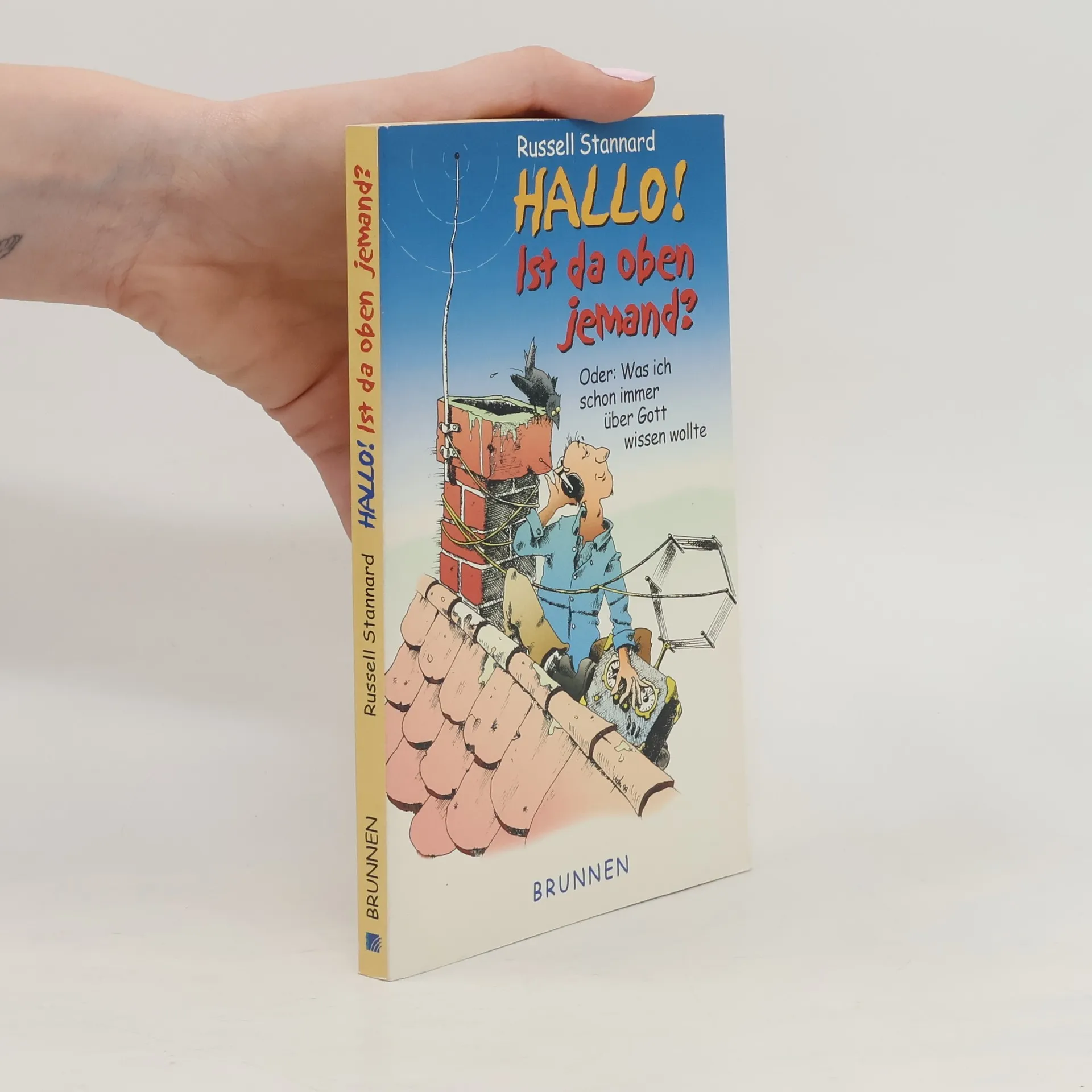
Russell StannardReihenfolge der Bücher (Chronologisch)
24. Dezember 1931 – 4. Juli 2022
Russell Stannard ist ein pensionierter Physiker, dessen Werk sich mit den tiefgreifenden Verbindungen zwischen Wissenschaft und Spiritualität beschäftigt. Seine Schriften zielen darauf ab, ein tieferes Verständnis des Universums zu fördern, indem sie komplexe wissenschaftliche Konzepte mit Klarheit und Einsicht erforschen. Stannards einzigartiger Ansatz überbrückt die scheinbare Kluft zwischen empirischem Wissen und existenziellen Fragen und bietet den Lesern eine zum Nachdenken anregende Perspektive auf unseren Platz im Kosmos. Seine Beiträge unterstreichen das Potenzial der Wissenschaft, unsere Wertschätzung für die Welt und ihre Geheimnisse zu bereichern.
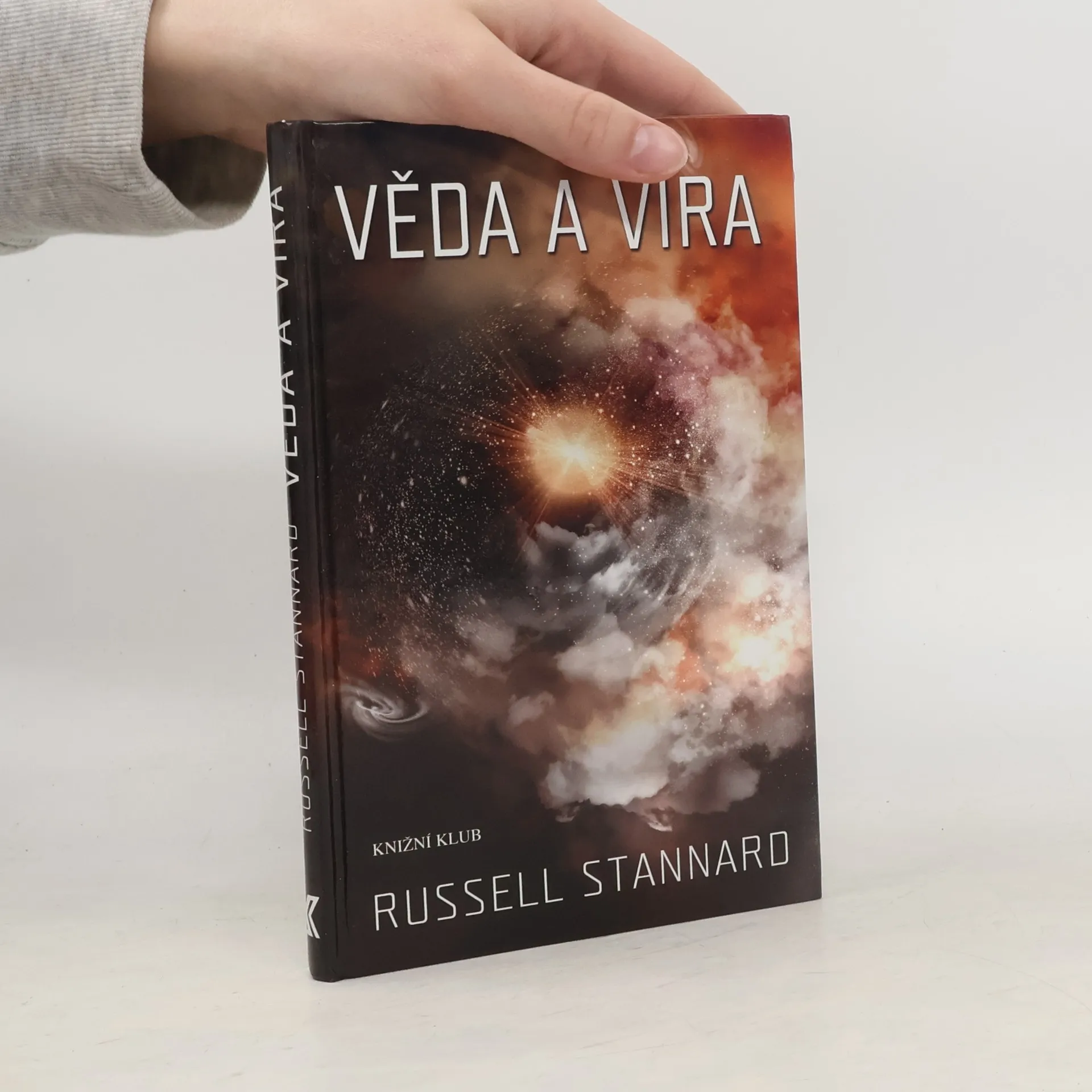
Mnoho lidí se dnes snaží najít kompromis mezi náboženstvím a nejnovějšími vědeckými poznatky. Věda a víra se zabývá zásadními otázkami, které tyto dvě oblasti zdánlivě rozdělují. Autor se věnuje problémům stvoření, evoluce, inteligentního designu, mimozemské inteligence, psychologie, morálky, zázraků a antropického principu a ke každému z nich předkládá jasné a srozumitelné argumenty pro a proti, nahlíží na ně z nejrůznějších úhlů pohledu tak, aby si čtenář mohl sám utvořit úsudek.
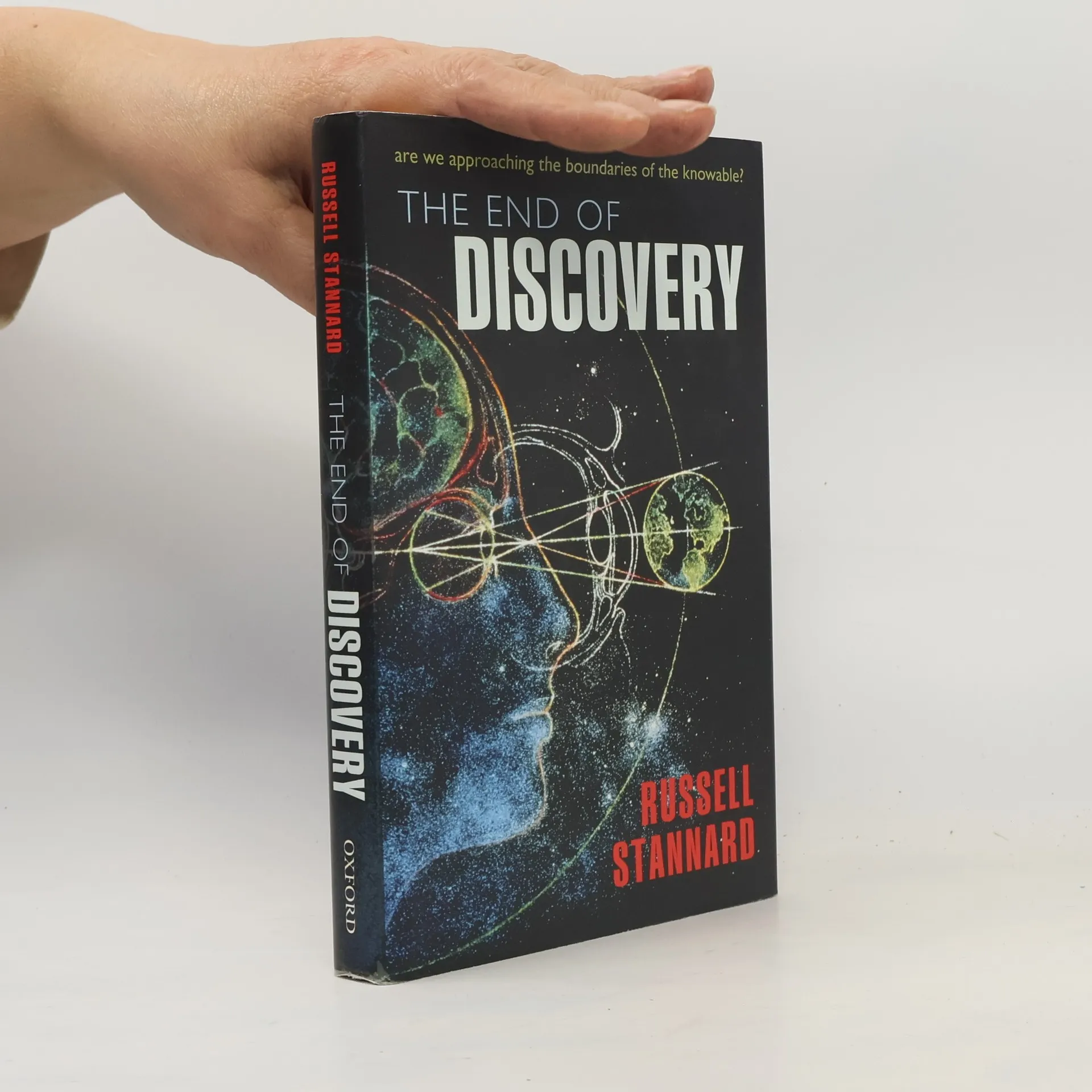
Are We Approaching the Boundaries of the Knowable?
228 Seiten
8 Lesestunden
Many scientists assert that scientific thinking will eventually lead to a complete understanding of everything. However, Russell Stannard, a prominent high-energy physicist, strongly disagrees. He argues that fundamental science will eventually reach its explanatory limits, marking the end of the scientific age, similar to the stone and iron ages. To illustrate the boundaries of scientific understanding, Stannard explores profound questions in science today, such as consciousness, free will, the nature of space and time, and the existence of extraterrestrial life. He notes that understanding the subatomic world requires particle accelerators, and to grasp the tiniest units of nature, an accelerator the size of a galaxy would be needed. Without a new approach, we may never fully comprehend the universe's basic building blocks. Stannard remains hopeful that some questions will be answered, but acknowledges that certain puzzles may remain unsolved indefinitely, often without our awareness of having reached an insurmountable barrier. While he assures us that scientific knowledge will continue to find new applications and technology will advance, he contends that the quest for fresh discoveries about how the world works must ultimately come to a halt.
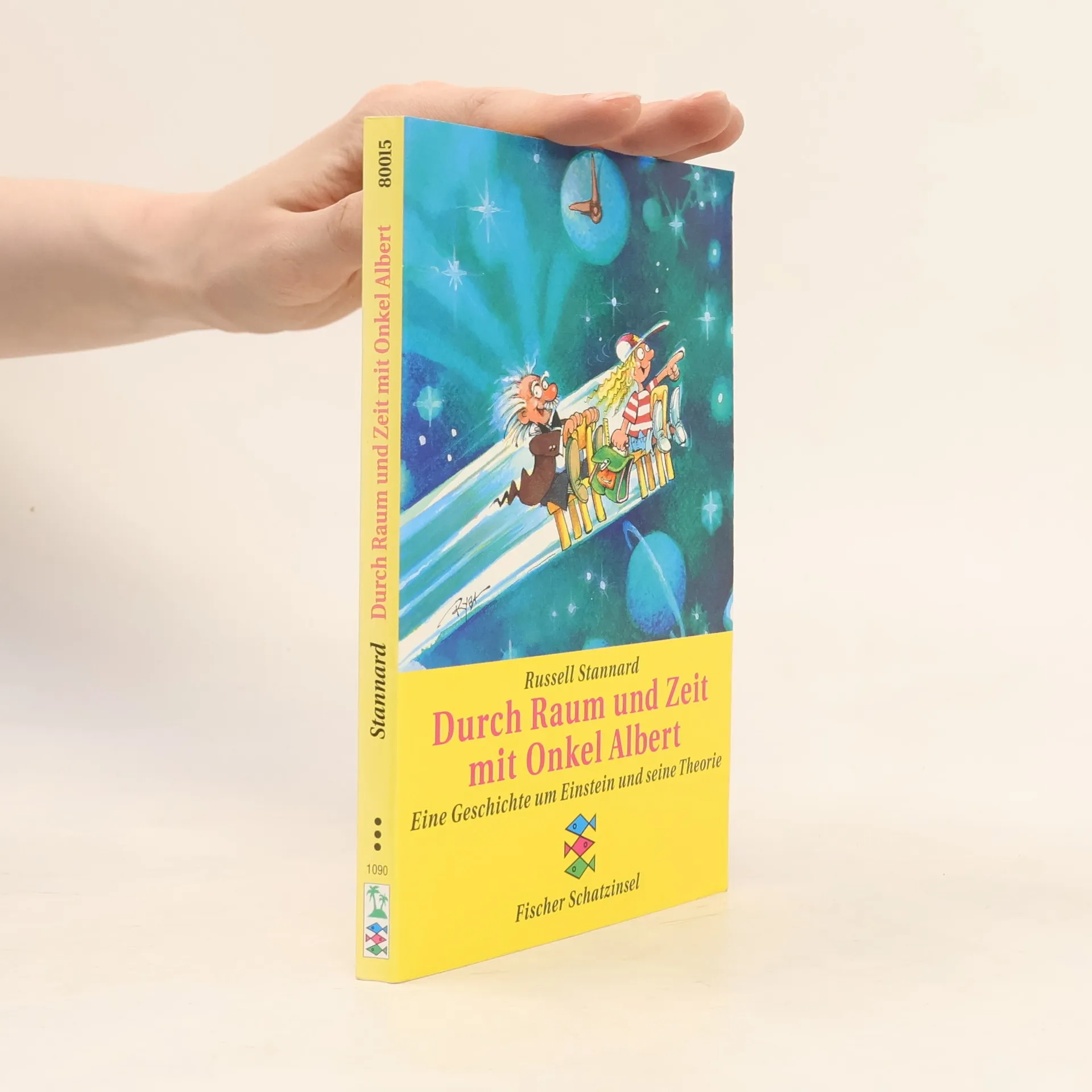
Wir alle glauben, dass wir im selben dreidimensionalen Raum leben, dass die Zeit für jeden gleich schnell vergeht und dass die Summe der Winkel in einem Dreieck immer 180° beträgt. Doch Einsteins Relativitätstheorie hat alle diese ›Wahrheiten‹ in Frage gestellt. Es gibt Umstände, unter denen sich jede von ihnen als falsch erweist. Ausgehend von alltäglichen Beobachtungen und den Ergebnissen einfachster Experimente führt Russell Stannard in die spannende Materie ein.
Who will solve the riddle of the quantum? Join Uncle Albert's niece Gedanken
as she drinks from the magic bottle and shrinks down into the tiny world of
jumping quarks and electrons. Help her and the White Rabbit explore a
wonderland of light and matter where nothing is what it seems. Even today
scientists remain baffled by their discoveries!
This book traces the growth of English literary criticism from its origins to the present. It has a supplementary introduction to the concepts of structuralism, reader response criticism, and deconstructive theory and practice.
The workbook provides additional grammar exercises and further vocabulary practice. It also contains a complete writing syllabus linked to the language and situations in the student's book.
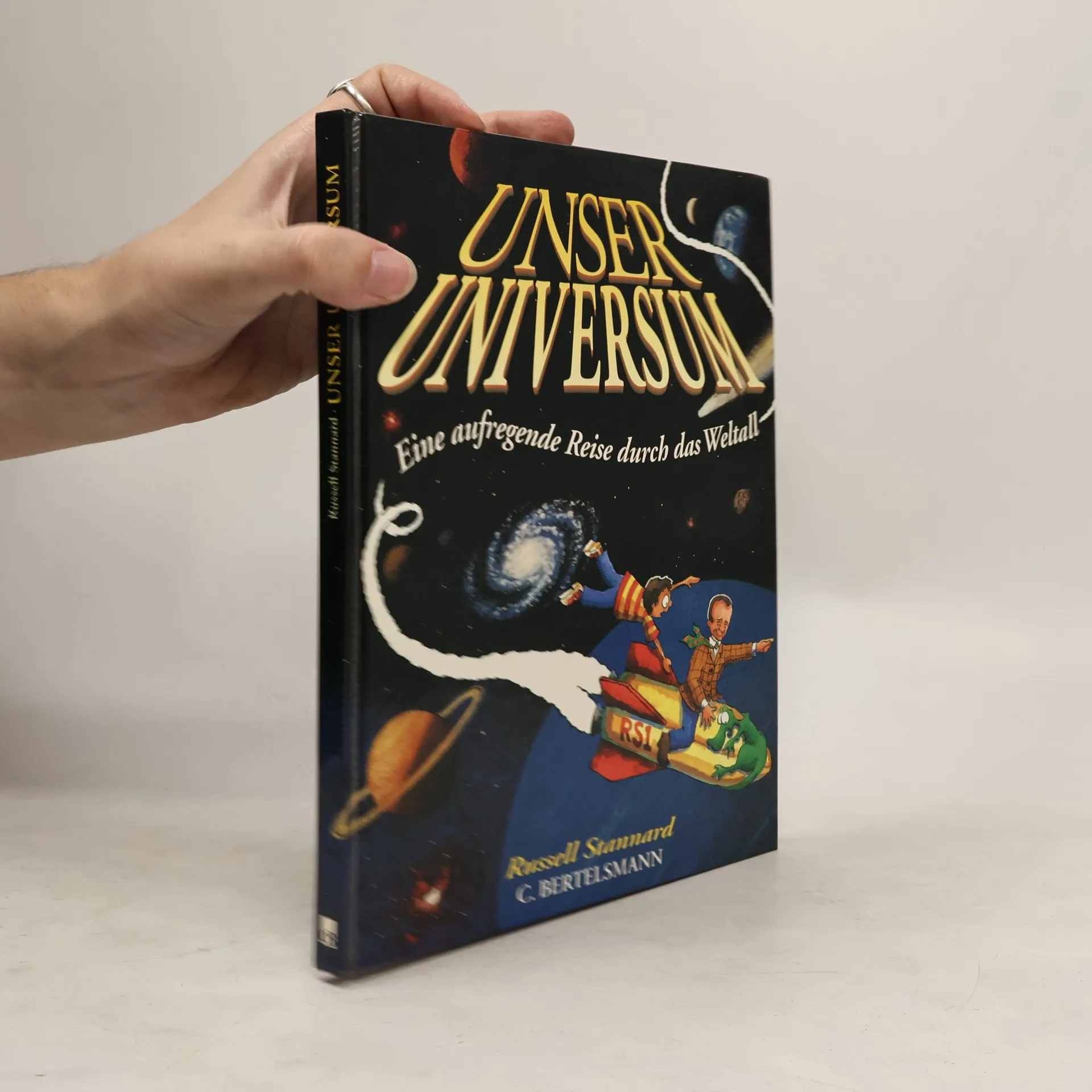
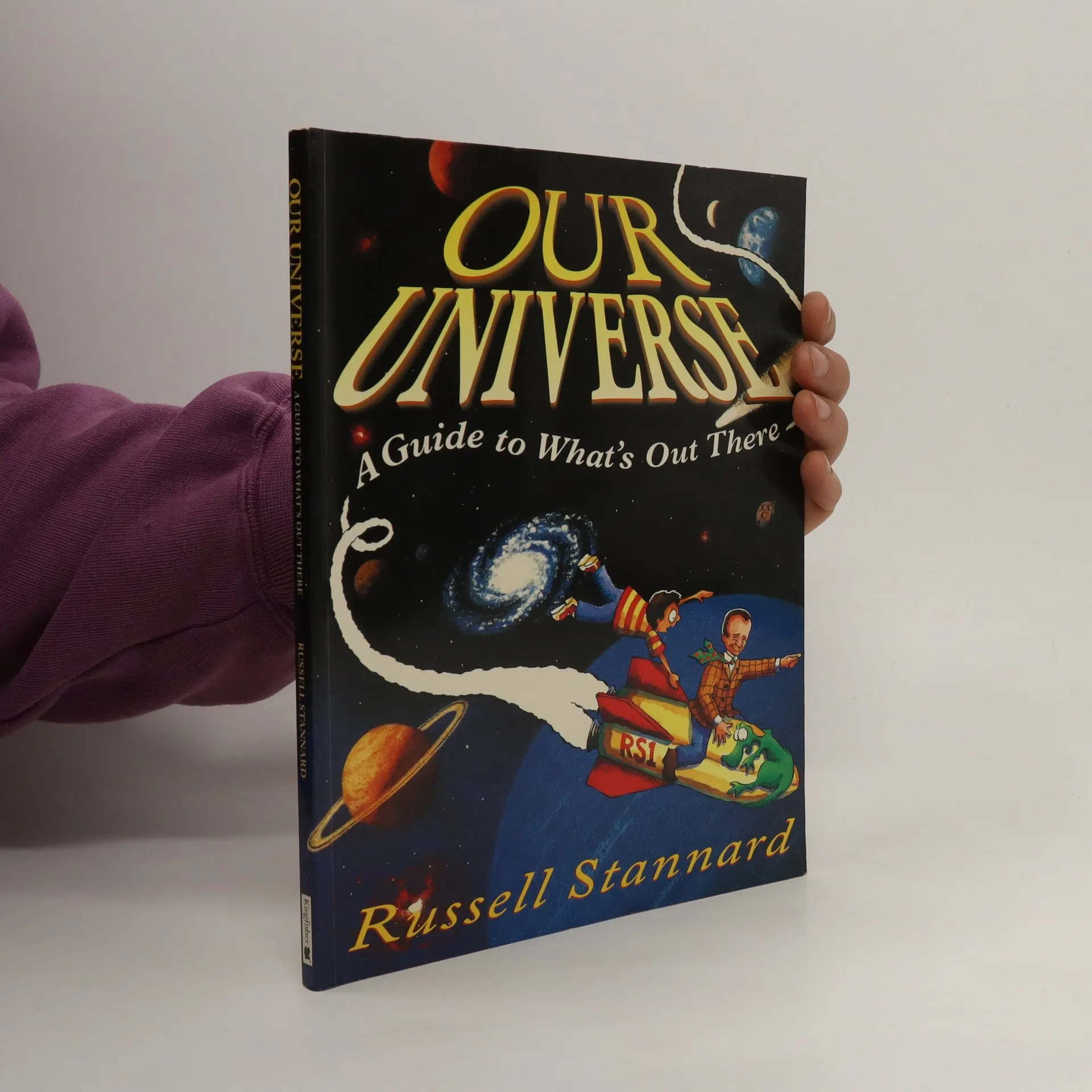
Book Two in the bestselling Uncle Albert science/adventure series. Uncle
Albert and his intrepid niece Gedanken make some astonishing discoveries when
they set out on their next mission: to investigate the universe .
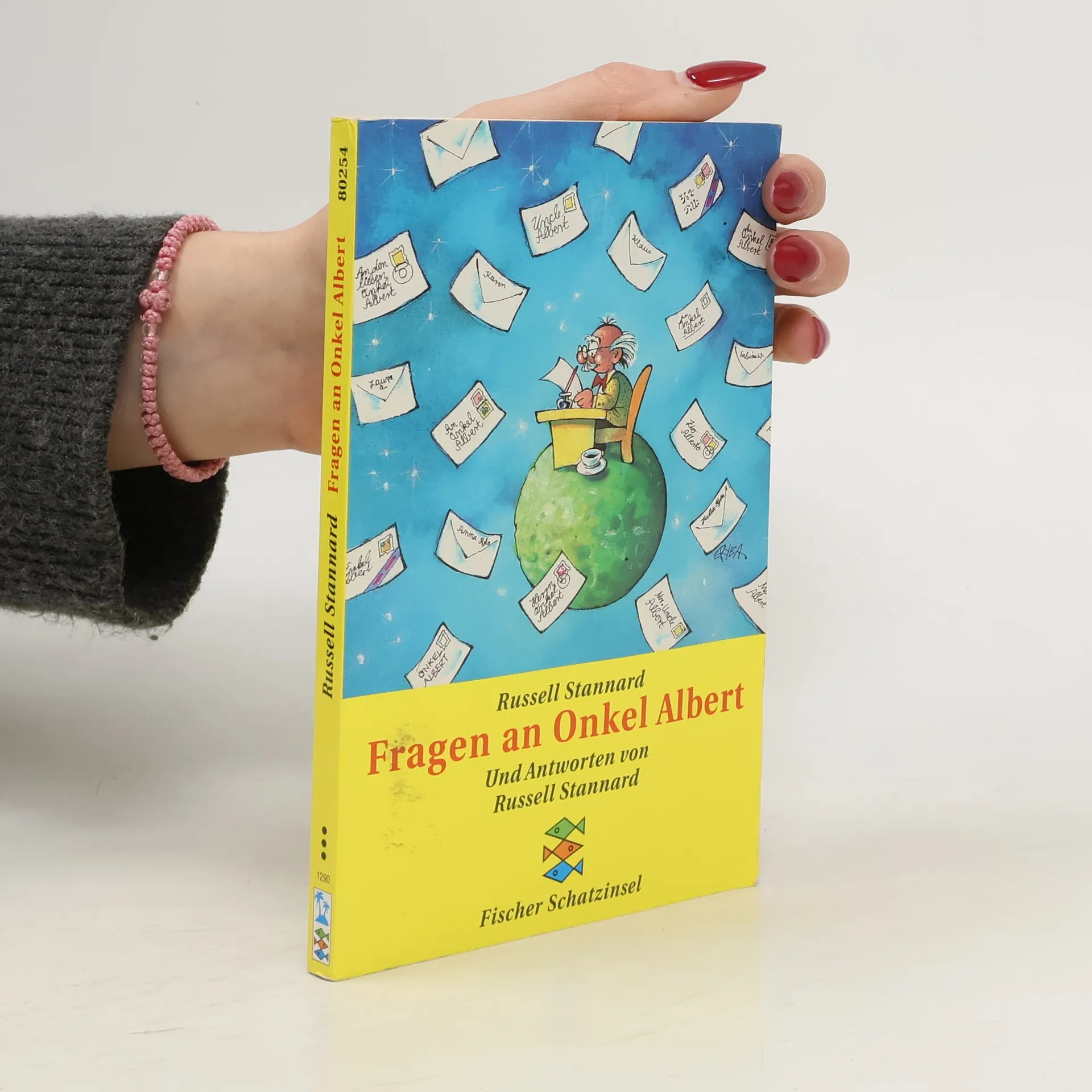
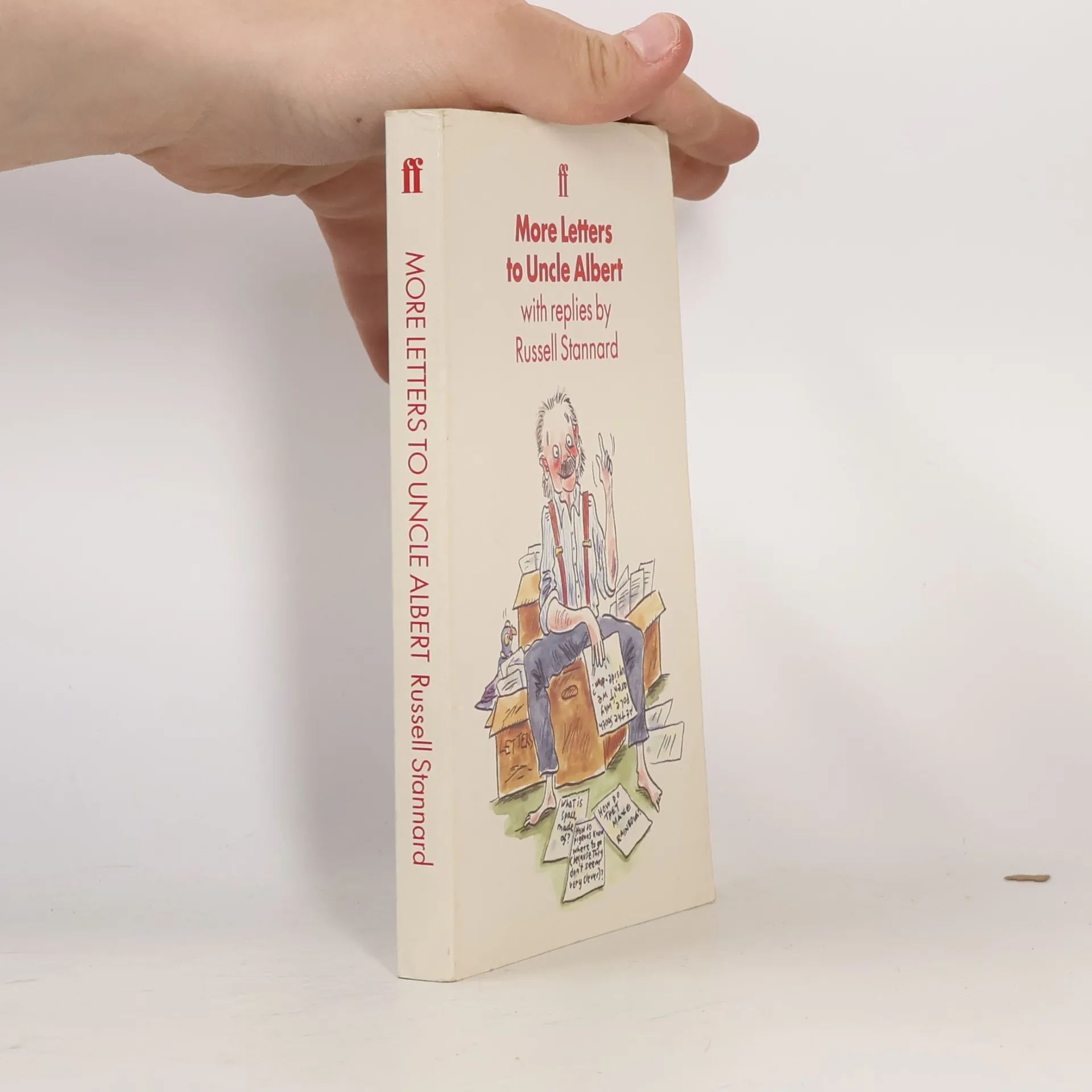
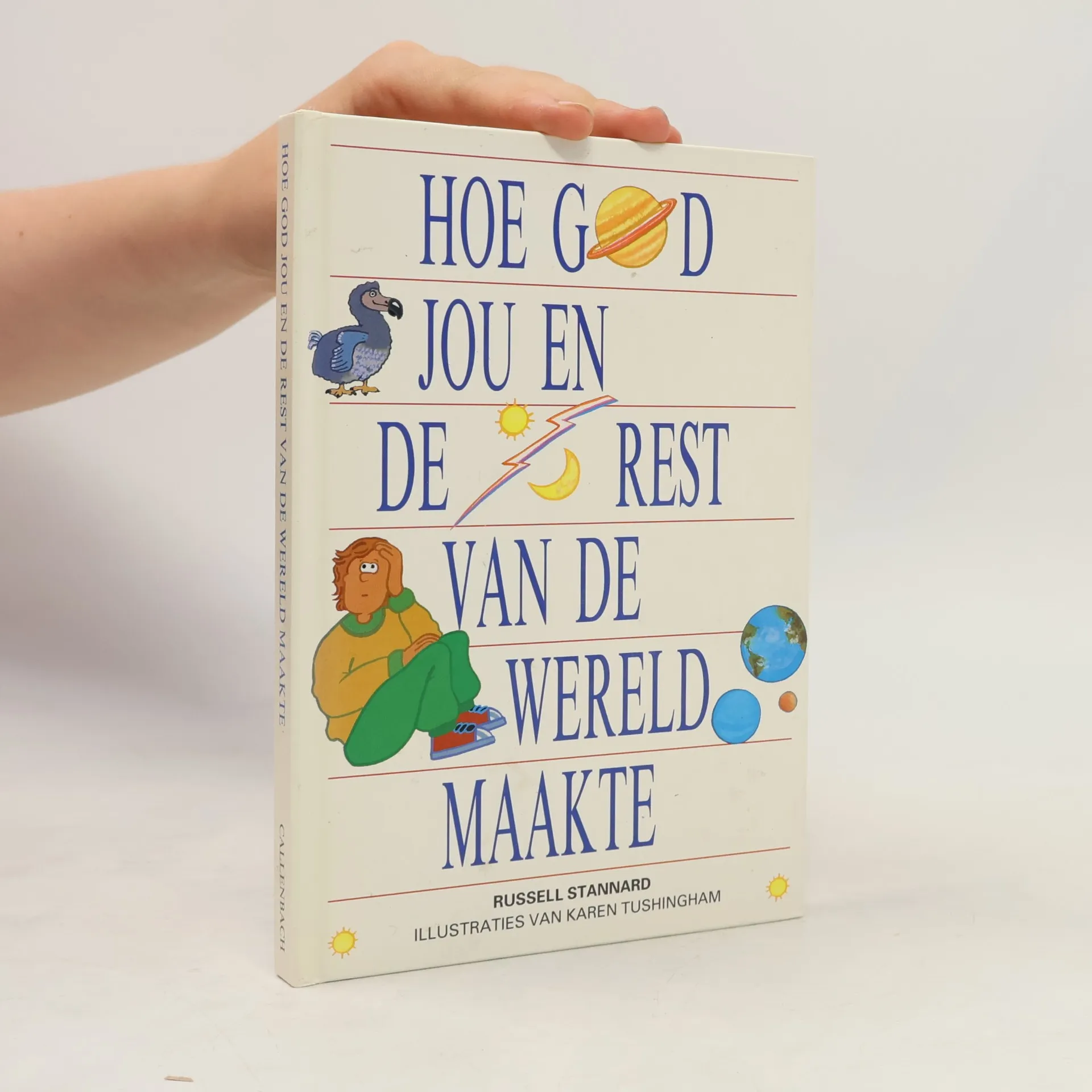
Why do people die in graveyards? What is space made of? How do they make rainbows? These are among the 60 wide-ranging questions written by children and answered in this book by Professor Russell Stannard in the guise of "Uncle Albert".
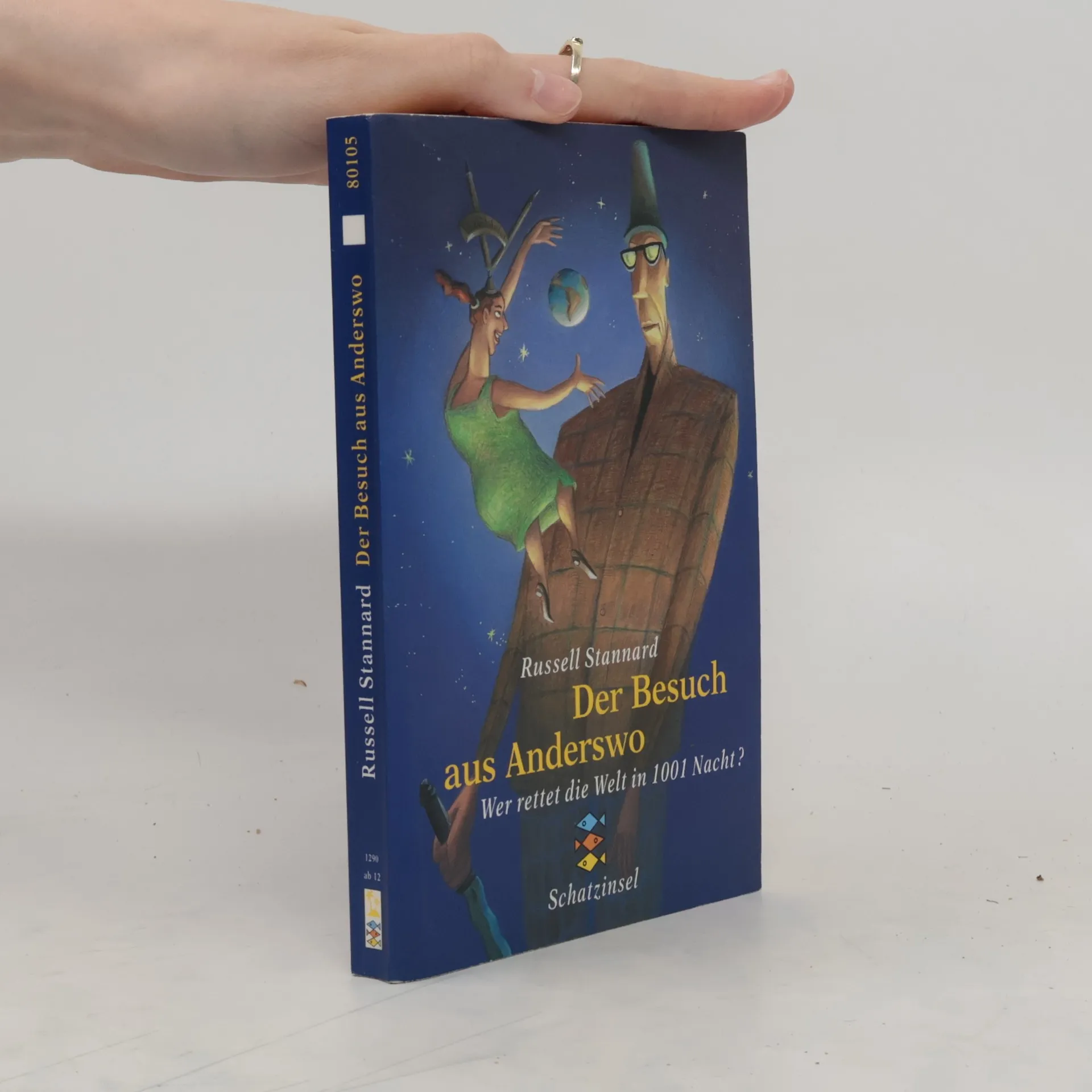
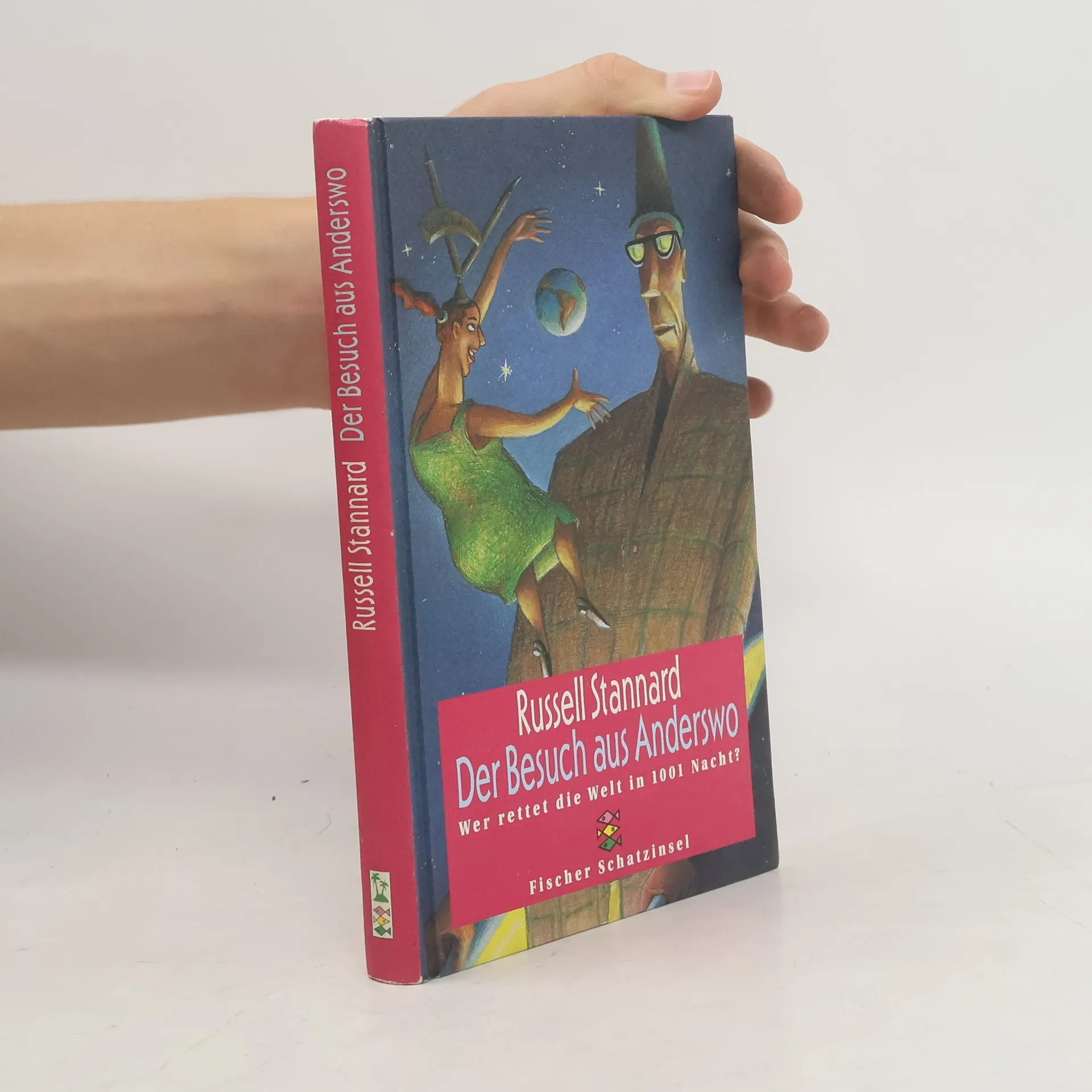
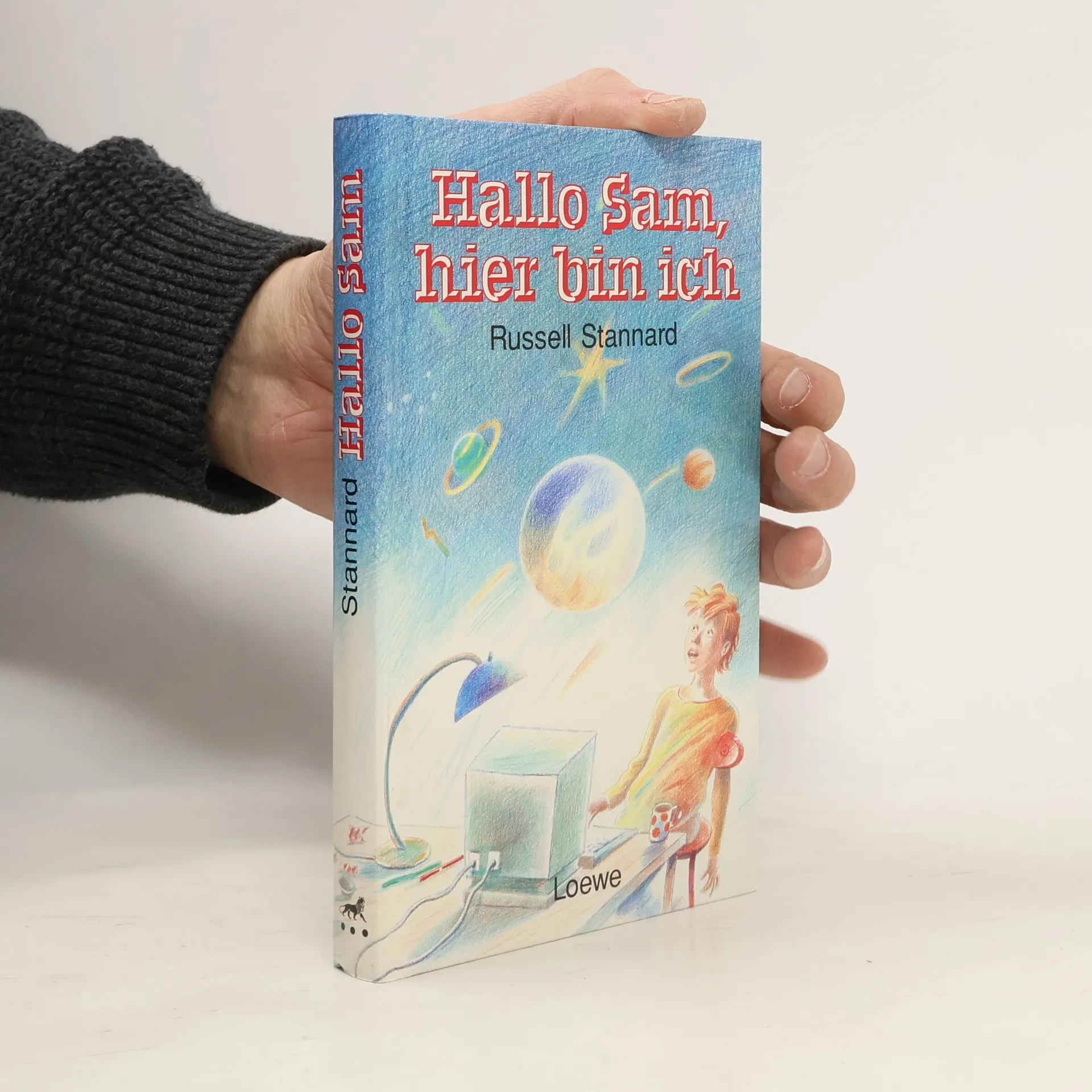
Eine schreckliche Nachricht erreicht die Menschen: Die Erde soll vom Rat der Universen vernichtet werden. Ein Richter setzt den Vernichtungstermin auf den nächsten Tag. Doch eine Lehrerin, Physis, führt mit ihm Gespräche über die Geheimnisse des Universums, die 1001 Nächte dauern. (Ab 12 Jahre.)
This book provides 9-13 year olds with a rea l understanding of how the universe began and the expectatio ns of its future. It includes many amazing statistics, quizz es and glossary entries which help build comprehension. '
Kniha vysvětlující základy kvantové fysiky a zákony mikrosvěta zábavnými příhodami děvčete Gedanken.
Dolů, dolů, pořád dolů...
Gedanken už padala hezkých pár minut. Dosud sice neztratila z očí okraj studny, do níž sklouzla, ale teď už to byl pouhý střípek světla míhající se kdesi nesmírně vysoko a daleko. A přitom dno té záhadné studny bylo ještě v nedohlednu.
Ne, že by si s tím dělala kdovíjaké starosti. Což bylo ale na pováženou. Taková pád by člověku nějakou tu vrásku nepochybně přidělat měl. Jenže tohle vlastně opravdový pád ani příliš nepřipomínalo. Gedanken měla pocit, že se spíš plavně snáší - asi jako parašutista na padáku.
Copak mě tam dole čeká? přemítala celkem nevzrušeně, zatímco zvolna míjela vlhké a tmavé studniční stěny.
Dievčatá a chlapci začnú v istom veku klásť otázky, na ktoré mnohí ich rodičia nevedia, alebo nechcú odpovedať. Svetoznámy autor kníh pre deti, prichádza týmto dievčatám a chlapcom na pomoc... Pre deti od 10 rokov.
Príbeh v tejto knihe nie je obyčajný. Príhody uja Alberta a Gedanky sú síce vymyslené, ale priestor a čas majú naozaj také výnimočné vlastnosti, ako sa tu píše.
Immer wieder unternimmt Memory Ausflüge ins Weltall, um dann mit ihrem Onkel das Erlebte zu besprechen. Erstaunliches erfährt sie dabei. So schnell sie auch fliegt, nie erreicht sie den Lichtstrahl. Und einmal wird sie so schwer wie der Buckingham-Palast und so dünn wie ein Strich. Wieso? Und warum bloß geht ihre nagelneue Uhr ständig nach. Stück für Stück machen Memory und Onkel Albert die erstaunlichsten Entdeckungen, die Onkel Albert 'Relativitätstheorie' nennt.