Anthony StorrReihenfolge der Bücher (Chronologisch)
18. Mai 1920 – 17. März 2001
Anthony Storr war ein englischer Psychiater und Autor, der für seine aufschlussreichen psychoanalytischen Porträts historischer Persönlichkeiten bekannt ist. Sein Werk schöpft tief aus seinem Verständnis menschlichen Leidens und ermöglicht es ihm, mit tiefem Mitgefühl in die Psyche von Individuen einzudringen. Storrs Schreibstil ist sowohl einfühlsam als auch durchdringend und bietet den Lesern einen einzigartigen Einblick in die Motivationen und inneren Kämpfe der von ihm untersuchten Personen. Seine Schriften werden für ihre psychologische Schärfe und ihren literarischen Wert geschätzt.
Storr’s The Art of Psychotherapy appeared in 1979 and became an instant
classic. After Storr’s death, a third edition was rewritten and revised by
Jeremy Holmes, and the fourth edition is a further up-to-date iteration.
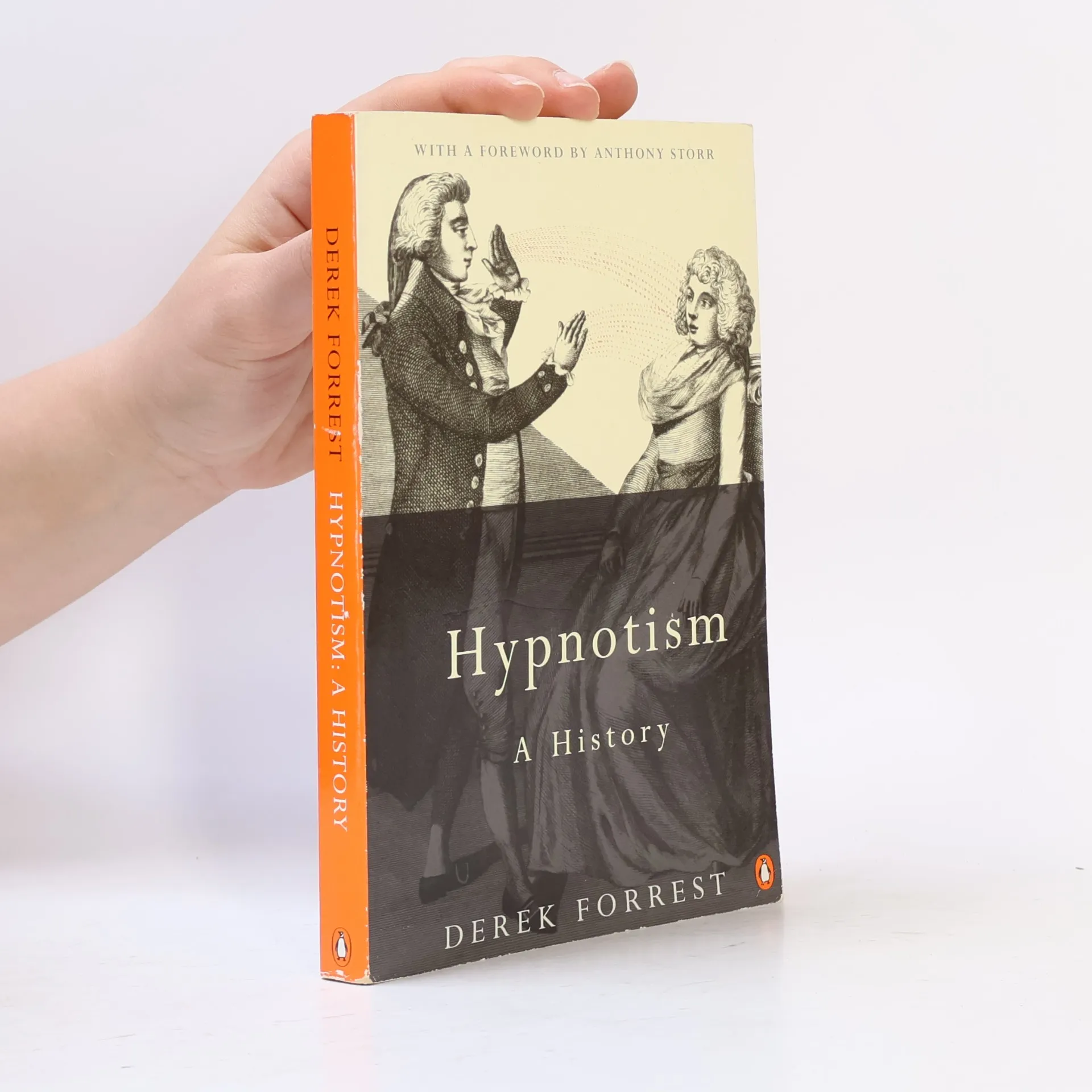
When Anton Mesmer began to cure patients with "animal magnetism" more than two-hundred years ago he initiated a controversy in the medical profession that continues to this day. Mesmer's theory of a universal fluid in the human body that could be regulated by magnetic influence was refined and developed by his disciples-largely in France, Britain, and the United States-until it became what is known today as hypnotism. Derek Forrest explores Mesmer's extraordinary life and the work of subsequent pioneers and introduces a range of amazing characters, including Charcot, Freud's mentor, and the famously eccentric Dr. Elliotson, whose continued advocacy of mesmerism cost him his position as Physician to University College Hospital in 1838. Making use of many primary sources, Forrest presents a fascinating study of this intriguing therapy.
Jung's writing is the key to understanding 20th century psychology, psychiatry and psychoanalysis. This collection of his writings clearly presents him in his own words and in precis.
Aby člověk pochopil, kdo je to guru, a porozuměl mu, musí být připraven zvážit otázku, kde leží hranice mezi racionalitou a šílenstvím, mezi tzv. zdravým rozumem a bláznovstvím.
Autor se zabývá tématem iluze a víry i jezuity a Ježíšem. Pojednává o velkých duchovních vůdcích, hnutích, kultech i charitativních organizacích, zamýšlí se nad osobnostmi, jako byl Gurdjieff, Jung, Freud, Steiner a mnoho dalších.
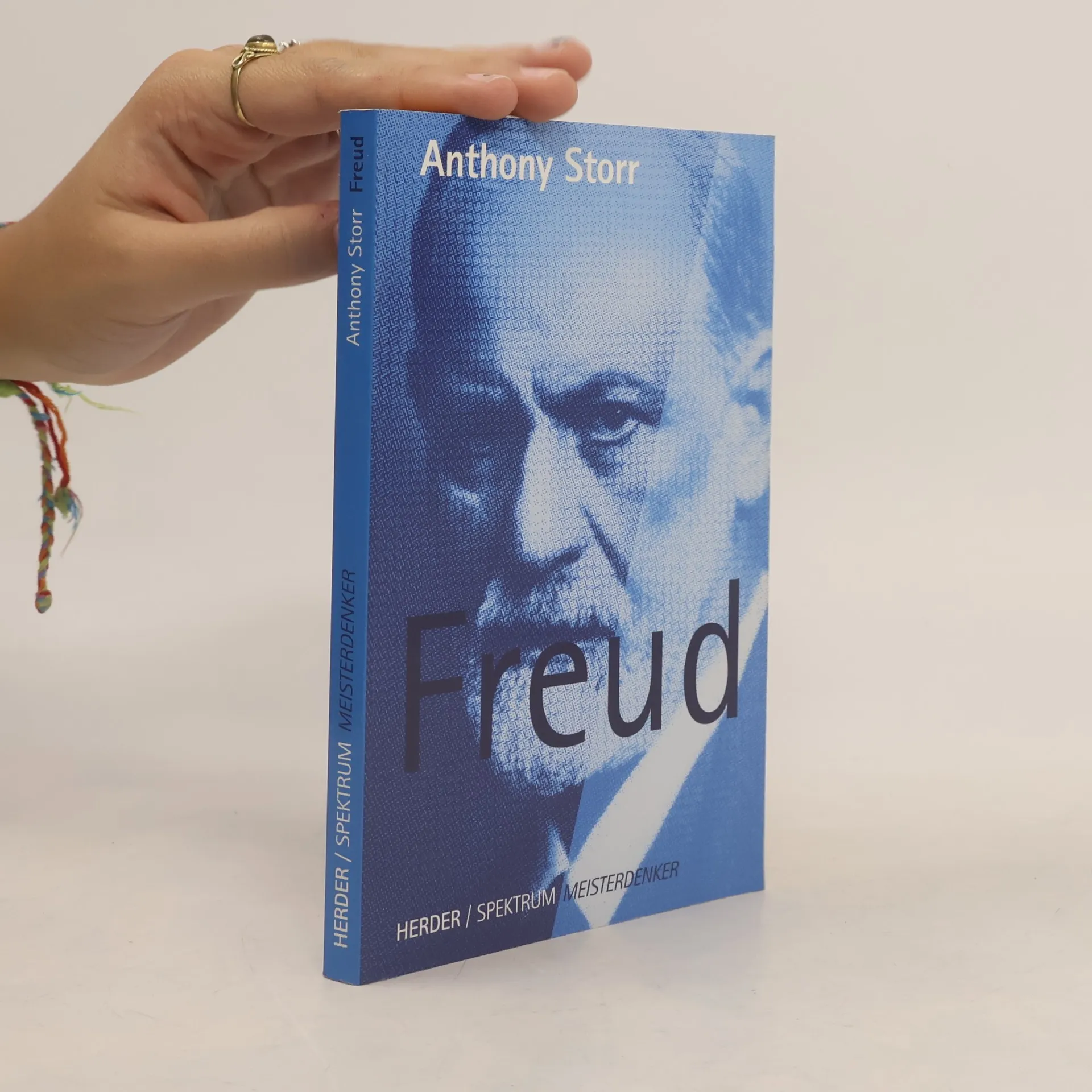
Siegmund Freuds Psychoanalyse hat die Art und Weise wie wir über uns selbst, über Bewusstes, Unbewusstes und zwischenmenschliche Beziehungen denken, völlig neu definiert. Eine spannende Einführung in die Grundideen und Schlüsselbegriffe der Freudschen Psychoanalyse, die auf hervorragend lesbare Weise klarmacht, wie tiefgreifend sein Einfluss auf das Lebensgefühl des 20. Jahrhunderts war.
The author disagrees with the view that only intimate relationships can provide mental and personal satisfaction arguing that solitude has restorative powers.
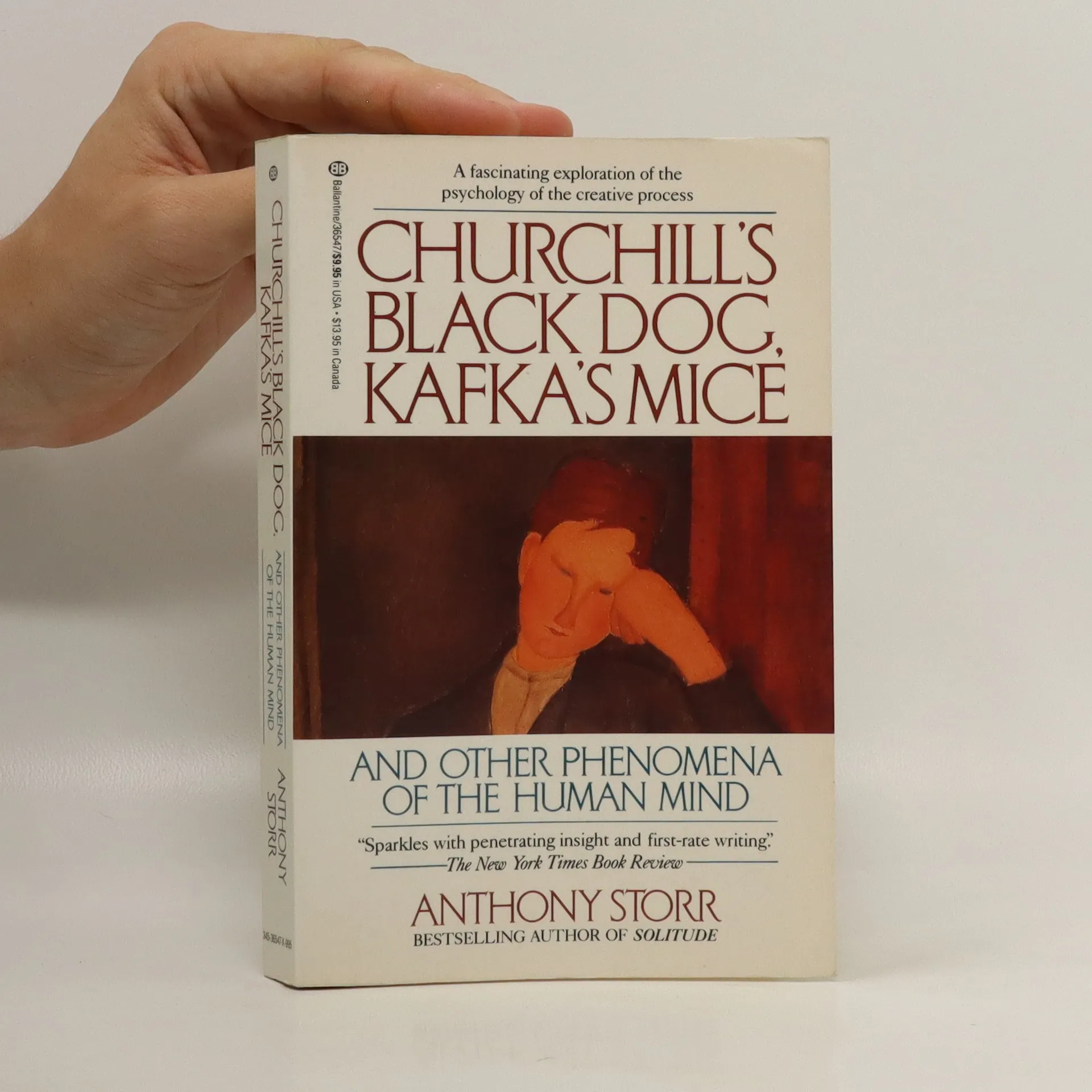
This title collects the essays of one of England's best-known and most distinguished psychiatrists. Storr weighs and tests Freud's theory that creativity is the result of dissatisfaction by examining the impulses which drove Kafka, Newton and Churchill.
Carl Gustav Jung (1875-1961), a physician and psychoanalyst, was Freud's most prominent follower, but his disagreement with the Freudian theory that personality formation is rooted in sexuality caused a permanent break between the two great psychologists. Jung's analysis of dream symbolism led him to develop the concept of archetypes and the collective unconscious. His revolutionary work provides fundamental insights into the function of dreams and psychic symbols in creativity, as well as a greater appreciation of the mystery at the heart of existence. Included in this volume, following an introductory essay by Robert Coles, are the following works by Jung: Two Kinds of Thinking and The Miller Families: Anamnesis from Symbols of Transformation> Synchronicity The Undiscovered Self Five Chapters from Aion> The Phenomonology of the Spirit in Fairy Tales Excerpts from On the Nature of the Psyche On the Nature of Dreams On Life After Death Late Thoughts
Erstmals 1972 veröffentlicht, bietet Anthony Storr in "Lob der Aggression" eine klassische Studie über die Fähigkeit der Menschheit zum Bösen. Die menschliche Spezies ist zu den abscheulichsten Grausamkeiten fähig. Woher kommt unsere Fähigkeit zu solch destruktivem Verhalten? Storr untersucht diese wichtigen Fragen.
Er versucht, brutale Phänomene wie Völkermord, Rassenkonflikte und andere großangelegte Manifestationen von Gewalt zu erhellen, warnt jedoch vor einfachen Schlussfolgerungen vom individuellen Verhalten auf das Verhalten von Gruppen und Nationen. Er bietet aufschlussreiche Diskussionen über aggressive Persönlichkeitsstörungen, Sadomasochismus und die Mechanismen paranoider Wahnvorstellungen. Provokant lokalisiert er die Neigung zu massenhaften Ausbrüchen von Grausamkeit in der Vorstellungskraft: Um Mitmenschen als völlig böse zu betrachten, ist eine imaginative Fähigkeit erforderlich, die bei anderen Arten nicht zu finden ist.
Mit umfassender Gelehrsamkeit, menschlicher Intelligenz und einem eleganten Stil bietet "Lob der Aggression" eine aufschlussreiche Studie über einige der dunkelsten Ecken der menschlichen Psyche.