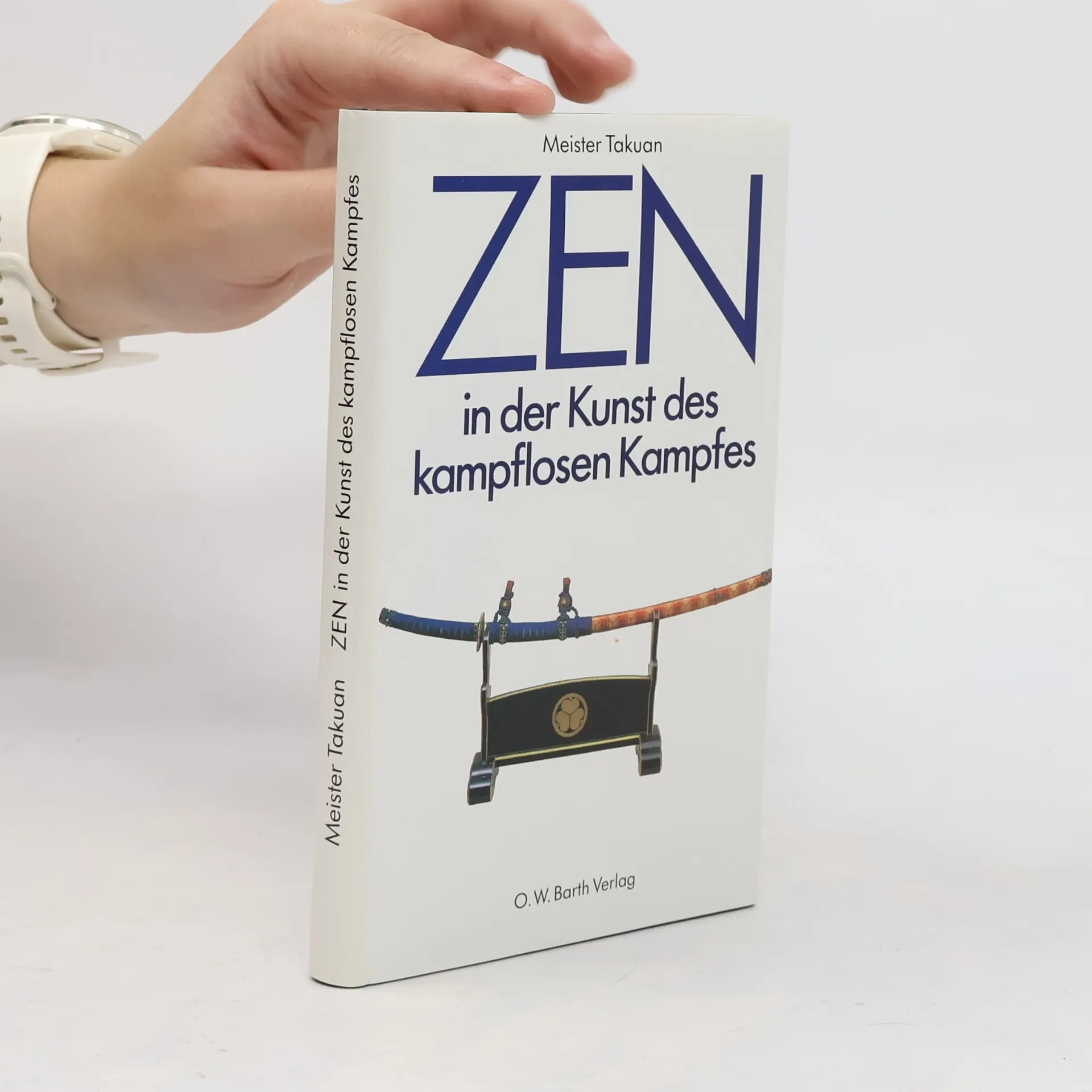
Dieses Buch thematisiert die Befreiung des menschlichen Potenzials, ähnlich wie in Herrigels „Zen in der Kunst des Bogenschießens“. Es enthält drei Essays des Schwertmeisters Yagyu Munenori, die seine Unterweisung durch Zenmeister Takuan festhalten und die Kunst des Lebens und Sterbens beleuchten.
Master Takuan and His Writings on Immovable Wisdom and the Sword Tale
182 Seiten
7 Lesestunden
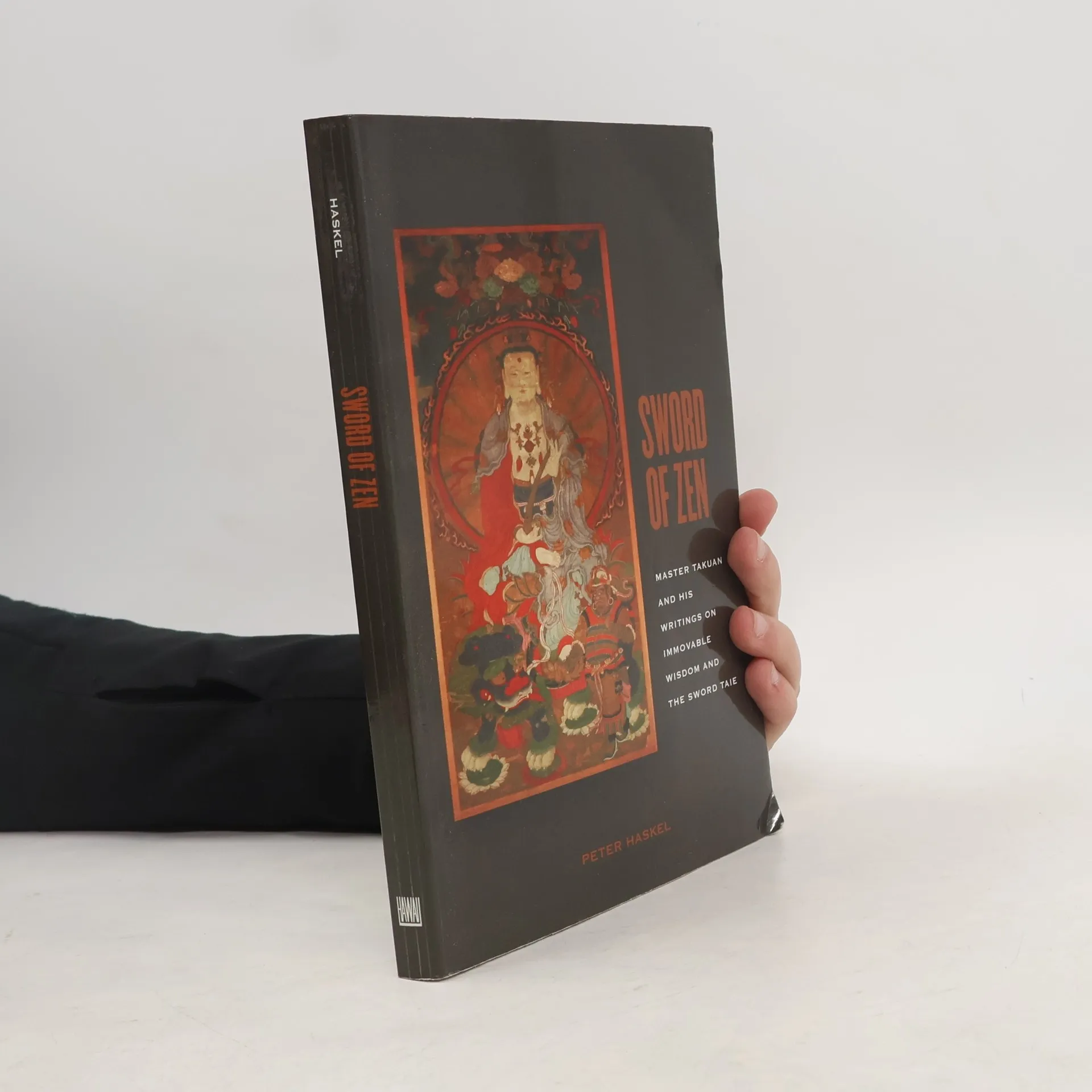
Takuan Sōho's two works on Zen and swordsmanship present some of the most engaging insights into Zen philosophy, gaining popularity in both premodern and modern Japan. While focused on swordsmanship, "Record of Immovable Wisdom" and "On the Sword Taie" serve as essential guides to Zen, illustrating how to embody Zen principles not just in martial arts but in daily life. This book features translations of both works, likely composed for shogun Tokugawa Iemitsu and his fencing master, Yagyū Munenori. It includes an introduction to Takuan's unique Zen approach, supplemented by excerpts from his other writings, and provides a context for the role of the sword during a tumultuous period of civil warfare and the eventual unification of Japan under the Tokugawa shoguns. Takuan, a prominent Zen priest, played a crucial role in bridging late medieval and early modern Zen, with his biographical section offering insights into this transitional phase. His teachings on mental freedom resonate deeply with modern readers, whether they practice Zen or martial arts. Scholars will appreciate this new annotated translation, which sheds light on an obscure yet significant period in the history of Zen in Japan.
Meister Takuans Darlegungen über die "bewegungslose Weisheit" in der Kunst zu siegen, noch bevor ein Kampf begonnen hat, gehören zu den berühmtesten Zentexten. Drei klassische Essays über das Geheimnis der Lebenskunst liegen hier zum ersten Mal in vollständiger deutscher Übersetzung vor.
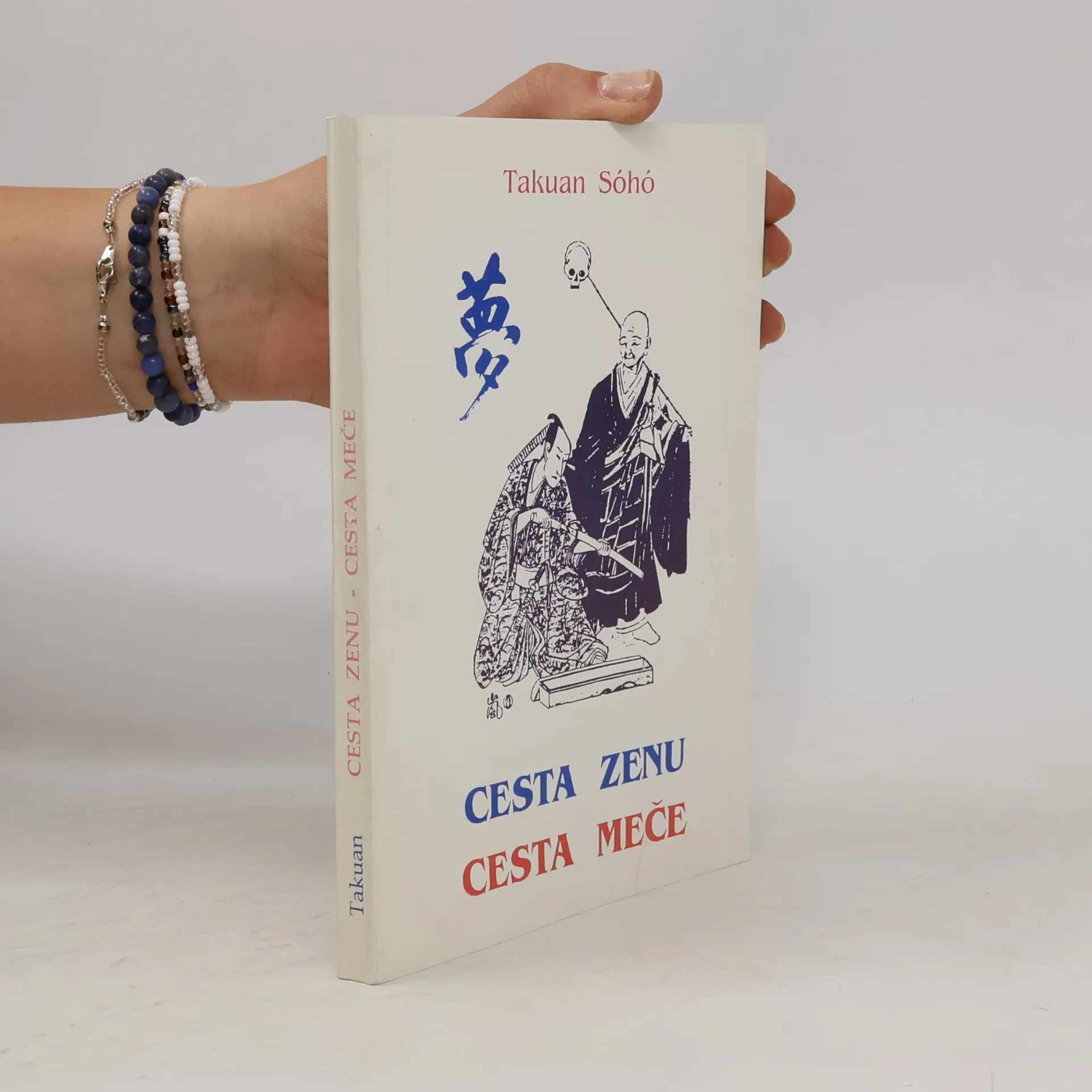
Soubor čtyř nejvýznamnějších spisů proslulého opata kláštera Daitokudži a představitele zenové sekty Rinzai z počátku 17. stol., jež adresoval přátelům samurajům a mistrům šermu ve snaze uvést v soulad učení zenu a kendó.
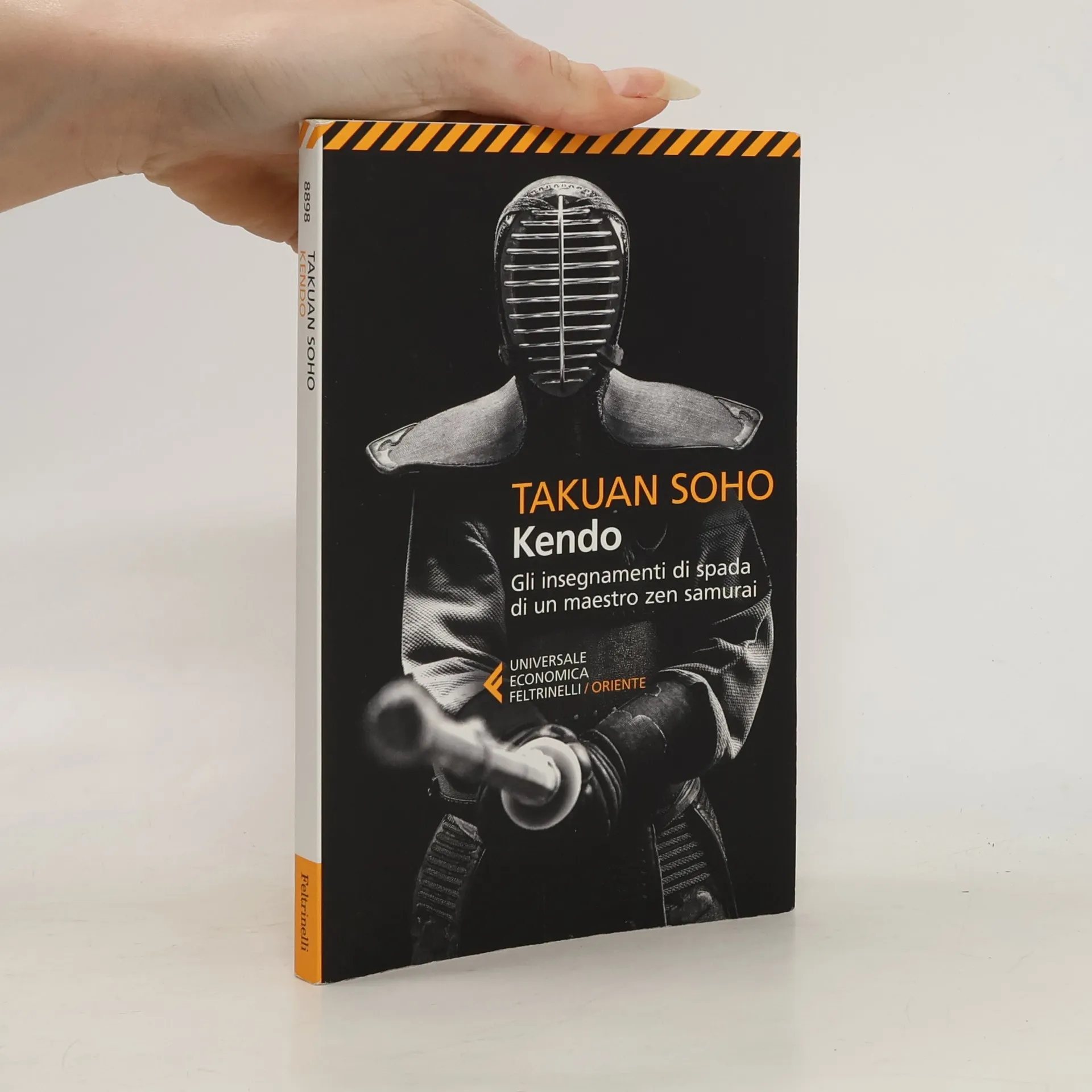
“L’avversario non deve occupare la mente. Ma non lasciare che la tua mente sia catturata dal Vuoto” Sia lo Zen sia l’arte della spada vantavano già tradizioni plurisecolari in Giappone, ma fu Takuan Soho a sancire la loro unione, tanto da influenzare in modo decisivo gli scritti dei maestri di spada suoi contemporanei e i praticanti dei secoli a venire. Takuan Soho ci ha lasciato svariate opere, fra cui i tre saggi che presentiamo qui: Fudochishinmyoroku, ovvero “La testimonianza segreta della saggezza immutabile”, Reiroshu, “Il limpido tintinnio delle gemme”, e Taiaki, “Il trattato della spada Taia”. Il cuore dell’insegnamento di Takuan consiste nel rimuovere ogni genere di attaccamento, per conseguire l’illuminazione e lo stato di nonmente. Per chi vi riesca, spada e corpo si muoveranno all’unisono, spontaneamente, esprimendo insieme la tecnica e lo spirito dell’arte. A un livello più profondo, lo scopo della nonmente è quello di realizzare in ogni azione il Vuoto, la realtà suprema dello Zen. Perché un libro di un maestro zen sulla Via della spada, nel tempo, difficile, che stiamo vivendo? Perché coniugando Zen e Bushido – la Via dei samurai – il suo insegnamento ci invita a vivere lo splendore dell’esistenza e a essere padroni di noi stessi, a essere coraggiosi, a non cedere mai.