

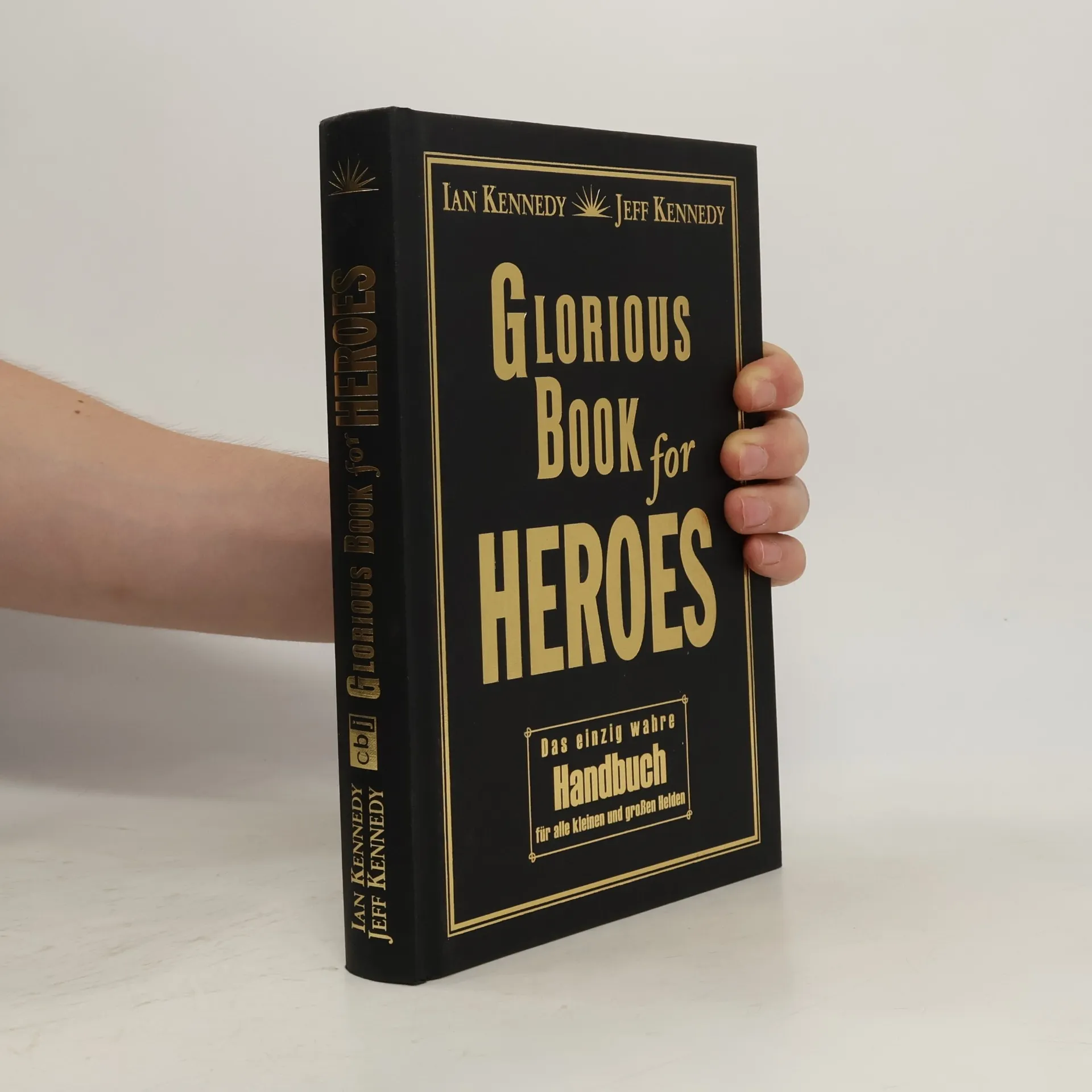
Von klugen Köpfen und mutigen Kämpfern – das einzigartige Heldenbuch Sie haben das Unmögliche möglich gemacht, für das Gute gekämpft und spektakuläre Taten vollbracht – die Helden dieser Welt! Doch wie wird man ein echter Held? Das verraten Ian und Jeff Kennedy, die ein großartiges Sammelsurium an Heldenbiografien zusammengetragen haben: Berühmte und vergessene, laute und leise Helden, Helden wider Willen und solche, die es werden wollten – quer durch die Geschichte begegnen sich hier die faszinierenden Lebenswege von Christoph Columbus, Katharina der Großen, Karl May, Mutter Theresa und vielen, vielen anderen. Spannende Abenteuer und packende Schicksale laden zum Schmökern, Staunen und Entdecken ein – und lassen kleine wie große (Lese-)Helden nicht mehr los! • Die 50 außergewöhnlichsten und wichtigsten Helden und Heldinnen der Welt • Mit Porträtbildern, Heldenbiografien, erfrischenden Anekdoten und Zitaten • Ausstattung im Retrodesign und mit Goldfolienprägung
Ian G. Kennedy Bücher

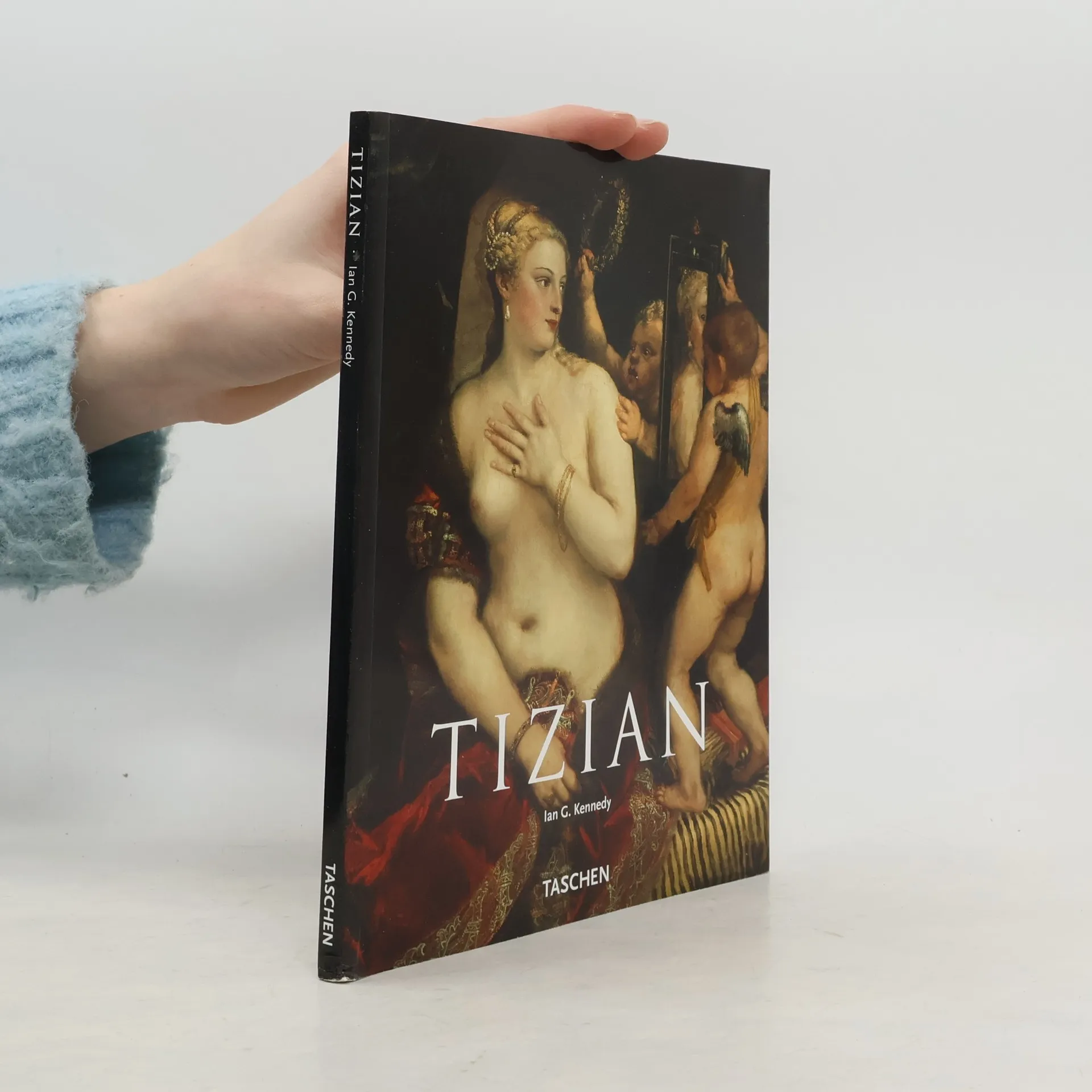
Tizian
- 96 Seiten
- 4 Lesestunden
Einführung in Leben und Werk des Malers Tizian (circa 1490-1576).
Battle of Britain
- 128 Seiten
- 5 Lesestunden
Two true stories of aviation heroism and daring set during the Battle of Britain in 1940 - drawn by comics legend Ian Kennedy!
Titian, the Della Rovere Dynasty, and His Portrait of Guidobaldo II
- 96 Seiten
- 4 Lesestunden
Gives the first comprehensive examination of the painting's provenance, and reception throughout history.
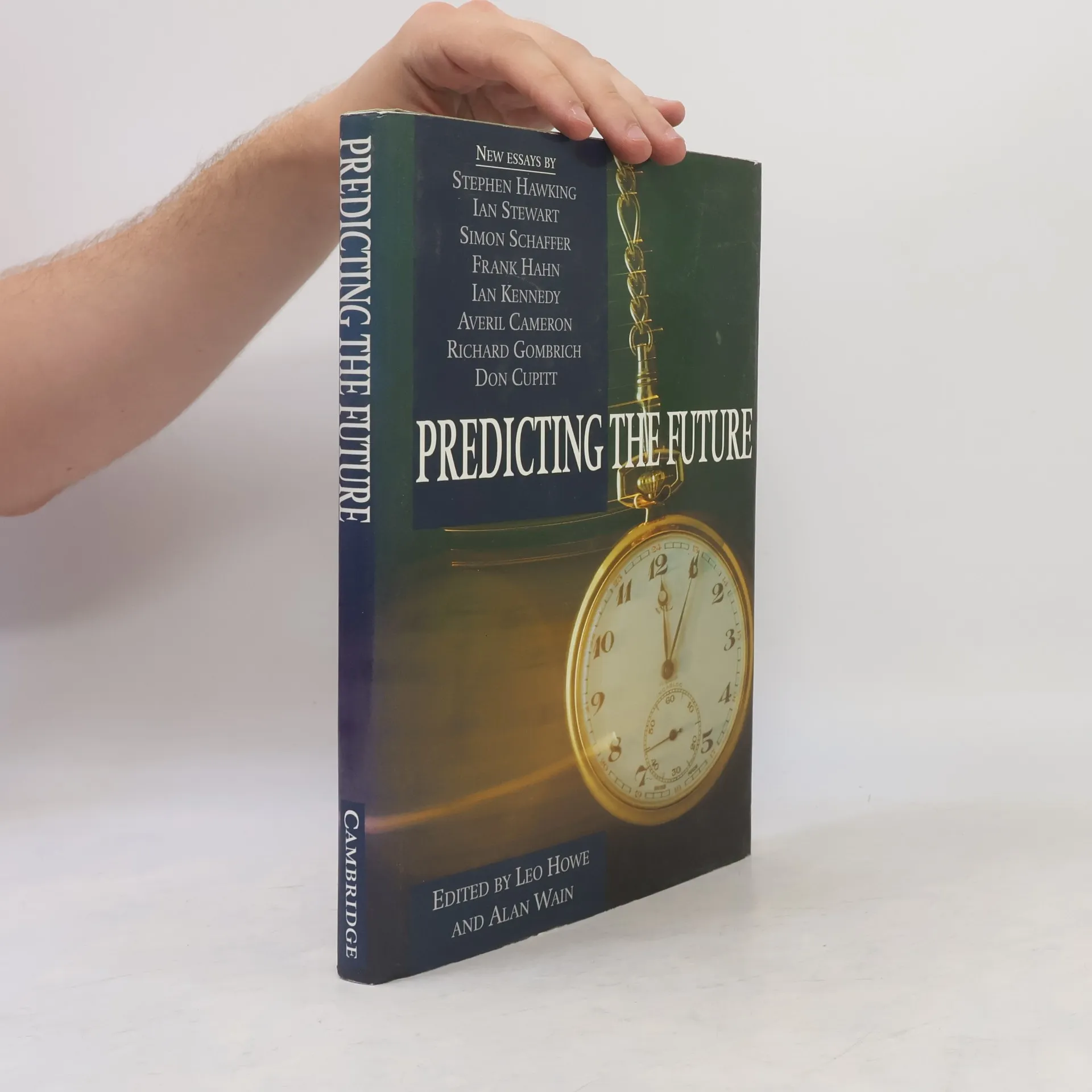
Predicting the Future
- 201 Seiten
- 8 Lesestunden
Auguries, oracles, omens...and software simulation. This exploration delves into humankind's enduring desire to foresee and influence future events. It opens with Stephen Hawking's predictions about the universe's billion-year future and concludes with Don Cupitt's reflections on the Last Judgement. The narrative traces the evolution of prediction, from ancient soothsayers and astrologers who relied on religious and traditional authority to today's experts who utilize empirical observation and scientific theory to forecast outcomes in various fields, including the economy and medicine. Despite advancements, contributors acknowledge that prediction remains fraught with uncertainty, navigating a delicate balance between alarmism and complacency, often disrupted by human unpredictability, unforeseen changes, or flawed data. Originating from the sixth annual series of Darwin College Lectures in Cambridge in 1991, the work features insights from various contributors, including Leo Howe, Ian Stewart, Simon Schaffer, Frank Hahn, Ian Kennedy, Averil Cameron, and Richard Gombrich, each offering unique perspectives on the complexities of predicting the future.