Das 19. und 20. Jahrhundert
Malerei, Plastik, Architektur, Graphik




Malerei, Plastik, Architektur, Graphik
Schätze der Weltkunst
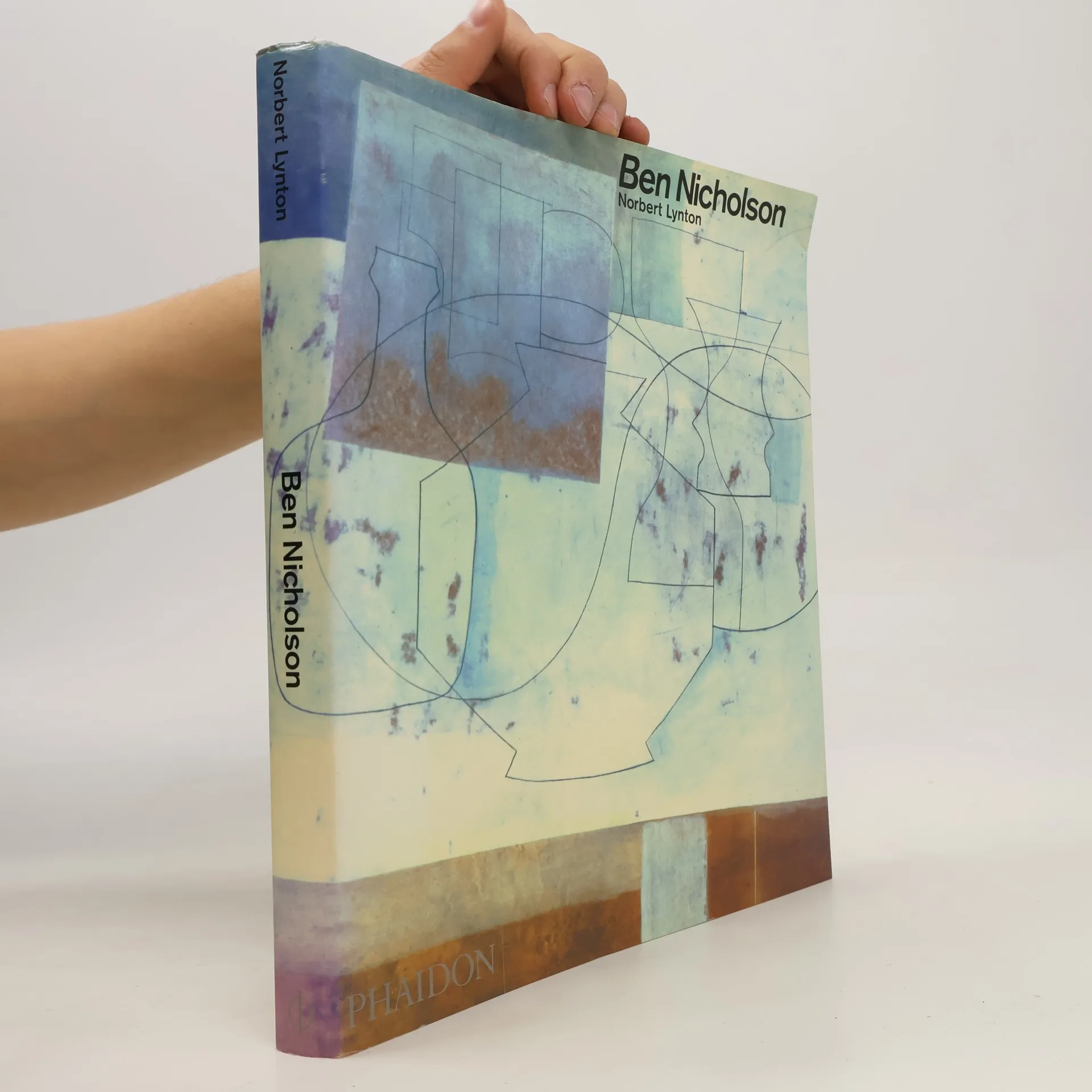
Ben Nicholson (1894-1982) was one of the greatest artists of the twentieth century. A pioneer of abstract art in Britain, he first came to prominence with his famous 'white reliefs', but also maintained a lifelong attachment to landscape and still-life forms and, in a career of over 60 years, produced a remarkable range of carved reliefs, paintings, drawings and prints. Norbert Lynton's subtle and sensitive study, the first full-length, comprehensive monograph on the artist's life and work, was originally published in 1993 in a large edition with many supplementary illustrations. In this second, paperback edition it is reissued in a shorter format. With the text unchanged and with over 190 illustrations, the new edition makes this standard work available at an incredibly competitive price to a new and much wider audience.
Near Fine. Dust Jacket Near Fine. 1st Edition/ This rare and vintage book is a perfect addition to any bibliophile's collection
This reference work deals with all aspects of Western art from 1300 to the present day. It provides information on painters, sculptors, and graphic artists, technical processes, terminology, theory, schools, movements, patrons and collecting, and much more.
A readable introduction to modern art, this book is for all those with an interest in the art of our century.
Über das Leben von Paul Klee und seine Malerei. Der Autor beschreibt ausführlicher die Jahre bis einschließlich des Ersten Weltkriegs. Bilder seiner Gemälde und Notizen ergänzen sein Werk. Mehrere Zitate von Klee sind enthalten.
An examination of the greatest unexecuted work of art of the 20th centuryThe plans for the gigantic Monument to the Third International were completed in 1920 by Vladimir Tatlin, the Russian painter and visionary designer who was a key figure of Russian constructivism. Planned as the headquarters and monument of the Comintern in Petrograd, it was to be made from industrial materials—iron, glass, and steel—as a towering symbol of modernity. Because of the political turmoil and housing shortages in Russia after the 1917 Revolution, the building was never constructed, but it remains a celebrated icon of revolutionary art. In this insightful book, Norbert Lynton investigates the sources and symbolism of Tatlin’s Tower and considers not only its significance but also the broader role of allegory in abstraction and as an expression of man’s highest aspirations. Then, in light of his new symbolic reading of the Tower, Lynton examines Tatlin’s flying machine, Letatlin, and earlier works in his career and discusses their impact on other Russian painters, sculptors, designers, and architects of his era.