Peter Lee Bücher
Peter Lee vollzog einen Wandel von einer wissenschaftlichen Laufbahn hin zur Schriftstellerei, nachdem er seine Leidenschaft für das Schreiben entdeckte. Sein literarisches Werk, insbesondere ein Roman, der aus tiefer Wertschätzung für Musik und ihre Geschichte entstand, zeugt von seinem Engagement für gründliche Recherche und thematische Erkundung. Lee pflegt seine Verbindung zum Schreiben durch Beiträge für Online-Publikationen und einen eigenen Blog, was seine Vielseitigkeit als Autor unterstreicht.


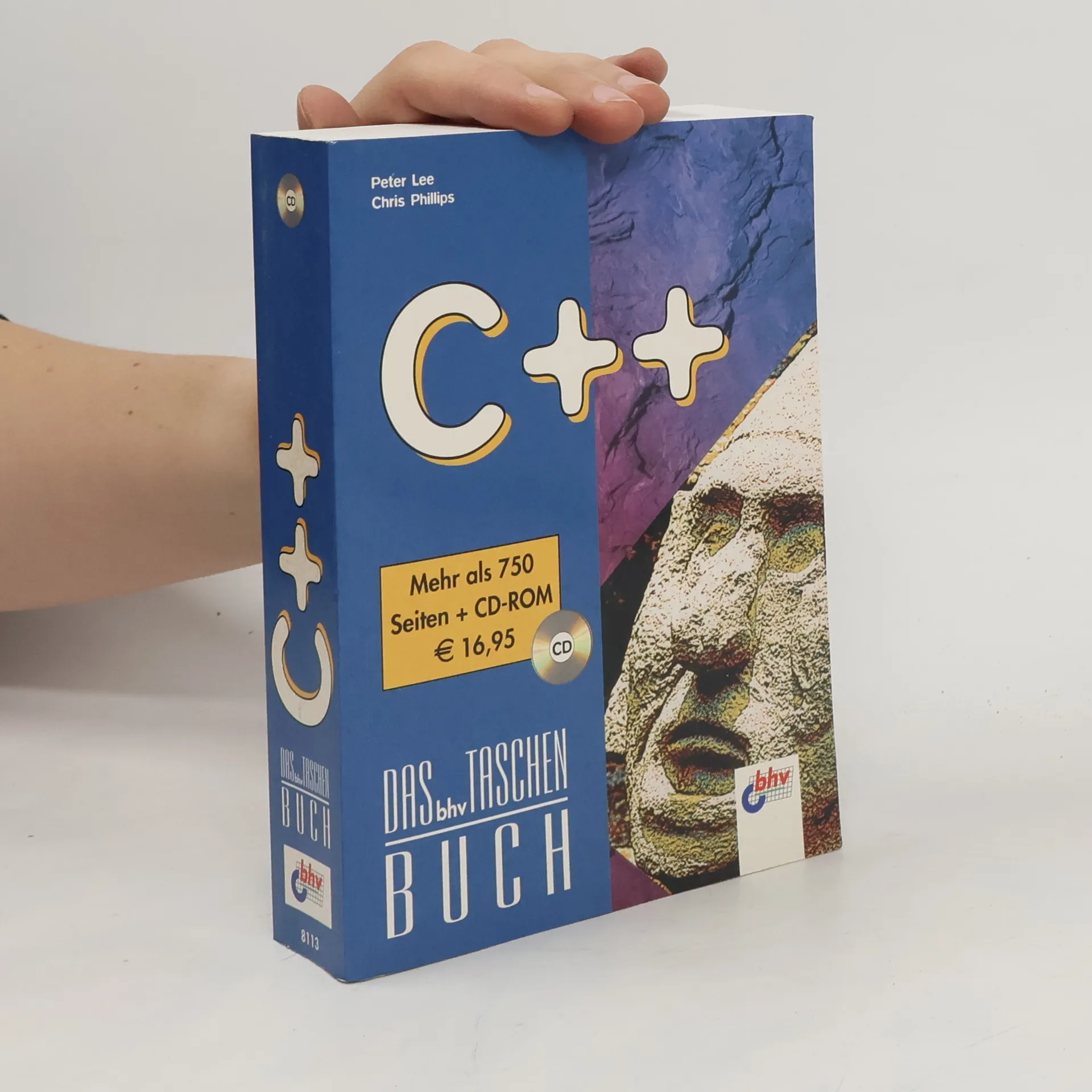
C++
- 768 Seiten
- 27 Lesestunden
C++ ist eine der am häufigsten verwendeten objektorientierten Programmiersprachen. Mit diesem Buch steigen Sie direkt ein in die objektorientierte Programmierung mit C++. Fundiert erläutern die Autoren zunächst die Grundlagen der (objektorientierten) Programmierung sowie die Strategien zur Problemlösung und zur Konstruktion von Programmen. Anschließend folgen Beispielprogramme und Lösungen zu speziellen Problemen.
Spielleiterhandbuch
Dungeon Master's Guide - Das größte Rollenspiel der Welt
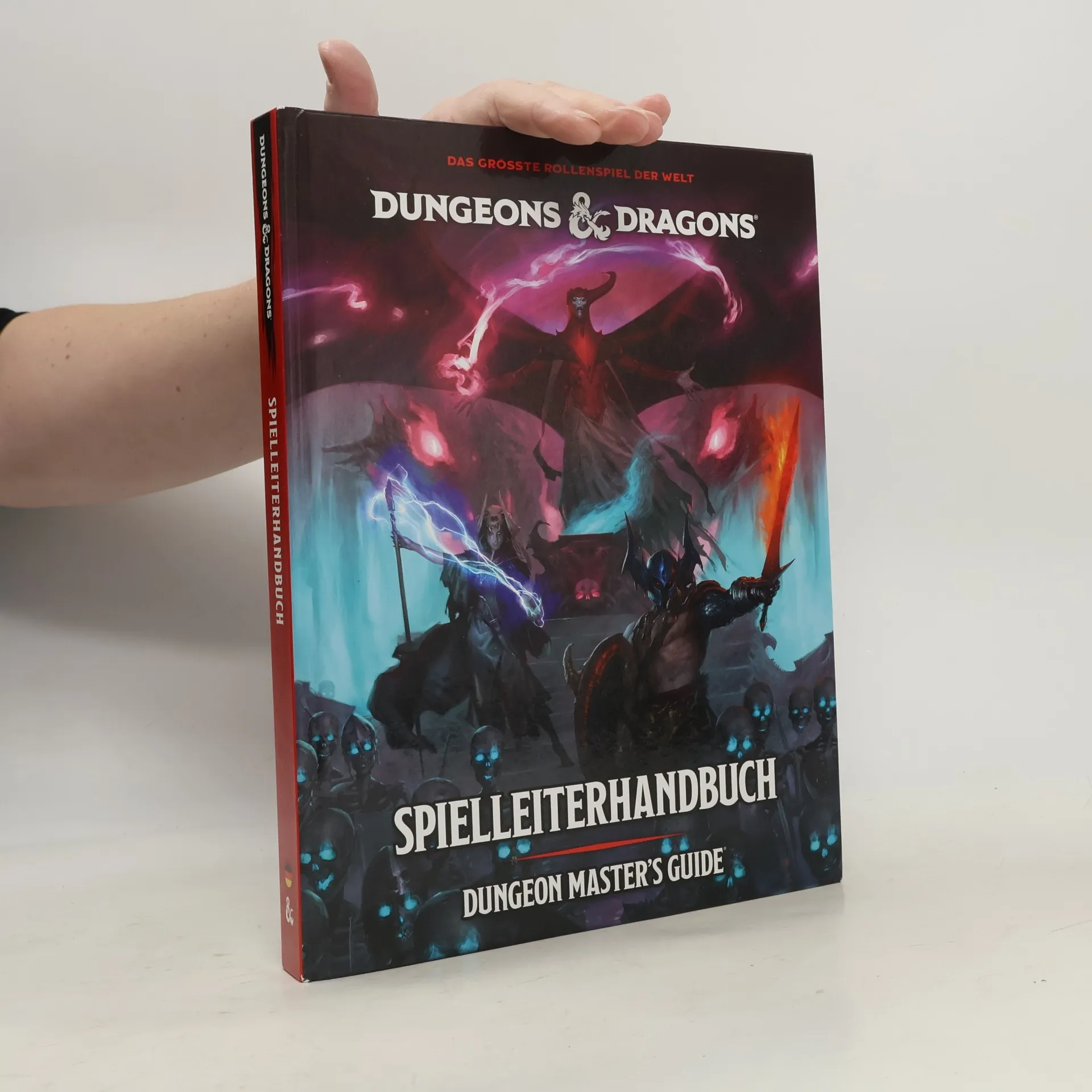
Erschaffe fantastische Abenteuer. Dieses überarbeitete und erweiterte Spielleiterhandbuch bietet alle Inspiration und Hilfe, die du zum Entwerfen und Leiten aufregender Abenteuer für die fünfte Edition von Dungeons & Dragons brauchst. In diesem Buch findest du Ideen zum Erschaffen von Spielwelten, eine vorgefertigte, aber anpassbare D&D-Kampagnenwelt, Tipps zum Erstellen denkwürdiger Abenteuer, Hunderte von magischen Gegenständen, Regeln für Spielerfestungen, gebrauchsfertige Karten und Tracking-Bögen, Anregungen, wie du deine Spieler unterhältst und begeisterst, und viele weitere Werkzeuge, die dir helfen, ein großartiger Spielleiter zu sein.
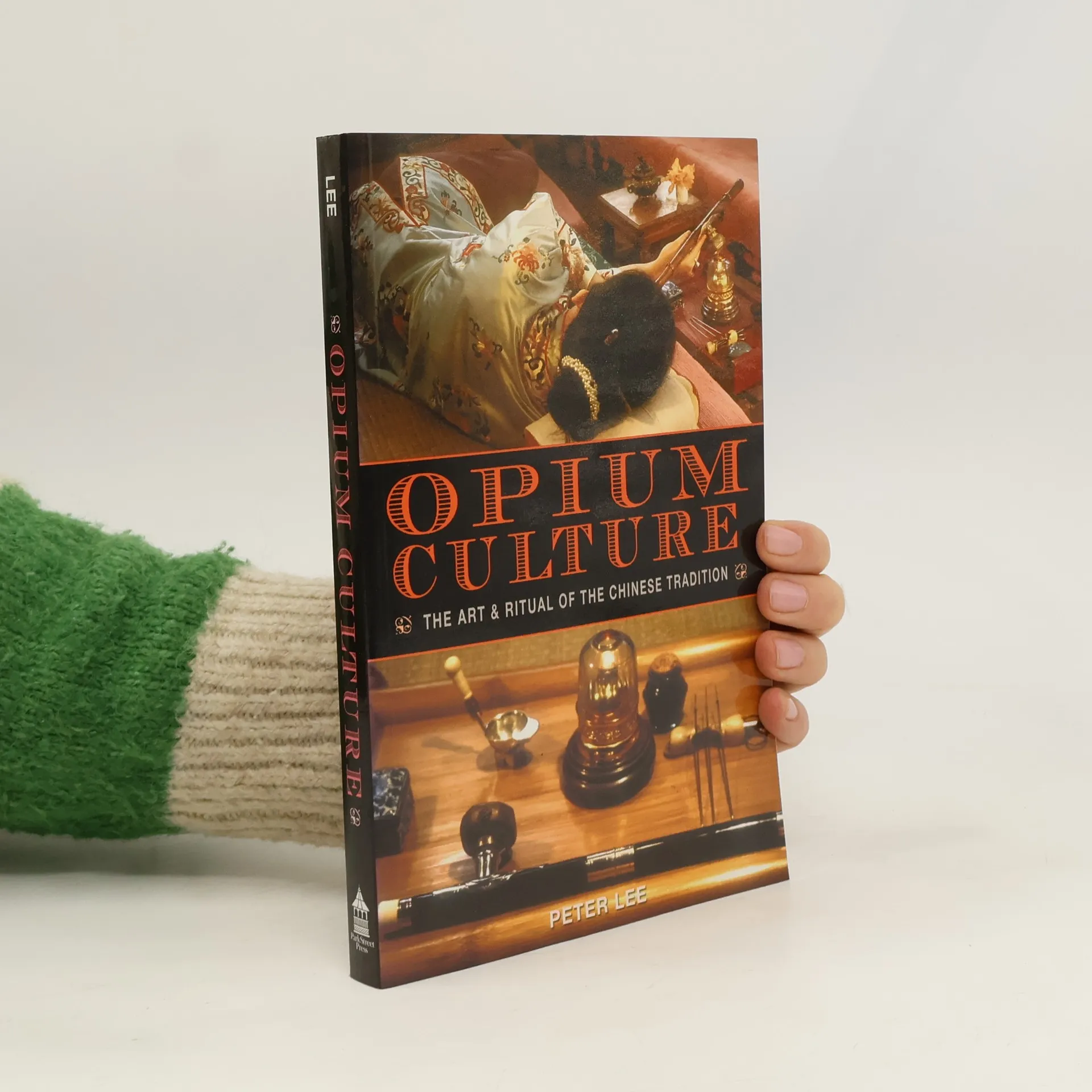
In "Opium Culture," Peter Lee presents a fascinating narrative that covers every aspect of the art and craft of opium use. The text is studded with gems of long forgotten opium arcana, dispelling many of the persistent myths about opium and its users, and includes information on the suppression of opium by the modern pharmaceutical industry.
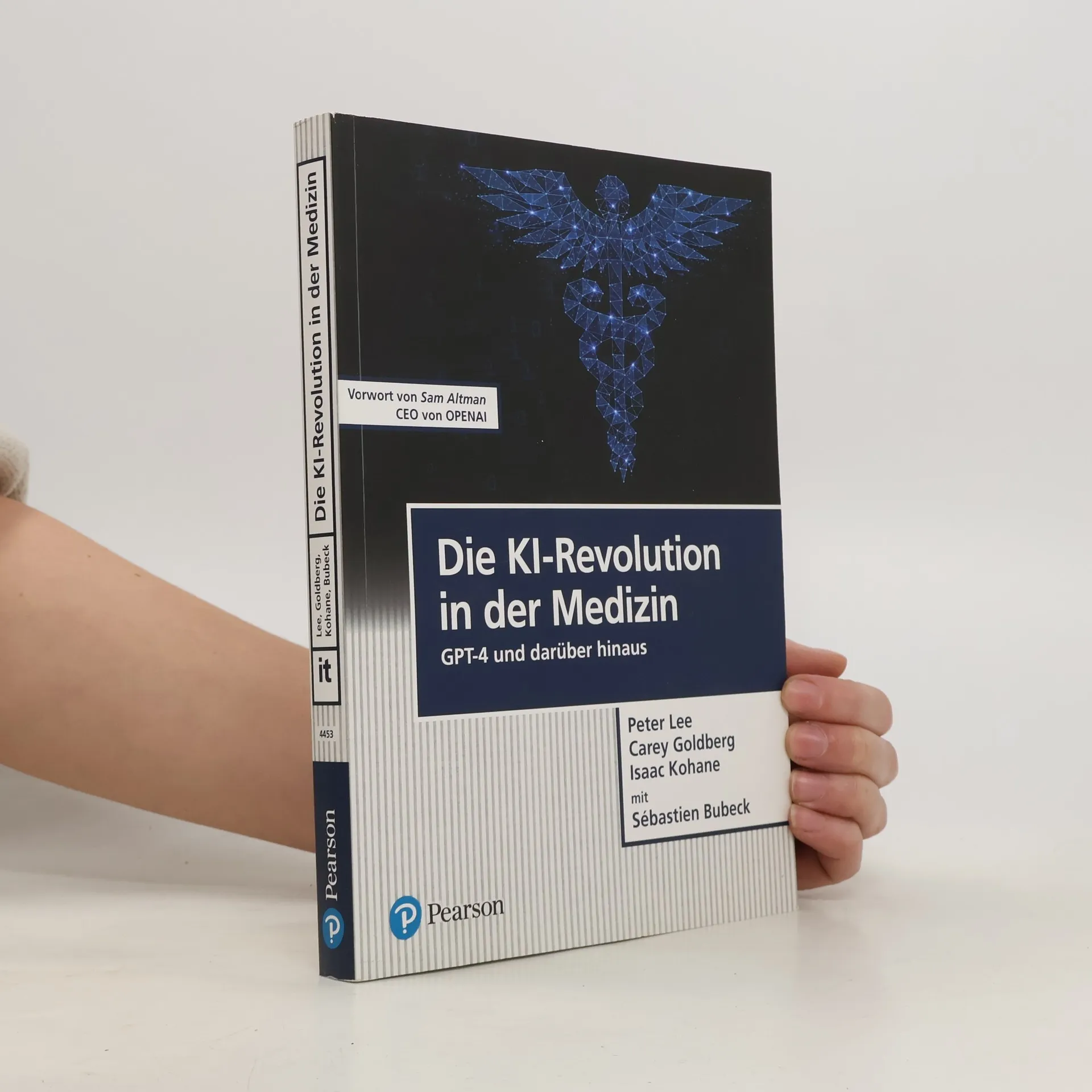
The AI Revolution in Medicine
- 304 Seiten
- 11 Lesestunden
"Just months ago, millions of people were stunned by ChatGPT's amazing abilities, and its bizarre hallucinations. That was 2022. AI's next generation is coming fast: smarter, more accurate, with deeper technical knowledge. GPT-4 and its competitors are on the verge of transforming medicine. Whether you're a healthcare leader, provider, or a patient, you need to understand these technologies, stat. What can they do? What can't they do, yet? What shouldn't they ever do? To decide, experience the cutting edge for yourself. Join three insiders who've had months of early access to GPT-4 as they reveal its momentous potential; to improve diagnoses, summarize patient visits, streamline processes, accelerate research, as well as its risks. You'll see real GPT-4 dialogues; unrehearsed and unfiltered, brilliant and blundering alike, all annotated with invaluable context, candid commentary, real risk insights about potential downsides, and up-to-the-minute takeaways."--Back cover.
Aramaic Poetry in Qumran
- 408 Seiten
- 15 Lesestunden
Focusing on the poetic structure of Aramaic texts from the Qumran community, this study introduces a model for analyzing Aramaic poetry and offers an in-depth examination of six significant texts. These include "The Son of God" text, a segment from the wisdom poem in the Aramaic Levi Document, and fragments from various works such as "The Elect of God" and the Genesis Apocryphon. The analysis aims to enhance understanding of Aramaic literature, an area that has received limited attention in previous studies.
Who Cares?
- 94 Seiten
- 4 Lesestunden
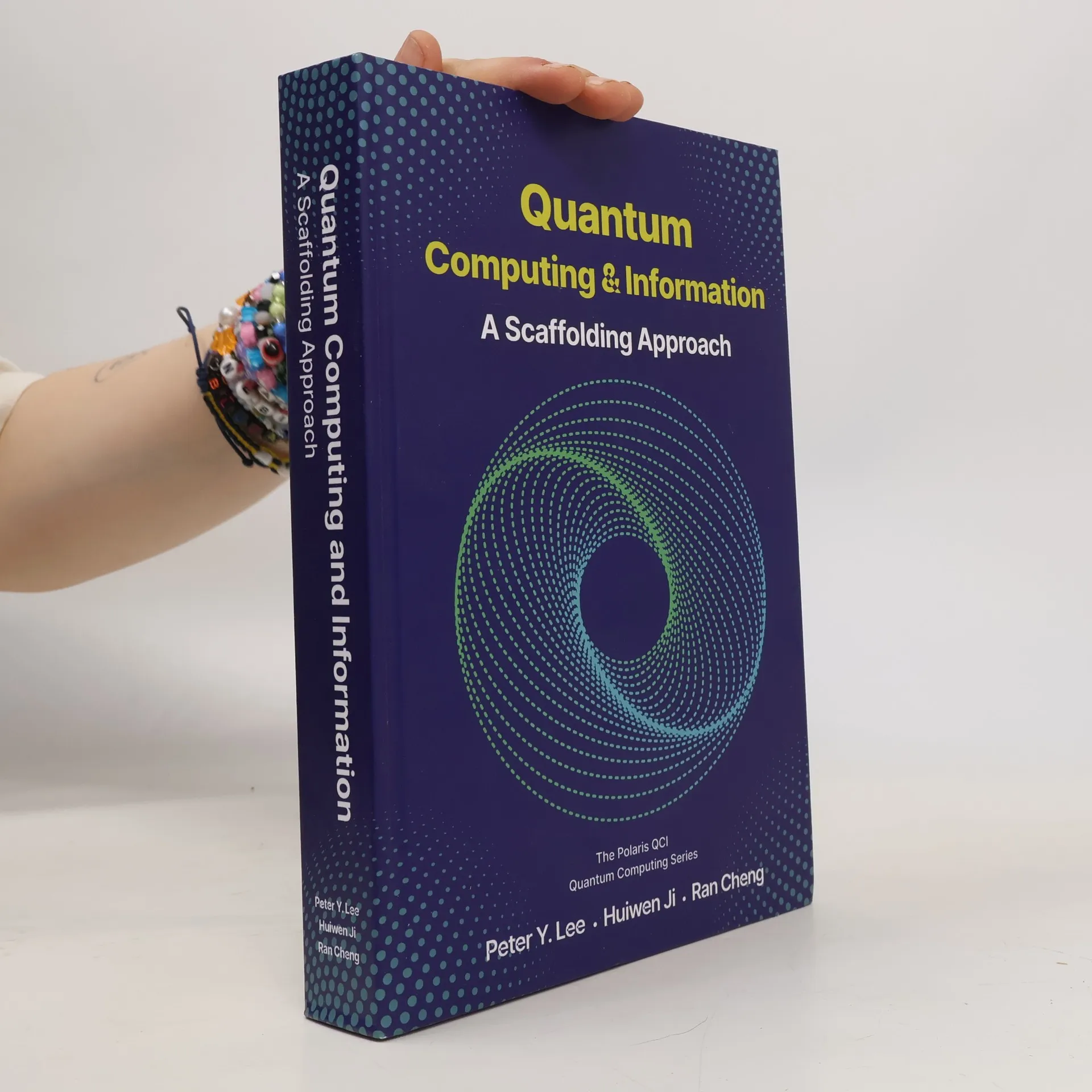
In a world where quantum computing merges computation and quantum mechanics, this book provides a carefully structured pathway to mastering this transformative technology. Aimed at beginning graduate students, senior undergraduates, and anyone interested in the quantum computational landscape, it employs a "scaffolding approach" inspired by pedagogical theories from Lev Vygotsky and Jerome Bruner. This method guides readers through complex topics without overwhelming them, gradually introducing concepts and reinforcing learning through practical exercises. The text is rich with illustrations, tables, and special boxes that highlight key ideas, making quantum computing accessible while preserving its complexities. The book is organized into four major sections: understanding the basics of quantum systems, manipulating these systems with quantum gates, exploring the phenomenon of entanglement, and delving into essential quantum algorithms, error correction techniques, and quantum information theory. Whether you are new to quantum computing or have some experience, this structured approach will help you build a solid understanding. Prepare for an enlightening journey into the captivating world of quantum computing.
Opiová kultura
- 255 Seiten
- 9 Lesestunden
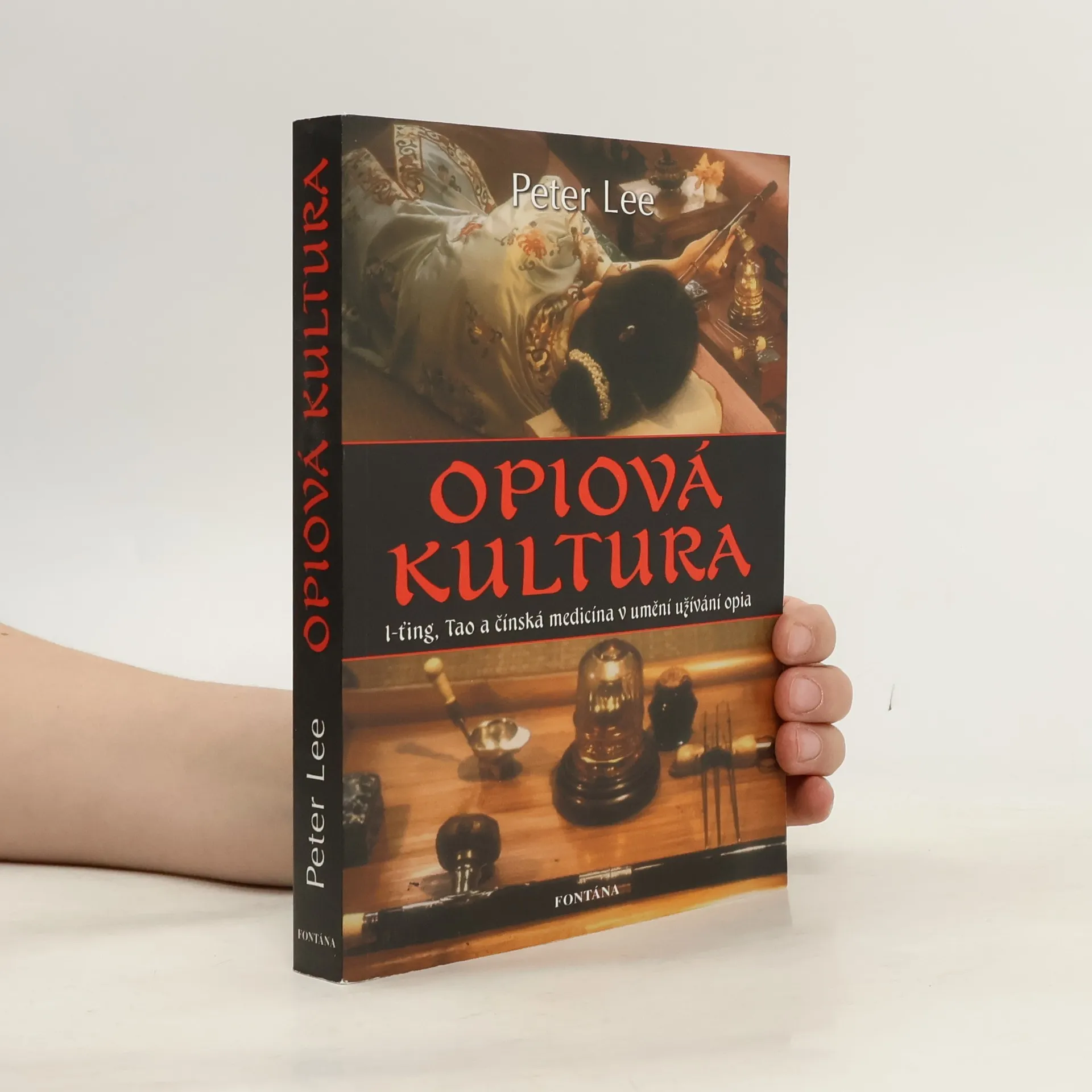
Opium. Samotný zvuk toho slova vyvolává představy utajených prostor v exotických zemích, kde malátní kuřáci mdle polehávají v namodralé mlze vonného opiového kouře a nakloněni nad nachový plamen nefritové lampy vdechují dým z dlouhých bambusových dýmek. Dnes je však k dispozici jen málo skutečně přesných informací o zvyku, který byl po 300 let zásadní pro život miliónů lidí po celeém světě.
Maya 5. Guida completa
- 868 Seiten
- 31 Lesestunden