



Bookbot

John Norcross

    John Norcross
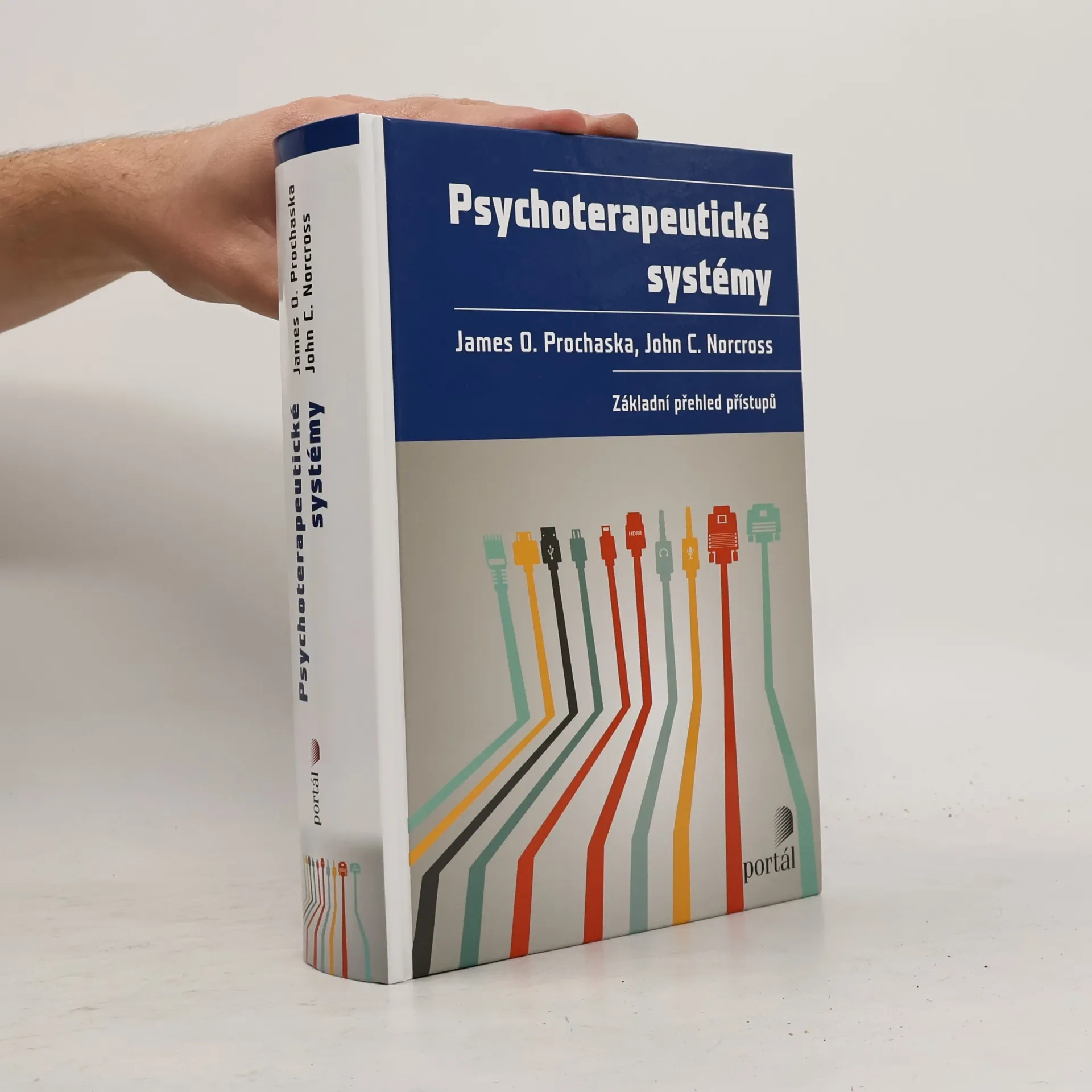
    Psychoterapeutické systémy. Základní přehled přístupů
    Psychoterapeutické systémy. Průřez teoriemi
    Handbook of Psychotherapy Integration
    Changing for Good
    • Systematická kniha přináší přehled základních psychoterapeutických směrů včetně psychodynamického, existenciálního, interpersonálního, behaviorálního, kognitivního, systemického, konstruktivistického, multikulturního a integrativního. Jednotlivé školy jsou spolu srovnávány s cílem vytvořit transteoretický pohled na psychoterapii. Každá kapitola je pojata jednotně, takže od příkladu a příslušné teorie osobnosti a psychopatologie se přechází k typickým terapeutickým procesům a podobě terapeutického vztahu, jsou rozebrány různé přístupy v rámci daného směru, pojednány výzkumy efektivity, kritika z pohledu jiných přístupů a také hypotetická kazuistika pacienta C. léčená optikou tohoto přístupu. Nechybějí další příklady ani klíčové pojmy a doporučené zdroje k dalšímu studiu. Obsahem knihy je analýza 15 vůdčích psychoterapeutických směrů a stručný přehled další 32 škol. Autoři docházejí k závěru, že různé pohledy se shodují v tom, jaké procesy navozují změnu, ale liší se v názoru na to, co je třeba měnit. Celosvětově uznávaná kniha, která je určená pro všechny typy psychoterapeutů i studentů psychoterapie, je překladem devátého amerického vydání.

      Psychoterapeutické systémy. Základní přehled přístupů2024
      4,3
    • Vyvážená, obsažná učebnice analyzující čtrnáct hlavních psychoterapeutických směrů 20. století. Čtenář je s každým systémem seznamován postupně z hlediska teorie osobnosti, terapeutického procesu a vztahu a prostřednictvím fascinujících kazuistik. Hypotetický komplikovaný model jednoho případu je řešen různými terapeutickými přístupy. Integrativní rámec knihy respektuje jak základní podobnosti, tak i bazální rozdíly mezi jednotlivými psychoterapeutickými směry a nabízí srovnání jejich účinnosti.Srovnávací analýza je založena na transteoretickém modelu. Text ukazuje síly a slabiny jednotlivých psychoterapeutických postupů a pomáhá je zbavit nánosu mystiky. Jde o základní publikaci pro každého, kdo se psychoterapií vážně zabývá nebo vede výcvik.Autoři patří ke špičce mezi severoamerickými psychology a psychoterapeuty. Dílo doznalo čtyř vydání od r. 1994. Skvělá souhrnná publikace pro vstup do nového tisíciletí.

      Psychoterapeutické systémy. Průřez teoriemi1999
      4,4
    • Changing for Good

      A Revolutionary Six-Stage Program for Overcoming Bad Habits and Moving Your Life Positively Forward

      • 304 Seiten
      • 11 Lesestunden

      How many times have you thought about starting a diet or quitting smoking without doing anything about it? Or lapsed back into bad habits after hitting a rough spot on the road to recovery?To uncover the secret to successful personal change, three acclaimed psychologists studied more than 1,000 people who were able to positively and permanently alter their lives without psychotherapy. They discovered that change does not depend on luck or willpower. It is a process that can be successfully managed by anyone who understands how it works. Once you determine which stage of change you’re in, you can:create a climate where positive change can occurmaintain motivationturn setbacks into progressmake your new benefifificial habits a permanent part of your lifeThis groundbreaking book offers simple self-assessments, informative case histories, and concrete examples to help clarify each stage and process. Whether your goal is to start saving money, to stop drinking, or to end other self-defeating or addictive behaviors, this revolutionary program will help you implement positive personal change . . . for life.The National Cancer Institute Found this program more than twice as effective as standard programs in helping smokers quit for 18 months.

      Changing for Good1995
      4,3
    • Contemporary psychotherapists have come to realize that, given the complexity of human behavior, no one theory can ever suffice to explain all situations, disorders, and clients. Over the past two decades, the ideological cold war and “dogma eat dogma” ambiance have abated as clinicians look across and beyond single-school approaches to see what can be learned—and how patients can benefit—from alternative orientations.This volume provides, for the first time, a comprehensive state-of-the-art description of therapeutic integration and its clinical practices by the leading proponents of the movement. After presenting the concepts, history, research, and belief structures of psychotherapy integration, the book considers two exemplars of theoretical integration, technical eclecticism, and common factors. The authors review integrative therapies for specific disorders, including anxiety, depression, and borderline personality disorder, along with integrative treatment modalities, such as combining individual and family therapy and integrating pharmacotherapy and psychotherapy. The book concludes with a section on training and a look at future directions.Replete with clinical vignettes, this unique handbook will be invaluable to practitioners and researchers alike.

      Handbook of Psychotherapy Integration1992