
Gratis Versand ab € 14,99. Mehr Infos.
Bookbot

Peter Morville

    Peter Morville ist ein Pionier auf dem Gebiet der Informationsarchitektur und Benutzererfahrung und hilft seit 1994 Menschen bei der Planung. Seine einflussreiche Arbeit wurde von wichtigen Publikationen wie Business Week, The Economist, NPR und The Wall Street Journal anerkannt und gewürdigt. Er hat sein Fachwissen weltweit durch Hauptvorträge und Workshops auf allen Kontinenten geteilt. Morvilles Beiträge prägen maßgeblich, wie wir digitale und informationelle Strukturen angehen.

    Ambient Findability
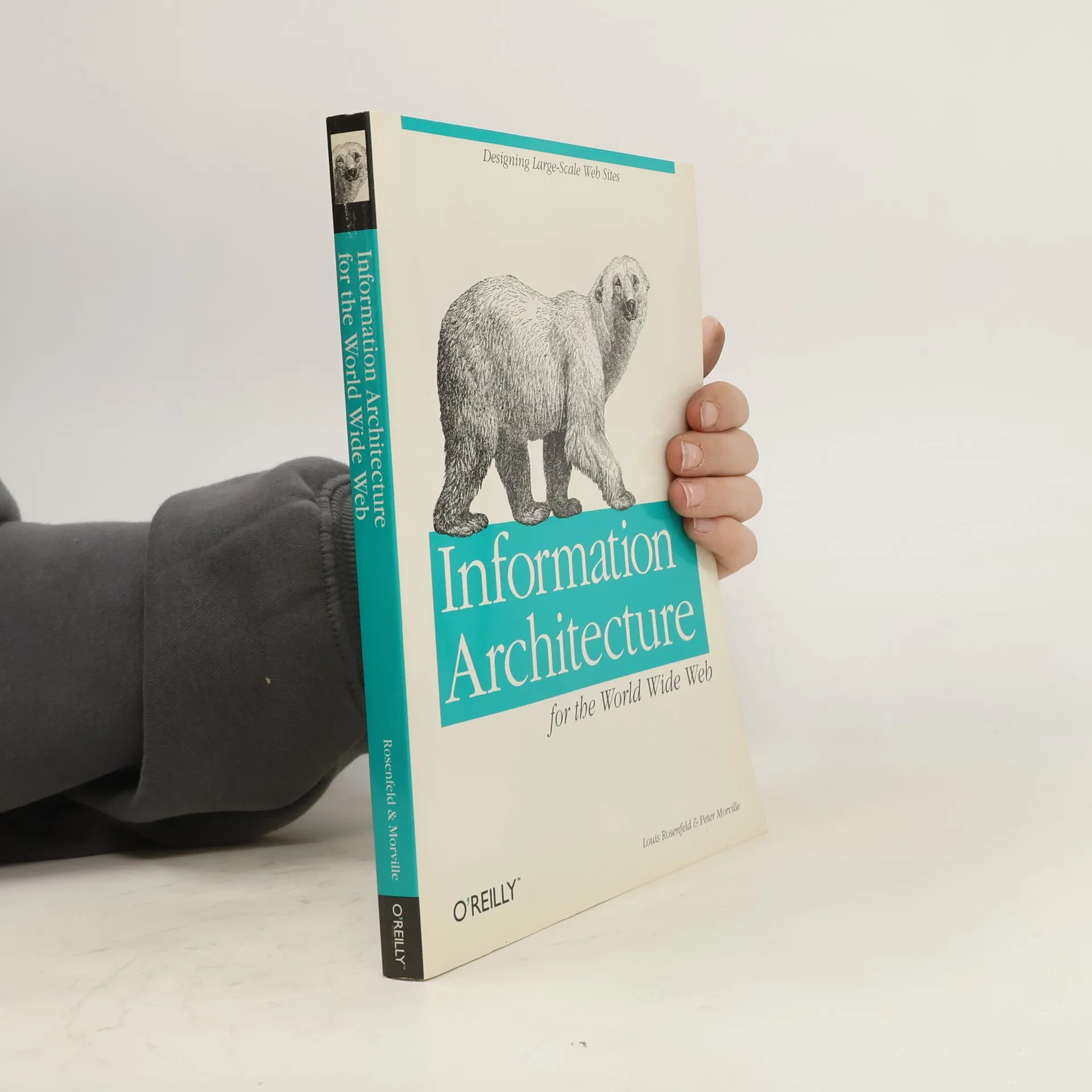
    Information architecture for the World Wide Web
    Information architecture for the web and beyond
    • Scheduled for release in mid-2015, the fourth edition of this bestselling guide focuses on information architecture as a set of tools and techniques for dealing with today’s tough information organization problems. It’s ideal for anyone involved in any aspect of design. The universal and timeless principles of information organization described in the book’s first three editions still apply in our increasingly mobile world. In the fourth edition, the authors cast those principles in the context of current practice, using many updated examples and illustrations. They examine technology- and vendor-independent tools and techniques that have also stood the test of time, and have updated the book’s appendix to include the most useful information architecture resources available today. Reserve your copy of Information Architecture for the World Wide Web, Fourth Edition and learn how well-planned information architecture is more essential than ever.

      Information architecture for the web and beyond
      4,0
    • "Unlike many Web design books, Information Architecture for the World Wide Web does not focus on graphic or technical design issues. Instead, it provides effective approaches for designers, information architects, and web site managers who are faced with sites that are becoming difficult to use and maintain. With this book, you learn how to design web sites and intranets that support growth, management, navigation, and ease of use. The book introduces you to the emerging field of information architecture, and will help you to: organize your site's hierarchy in ways that are meaningful to your site's users and that minimize the need to reengineer the site; create navigation systems so that users can move through the site without getting lost and frustrated; label your site's content in the language of its users; configure searching systems so that users' queries actually retrieve meaningful results; and manage the process of developing an information architecture, from research and conceptual design to planning and production." "Information Architecture for the World Wide Web is for webmasters, designers, and anyone else involved in building or maintaining a web site."--BOOK JACKET.

      Information architecture for the World Wide Web
      4,0
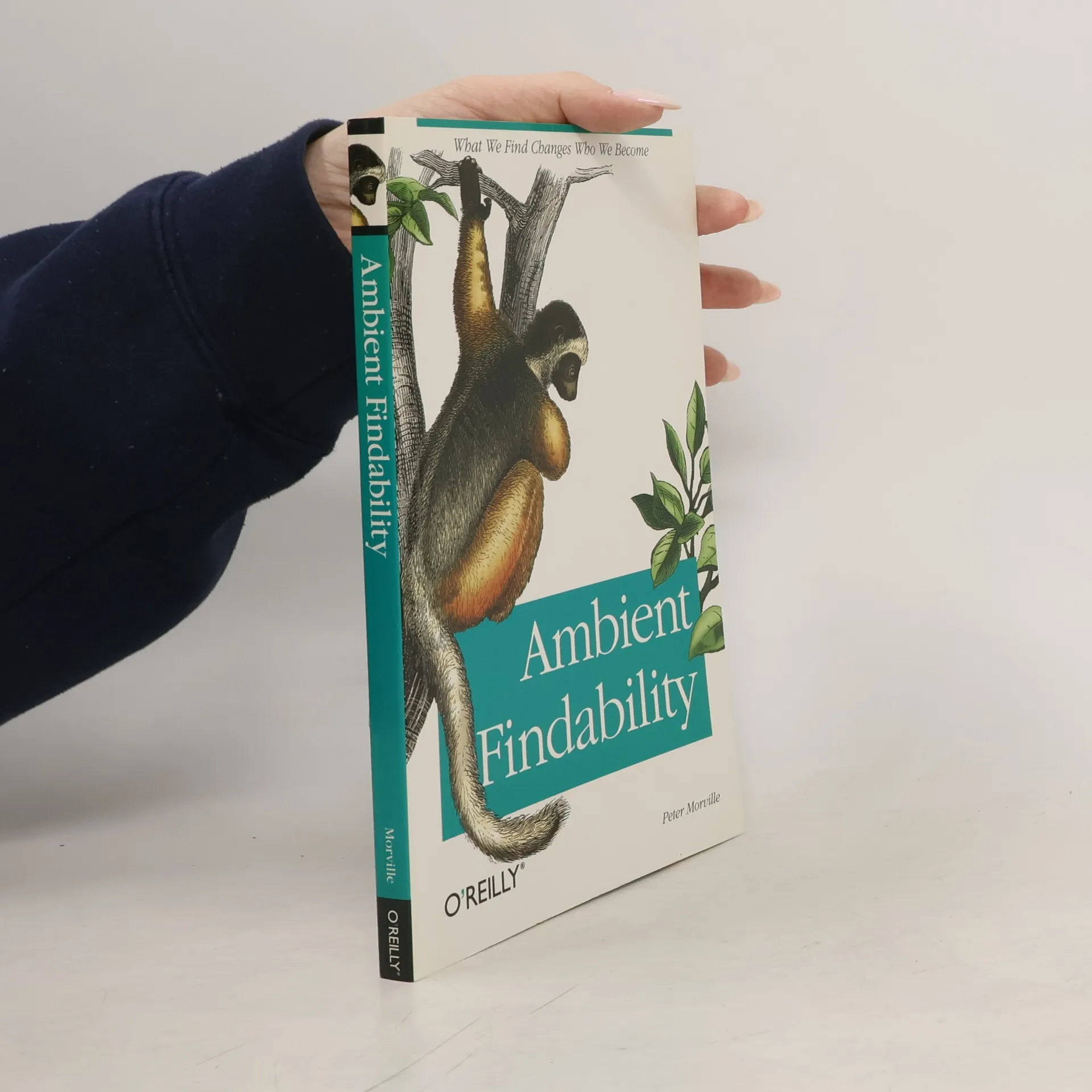
    • Ambient Findability

      What We Find Changes Who We Become

      • 188 Seiten
      • 7 Lesestunden

      How do you navigate an age of information overload? This eye-opening book explores the convergence of information and connectivity, defining our era as one of unlimited findability—where anyone can find anything at any time. The author, Peter Morville, examines how the Internet, GIS, and other technologies enable this findability and their societal impacts, as Web access has become essential for success. He reflects on the history of wayfinding and human evolution, suggesting our fear of being lost has led to the creation of maps, charts, and the mobile Internet. The central thesis posits that information literacy, architecture, and usability are vital in this new landscape. Morville argues that only through careful planning and design of software, devices, and the Internet can we sustain our connectivity. The book features full-color illustrations and rich examples that bring its concepts to life. Rather than providing definitive answers, it presents research and stories that support its innovative ideas. Are we at a pivotal moment where the quality of our digital networks will shape our behavior as a species? Is findability the key to thriving in the 21st-century global marketplace? Morville invites readers on a thought-provoking journey that inspires creativity and practical application in their work.

      Ambient Findability
      3,7