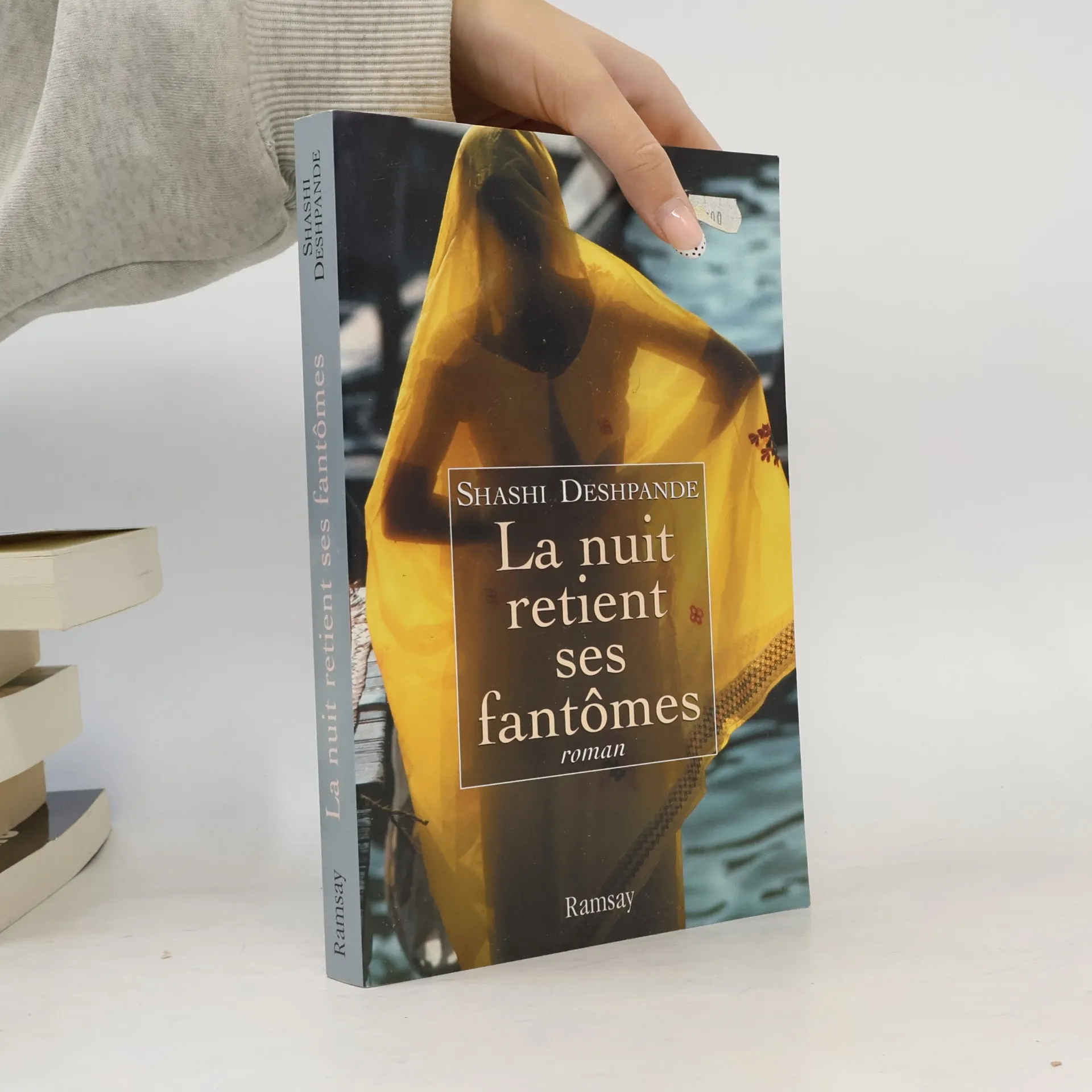
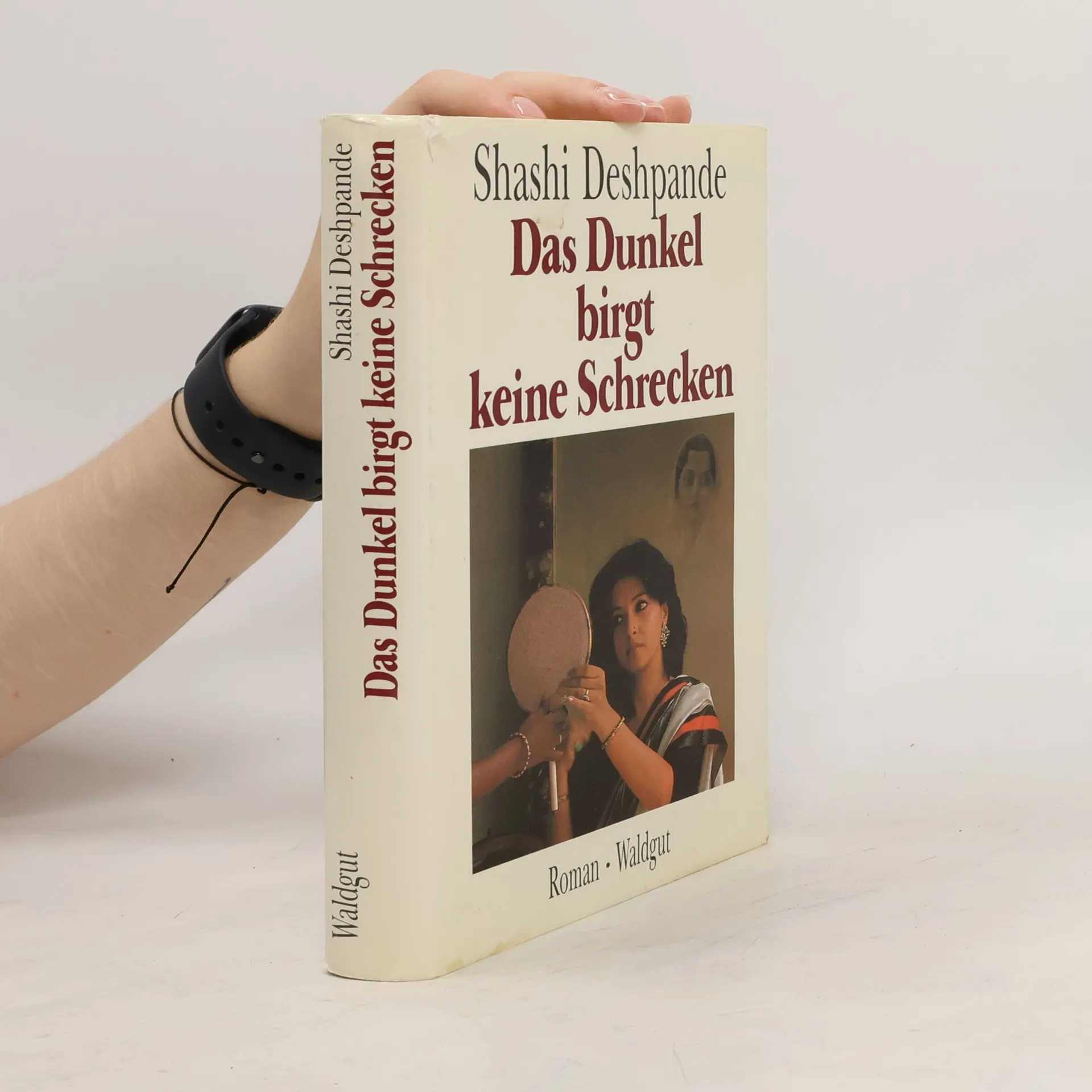
Das Dunkel birgt keine Schrecken
- 282 Seiten
- 10 Lesestunden


Shashi Deshpande ist bekannt für ihre fesselnden Erzählungen, die sich oft mit dem komplexen Innenleben von Frauen und ihrem Platz in der Gesellschaft auseinandersetzen. Ihr Werk zeichnet sich durch tiefgründige psychologische Einblicke und nuancierte Charakterdarstellungen aus. Deshpande verwebt meisterhaft Themen wie Identität, Familie und gesellschaftliche Erwartungen und schafft so Geschichten, die durch ihre Ehrlichkeit und Tiefe bei den Lesern Anklang finden. Ihre Prosa ist bekannt für ihre lyrische Qualität und ihre Fähigkeit, die Essenz menschlicher Erfahrung einzufangen.


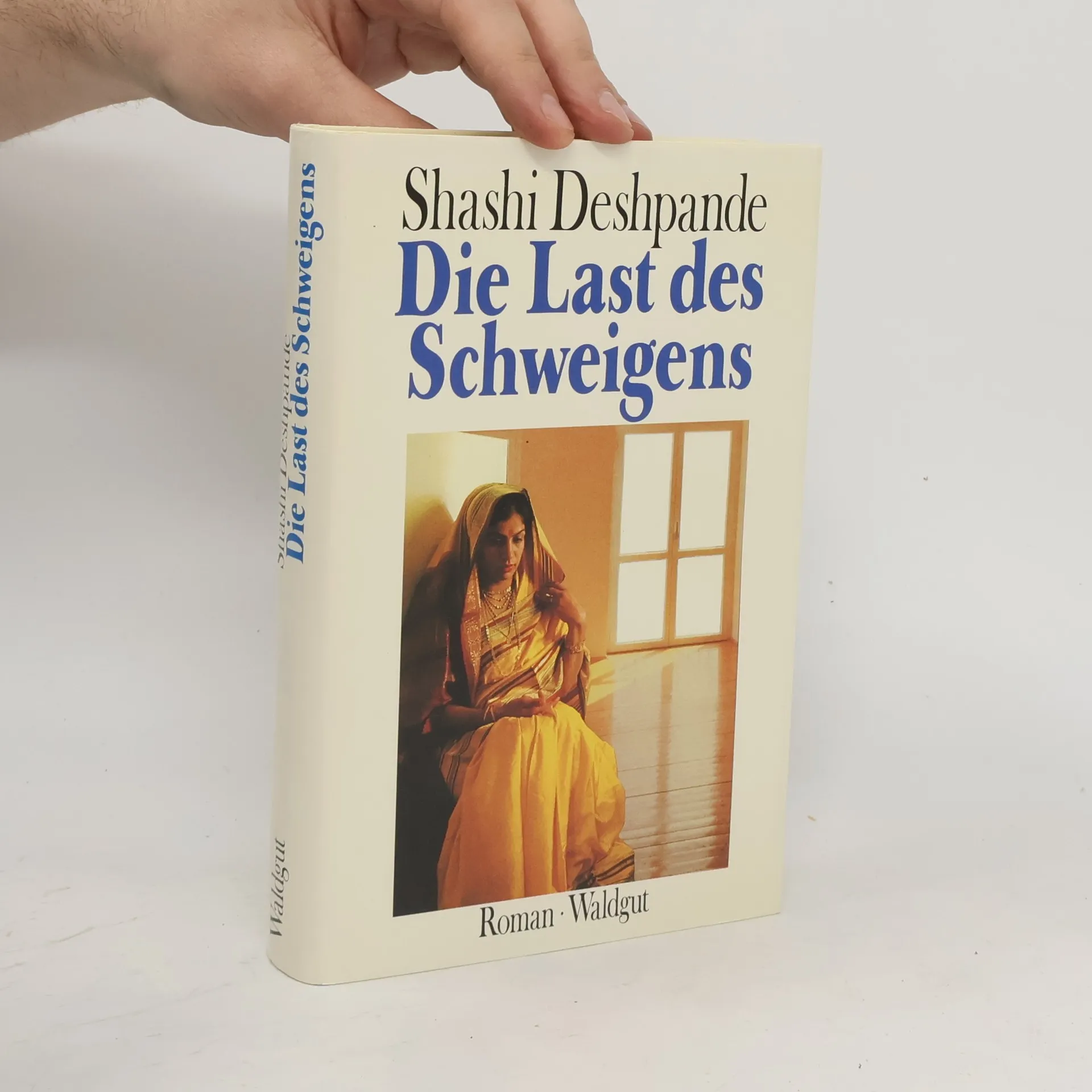
Indien im Jahre 1942. Die Partei Mahatma Gandhis verlangt die sofortige Freiheit Indiens. „Raus aus Indien!“, lautet die Forderung an die englische Kolonialmacht. Gandhi wird verhaftet und mit ihm viele andere. Spannend, beeindruckend und differenziert erzählt der dreizehnjährige Babu vom Erwachen des Tigers, dem gewaltlosen Widerstand des indischen Volkes im Kampf um seine Unabhängigkeit.
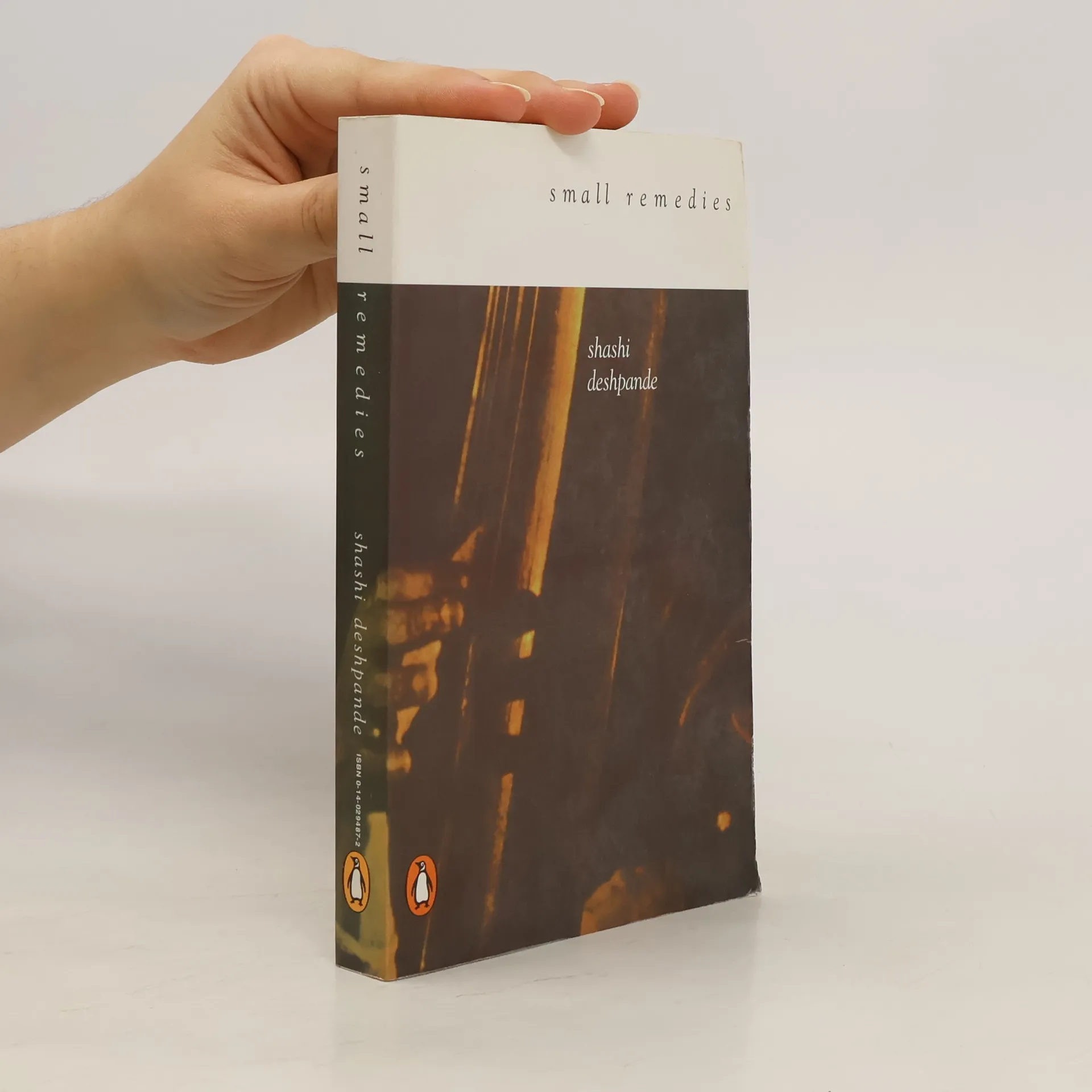
Shashi Deshpande's latest novel explores the lives of two women, one obsessed with music and the other a passionate believer in Communism, who break away from their families to seek fulfilment in public life. Savitribai Indorekar, born into an orthodox Hindu family, elopes with her Muslim lover and accompanist, Ghulaam Saab, to pursue a career in music. Gentle, strong-willed Leela, on the other hand, gives her life to the Party, and to working with the factory workers of Bombay. Fifty years after these events have been set in motion, Madhu, Leela's niece, travels to Bhavanipur, Savitribai's home in her last years, to write a biography of Bai. Caught in her own despair over the loss of her only son. Madhu tries to make sense of the lives of Bai and those around her, and in doing so, seeks to find a way out of her own grief.
Devayani chooses to live alone in the small town of Rajnur after her parents’ death, ignoring the gently voiced disapproval of her family and friends. Teaching English, creating a garden and making friends with Rani, a former actress who settles in the town with her husband and three children, Devayani’s life is tranquil, imbued with a hard-won independence. Then she meets Ashok Chinappa, Rajnur’s new District Superintendent of Police, and they fall in love despite the fact that Ashok is much older, married, and—as both painfully acknowledge from the very beginning—it is a relationship without a future. Deshpande’s unflinching gaze tracks the suffering, evasions and lies that overtake those caught in the web of subterfuge. There are no hostages taken in the country of deceit; no victors; only scarred lives. This understated yet compassionate examination of the nature of love, loyalty and deception establishes yet again Deshpande’s position as one of India’s most formidable writers of fiction.
Why are you still alive—why didn’t you die?” Years later, Sarita still remembers her mother’s bitter words uttered when, as a little girl, she was unable to save her younger brother from drowning. Now, her mother is dead and Sarita returns to the family home, ostensibly to take care of her father, but in reality to escape the nightmarish brutality her husband inflicts on her. In the quiet of her father’s company, Sarita reflects on the events of her life: her stultifying small town childhood, her domineering mother, her marriage to the charismatic young poet Manohar (who turned vicious when he realized his career was going nowhere and that his wife’s professional success was exceeding his own), her children . . . As she struggles with her emotions and anxieties, Sarita gradually realizes that there is more to life than dependency on marriage and family—she resolves to use her new found truths to make a better life for herself.
Bijdragen van schrijvers uit Afrika, Azië en Oost-Europa over recente politieke veranderingen in hun land.
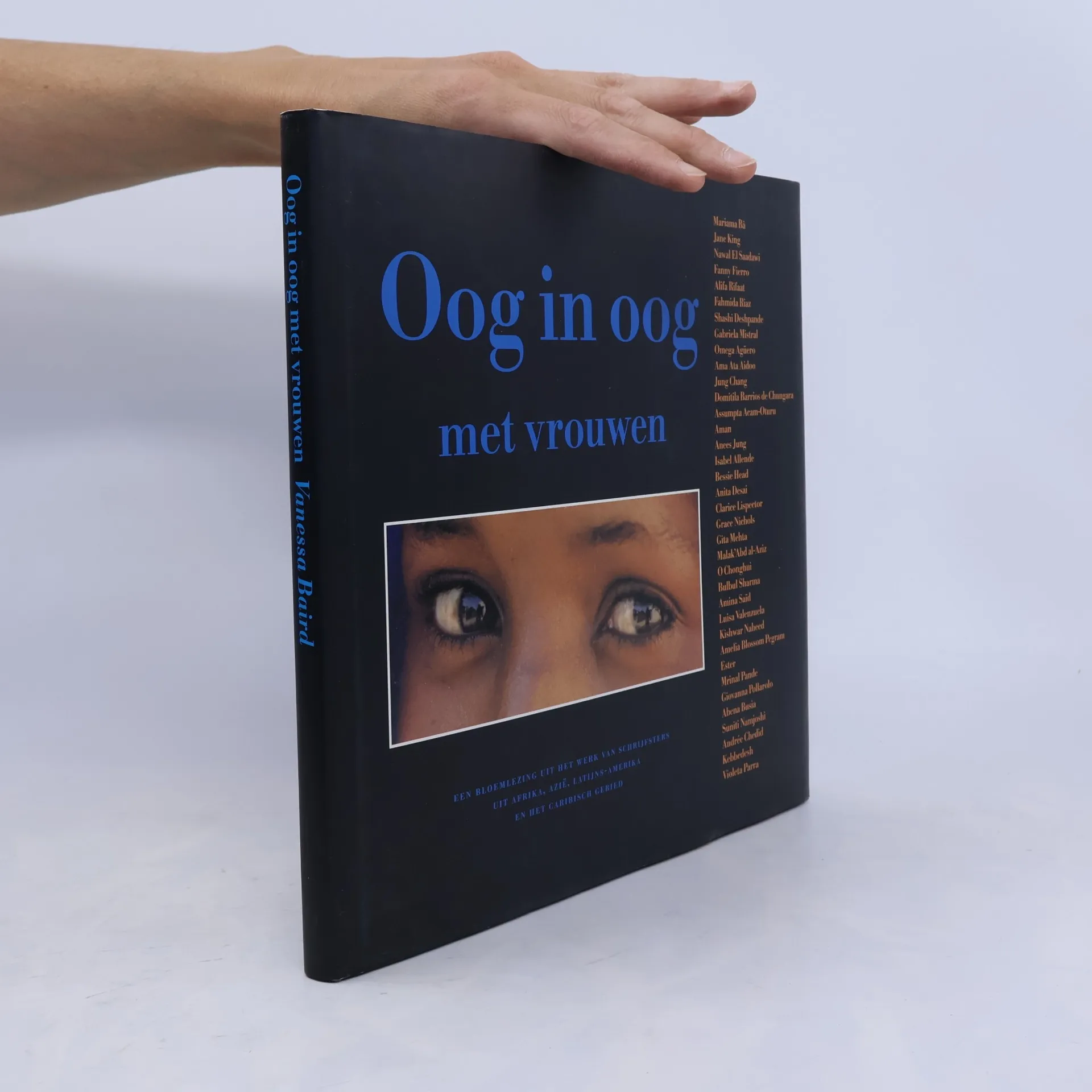
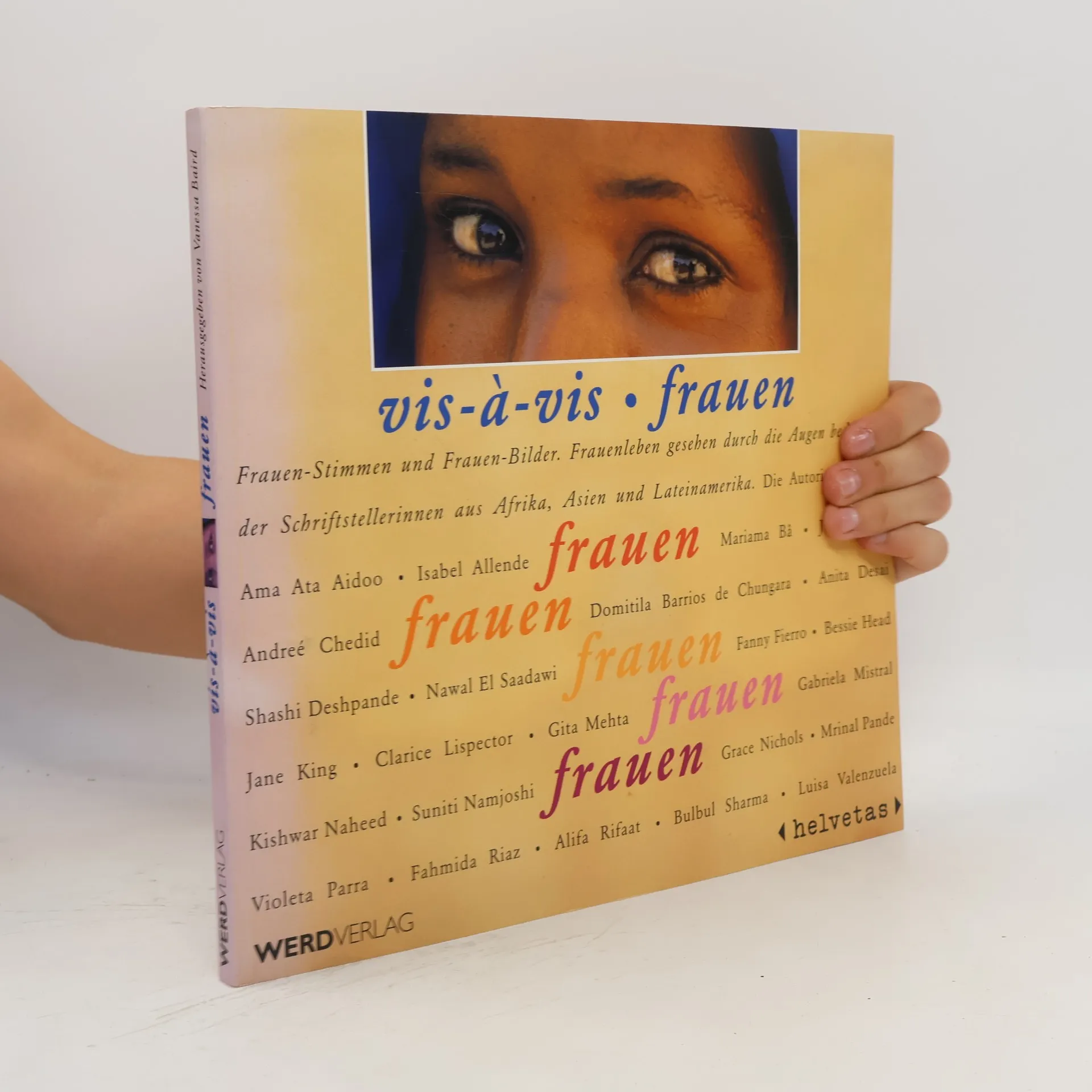
Oog in oog met vrouwen is een bloemlezing uit het prachtige werk van schrijfsters uit Afrika, Azië, Latijns-Amerika en het Caribisch gebied. De fragmenten uit proza en poëzie, die zijn samengebracht onder noemers als Leven en Liefde, Werk en spel en Politiek en maatschappij , worden visueel vertaald en verlevendigd door meer dan veertig kleurenfoto's. Daarmee is dit boek een genoegen om te lezen en tegelijk een lust voor het oog.