
Bookbot

Michael Rock

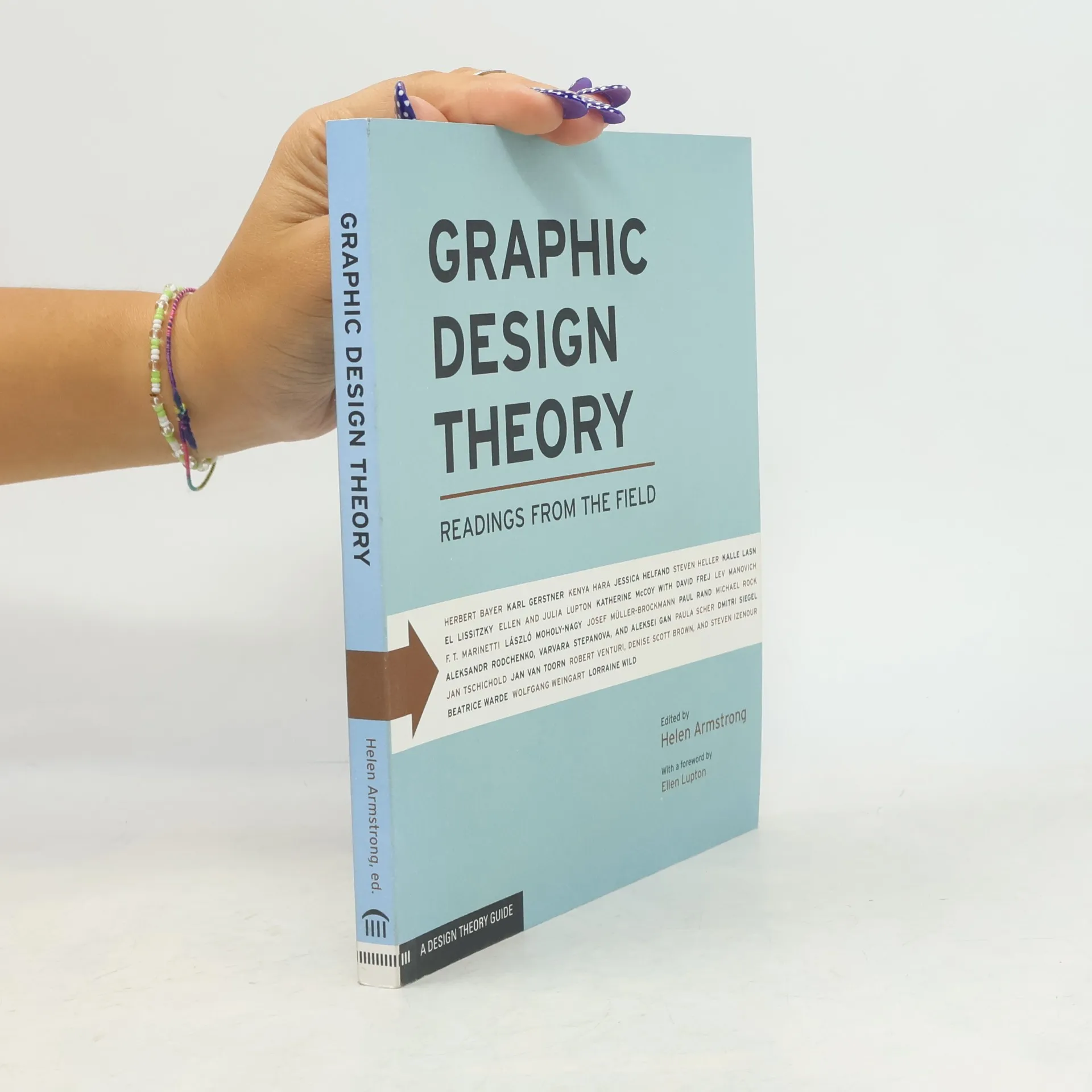
    Graphic Design Theory
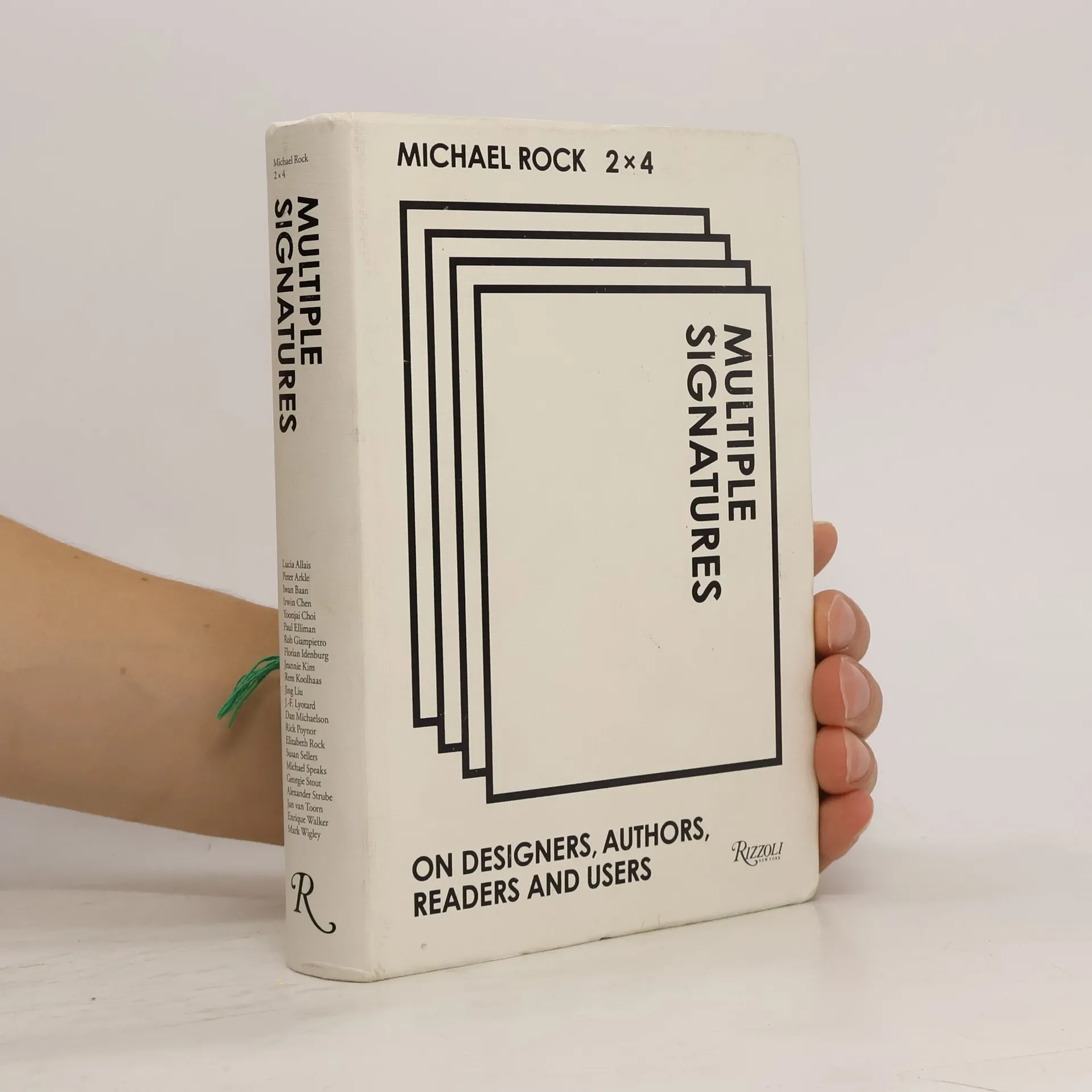
    Multiple Signatures
    Prada
    • Prada

      • 707 Seiten
      • 25 Lesestunden

      Der Teufel trägt Prada. was denn sonst? 1913 gründete Mario Prada im italienischen Mailand ein Lederwarengeschäft namens Fratelli Prada. Bis 1978 sollte sich an diesem ursprünglichen Geschäftsfeld wenig ändern. Doch dann übernahm Miuccia Prada, die Enkelin des Firmengründers, das Unternehmen. Miuccia, die Schauspielerin und promovierte Politologin, galt zu diesem Zeitpunkt nicht gerade als 'Paradeerbin', fehlte ihr doch jegliche Designausbildung. Ihre einzige Qualifikation war das Interesse an der Kleidung in ihrem Schrank – darunter ein YSL-Ensemble, in dem sie in den Siebzigern Flugblätter für die kommunistische Partei verteilt hatte. Doch ihr gelang es, aus dem praktisch in der Bedeutungslosigkeit versunkenen Unternehmen innerhalb kürzester Zeit eine Weltmarke zu machen. 1985 brachte sie ihre bald Kultstatus erlangende Tasche 'Black Nylon' aus schwarz glänzender Fallschirmseide heraus (die Fälscher in aller Welt nachmachten), 1989 dann ihre erste Prêt-à-Porter-Kollektion. Seither wird die Prada-Mode für ihren schlichten, asketischen Stil und ihre minimalistische Ausführung gefeiert. Heute ist Prada ein Milliardenunternehmen, und Miuccias Beiträge zur Modegeschichte sind Legende – seien es die Prada-Prints, die 'Bowling Bag' oder Omabroschen auf Kaschmir…

      Prada
      4,6
    • Multiple Signatures

      • 402 Seiten
      • 15 Lesestunden

      This book explores the diverse voices and disciplines that comprise the process of graphic design through the lens of authorship, criticism, projects, and collaborations. It includes essays, interviews, diagrams, annotations, illustrated lectures and case studies from Michael Rock and contributors such as Susan Sellers, Georgie Stout, Rem Koolhaas, Mark Wigley, Paul Elliman, Enrique Walker, Rick Poynor and Lucia Allais among many others. Multiple Signatures examines all aspects of contemporary visual culture from branding and authorship to urban screens, conspiracy theory and t-shirt design.

      Multiple Signatures
      3,9
    • Graphic Design Theory

      • 151 Seiten
      • 6 Lesestunden

      Graphic Design Theory presents groundbreaking, primary texts from the most important historical and contemporary design thinkers. From Aleksandr Rodchenko’s "Who We Are: Manifesto of the Constructivist Group" to Kenya Hara’s "Computer Technology and Design," this essential volume provides the necessary foundation for contemporary critical vocabulary and thought. Graphic Design Theory is organized in three sections: "Creating the Field" traces the evolution of graphic design over the course of the early 1900s, including influential avant-garde ideas of futurism, constructivism, and the Bauhaus; "Building on Success" covers the mid- to late twentieth century and considers the International Style, modernism, and postmodernism; and "Mapping the Future" opens at the end of the last century and includes current discussions on legibility, social responsibility, and new media. Striking color images illustrate each of the movements discussed and demonstrate the ongoing relationship between theory and practice. A brief commentary prefaces each text, providing a cultural and historical framework through which the work can be evaluated.

      Graphic Design Theory