Karen Bartlett ist eine fesselnde Schriftstellerin und Journalistin, deren Werk tief in menschliche Erfahrungen und gesellschaftliche Komplexitäten eintaucht. Ihre Berichterstattung aus aller Welt für führende Publikationen enthüllt vielschichtige Themen mit aufschlussreicher Klarheit. Bartletts Schreiben widmet sich Erzählungen von Widerstandsfähigkeit, Überleben und der anhaltenden Suche nach Menschlichkeit selbst unter den härtesten Umständen. Ihr unverwechselbarer Stil, der für seine Authentizität und emotionale Resonanz gelobt wird, erweckt kraftvolle und inspirierende menschliche Geschichten für die Leser zum Leben.
The Afghan Women Judges Who Fled the Taliban and Those They Left Behind
304 Seiten
11 Lesestunden
Focusing on the remarkable journey of Afghan women judges, the book chronicles their fight for justice within a U.S.-backed government framework. These women, armed with legal degrees, challenged corruption and traditional gender roles while striving to reduce violence against women and children. Their efforts aimed to reshape Afghanistan into a modern democracy that values the rule of law and human rights, highlighting their resilience and courage in the face of adversity.
The Diary of Anne Frank is one of the most enduring and bestselling books of
all time, yet its history is as complex as it is contested. For the first
time, this is the extraordinary true story behind the book, its publication
and its significance.
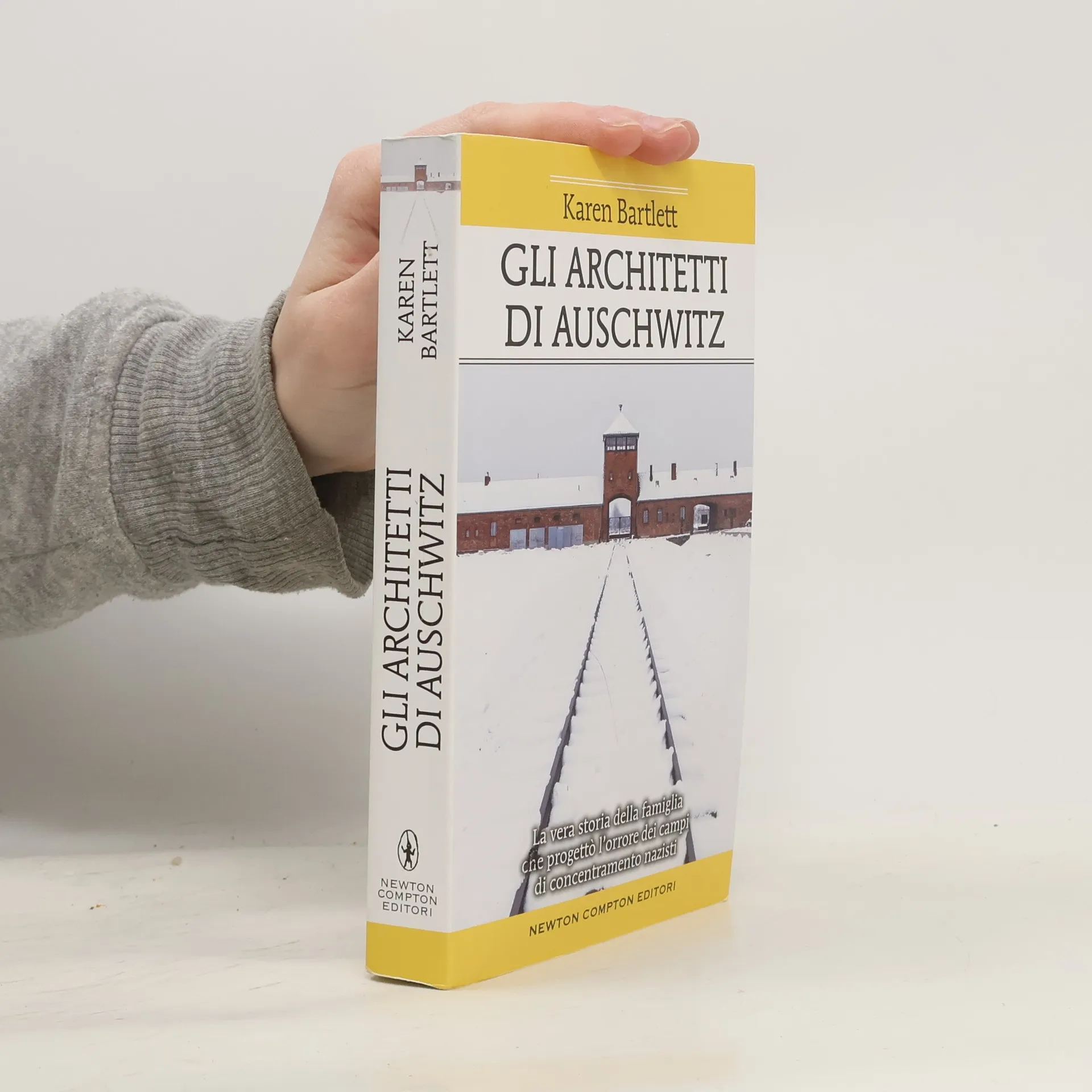
Firma Topf & Söhne produkuje urządzenia browarnicze. I krematoria, a także
instalacje do komór gazowych. Jej klientami są browary w wielu krajach na
całym świecie. Krematoria i komory gazowe zamawia SS dla obozów
koncentracyjnych, przede wszystkim tych w Auschwitz, Buchenwaldzie, Dachau i
Mauthausen. Dyrektorzy firmy, Ludwig i Ernst Wolfgang Topfowie doskonale
wiedzą, że ich produkty służą do mordów w niewyobrażalnej skali. Pracownicy
firmy uczestniczą w praktycznych testach, podczas których zabija się ludzi w
komorach gazowych i pali zwłoki w krematoriach. Jednak ta świadomość nie robi
na nikim wrażenia. Mimo że współpraca z SS jest źródłem zaledwie kilku procent
obrotów firmy, ambicje rodziny sięgają bardzo wysoko i w Topf & Söhne wciąż
powstają coraz bardziej nowatorskie projekty komór i pieców, w których można
zabijać i palić zwłoki coraz większej liczby ludzi - szalone plany zagłady,
których nawet SS nie jest w stanie zaakceptować. Czy jest jeszcze ktoś do
spalenia? - zapyta żartobliwie w 1942 roku dyrektor operacyjny firmy Gustav
Braun. Architekci śmierci Karen Bartlett to opowieść tak szokująca, że
niełatwo przyjąć ją do wiadomości, opowieść o rodzinie, która opracowała
technologię zagłady i nie ustawała w wysiłkach, by ją udoskonalić. Karen
Bartlett - brytyjska pisarka i dziennikarka. Pisze dla Sunday Times, The
Times, The Guardian i Wired. Autorka m.in. książki After Auschwitz: A Story of
Heartbreak and Survival by the Stepsister of Anne Frank.
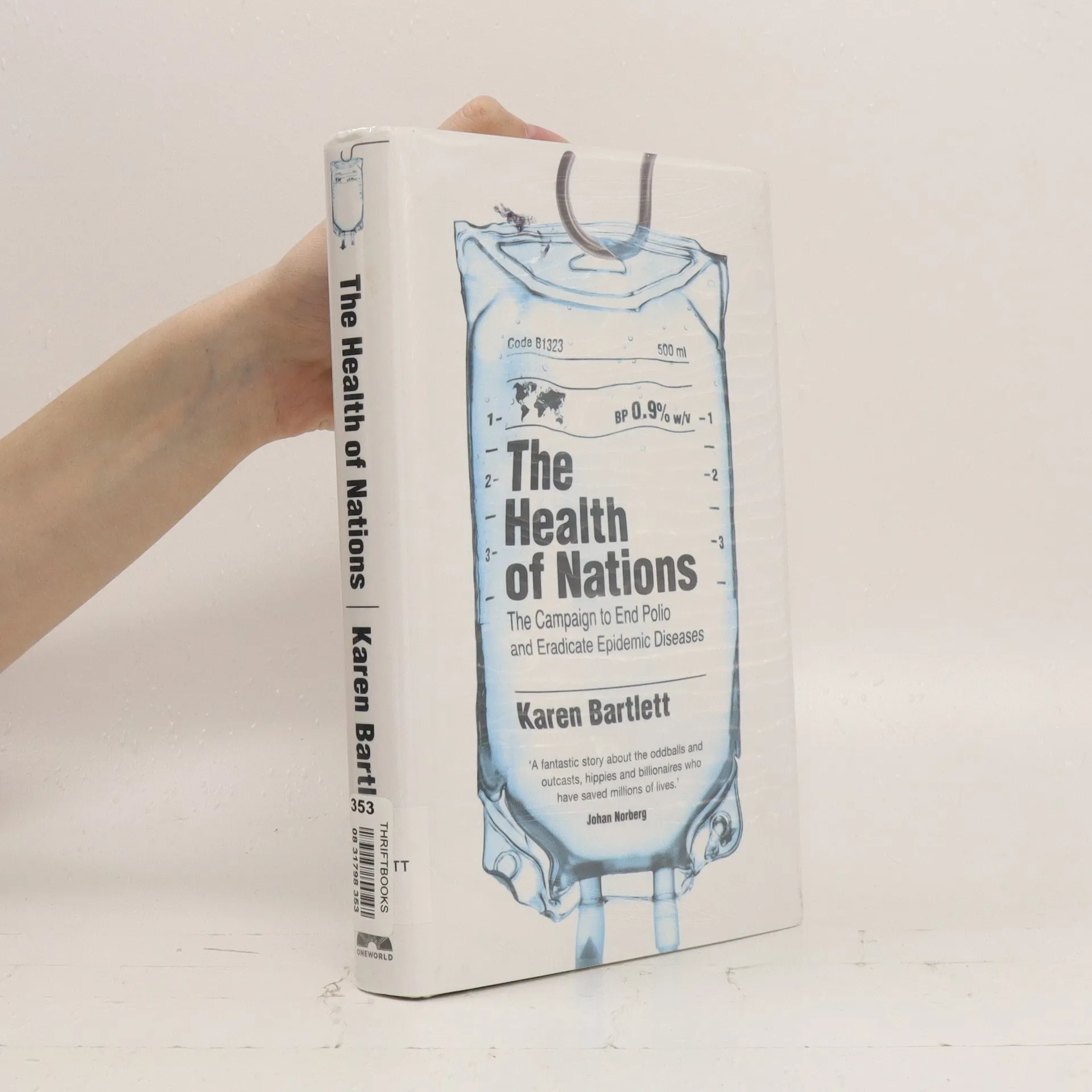
"No one will ever again die of smallpox. With the battle against that "most terrible of the ministers of death" won, an unprecedented humanitarian coalition has now turned to polio, malaria and measles."--Jacket flap.
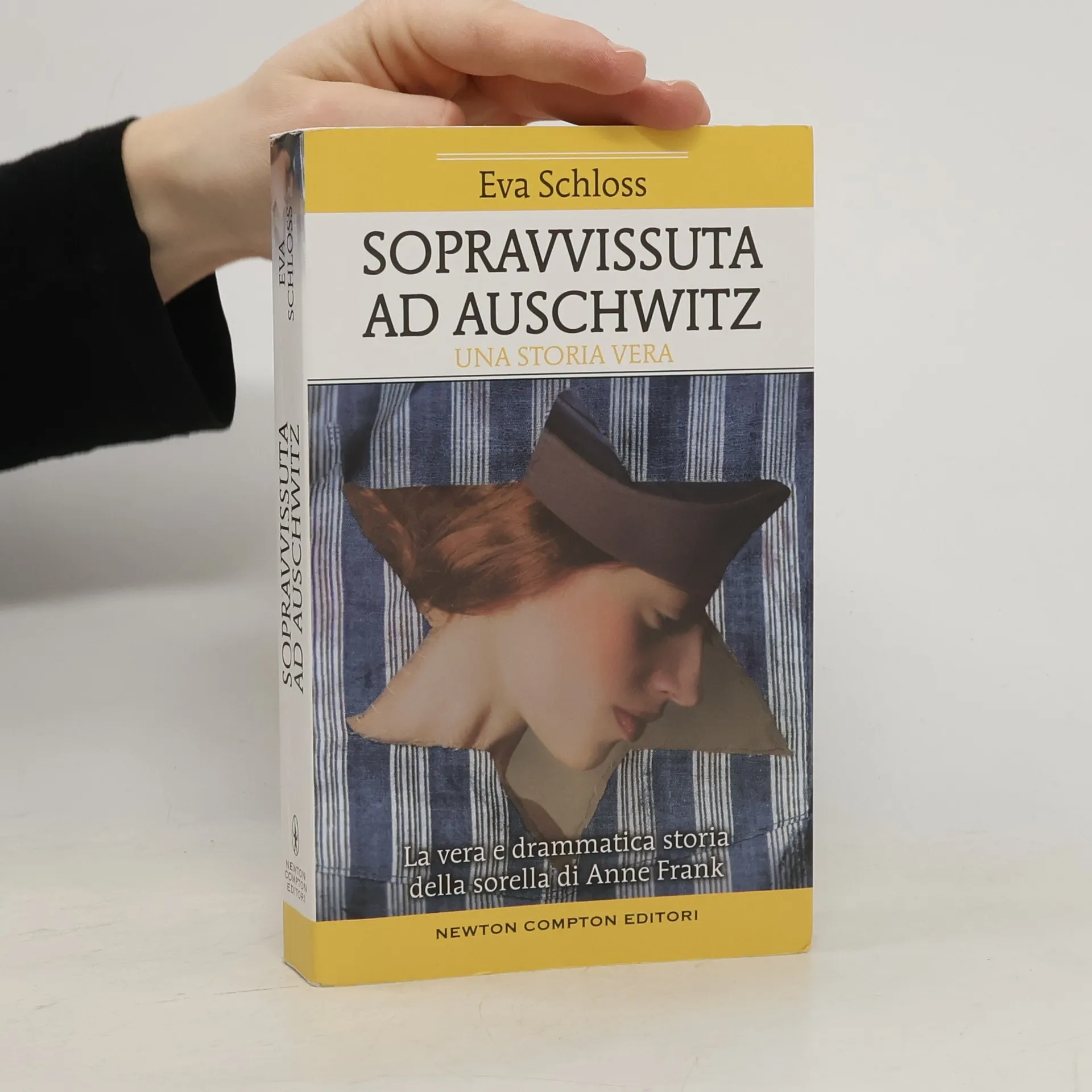
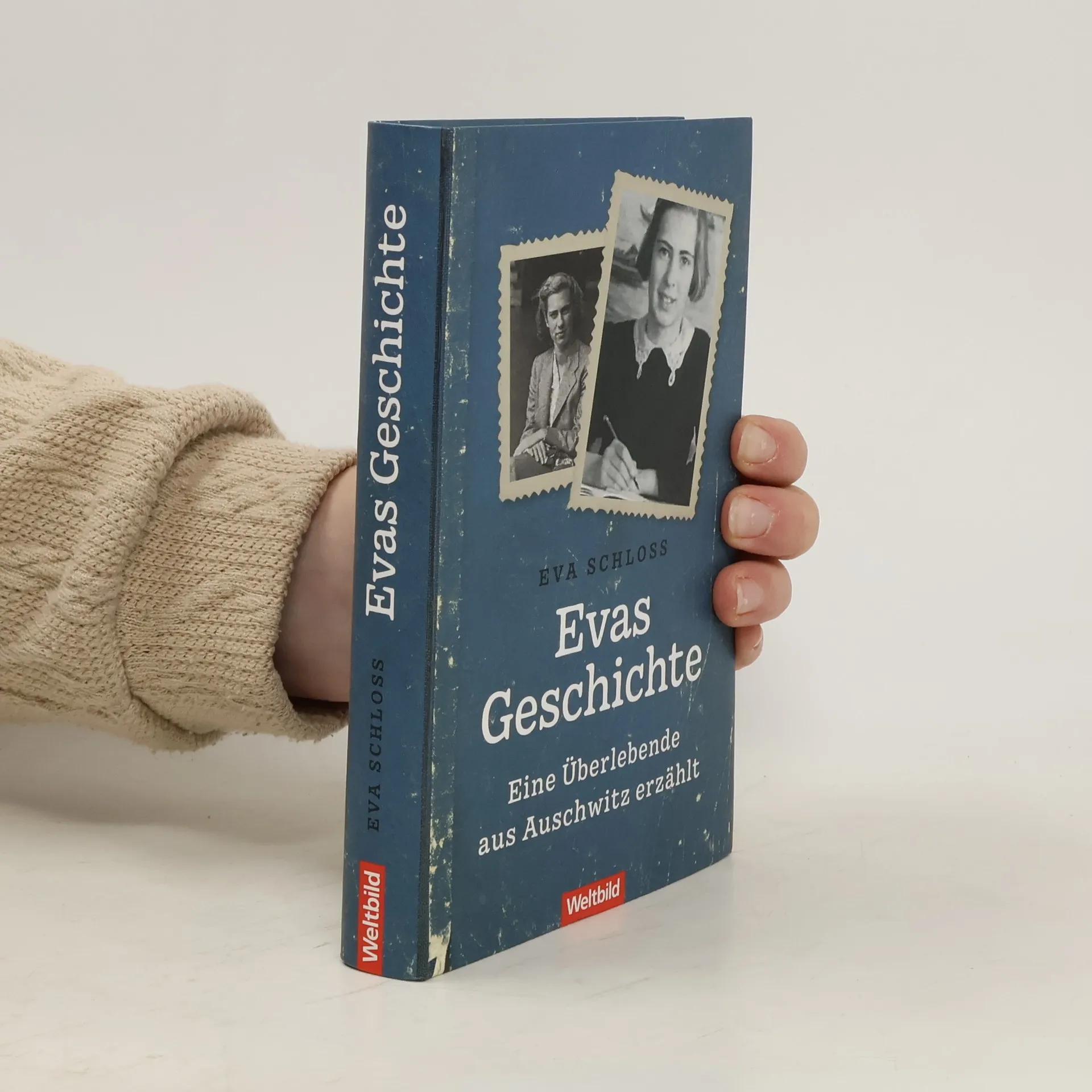
Der eindringliche und bewegende Bericht vom Überleben eines jungen Mädchens in Auschwitz – vom alltäglichen Kampf gegen Demütigung, Hunger und Erschöpfung und für die Bewahrung der eigenen Würde. Weltweit in mehrere Sprachen übersetzt und ein Bestseller in den USA und England (über 50.000 verkaufte Exemplare). Als die Deutschen im März 1938 Österreich besetzten, flohen Eva Geiringer und ihre Familie nach Amsterdam. Dort versteckten sie sich wie so viele Juden, bis sie im Mai 1944 entdeckt und nach Auschwitz deportiert wurden. Die fünfzehnjährige Eva überlebte das Konzentrationslager – zusammen mit ihrer Mutter, die später Otto Frank, Anne Franks Vater, heiratete. Das Theaterstück 'Und dann kamen sie mich holen. Erinnerungen an die Welt der Anne Frank' von James Still, das 2004 im Psychosozial-Verlag erschien, basiert unter anderem auf der Geschichte von Eva Schloss.
Eva was arrested by the Nazis on her fifteenth birthday and sent to Auschwitz. Her survival depended on endless strokes of luck, her own determination and the love and protection of her mother Fritzi, who was deported with her. When Auschwitz was liberated, Eva and Fritzi began the long journey home. They searched desperately for Eva's father and brother, from whom they had been separated. The news came some months later. Tragically, both men had been killed. Before the war, in Amsterdam, Eva had become friendly with a young girl called Anne Frank. Though their fates were very different, Eva's life was set to be entwined with her friend's for ever more, after her mother Fritzi married Anne's father Otto Frank in 1953. This is a searingly honest account of how an ordinary person survived the Holocaust. Eva's memories and descriptions are heartbreakingly clear, her account brings the horror as close as it can possibly be. But this is also an exploration of what happened next, of Eva's struggle to live with herself after the war and to continue the work of her step-father Otto, ensuring that the legacy of Anne Frank is never forgotten.